
On this page
IN BRIEF
Count, inspect and release the delivered panels
Match each delivered item to the order and packing list, record its arrival condition and agreed measurements, then identify the quantity released or held. Keep the decision with its bundle, lot and storage location so the workshop knows which material it can use.
- Reconcile the shipment identity and quantities first.
- Record inspection scope and measurement methods.
- Keep affected material identifiable while a difference is reviewed.
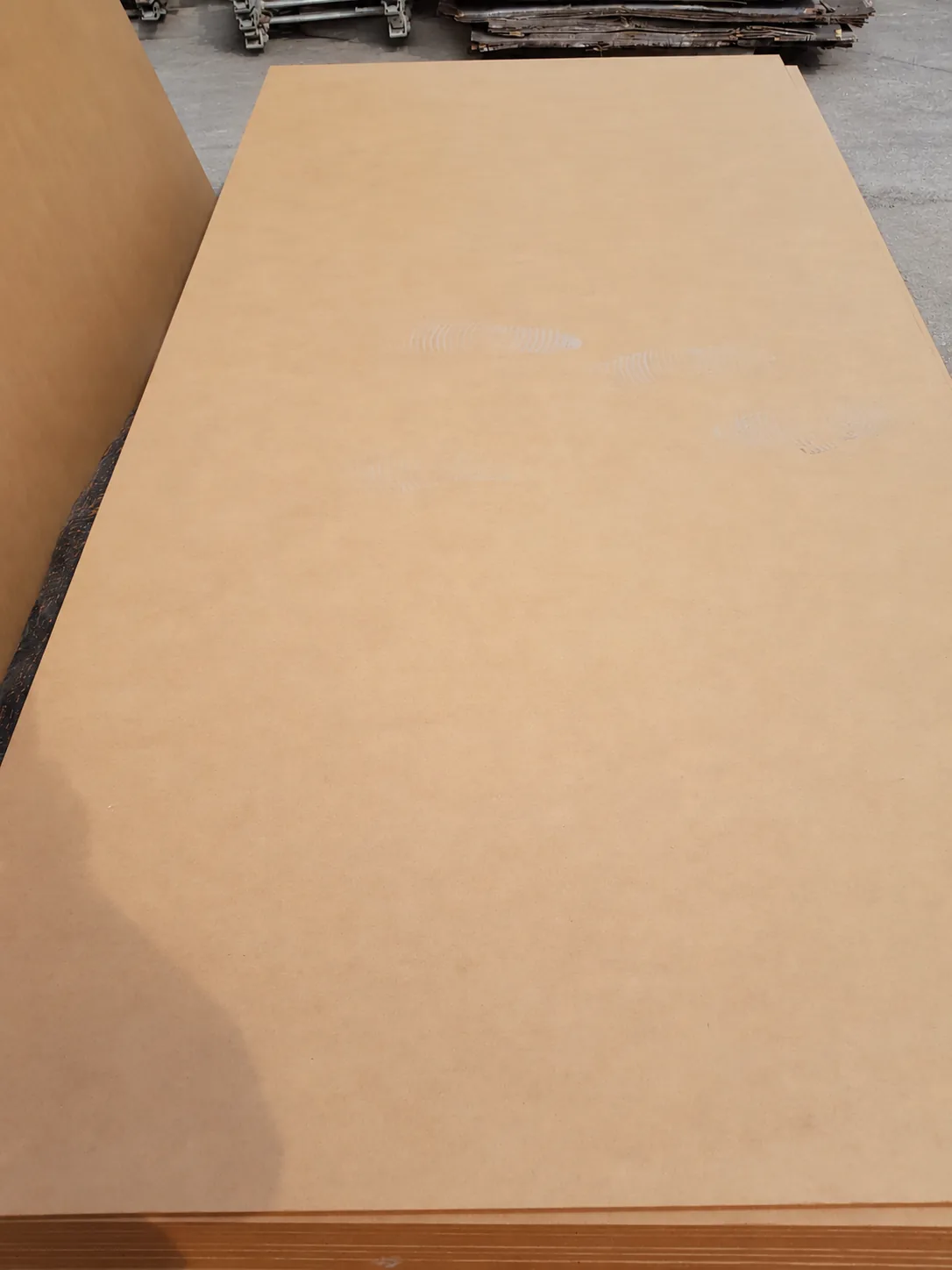
For a thin MDF order, identify the nominal thickness and measurement conditions alongside the part or sheet dimensions. Record pack support, face/corner condition and the item references before machining or assembly.
UNDERSTAND THE DETAIL
What belongs in a plywood incoming inspection checklist?
An incoming inspection record contains the purchase item and revision, bundle and lot IDs, quantity, arrival condition, agreed measurements, supporting product records and final stock decision. Check each SKU separately before it enters production.
- Identification and count
- Match item codes, bundle labels and the counting basis to the delivery documents.
- Visible and dimensional checks
- Record observed damage, face condition and measured dimensions with the stated method.
- Additional requirements
- Carry out the specific product or document checks required by the purchase schedule.
Does an incoming visual check prove bond strength?
No. A visual inspection identifies visible defects; bond strength requires the applicable test. Photograph separation or damage and its sheet location, then use the test method specified for the supplied construction.
Continue with reporting a difference found during inspection.
Agree the checks while the order is still being prepared
Use the final order revision, complete offered model and actual application to set the inspection scope. Put the requirement, method, selected quantity, locations, result and decision on the same record. If a criterion is still open, resolve it during the quotation/sample discussion rather than inventing it at the receiving dock.
Scroll horizontally to compare all columns.
| Item | Record or calculate | Order decision |
|---|---|---|
| Identity and item mix | Order/SKU/revision, model and full board construction, gauge/format/finish, production lot, bundle labels and sheet counts. | Reconcile each item separately; keep sheet, component and set units explicit. |
| Arrival condition | Container/bundle/location/date, packing and panel photographs before and after opening, observed face/edge/corner damage. | Keep the handling and affected material references with the arrival observation. |
| Dimensions and fit | Specified nominal/finished stage and limits; actual gauge, cut dimensions, squareness/profile/flatness or fitting checks required for that item. | Record the agreed method, instrument, positions, conditions and raw readings against that requirement. |
| Face and construction | Accepted physical face/decor/range/edge reference, full layer/model description, actual sheet/cut locations and visible observations. | Identify the feature being assessed and any opened/cut section; retain the relevant sample reference. |
| Product files | Applicable standard/method/edition, offered model/gauge/construction scope, reports/declarations/labels and required receiving documents. | Match the document to the actual supplied item and required application. |
| Disposition and traceability | Examined identities, check results, held/released/unexamined quantities, reviewer/date, stock location and agreed follow-up. | Keep a specific lot decision and material location available to the next shift. |
Prepare the record before unloading
Have the final order, packing list, sample reference and inspection plan ready before unloading. Photograph container and pack condition before opening, then photograph any panel damage with its bundle and sheet location. Keep packaging damage and panel damage as separate observations.
Record the arrival time, container/seal references and unloading location. Photograph a visible packaging concern while its position is still identifiable, subject to safe unloading. Preserve carrier or terminal records for a possible transport claim; supplier quality review and transport-claim notifications can have different deadlines.
Check against requirements that already exist
Use the order’s selection method, checked quantity, limits and decision rule. Retain individual readings and photographs. Identify and hold affected material for review so it is not mixed into production before the decision is complete.
TOTAL / ITEM / UNIT
A correct shipment total can hide an incorrect product mix
Chosen receiving schedule: item P18 requires 600 sheets at its selected 18 mm nominal gauge, and P12 requires 600 sheets at its selected 12 mm nominal gauge. A counted delivery contains 590 P18 and 610 P12. The two lines retain their own construction, format, finish and unit even though both use sheets.
Scroll horizontally to compare all columns.
| Item | Record or calculate | Order decision |
|---|---|---|
| P18 | 600 ordered − 590 received = 10 sheets short. | Record the identified P18 bundles and the agreed supply/production impact for this line. |
| P12 | 610 received − 600 ordered = 10 additional sheets. | Identify the additional P12 material and agree its disposition separately. |
| Shipment total | 600 + 600 = 1200 ordered; 590 + 610 = 1200 received. | The total matches while two item lines differ; record both differences against their own requirements. |
Count complete sets and loose pieces separately. Check left- and right-hand parts against the drawing, and record package numbers and unit conversions before allocating stock to production.
Write the readings beside the stated finished limits
A specified finished thickness of 18.00 ± 0.20 mm gives limits of 17.80–18.20 mm. The example readings 17.92 and 18.11 mm are inside those limits; 18.27 mm is 0.07 mm above the upper limit. Use your order’s actual tolerance and measurement method for acceptance.
Scroll horizontally to compare all columns.
| Item | Record or calculate | Order decision |
|---|---|---|
| G1 / recorded location | 17.92 mm; 17.92 − 17.80 = 0.12 mm above the chosen lower limit. | Reading lies within the stated range; retain the actual method and measurement-stage record. |
| G2 / recorded location | 18.11 mm; 18.20 − 18.11 = 0.09 mm below the chosen upper limit. | Keep the individual value and location available rather than recording only an average. |
| G3 / recorded location | 18.27 mm; 18.27 − 18.20 = 0.07 mm above the chosen upper limit. | Identify this reading and material for the agreed measurement/acceptance review. |
Make the measurement reproducible
Record the instrument ID, resolution and relevant calibration/verification status; method, contact arrangement, measurement locations and pressure where the method requires it; material condition, finish stage and relevant temperature/moisture information. Keep each raw reading, repeat reading and photograph beside the sheet/part reference.
Record any measurement uncertainty and acceptance decision rule relevant to the agreed check. NIST’s 1994 measurement-reporting guidance discusses documenting the result and its uncertainty. Use the actual applicable inspection method and decision procedure for the order.
For coated, laminated or edged components, identify the substrate and completed build separately. A nominal board designation, an average across several readings and the local finished dimension answer different questions; retain the information required by the actual fitting or drawing.
Record what was checked and the stock decision
Record three separate facts: which pieces were inspected, which pieces need review and what decision covers the lot. A lot can be released under an agreed sampling plan without every sheet being individually inspected; the record must identify that decision and the quantity it covers.
Scroll horizontally to compare all columns.
| Item | Record or calculate | Order decision |
|---|---|---|
| Selection and observations | Actual lot/bundle/part quantity, selection method, examined identities/locations, check/method/limits and recorded readings or observations. | Keep the examined scope readable for the person reviewing the result. |
| Material needing review | Affected identified quantity, reason/photographs/raw data, handling/processing history, hold location and responsible contact. | Retain the material and agree the next evaluation or disposition against the order. |
| Lot disposition | Agreed plan/decision rule, reviewer/date, covered quantity and identity, released/held/reworked/remaining scope and stock location. | Carry the recorded status into production, purchasing and any replacement or repeat-order discussion. |
NIST’s lot-acceptance introduction explains how sampling supports a shipment decision. Agree the sampling plan and decision criteria with your quality team and supplier, and record the checked quantity and result. See NIST lot-acceptance introduction.
OBSERVATION / LOT / RELEASE
Example: 600 delivered sheets, 28 examined
This count example contains four bundles of 150 sheets. Seven sheets per bundle are examined: 24 meet the stated check and four are held. The remaining 572 are unexamined. These counts explain record keeping; the order’s sampling plan sets the actual selection, checks and lot decision.
Scroll horizontally to compare all columns.
| Item | Record or calculate | Order decision |
|---|---|---|
| B01 / L01 | 150 delivered; 7 examined sheet identities; 7 meet the stated check and 0 need review. | 143 unexamined; retain the observed locations and the separate lot decision. |
| B02 / L01 | 150 delivered; 7 examined; 6 meet the stated check and 1 is held for review. | 143 unexamined; identify the held sheet and reason. |
| B03 / L01 | 150 delivered; 7 examined; 6 meet the stated check and 1 is held for review. | 143 unexamined; keep the material and review reference identifiable. |
| B04 / L01 | 150 delivered; 7 examined; 5 meet the stated check and 2 are held for review. | 143 unexamined; separate the affected pieces from any subsequent release decision. |
Scroll horizontally to compare all columns.
| Item | Record or calculate | Order decision |
|---|---|---|
| Delivered item | 4 × 150 = 600 sheets, with bundle/lot identities and the final purchase version. | Reconcile the item mix and quantity unit against the packing and purchase records. |
| Examined pieces | 7 + 7 + 7 + 7 = 28; 7 + 6 + 6 + 5 = 24 meet the stated check; 0 + 1 + 1 + 2 = 4 held. | 28 = 24 + 4; record the named check, actual locations and status of these pieces. |
| Unexamined pieces | 4 × 143 = 572; 600 = 24 + 4 + 572. | The lot release/hold decision needs its own agreed procedure, responsible person/date and covered quantity. |
NIST’s acceptance-sampling introduction explains how a sampling plan supports a shipment decision. Agree the checks and decision criteria with your supplier and quality team, and record which pieces were examined. See NIST acceptance-sampling introduction.
CUZI PRE-SHIPMENT INSPECTION
Read the ECQA inspection alongside the final shipping file
The 17-page ECQA inspection report (opens in a new tab) covers 100% birch plywood in 2500 × 1250 mm sheets at 21, 24 and 30 mm. It brings quantities, workmanship findings, measured dimensions, moisture readings and packing photographs into one file. Use these fields to prepare the count and condition checks your team will carry out at arrival.
Scroll horizontally to compare all columns.
| Thickness | Ordered panels | Available panels | Unfinished panels | Workmanship sampling |
|---|---|---|---|---|
| 21 mm | 1,596 | 1,596 | 0 | 23 panels |
| 24 mm | 1,376 | 1,375 | 1 | 20 panels |
| 30 mm | 2,548 | 2,547 | 1 | 37 panels |
Table 4 records two unfinished panels at inspection, one each in the 24 and 30 mm items. The report also notes that pallet labels were to be added at shipping. Reconcile the final packing list, completed quantities and bundle labels before loading; use those final shipping records for the arrival count.
Scroll horizontally to compare all columns.
| Inspection record | Reported finding | Receiving action |
|---|---|---|
| Report conclusion | PASS, with 80 panels in the workmanship sampling. | Keep the inspection scope and final shipping records with the item schedule. |
| Workmanship | 0 critical, 0 major and 2 minor findings: surface dirt on the 24 mm item and remaining material not removed on the 30 mm item. | Check the identified condition and retain clear face/edge photographs for any follow-up. |
| Moisture readings | Two panels per thickness: 6–10% readings against the report criterion of 5–14%. | Record the moisture method, sheet locations and storage/arrival conditions in your own receiving record. |
| Packing and identification | Packing photographs and measured pack information; pallet labels to be added at shipping. | Match bundle labels to each packing-list line and photograph wrapping, corners and supports before opening. |
View packing photographs (opens in a new tab) and measurement photographs (opens in a new tab) in the full report. The Birch Plywood inspection results and Commercial Plywood inspection results show the dimensional, weight and packing records beside the product choices.
Agree your inspection and packing needs with the quotation.
Send the item schedule, required checks, bundle identification and unloading arrangement with your inquiry. A mixed order needs a separate count for each size, thickness, core and finish. Carry the final item references from the quotation into the inspection file and packing list, then retain arrival observations under the same codes.
ECQA INSPECTION RECORD
From 5,520 ordered panels to the final packing list
The ECQA report records 5,520 panels ordered and 5,518 available at inspection: 5,520 − 5,518 = 2 panels unfinished. One was in the 24 mm item and one in the 30 mm item. These are inspection-stage quantities; the final shipping quantity needs the completed packing list.
| Report entry | Follow-up record |
|---|---|
| Two panels unfinished | Final completed count for each thickness and bundle. |
| Pallet labels to be added at shipping | Bundle labels matched to packing-list item codes and quantities. |
| Two minor workmanship findings | Identify the affected panel and record the condition after any agreed cleaning or finishing. |
Read the detailed inspection tables · Open the full ECQA report
Prepare the receiving file before the container arrives
Download one receiving worksheet for arrival, inspection and release. Keep each size, thickness, core and finish on a separate line. For an issue, retain the order reference, affected quantity, readings, photographs and stock location, then send the record through the panel-issue reporting process.
Scroll horizontally to compare all columns.
| Record stage | Keep with the item | Next action |
|---|---|---|
| Arrival | Container and bundle ID, delivery date, packing photographs. | Locate and count the scheduled items. |
| Inspection | Sheet locations, measured values, units, criteria and photographs. | Record acceptance or identify the material needing review. |
| Release | Accepted quantity, held quantity, reviewer and date. | Send the clear status to production and purchasing. |
Put the receiving requirements into the quotation
Close the receiving record by item
- Reconcile physical receipt with the final pack list and order revision; record shortages, overages and substitutions separately.
- Attach dated pack-condition photographs and individual readings to the checked sheet or part IDs.
- Record inspected and uninspected quantities, plus the separate hold/release status and decision owner.
- Transfer a difference into one quality-issue file. Keep the same receipt and pack references through its resolution.
Receiving creates the arrival and stock-decision record. Retain the approved sample as the product reference. Download the handover sheet to connect those records.
Questions buyers ask
Can I view a pre-shipment plywood inspection record?
Yes. CUZI publishes the complete ECQA pre-shipment inspection report. The ECQA inspection record covers 2500 × 1250 mm birch plywood at 21, 24 and 30 mm. The 17-page file includes a PASS conclusion, 80-panel workmanship sampling, quantity status, moisture and dimension records, and packing photographs. Carry the completed quantities and final bundle labels from the shipping file into your arrival checks.
Should every receiving plan use the same sample quantity?
No. Set the inspected quantity using the agreed lot size, selection method, characteristic and acceptance rule. Record those fields before inspection; the 28-sheet example on this page illustrates quantity bookkeeping and is not a universal sampling plan.
Can photographs replace dimensional records?
No. Record the measured values, units, sheet positions, instrument and method against the agreed limits. Add photographs to show the measurement location and any visible damage.
Why must each SKU be counted when the total agrees?
Thickness, construction, finish and handed part quantities must match their own purchase lines. Record a shortage and an extra item separately, retaining bundle and quantity-unit references.
Should a thickness average replace individual readings?
No. Keep each reading and its location when the order sets limits for individual measurements. An average can conceal a reading outside those limits. Record the finished stage and conditions used for the check.
How should unexamined material be recorded?
Record it as unexamined, then state the lot disposition separately under the agreed sampling plan. In the 600-sheet example, 28 sheets were examined and 572 were unexamined. The named reviewer records which quantity is released or held and where it is stored.
What should accompany an arrival-difference message?
Order/item/revision, bundle and sheet/part IDs, requirement/method, raw readings or observations, photographs, inspected and affected quantities, material location/history and the next review requested.