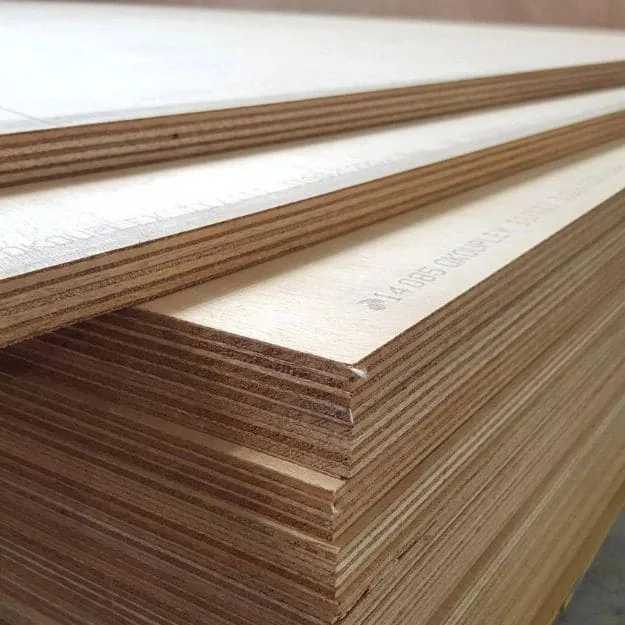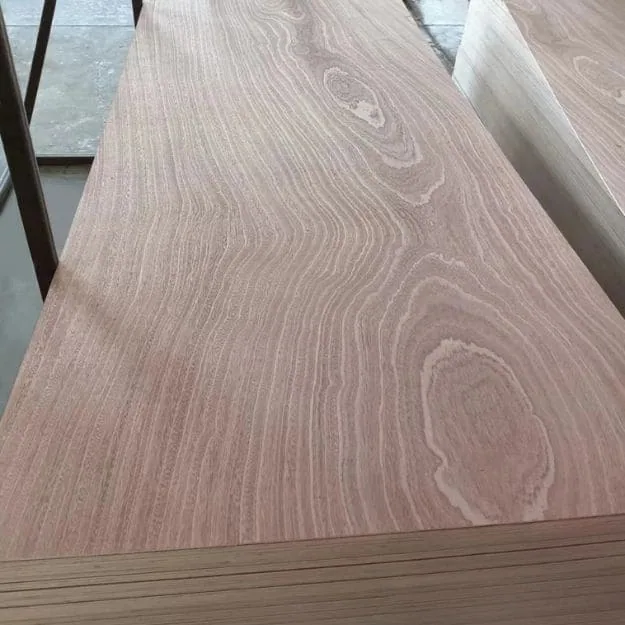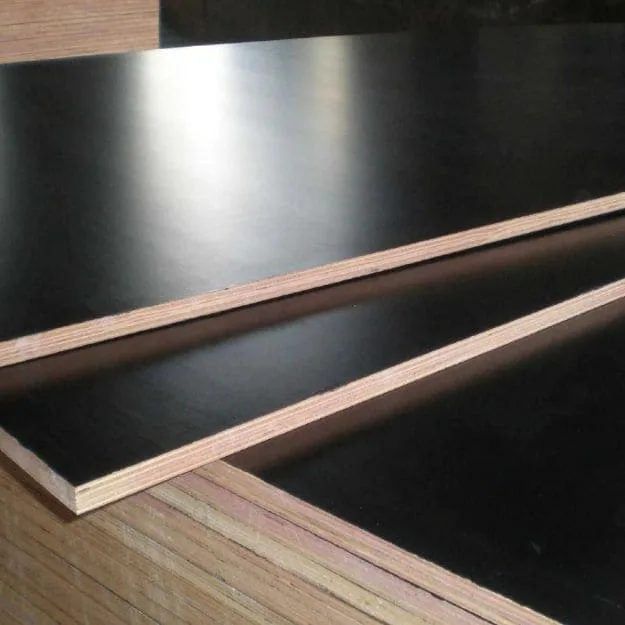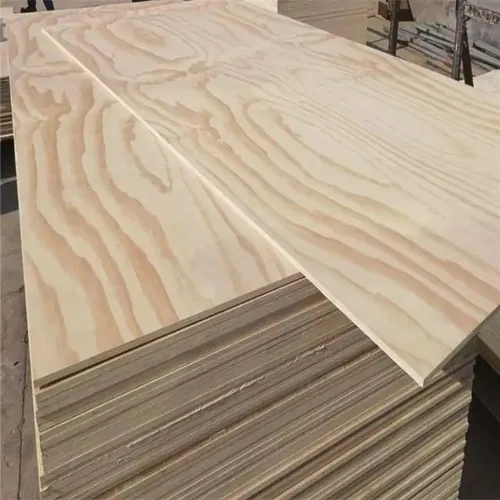
Specifications
Supply specifications
Regular sizes mm · width × length
On request
Other sheet sizes and cut-to-size panels on request.
| Nominal thickness | 3–30 mm |
|---|---|
| Core / substrate | Poplar, birch, eucalyptus or all-pine |
| Face / back grade | BB/CC; C/D |
| Emission grade | E0; E1 |
Application-specific specification checks
Panel construction and finishing
| Pine face | Pine outer veneer selected around furniture, interior or packing components; core species and ply layout specified separately. |
|---|---|
| Face & reverse | Describe the viewing sides, grain direction, colour range, knots, repairs, splits and veneer joints with a representative finished reference. |
| Construction | Request the thickness, core, lay-up, bond, dimensional tolerances and emission option for the required panel item. |
| Finish & workshop | Include the cutting/routing process, actual joints or fixings and your sanding, preparation and coating trial. |
| Part allocation | Mark clearer-face areas and broader-character components on the cut layout; record accepted parts and preparation work. |
Put the face and construction on the same order line.
Choose 3–30 mm thickness, a poplar, birch, eucalyptus or all-pine core, BB/CC or C/D face/back grade and E0 or E1 emission option. State the required lay-up, bond, tolerances and applicable test method so the quotation follows your component and destination requirements.
Request the actual front/reverse veneer gauges, supplied preparation and remaining veneer after the intended sanding/routing process. Record total panel thickness and inner-layer gauges separately with the finished-thickness measurement plan.
Describe the appearance where it will be seen
Use photos or finished pieces to describe acceptable knots, repairs, splits, grain and colour. Mark any clearer-face requirement on the component drawing. Include the reverse face when doors, shelves or open-back furniture can be viewed from both sides.
THREE WAYS TO DEVELOP YOUR PINE PANEL
Make the sample answer your buying question.
Start with the result that matters most: the installed wood appearance, a smooth painted component, or a case built around your packing drawing.
Place the knot and repair range on the part drawing.
Use the grade pair with its grading basis and physical raw/finished reference. Choose the visible features around the full component, then specify core, bond and required performance on their own lines.
Scroll horizontally to compare all columns.
| Face / back | Choose the actual features by position | Review the finished range |
|---|---|---|
| BB / CC | BB face and CC back requested with the grading basis. Describe knot/repair/joint size and position, colour/grain and the reverse face visible in an open cabinet. | Compare representative front/back pieces with your coating and actual edging. Request a BB/CC pine face range |
| C / D | C face and D back requested. Set the permitted features and preparation for covered, painted or packing positions; mark any narrower rail or fitting zone separately. | Trial the intended preparation and finish across the offered range. Request a C/D pine component |
Keep the pine character
Select the grain and knot range with a clear or stained finish. Compare neighbouring faces and the actual edging for a coordinated interior or furniture item.
Develop the finished facePlan the painted surface
Include representative repairs and knots in the coating trial. Compare preparation time and the accepted finished parts when choosing the face selection.
Record the coating and cut trialBuild the packing component
Set the dimensions, joints and fixing detail from the case drawing. Try the complete component against its intended contents and handling requirements.
Prepare the packaging orderSOFTWOOD PLYWOOD · PINE FACE AND CORE OPTIONS
Choose pine by its face and inner layers.
Bring pine grain into your furniture, lining or packing components with a construction that follows the part. CUZI supplies pine-faced plywood and all-pine core plywood. Choose the visible face, inner veneers and finish together, then carry that choice into your sample and container quotation.
Pine and spruce are separate named softwood choices. Request the offered species/origin rather than using the broad softwood label as the material identity. The softwood selection guide helps organise alternative species and face/core combinations.
Open pine-faced and all-pine purchasing routes
Both routes use the Pine Plywood supply range: 3–30 mm nominal thickness, BB/CC or C/D face/back grades and E0 or E1 options. Regular sheets are 1220 × 2440, 1250 × 2500 and 1525 × 3050 mm; request 1220 × 3050, 1250 × 3660 mm or another format around your cut layout.
For sheathing or another specified building duty, provide the required product designation, design properties, bond/exposure class and identification through the structural plywood route. APA’s selection overview explains these separate specification choices.
Choose softwood or hardwood around the finished part
Pine gives you a softwood veneer route; birch, Okoume and other hardwood faces offer different species and appearance choices. Compare them through the required face, core, coating and component trial. Use our softwood and hardwood selection routes to choose a named panel. For building work, carry the required structural grade, bond/exposure classification and documents into the structural plywood inquiry.
For a spruce species requirement, compare the Spruce Plywood route. Give each offer the same part, face/core description, direction, finish and delivery scope.
COMPARE OPTIONS
Your selection at a glance
Face & viewing sides
Choose pine grain, colour and knot/repair range for outward faces, reverse faces and cut edges. Keep the finish reference with the part drawing.
Construction & process
Specify the core, thickness, bond and emission requirement around the component. Trial routing, joints, actual fixings and the intended coating.
Parts & order cost
Compare accepted parts and preparation work from the same cut layout and finish. List each panel item and quantity with the same FOB/CIF scope.
A FINISHED SAMPLE THAT SHOWS THE FACE RANGE
Try the pine detail before you plan the full load.
Request a free sample with the panel thickness, core, face/back selection, emission requirement, intended finish and delivery country. Buyers pay sample freight; a credit towards a later order can be agreed.
- Show the appearance you wantShare the drawing or reference photo and identify visible areas. Ask for representative face features, including the knots and repairs that your finished item can accept.
- Cut and finish a real detailMake the edge, routed profile or fixing detail from the full-thickness sample. Apply your preparation and finish to the same features you will encounter in production.
- Keep the chosen rangeReview the finished part and neighbouring faces. Retain the face range, coating process and component reference with the selected panel description.
Choose a sample size around the component
A small face swatch helps compare colour; a routed rail, hinge area or crate joint needs a different trial piece. Tell us which detail you want to make so the sample dimensions and arrangement can be discussed around that task.
FOLLOW THE SHEET THROUGH CUTTING AND FINISHING
Compare the parts your workshop can use.
Keep the visible-face choice, machining observations and coating result together. This worksheet helps purchasing compare panel alternatives through the same furniture or packaging component.
| Check | Record during evaluation |
|---|---|
| Face character | Viewing sides, grain and colour range, knot/repair size and position, veneer joints and representative photos. |
| Panel construction | Thickness, core and ply layout, measured dimensions, tolerances, bond and emission requirement. |
| Softwood face & inner veneers | Pine face/back identity, chosen core or all-pine inner veneers, layer sequence, veneer thicknesses and retained cut-edge reference. |
| Cut allocation | Part layout, grain direction, trim allowance and components assigned to each selected face range. |
| Edge & fixing | Cut/routed edge, joint fit and actual fixing locations relative to knots, repairs and the component drawing. |
| Coated appearance | Preparation, primer/coating or clear finish, cure conditions, visible-feature result and retained finish reference. |
| Usable components | Accepted parts from the trial layout, preparation work, selected panel item and repeat-order reference. |
Compare preparation work with the accepted part count
Use the same drawing, cut layout and finish for each face selection. Record time spent on filling, sanding and coating as well as the parts you accept. Compare those observations with the quoted sheet and shipment costs when choosing the panel for the run.
THE PANEL DESCRIPTION BEHIND YOUR FINISHED SAMPLE
Documents for your pine panel.
Include the destination, application and required standard in your document request. Name the thickness, core, face/back grade, bond and emission requirement, with the part drawing where machining or fixing details determine the selection.
Ask for the complete material, not only a species label.
Scroll horizontally to compare all columns.
| Information | Request the model and method with the result | Ask for the selected file |
|---|---|---|
| Species / layers / finish | Offered pine species/origin, front/reverse gauges, full inner species/ply/bond schedule, grade/basis/range and supplied preparation; measured finished dimensions and sample reference. | Include intended sanding/routing and complete coating/fitted detail. Request pine veneer and finishing data |
| E0 option | Selected E0 construction/model and required test method/conditions/results, destination and covered material range. Keep separate finished-article requirements with the project. | Identify the chosen core and item with the method request. Request E0 pine information |
| E1 option | Selected E1 model/lay-up and relevant emission method/results, lot/item scope and destination; include actual added coating/adhesive/assembly requirements. | Match the file to the construction you are purchasing. Request E1 pine information |
Develop the finish with the coating supplier's instructions
The USDA Wood Handbook chapter on finishing explains that finish selection depends on the desired appearance, protection, cleanability and wood properties. Use that background with your coating supplier's preparation and application instructions, then review the actual pine veneer and edge after the stated cure.
Product data & reports to request
Request a technical data sheet covering:Face/back grade, core species and lay-up, bond, thickness tolerance and the agreed surface finish.Include these specification details:- Pine face and reverse-face descriptions, core species, ply layout and veneer thickness.
- Dimensions, tolerances, bond and emission information for the selected construction.
- Appearance range, finished trial references and any project-specific product or packing requirements.
Company documents to view
FSC chain of custody Wood panels · purchase & salesISO 9001 & ISO 14001 Management systems · stated sales activitiesEN 13986 plywood document Non-structural scope · listed modelsUse these for supplier qualification; match product performance to the proposed panel’s technical documents.Furniture & interior panels: what to match
- Technical data
- Face/back grade, core species and lay-up, bond, thickness tolerance and the agreed surface finish.
- Emissions
- For covered hardwood plywood entering the US, request TSCA Title VI certification or applicable exemption documentation, with producer and product identification. For other markets, specify the required emission class and test method. For European furniture and wood-based articles, include the applicable REACH Entry 77 / Appendix 14 emission requirements.
- Sample match
- Connect the data sheet and reports to the proposed construction, thickness and sample reference.
BEFORE YOU ORDER
Ordering information
- Minimum order
- 1 container
- Regular lead time
- 10–15 days
- Samples
- Free samples
- Quotation terms
- FOB / CIF
Sample freight & order notes
- Minimum order: Mixed loads available.
- Regular lead time: Production; shipping time is additional.
- Samples: Buyer pays freight; credit available on a later order.
- Quotation terms: Name the port in your inquiry.
THE RIGHT FACE SELECTION AT THE RECEIVING WORKSHOP
Carry the item codes from the order to the cutting bench.
Agree bundle labels for thickness, construction, grade and quantity, separating visible furniture faces from packaging material. Include any pack-size or weight limits and the handling method at your warehouse. Discuss face, corner and edge protection with the packing arrangement.
Regular production guidance is 10–15 days, with transport additional. Name the shipment port for FOB or the destination port for CIF and your target receiving date. Confirm the item and shipment schedule with the quotation.
Include your destination and receiving requirements when preparing the delivery brief. Keep the same item references on the packing list, receiving record and workshop schedule. Use the grain-oriented cutting list and the receiving/storage guide with the selected panel and finish range.
Review the shipment before allocating the sheets
Match labels and quantities to the order and record pack condition before processing. Compare representative faces with the selected finish range, note damaged corners or fixing areas, and keep observations tied to the bundle and component reference.
PINE PANELS FOR THE PRODUCTS YOU MAKE
Give pine character a place in your design.
A pine-faced cabinet, a painted interior panel and a packing case ask different things of the same sheet. Start with the finished part: what people will see, how your workshop will cut it and where the fixing will go.
For furniture and interior work, select the grain, colour, knots and repairs around the viewing surfaces. A feature that gives a broad wall panel its character may need a different location on a narrow rail or beside a hinge. Include the reverse face and exposed edges in the brief so your panel choice follows the whole component.
CUZI supplies pine plywood in 3–30 mm with poplar, birch, eucalyptus or all-pine cores, BB/CC or C/D face/back grades and E0 or E1 emission options. Choose the sheet format around your cut layout, then use a finished sample to settle the appearance before the container order.
Pine on the outside, or pine through the panel?
The available range is 3–30 mm. The 18 mm requests below provide a common construction comparison; put your own drawing gauge on the inquiry. Hold the finished dimensions, face selection and process comparable when reviewing the inner lay-up.
Scroll horizontally to compare all columns.
| Construction | What the material description includes | Compare the working sample |
|---|---|---|
| Pine / poplar core | Pine front/reverse with poplar inner construction. Specify the offered pine species/origin and each inner veneer layer separately. Keep the full ply/bond schedule and finished dimensions with the quoted item. | Try the same drawing, cut edge, fittings and finished face range. Request a pine/poplar trial |
| Pine / birch core | Pine front/reverse with birch inner construction. Specify the offered pine species/origin and each inner veneer layer separately. Keep the full ply/bond schedule and finished dimensions with the quoted item. | Try the same drawing, cut edge, fittings and finished face range. Request a pine/birch trial |
| Pine / eucalyptus core | Pine front/reverse with eucalyptus inner construction. Specify the offered pine species/origin and each inner veneer layer separately. Keep the full ply/bond schedule and finished dimensions with the quoted item. | Try the same drawing, cut edge, fittings and finished face range. Request a pine/eucalyptus trial |
| All-pine construction | Pine front/reverse and pine inner veneers. Identify the offered pine species/origin and species/gauge/order of every layer. Keep the full ply/bond schedule and finished dimensions with the quoted item. | Try the same drawing, cut edge, fittings and finished face range. Request an all-pine trial |
- Visible surfaces
- Identify the outward face, reverse face and cut edges on the furniture or interior drawing.
- Pine appearance
- Give the grain direction, colour range and permitted knot, repair and veneer-joint features for each part.
- Panel construction
- Specify thickness, core species, lay-up, dimensional tolerances and the required bond.
- Workshop process
- Include the cutting, routing, fastening, surface preparation and finish used on the component.
- Finished reference
- Keep representative coated or clear-finished pieces showing the appearance range you selected.
- Shipment brief
- List quantities by item, other panels for the mixed load and the FOB or CIF port.
For a complete case-panel schedule, use our packing plywood sheets and cut-part routes. Keep the selected pine construction with the case drawing, fixing detail and handling trial.
FROM THE VISIBLE ROOM SURFACE TO THE WORKSHOP PART
Choose pine around the job it will do.
Scroll horizontally to compare all columns.
| Buying route | What the component trial should show | Request that trial |
|---|---|---|
| Clear / stained interior | Representative grain/colour, knots/repairs/joints on neighbouring faces, actual coating/sheen and edging under project light. | Carry the selected range into the complete visible detail. Request a clear-or-stained pine trial |
| Painted joinery | Permitted knots/repairs, supplied preparation, actual filling/primer/topcoat and stated cure; edge/joint and finished appearance. | Use the coating supplier’s process on representative features. Request a painted pine trial |
| Machined / fitted component | Front/reverse gauges, cut-core lay-up, routed profile/hinge recess, restricted feature zones, actual fitting and banded or lipped edge. | Review the finished dimensions and fitted detail. Request a routed-and-fitted pine trial |
| Packing case parts | Case drawing/contents, part dimensions/grain, joint/fastener layout and required handling trial for the complete case. | Keep the selected panel with the designer’s case brief. Request a pine case-component trial |
For specified building work, use the structural plywood route with the required product grade, design properties and documentation. Keep that item clearly identified alongside general furniture or packaging stock.
A PAINTED STORAGE UNIT WITH A VISIBLE PINE DETAIL
Select each viewing surface around the furniture design.
A storage unit combines painted sides with a clear-finished pine back visible through open shelves. Mark the viewing faces, shelf joints, narrow rails and hinge areas on the drawing, then choose the appearance range for each component.
Make the paint trial across representative knots and repairs using the actual preparation and coating. Lay several clear-finished back-panel pieces together to review grain, colour and joints. Cut the rail and hinge detail, keeping the face features and fixing positions in the same trial record.
Use the accepted pieces to allocate the cut layout and estimate preparation work. Send the selected panel items, finish references, quantities and receiving date with the inquiry so the quotation follows the product you will manufacture.
Give the finished surface and the working zone separate references.
In an illustrative storage-unit schedule, F01 is a clear-finished pine back, P01 a painted side and H01 a routed hinge/rail detail. Review F01 with its visible grain/knot range, apply the actual coating process to representative P01 features, and mark the restricted feature and fixing zones on H01’s drawing.
Try those parts on the proposed full lay-up with the intended hardware and edge treatment. Quote quantities by component and keep their appearance, preparation and machining references with the cutting schedule.
Discuss your feature and fitting zonesPINE ITEMS THAT FIT YOUR PRODUCTION PLAN
Organise the load by the parts you manufacture.
Orders start at one container, with mixed loads available. Separate each pine item by thickness, construction, grade, emission option, dimensions and quantity, then add your other plywood or MDF requirements.
Furniture and interior programs
Use separate item codes for visible wood, painted components and concealed panels. Keep the chosen appearance range with each code so purchasing, cutting and finishing work from the same reference. For a uniform routed paint surface, compare plain MDF through the same component process.
Packaging production runs
Attach the case drawing, part dimensions, fastening schedule and expected handling to the item. Run a trial case with its intended contents and the designer's specified checks. Give the case quantity and cutting layout so the panel requirement can be priced for the run.
Keep packing and furniture grades separate in a mixed load
Label the grades and intended runs individually even when dimensions coincide. Set any selected outward-face requirement on the packing or furniture drawing and carry those item codes onto the bundle labels and cutting schedule.
YOUR PINE PLYWOOD PROCUREMENT QUESTIONS
Move from the pine surface to a workable panel order.
What does softwood plywood mean when I buy pine panels?
It is a species description for a softwood veneer construction. For this pine range, name the pine face/back and inner core separately. Select the 3–30 mm thickness, BB/CC or C/D face/back grade and E0 or E1 option alongside the bond, dimensions and intended use.
Can CUZI supply all-pine core plywood?
Yes. Request all-pine inner veneers with your pine face/back selection. Include the required layer arrangement, thickness and component drawing; use the all-pine sample or quotation path to keep that core choice in your request.
How do I compare softwood plywood with hardwood-faced plywood?
Start with the surface appearance and finished component. Keep the face grade, core, thickness, bond and coating comparable, then record the cut edge, joint fit and accepted parts. A species category alone does not establish a panel’s mass, structural grade or exterior-use classification.
How do I specify pine-faced plywood?
Specify the pine face with a poplar, birch, eucalyptus or all-pine core. CUZI supplies 3–30 mm thickness, BB/CC or C/D face/back grades and E0 or E1 options. Include the required lay-up, bond and tolerances with your drawing or panel list.
Which sheet formats can I request?
Regular plywood sizes are 1220 × 2440, 1250 × 2500 and 1525 × 3050 mm. Request 1220 × 3050, 1250 × 3660 mm or other formats when the cut layout needs them. Give the grain direction and usable component dimensions.
How should knots and repairs be described?
Show the accepted range in photos or finished samples, including size and location. Mark any restricted areas near a routed edge, narrow part or fixing, with a separate description for the reverse face.
Can pine plywood be used for a clear-finished interior?
Develop the appearance through the proposed veneer and coating. Compare several representative faces with your edging, orientation and joint layout before selecting the range for the room or furniture item.
Can I paint over pine veneer?
Trial your coating supplier's recommended preparation, primer and topcoat over the permitted knots, repairs and grain. Review the finished sample after the specified cure and retain the process with the selected face range.
What should a routing or fixing sample include?
Use the offered full-thickness construction with the actual profile, joint and hardware position. Include representative face features near the working detail and record machining, fit and finished appearance.
What details help quote plywood for a packing case?
Provide the case drawing, contents, part dimensions, fixing layout and handling brief. Include quantity, destination and the designer's required performance or verification for the complete case.
How can I compare the cost of two face selections?
Cut the same component layout and use the same finish. Record accepted parts and preparation work for each selection, then compare those results with the panel price and the same FOB/CIF scope.
Can I request a free pine sample?
Yes. Send the required construction, appearance, intended process and delivery country. Samples are free; the buyer pays freight, with a credit towards a later order available by agreement.
Can pine plywood share a container with other panels?
Yes. The minimum order is one container and mixed loads are available. List each thickness, grade, construction and quantity separately alongside the other plywood or MDF items.
How long should I allow for an order?
Regular production guidance is 10–15 days plus transport. Give the selected panel list, shipment or destination port and receiving target so the proposed production and delivery dates can be confirmed with your quote.
Does a pine or softwood label specify a structural panel?
Name the required product designation, grade, design properties, bond/exposure classification and supporting records for the building duty. Use the structural panel inquiry for that brief while specifying pine species and full lay-up separately.
How do I put face features near a hinge or narrow rail?
Mark the actual part, routing and fixing zones on the drawing. Describe the allowed feature sizes and positions for that part, then trial the fitted detail with the offered veneer gauges, inner construction and finish.
Which material file supports my E0 or E1 request?
Include the required method/conditions, offered model and covered construction with the destination and any separately specified finished-article requirement. Request the selected emission information with the item reference.
How should I quote the next production run?
Keep the original full veneer/core/bond schedule, grade/basis and physical finished range with the component drawing and coating process. Identify changes, quantities and named FOB/CIF port in the repeat pine inquiry.
Can pine plywood be used structurally?
Only when the exact panel has the required structural grade and documentation for the design. Pine describes the wood species, not a structural rating.
LET'S PLAN YOUR NEXT PINE PLYWOOD ORDER
Send the part, face reference or panel list you have.
Start with the application, construction, quantity and destination. Add the visible-face range, component drawing and intended finish when requesting the sample and item quotation.
Open the pine plywood inquiry outline
Project / use: [furniture, interior lining, painted joinery or packaging; destination].
Minimum order / mix: one container; [pine items and other mixed-load quantities].
Regular sheet sizes: 1220 × 2440, 1250 × 2500 or 1525 × 3050 mm.
Sizes on request: 1220 × 3050, 1250 × 3660 mm or specified cut components.
Construction: 3–30 mm; poplar, birch, eucalyptus or all-pine core; [selected thickness/core, lay-up, bond and tolerances].
Softwood construction: [offered pine species/origin on face/back; named inner species or all-pine, layer/gauge/bond schedule].
Veneer gauges / preparation: [front/reverse gauges, supplied preparation and remaining veneer after actual sanding/routing; total panel gauge separately].
Face / back: BB/CC or C/D; [grading basis, viewing sides and retained physical pine grain/colour/knot/repair range].
Emission option: E0 or E1; [destination, required method/conditions/results and matched model/material scope; finished assembly separately].
Knots / repairs: [permitted size, location, veneer joints and clearer-face parts].
Components / fixing: [drawing, grain direction, routed details, joints and actual hardware].
Preparation / finish: [sanding, filling, primer/coating or clear finish and cure conditions].
Sample / trial: [representative features, finished appearance, fit and accepted component count].
Order / repeat: [quantities by construction, retained appearance/finish/process and item/drawing references, changed requirements].
Comparable quotations: [same species/full lay-up/gauges, grade/basis, bond/emission, dimensions, supplied preparation/finish, usable components and named port].
Delivery: [pack labels, FOB shipment port or CIF destination port and target receiving date].
For a smooth painted routed component, compare plain MDF with the same drawing and finish. For building work, prepare the required grade and documents through the structural panel page.