PLYWOOD & MDF MANUFACTURER INTERNATIONAL B2B SUPPLY
FSCISO 9001ISO 14001EN 13986
PLYWOOD & MDF · CUZI INDUSTRY
Plywood & MDF product range
Standard panels, custom finishes and mixed-container orders.
Source plywood and MDF for furniture, interiors and construction. Find your panel, compare its specifications and start with a free sample. Bring the selected items together in one container order.
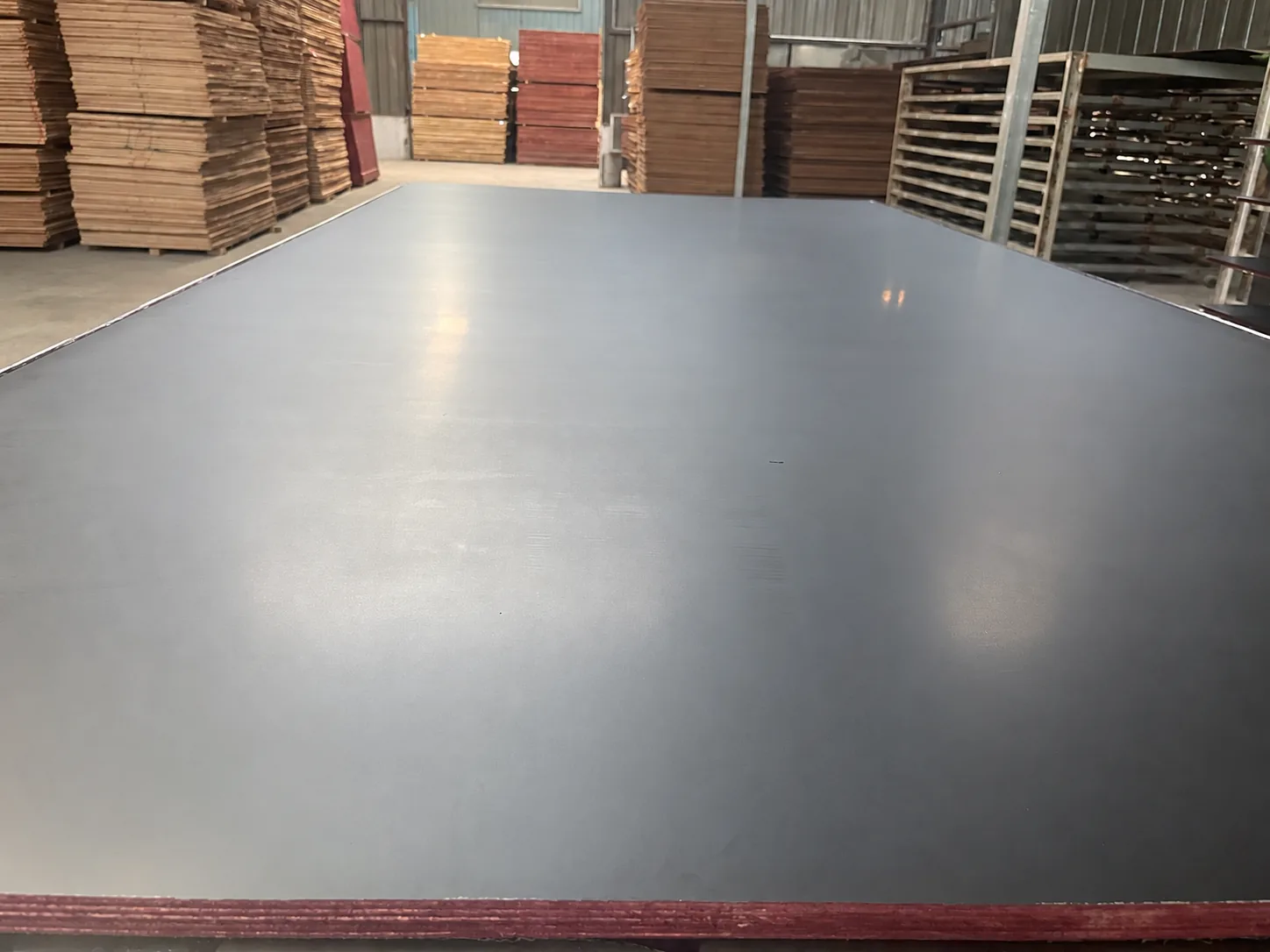
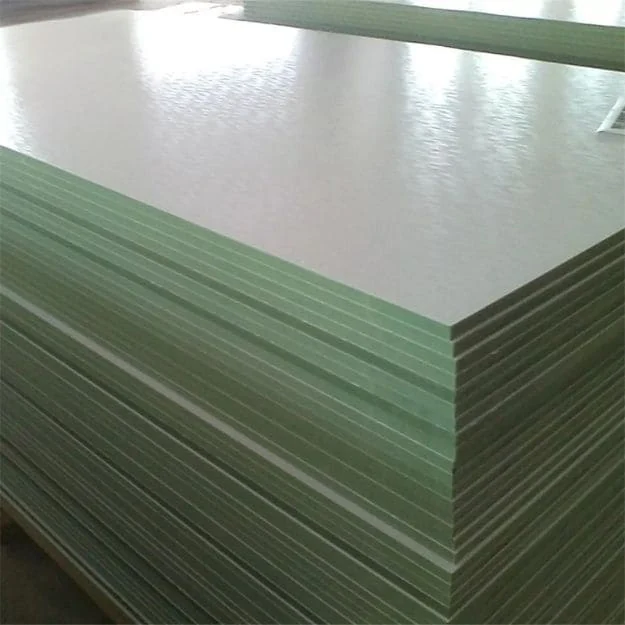
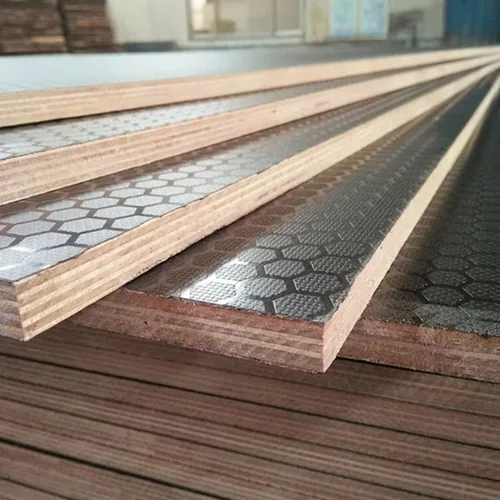
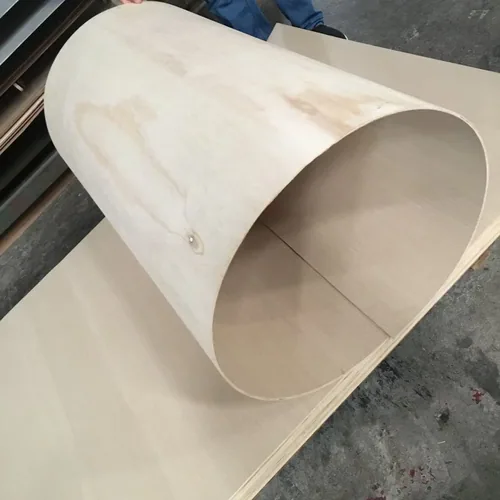
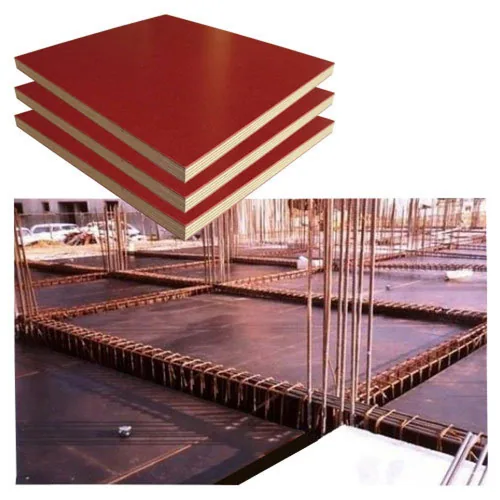
Plastic coated plywood, plastic faced plywood, PP coated plywood, PVC coated plywood, forming panels, washable linings and fabricated components; material and working requirements specified for the project
Plywood and MDF for US furniture and interior projects. Discuss TSCA Title VI and CARB Phase 2 requirements with your panel type, finish and container mix.
CE plywood & EN 13986
Plywood for European construction and interior projects. Discuss CE marking and EN 13986 requirements with your panel construction, intended use and delivery plan.
COMPARE BEFORE YOU QUOTE
Compare panels side by side
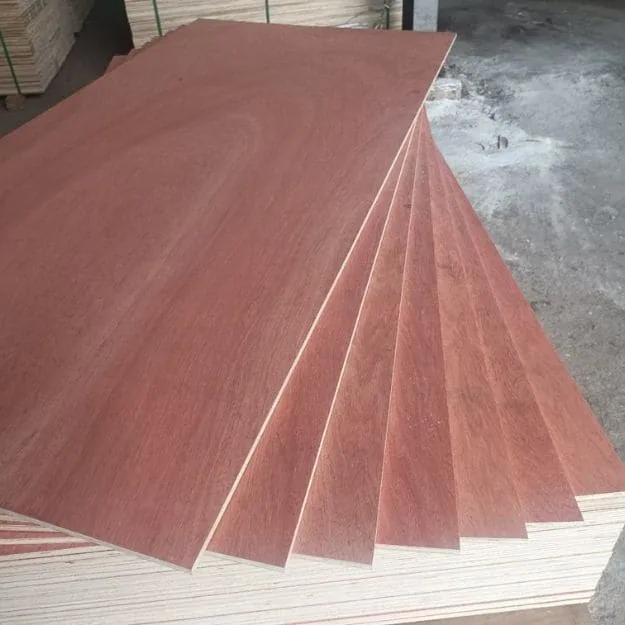
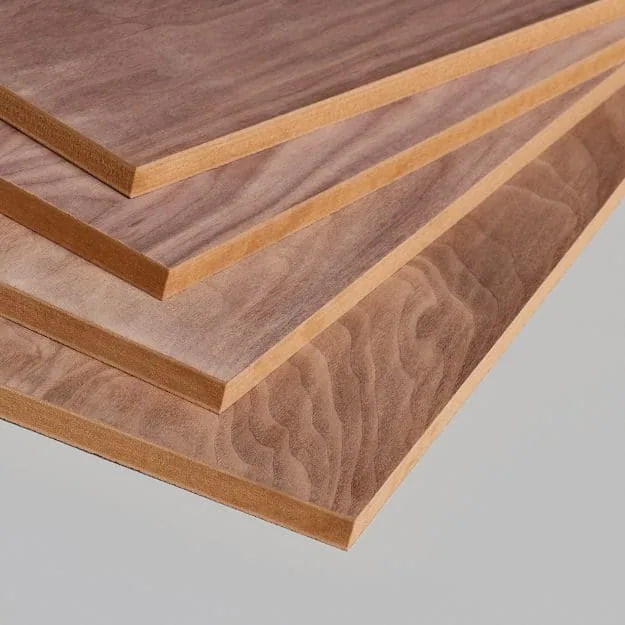
Two good options? See how they compare. Check sheet sizes, available specifications and sample priorities, then ask for one quotation covering your shortlist.
Sizes and thickness are in mm. Listed ranges guide selection; the quotation confirms the exact grade, construction and finished tolerance.
Ask about options for this panel.Confirm for order
Ask about options for this panel.Confirm for order
Emission grade
E1; E0Listed option
E1; E0Listed option
Typical applications
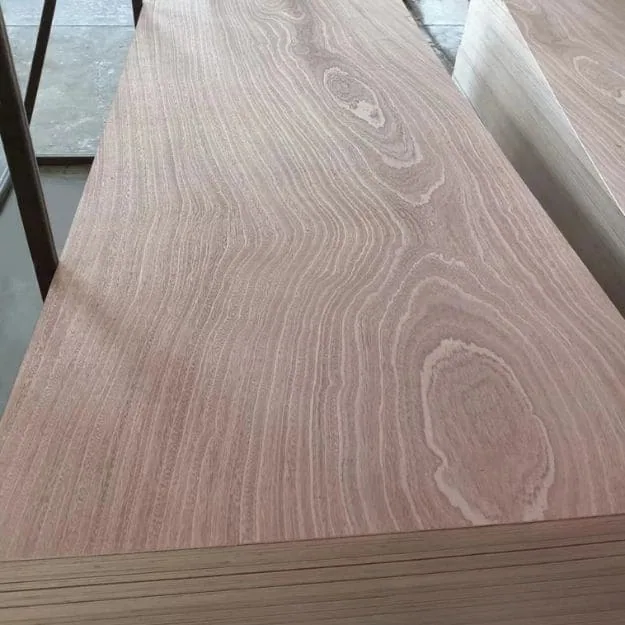
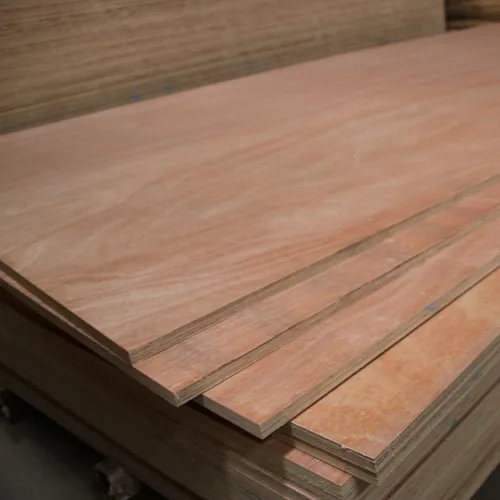
Furniture, partitions, general fabrication; eucalyptus core and combi plywood requirements; packing plywood sheets and case components
Furniture, cabinetry, CNC components
Specification priorities
View details
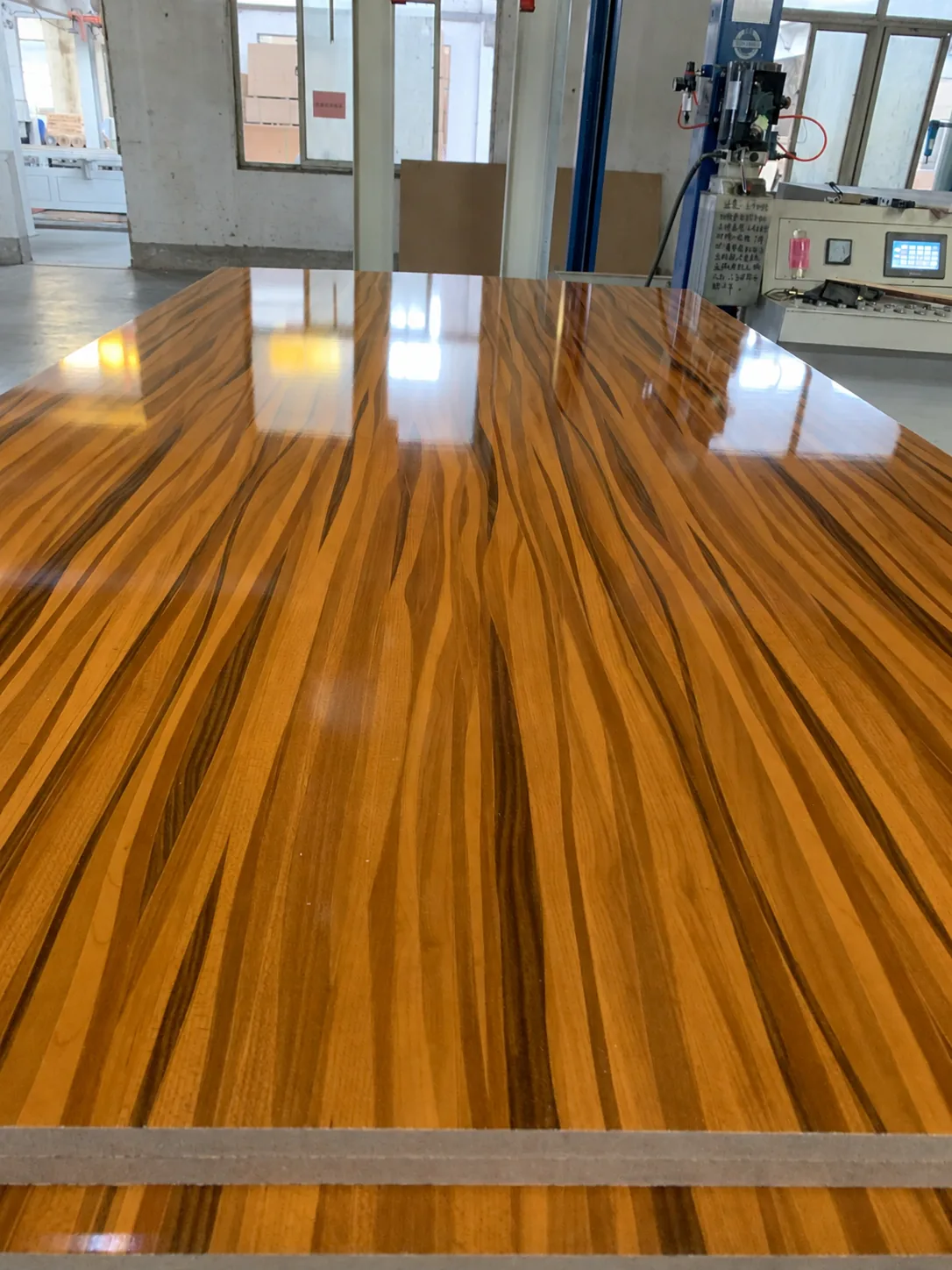
Face & finish: Choose the visible veneer, reverse face and finish around your component. Mark covered surfaces and exposed edges on the drawing.
Core & machining: Include the core, lay-up, required thickness and joint fit. Trial a representative cut, edge and fitting with the proposed construction.
Container mix: List the constructions, sizes and quantities by item. Keep the chosen samples, pack labels and delivery terms with the quotation.
View details
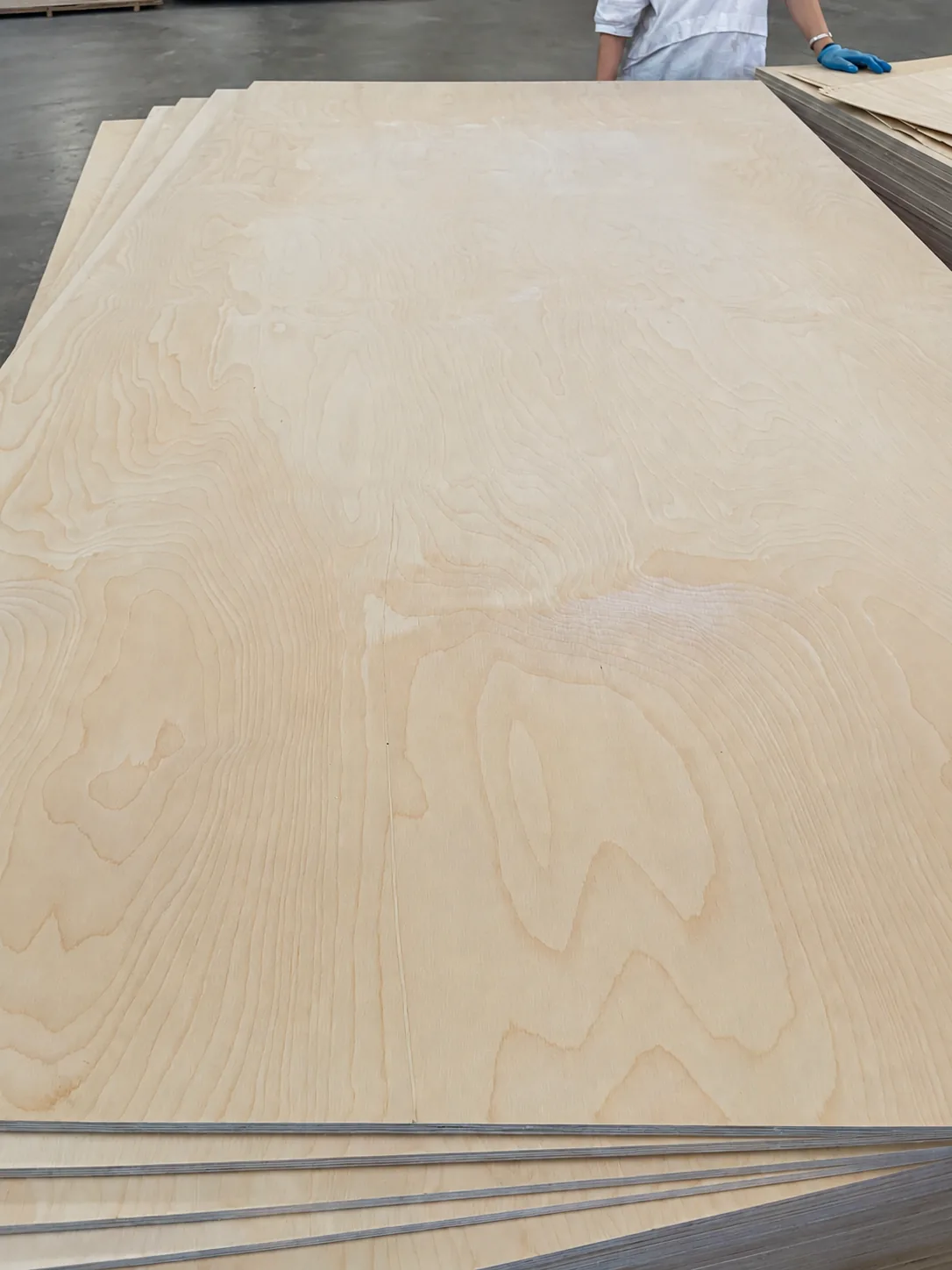
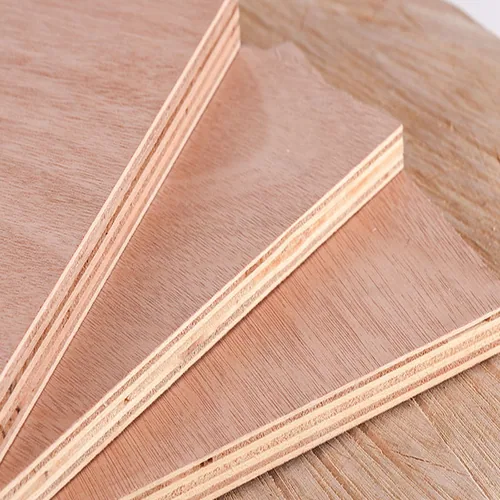
Thickness & core: 3–30 mm nominal thickness, with poplar, birch or eucalyptus cores. Match the construction to your component and exposed-edge design.
Appearance grades: BB/CC and C/D face/back options. Discuss the grading basis and a sample for the viewing surfaces of your product.
Emission options: E1 and E0 options. Include the required test method, application and destination when requesting the proposed panel’s documents.
Go from the panel range to test results and the documents for your proposed order. Each material route connects the report with its product page and data request.
Plywood reports
Compare birch shipment records, marine bonding, faced-panel performance and fire propagation around your selected construction.
MDF reports
Find RAW MDF physical properties and SGS formaldehyde results for standard and moisture-resistant MDF.
Your order & destination
Keep the required test method, product identity and destination with each quotation line. Use inspection records when planning receiving.
Grades, thicknesses and delivery stages need coordination
Use item codes and separate the sample, packing and quantity for each stock line.
On this page
OTHER PANELS & DRAWING-BASED PARTS
Bring the material or component your project specifies.
CUZI can supply HDF, OSB and particleboard alongside project component orders. Choose the route below, then send the material designation or drawing, dimensions and quantity. The quotation identifies the proposed construction and delivered scope.
HDF · PROJECT SUPPLY
HDF for backing panels and furniture components.
Tell us what you are making. We can quote HDF to suit your thickness, size, machining and finish requirements.
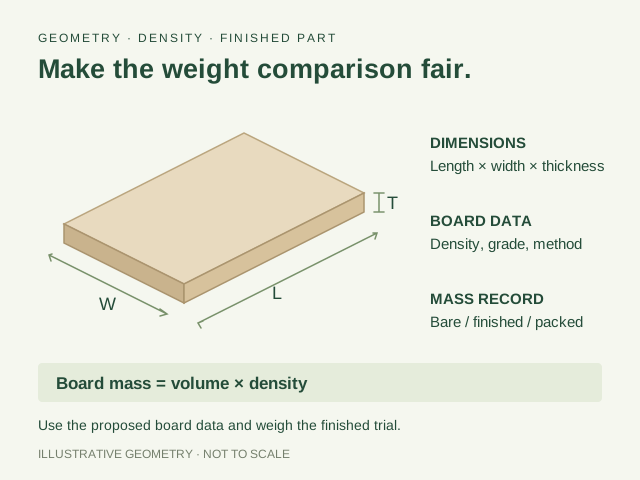
Start with the finished part and the board properties it needs. If weight or density matters, include your target and how it will be measured so we can compare suitable options.
HDF purchasing brief
Board type
HDF designation, required process/grade, proposed construction and destination.
Dimensions and mass
Thickness, format, tolerance, density or measured-mass requirement and measurement conditions.
Surface and component
Bare or requested face/reverse, cutting/routing, edge, groove, fitting and final finish.
Documents and trial
Required emission, moisture/mechanical or other methods, tested construction and representative working sample.
Try the cut or routed edge with your fittings and finish. For backing panels, check the fit in the frame or groove after finishing.
Compare Plain MDF or explore cutting and routing with MDF Machining. Tell us which board you prefer for your parts.
I would like a quotation for HDF.

Application / destination:
Thickness / size:
Density or weight target, if needed:
Surface / machining / finish:
Samples or documents needed:
Quantity / delivery port / required date:
Share your OSB grade, thickness, size and destination. For floors, roofs or walls, include your drawing and the panel direction, supports and fixings it requires.
OSB is made from oriented wood strands. Choose the grade and panel direction for the intended use and exposure. Structural projects also need the design properties and product documents specified by the project designer.
OSB purchasing brief
Panel requirement
OSB designation/grade, bond/exposure, application and destination documentation.
Dimensions and orientation
Thickness, format, tolerances, direction, square/profiled edges and component layout.
Design and fitting
Required properties, supports, joints, fasteners, finish and installed construction.
Documents and trial
Relevant methods, results and tested panel scope, with an appropriate working sample or defined specimen.
Try the joint, edge profile, fixings and finish on a sample of the selected panel, using the orientation and supports in your drawing.
The APA OSB overview explains oriented strands and panel direction. For a plywood alternative, use Structural Plywood with the same required grade, design and document scope.
I would like a quotation for OSB.

Application / destination:
OSB grade / thickness / size:
Panel direction, supports and fixings:
Performance or project documents needed:
Sample requirements:
Quantity / delivery port / required date:
Particleboard for furniture and interior components.
Share your component drawing, board type, size and finish. We can discuss particleboard supply and the processing you need.
Choose the board type for your furniture or interior use, including any moisture or emission requirement. For finished parts, include the face, reverse and edge treatment.
Particleboard purchasing brief
Board type
Particleboard designation, intended use, moisture/mechanical and emission requirements.
Finished dimensions
Thickness, sheet/part size, tolerance, cutting layout and part/drawing code.
Facing and edges
Required face/reverse, decor master, bonding, edge band or other finished-edge detail.
Hardware and data
Actual holes/fixings, joint trial and required product methods/documents for the selected construction.
Try a sample with your cutting tools, edge band, adhesive and hardware. Check the finished edge, drilled holes and assembled joint, then keep the sample for your order.
Compare the complete furniture component with Melamine MDF or Melamine Faced Plywood. Use the same dimensions, decor, edge and hardware detail for each material offer.
I would like a quotation for Particleboard.

Application / destination:
Board type / thickness / size:
Facing / reverse / edge finish:
Cutting, drilling or other processing:
Samples or documents needed:
Quantity / delivery port / required date:
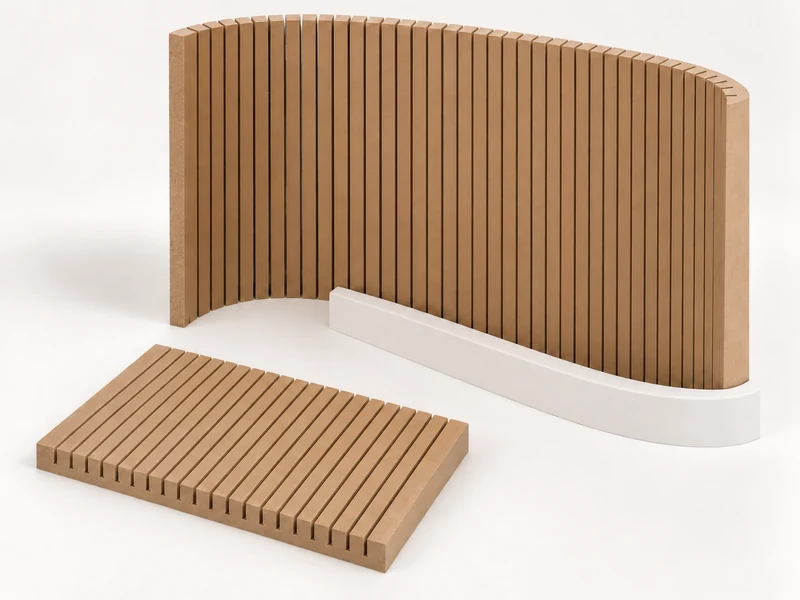
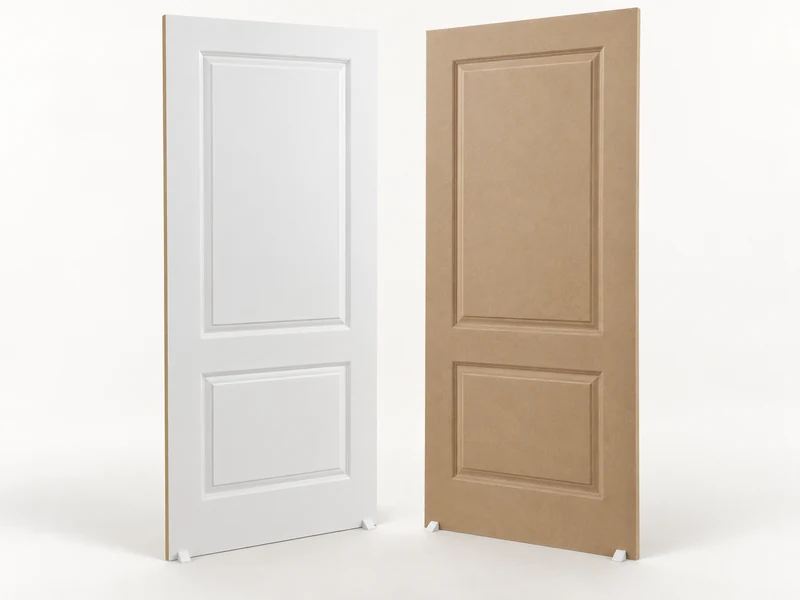
Send your cabinet-door, moulding, skirting or other MDF component drawing. We can discuss the material, processing, finish and quantities for your project.
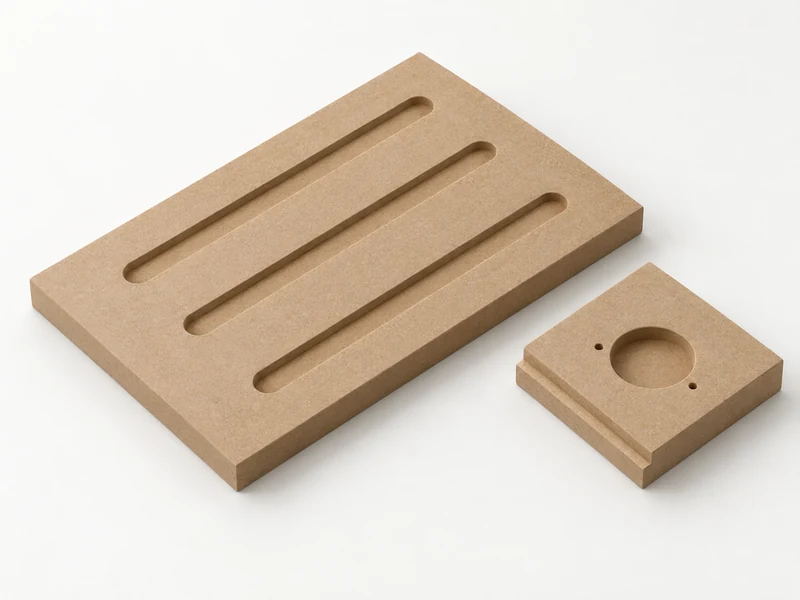
Tell us whether you need cut blanks, routed profiles, prepared surfaces or finished parts. Include the board type, finished dimensions, tolerances, visible faces and edges. List any hardware or assembly work you also need.
Finished MDF Components purchasing brief
Model and drawing
Cabinet-door part, moulding/skirting/baseboard profile or other component; drawing/master and revision.
Substrate and dimensions
Required board, final thickness/geometry, datum, tolerances, cut/routed features and hole positions.
Finish and processing
Bare, prepared or requested finish; face/reverse/edges and the operations included in the quotation.
Sample and order
Representative finished-detail trial, quantities by model/part, labels, packing and project schedule.
Try a sample with the adjoining parts, hardware and finish. For mouldings, share a profile drawing or physical sample; for door components, include the frame and visible edges.
I would like a quotation for Finished MDF Components.

Component / destination:
Drawing or model / quantities:
Board type / finished dimensions / tolerances:
Cutting, routing, preparation or finishing needed:
Sample and document requirements:
Quantity / delivery port / required date:
Build one item list for your plywood, MDF and other panel requirements. Give each item its size, quantity, finish and destination needs. Use the same finished-part requirement to compare alternatives, then retain the selected panel and sample reference for repeat orders.
Board orders start from a one-container minimum, with mixed loads available, free samples and FOB/CIF quotations. You pay sample freight, which is credited in full against your formal order. Regular board production guidance is 7–15 days, with shipping additional. Component trials, processing and project schedules follow the quoted job.
At receipt, match labels to the selected material, drawing revision and packing list. Keep dimensional, surface and fitting observations with the item before fabrication or assembly.
Open the project panel and component trial record
Project material and delivered-part trial record
Check
What to record
Material / part identity
HDF, OSB, particleboard or component designation, drawing/model and sample reference.
Dimensions / construction
Measured format/thickness, tolerance, direction, actual substrate and delivered scope.
Working detail
Cut/routed edge, joint, holes, actual hardware, facing/coating and representative conditions.
Required data
Relevant method, conditions, tested construction, destination and product/project requirement.
Decision / repeat item
Chosen material/master, drawing revision, acceptance criteria, observations and follow-up action.
Order / receipt
Quantities, labels, packing scope, receiving checks and retained sample reference.
A painted cabinet door, a visible wood edge or a concrete form needs a different starting point. Find the route closest to your project.
Should I choose plywood or MDF?
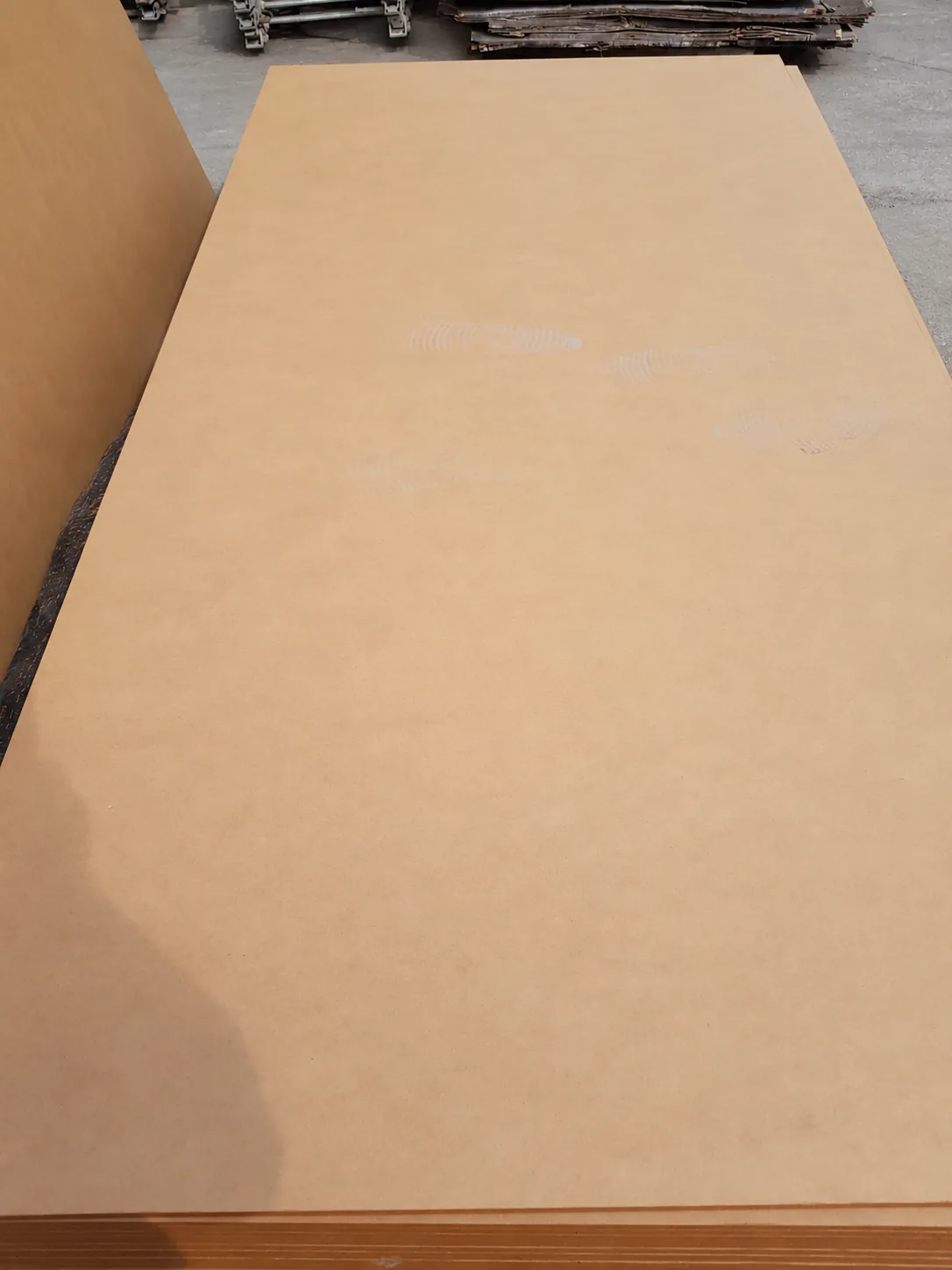
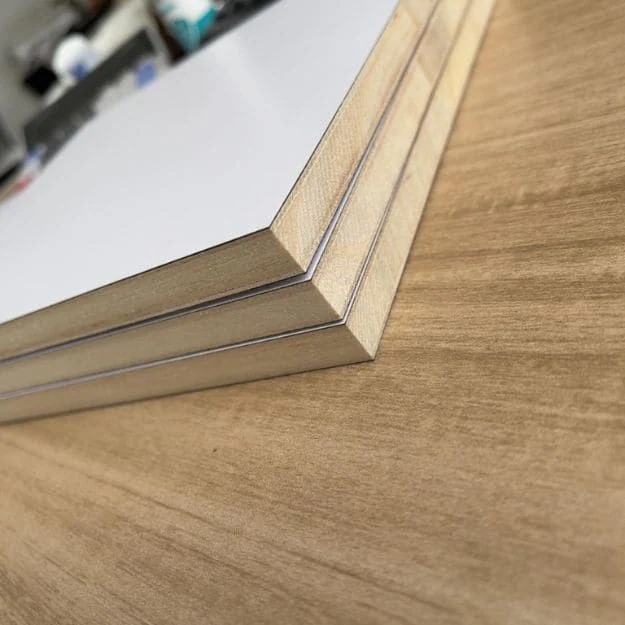
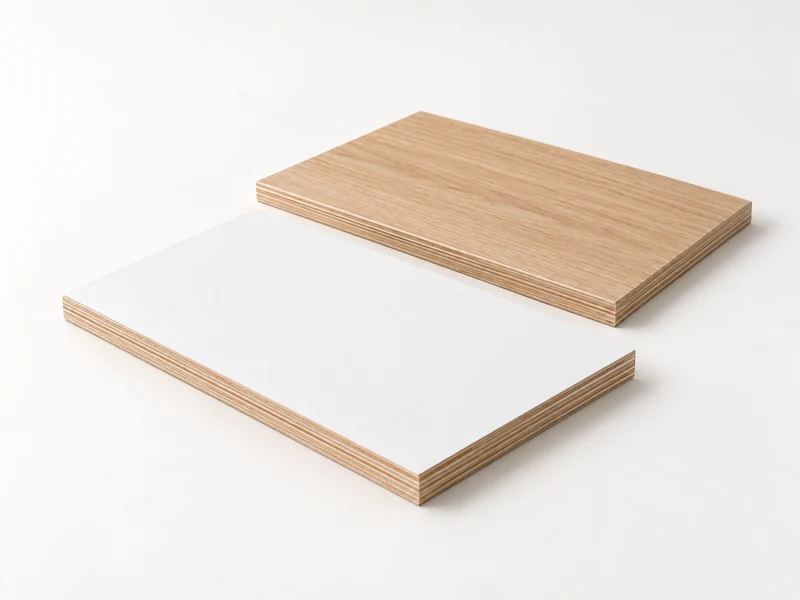
MDF suits smooth painted and routed interior components; plywood provides a veneer-based construction and a layered edge. Choose around your finished part, surface and workshop process. Compare MDF, plywood and particleboard, or use our panel comparison to put a shortlist together.
Which panels suit moisture-prone interiors?
For furniture and interior components, explore HMR / MR MDF. For plywood projects, compare exterior-grade plywood and the intended exposure. Tell us how the panel will be used and finished.
How do I source panels with TSCA Title VI or CE requirements?
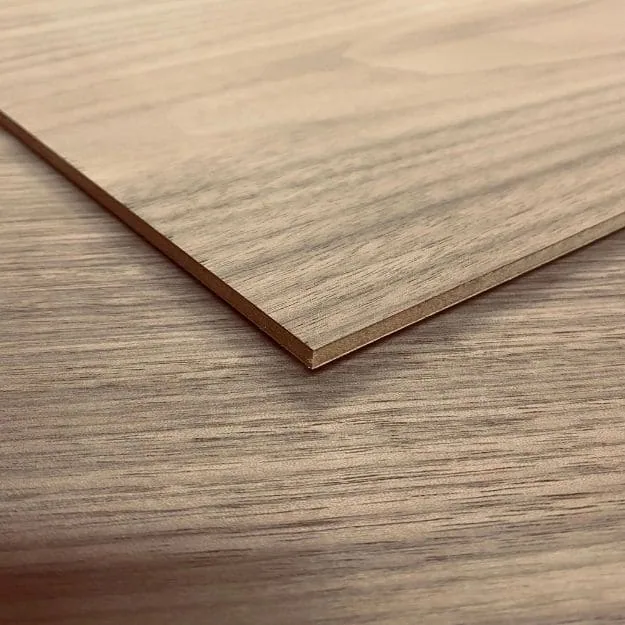
The face gives your product its appearance; the core is part of the construction you cut, join and finish. A birch face can sit over poplar, birch or eucalyptus. Tell us which surfaces will be seen and how your workshop will process the panel.
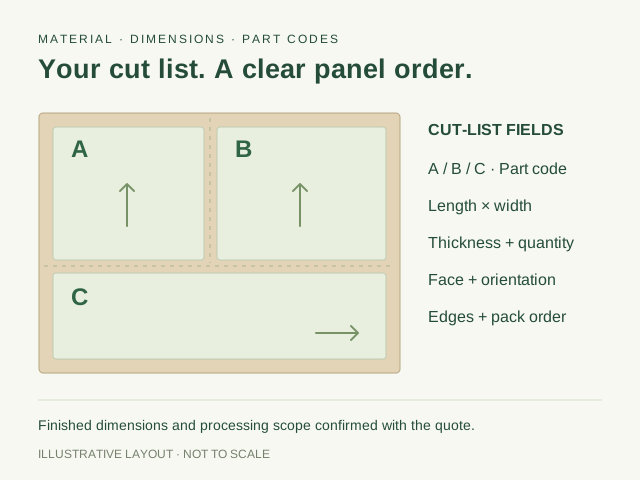
Share sheet sizes and finished-part dimensions separately. Use the quantity calculator to work out panel area and volume, then discuss the cutting list, grain direction and trim allowance with your inquiry.
One inquiry. Your panel shortlist.
Add the products you want to discuss, then review them on the inquiry page. A product name, approximate quantity and destination are enough to start. Send drawings or finish references by email when they’re ready.
Choosing between plywood and MDF? Our plywood versus MDF comparison helps you connect the material choice to machining, painted faces and exposed edges.
Make the sample work for you.
Try the feature that matters to your finished product: an edge, a routed profile, a joint or a coating. Samples are free; you pay freight. Sample freight is credited in full against your formal order.
Each product page includes a downloadable sample worksheet. Record the panel identity, the result of your trial and the construction you choose for the order.
Sample checks for your application
Decorative faces
Colour, grain sequence and face-edge matching under the planned finish.
Machined furniture parts
Thickness fit, cut-core appearance, hardware and the finished joint.
Formwork and flooring
The design reference, operating conditions and result of the site trial.
Specified performance panels
Panel identity and documents for the construction and application.
A specialist project?
Send the drawing, intended use and required standard with your inquiry so we can discuss the panel and its supporting documents together.
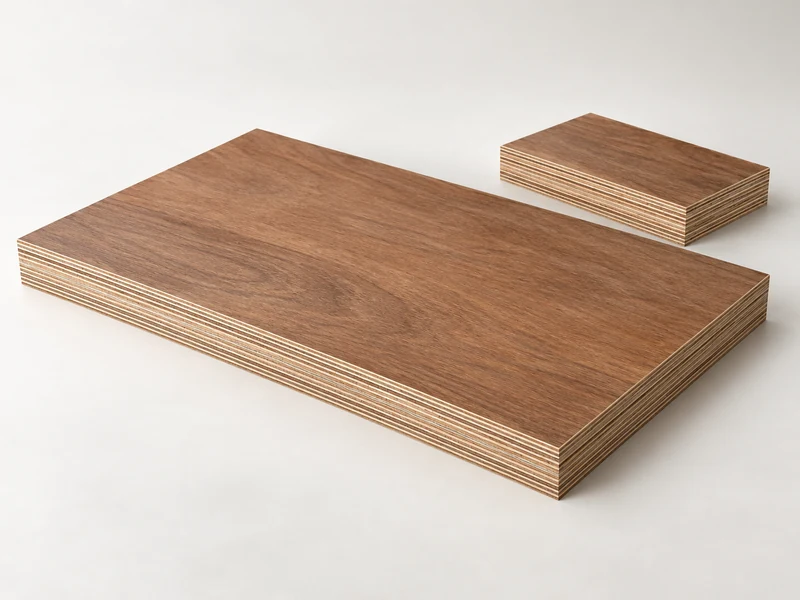
Compare the visible veneer and adjacent solid edges under the intended coating.
Planning repeat purchases? The wholesale board guide connects product selection with stock lines, pack labels and replenishment.
Compare the finished result.
Use the panel comparison tool for two or three alternatives. Keep the drawing, quantities and destination the same, and ask each offer to identify its face, core, dimensions and finish.
Compare the panel price alongside the edging, finishing and processing your workshop needs. Take the preferred construction into your sample trial and final quotation.
YOUR NEXT PROJECT
Let’s find the right panel.
Share your application, quantity and destination. Start with the details you have.