Specifications
Supply specifications
Regular sizes mm · width × length
On request
Other sheet sizes and cut-to-size panels on request.
| Nominal thickness | 3–30 mm |
|---|---|
| Core / substrate | Poplar, birch or eucalyptus |
| Face / back grade | BB/CC; C/D |
| Emission grade | E1; E0 |
Application-specific specification checks
Panel construction and finishing
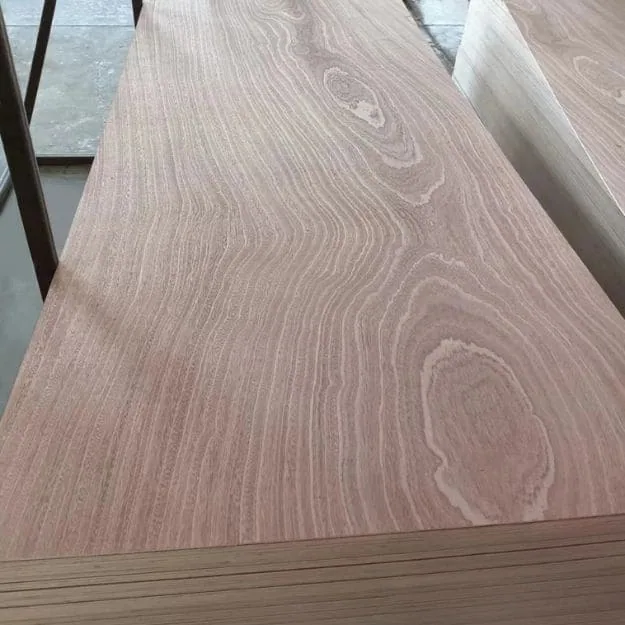
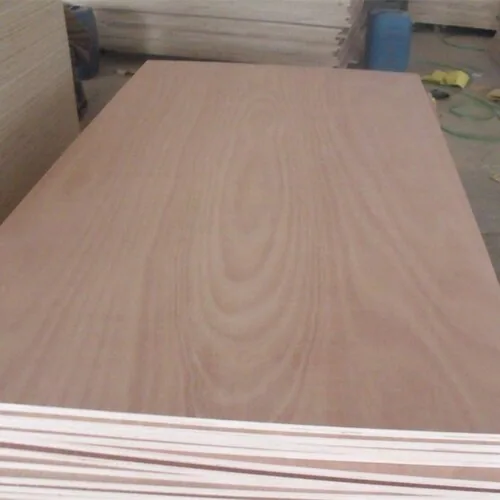
| Face / back | Bintangor veneer in BB/CC or C/D grades, with visible-side, colour, repair and joint selection recorded for the item. |
|---|---|
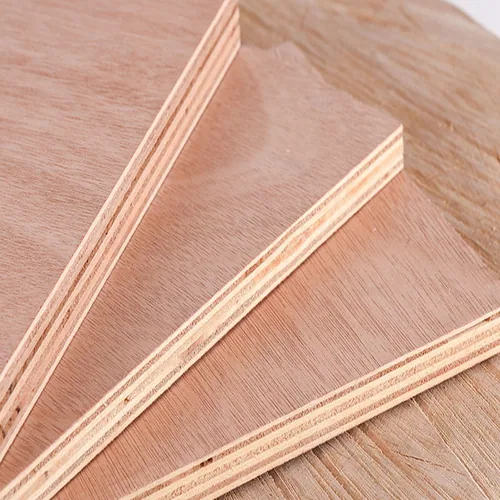
| Thickness & core | 3–30 mm panels with poplar, birch or eucalyptus cores; lay-up, required bond and component tolerances specified together. |
| Emission options | E0 or E1, with the destination, required test method and product-document request included in the quotation. |
| Surface & edges | Preparation for the intended clear or stained finish, paint or covering; cut-edge and banding trial with the actual process. |
| Parts & repeat | Finished component layout, usable-part record, retained finish sample and separate item codes for repeat buying. |
Choose a practical combination of face, core and thickness.
Use the available options to prepare an item specification. Connect its grade and appearance to the finish, and its core and tolerances to the parts being cut and assembled.
- Thickness
- 3–30 mm nominal thickness. State the selected thickness and finished-part tolerances for grooves, joints and hardware.
- Core options
- Poplar, birch or eucalyptus. Add the lay-up, bond requirement and cut-edge quality needed for the component.
- Face & back
- BB/CC or C/D grades. Identify visible surfaces and the agreed colour, veneer joint and repair range for each side.
- Emission options
- E0 or E1. Include the destination and required test method or material documentation with the inquiry.
- Finish & edges
- Clear or stained wood, painted surface or a covering applied by your workshop. Add preparation, face veneer thickness and edge treatment.
- Quantity & cutting
- Sheet quantities, part dimensions, grain direction and separate visible or covered item codes for the cutting list.
Face and back veneer gauges are quoted separately from overall panel thickness. State the required veneer gauge and sanding/routing process, then request the offered front/reverse thickness and finished preparation for that model. Use the face/back purchase schedule and the measurement plan with your item drawing.
Use a grade code together with the actual face and back description. Keep the finish sample and cut-edge reference on the same item, so the selected sheet can be compared with the furniture part it will become.
CHOOSE THE ROUTE CLOSEST TO YOUR PRODUCTION
A visible wood face, a covered panel or a finished-part comparison.
Start with the step that determines which sheet you want to buy. Compare the proposed material through your furniture detail and production process.
Keep the Bintangor face separate from the core.
The 18 mm requests below provide a common comparison within the available range; put your own drawing thickness on the inquiry. Evaluate measured dimensions, mass and component behaviour on the offered model and full lay-up.
Scroll horizontally to compare all columns.
| Core option | Keep the surface and dimensions comparable | Request the working sample |
|---|---|---|
| Poplar | 3–30 mm overall panel range; select the same Bintangor face/back grade, thickness, bond/emission requirement and format when comparing core schedules. | Include the cut edge, actual banding and joint/hardware. Request a poplar-core Bintangor trial |
| Birch | 3–30 mm overall panel range; birch identifies the requested inner construction, while Bintangor remains the decorative face. Quote the full veneer schedule and finished dimensions. | Review the complete layered edge and fitted component. Request a birch-core Bintangor trial |
| Eucalyptus | 3–30 mm overall panel range; identify inner species/layer order, bond and measured dimensions. Compare the same finished part and relevant panel data. | Record usable parts, edge preparation and finished fit. Request a eucalyptus-core Bintangor trial |
Keep the wood visible
Try representative Bintangor faces under your clear or stained finish. Choose the grain, colour and repair range beside the actual furniture edging.
Develop the finished face samplePrepare covered components
Use the chosen covering and adhesive on the sample. Review preparation, the pressed surface and banded edge with the core and thickness you intend to order.
Plan the cabinet componentsCompare finished-part cost
Cut the same component layout from each proposed construction. Record usable parts, preparation time and edge work before choosing the order mix.
Use the part-yield worksheetCOMPARE OPTIONS
Your selection at a glance
Thickness & construction
3–30 mm Bintangor-faced panels with poplar, birch or eucalyptus cores. Include the lay-up, required bond, cut-edge quality and joint tolerances for the furniture component.
Grade & surface
BB/CC or C/D face/back grades, with E0 or E1 emission options. Describe the visible sides, veneer joints and repair range alongside the finish and product-document requirements.
Finished-part cost
Compare usable parts, preparation, edging and finishing effort using the same layout and process. Keep the selected construction and finished sample with the repeat item code.
MAKE THE SAMPLE WORK IN YOUR FURNITURE PROCESS
Try the cut, the edge and the finish before selecting the item.
Request a free Bintangor sample with the thickness, core, face/back grade, emission option and planned finish. Buyers pay sample freight; a credit towards a later order can be agreed.
- Mark the viewing surfacesIdentify the face and back seen after assembly. Compare the raw veneer with your appearance brief, including colour variation, repairs and joints.
- Run the component processCut a representative part, inspect its core and apply the planned edging, coating or laminate. Include the actual joint or hardware detail.
- Compare usable finished partsRecord acceptable parts, preparation and edge work for each alternative. Retain the selected finish range and component with the item description.
Use a sheet trial when part yield drives the purchase
A small sample can introduce the veneer and construction. When the cutting layout matters to your decision, discuss a representative sheet trial and its delivery arrangement. Map the parts and visible surfaces, then compare usable output and preparation with the same production process for each proposal.
COMPARE THE SHEET THROUGH THE PARTS IT PRODUCES
Keep the finish, usable output and preparation in one record.
Use this worksheet alongside the component layout and selected sample. It helps your workshop and purchasing team compare the proposed Bintangor items through the work needed to produce the finished parts.
| Check | Record during evaluation |
|---|---|
| Face allocation | Face/back grade, viewing surfaces, permitted repairs, joints and colour range by component. |
| Construction & fit | Selected 3–30 mm thickness, core, bond, emission option, measured dimensions and joint or hardware fit. |
| Cut-edge preparation | Cutting setup, core observations, edge repairs and the result of the intended banding or lipping process. |
| Finished surface | Filling, sanding, coating or lamination sequence, actual edging and retained appearance references. |
| Usable part yield | Trial sheet or component area, accepted parts, offcuts, rejected parts and each rejection reason. |
| Finished-part cost | Material used, preparation time, edge work, finishing effort and the selected repeat item code. |
Locate the extra work before changing the panel
Separate face filling, cut-edge repair, banding and finish-related rejects in the trial record. Compare a different face selection or construction against the same component layout. Use the finished sample and work record to choose which change belongs in the next quotation.
THE FACE DESCRIPTION AND PANEL DATA TOGETHER
Give purchasing a complete Bintangor item to quote.
Request technical information for the selected thickness, core, face/back grade and E0 or E1 option. Include the intended furniture use, destination market and any specified test method.
Ask for the method with the emission option.
E0 and E1 are available options; specify the method and destination requirement rather than relying on the label alone. Match the report and product data to the offered panel and any separately specified finished assembly.
Scroll horizontally to compare all columns.
| Requirement | What the file should identify | Request the selected information |
|---|---|---|
| E0 option | Offered panel/model, full veneer/core/bond construction, required test method/conditions and applicable emission results. Include destination and the finished assembly/adhesive/covering scope. | Name the method and market requirement with the E0 request. Request E0 Bintangor information |
| E1 option | The selected construction and E1 option with the specified method, results and covered model/material range; keep test identity and item/sample references together. | Match documentation to the actual item being purchased. Request E1 Bintangor information |
| Face / back and preparation | Bintangor veneer identity, front/reverse gauges, grading basis, repairs/joints/range and preparation; full inner lay-up, finished thickness/tolerances and working-sample reference. | Bring the actual finish and machining requirements into the file. Request veneer and panel data |
Keep the technical item reference with the cutting and finishing trial. For a coated or laminated assembly, add the selected adhesive or coating supplier's instructions and record the process used on the sample.
Read the grade alongside the surface description
APA's plywood overview explains how its panel grades relate to veneer appearance, surface finish and intended use. For your Bintangor quotation, use the specified grade system, actual face/back description and finished samples to agree the surface you need.
Product data & reports to request
Request a technical data sheet covering:Face/back grade, core species and lay-up, bond, thickness tolerance and the agreed surface finish.Include these specification details:- Bintangor face and back descriptions, veneer thickness, repair selection, surface preparation and retained finish sample.
- Core species, lay-up, nominal thickness, tolerances and the required bond information for the component.
- Emission option, applicable test method and product documentation for the proposed construction and destination.
Company documents to view
FSC chain of custody Wood panels · purchase & salesISO 9001 & ISO 14001 Management systems · stated sales activitiesEN 13986 plywood document Non-structural scope · listed modelsUse these for supplier qualification; match product performance to the proposed panel’s technical documents.Furniture & interior panels: what to match
- Technical data
- Face/back grade, core species and lay-up, bond, thickness tolerance and the agreed surface finish.
- Emissions
- For covered hardwood plywood entering the US, request TSCA Title VI certification or applicable exemption documentation, with producer and product identification. For other markets, specify the required emission class and test method. For European furniture and wood-based articles, include the applicable REACH Entry 77 / Appendix 14 emission requirements.
- Sample match
- Connect the data sheet and reports to the proposed construction, thickness and sample reference.
BEFORE YOU ORDER
Ordering information
- Minimum order
- 1 container
- Regular lead time
- 10–15 days
- Samples
- Free samples
- Quotation terms
- FOB / CIF
Sample freight & order notes
- Minimum order: Mixed loads available.
- Regular lead time: Production; shipping time is additional.
- Samples: Buyer pays freight; credit available on a later order.
- Quotation terms: Name the port in your inquiry.
YOUR PANEL MIX READY FOR THE RECEIVING TEAM
Keep each face and core selection easy to identify.
Agree pack labels showing Bintangor item code, thickness, core, face/back grade, emission option and quantity. Separate selected appearance ranges or finishing routes where the workshop needs to sort them, with face and edge protection suited to the supplied sheets.
Regular production guidance is 10–15 days; shipping time is additional. Request FOB with the shipment port or CIF with the destination port. Share the target receiving date and agree the proposed item and delivery schedule with the quotation.
Include your destination and receiving requirements, unloading arrangement and any pack-size or weight limits. Keep the component schedule available when bundles are allocated for cutting. Use the grain-oriented cutting list and the receiving/storage guide with the item labels.
Connect receiving observations to the item code
Check bundle labels and quantities against the packing list, then record pack condition and representative face and edge observations before processing. Use the item and pack reference with photographs or questions when comparing received panels to the selected range.
BINTANGOR PANELS FOR YOUR NEXT FURNITURE RUN
Buy around the finished parts your workshop makes.
A cabinet side, a clear-finished front and a laminated component can start with Bintangor-faced plywood and need different surface selections. Put your finish and cutting plan at the centre of the order, then choose the face and core for those parts.
CUZI offers Bintangor plywood in 3–30 mm with poplar, birch or eucalyptus cores, BB/CC or C/D face/back grades and E0 or E1 emission options. Develop the selected construction through a free workshop sample, with the colour, repairs and surface preparation suited to the finished item.
Send the furniture drawing or the panel list you already use. We can discuss selected visible faces, covered components and the quantities for each item together, then build them into your next mixed container.
Choose the face and the back as a pair.
BB/CC and C/D are available grade-pair descriptions. Agree the grading basis and actual appearance range with the panel quotation. Select the face/back arrangement around the surfaces your customer sees and the work your workshop performs.
Scroll horizontally to compare all columns.
| Face / back option | Specify each visible surface | Compare it with your finish |
|---|---|---|
| BB / CC | BB face and CC back requested. Identify the grading basis, permitted repairs/joints, colour/character range and preparation separately for each side. Mark fronts, cabinet interiors and the cut edge on the component. | Review both proposed faces with the actual coating and edging. Request a BB/CC face-and-back trial |
| C / D | C face and D back requested. Describe the acceptable surface and repair range for each position, including surfaces receiving a covering and backs seen when doors open. | Run the proposed preparation/covering process on the complete item. Request a C/D component trial |
Give visible and concealed parts their own face description
Mark what customers will see after assembly, including open cabinet interiors and edges. Describe the colour range, repairs and veneer joints acceptable in those positions. For covered faces, record the preparation and surface needed by your adhesive and covering process, with the same core and thickness detail on the item.
CABINETRY, FURNITURE AND INTERIOR COMPONENTS
Let the finished surface guide your face selection.
Scroll horizontally to compare all columns.
| Finishing route | What goes through the workshop | Begin with that detail |
|---|---|---|
| Covered cabinet components | Surface preparation, actual covering/adhesive and pressing process; cut edge, banding and the cabinet interior face that remains visible. | Carry the proposed grade and construction into the same assembly. Request a laminated-component trial |
| Visible wood furniture | Representative Bintangor face/back range under the intended clear or stained finish, with actual lipping/banding, adjoining pieces and permitted repair appearance. | Retain the joined, coated detail under your project light. Request a clear-or-stained face trial |
| Painted and machined joinery | Actual filling/sanding/coating sequence, joint/groove or hardware recess, finished dimensions and surface/edge preparation. | Try your tooling and complete coating on the chosen panel. Request a painted joinery trial |
Compare commercial plywood core and machining options with your component brief. For a different veneer direction, review Okoume-faced plywood through the same finish and cutting plan.
ONE CABINET SCHEDULE, TWO FINISHING ROUTES
Choose the sheet mix around the parts that remain visible.
A cabinet schedule includes laminated side panels and Bintangor fronts with a visible wood finish. Mark those viewing surfaces on the cutting list. Select the proposed thickness and core for the assemblies, then describe the face range required by each finishing route.
Trial the laminated side with the actual adhesive, covering and edge band. Trial the front with the proposed preparation and clear or stained finish, including representative repairs and grain variation. Record the accepted parts and the work needed to complete each route.
Compare separate item selections with a shared panel specification using the same quantities and layout. Choose the arrangement that works for your workshop, retain its component and finish references, and carry the item codes into the quotation and pack schedule.
Compare the parts you can use.
In an illustrative 20-part cutting layout, 18 acceptable finished parts give 18 ÷ 20 × 100 = 90% part-count acceptance. Keep face-related, cut-edge, machining and finishing rejects on separate lines.
Part-count acceptance is different from sheet-area utilisation. Use actual part areas, offcuts and preparation time when comparing differently sized components and landed finished-part cost.
Discuss your finished-part yieldCount the rectangular parts and their areas separately.
Expand the 20-part buying calculation into three item sizes below. Use the same proposed construction and workshop comparison, with two allocated 1220 × 2440 mm sheets. One front and one small shelf are excluded from the final accepted output; record their actual reasons with the trial. Confirm grain direction, kerf and trimming on the cutting nest before assigning the sheet quantity to an order.
Scroll horizontally to compare all columns.
| Item and finished size | Attempted / accepted parts | Attempted area | Accepted area |
|---|---|---|---|
| Fronts: 600 × 400 mm | 10 / 9 | 10 × 0.24 = 2.40 m² | 9 × 0.24 = 2.16 m² |
| Sides: 800 × 300 mm | 6 / 6 | 6 × 0.24 = 1.44 m² | 6 × 0.24 = 1.44 m² |
| Small shelves: 400 × 200 mm | 4 / 3 | 4 × 0.08 = 0.32 m² | 3 × 0.08 = 0.24 m² |
The scheduled parts total 4.16 m²; accepted rectangular output totals 3.84 m². That gives 90% by part count and 92.31% by scheduled part area. The two allocated sheets total 5.9536 m²: attempted part area is 69.87% and accepted part area is 64.50% of that allocation. Keep these four ratios under their own labels.
Compare each finished item with the same required quantity, face/back range and complete delivered stage. Include panel allocation, preparation, covering/coating, edges, machining, excluded parts and packing in the selected cost scope. These chosen dimensions and outcomes explain the calculation; use your own nest and observed output when comparing offers.
THE BINTANGOR ITEM MIX YOUR BUSINESS USES
Plan visible and covered parts into the same container.
Orders start at one container, with mixed loads available. Combine Bintangor thicknesses and item specifications with other plywood or MDF, listing quantities for each construction and face/back selection.
Furniture and cabinet workshops
Organise the purchase around the cutting list. Give clear-finished, painted and laminated components their own requirements, or trial a shared sheet specification when one stock item suits the production plan. Keep the selected grade, core, finish and usable-part record with that decision.
Panel distributors and repeat buyers
Use separate item codes for thickness, core, grade and emission alternatives. Retain a physical face range and finish reference with the supplied description, so customers and the next purchasing team can identify the construction being reordered.
Make a repeat inquiry easy to compare
Send the item code, retained panel description, quantities and named FOB or CIF port. Identify changed face selection, finish, core or cutting requirements in the new inquiry. Include any new documentation requested by the destination market.
YOUR BINTANGOR PLYWOOD PURCHASING QUESTIONS
Choose the specification and move towards a useful quotation.
Which thicknesses and cores are available?
Bintangor-faced panels are available in 3–30 mm with poplar, birch or eucalyptus cores. Add the selected thickness, required bond and component tolerances to the drawing or item schedule.
Which face/back grades can I request?
BB/CC and C/D are available. Describe the visible side, back-face requirement, repairs and colour range alongside the grade. Compare the proposed veneer under your intended finish.
Can I request E0 or E1?
Both emission options are available. Specify the destination, required test method and documentation for the selected panel when requesting the quotation.
What sheet sizes can I put on the cutting plan?
Regular sheets are 1220 × 2440, 1250 × 2500 and 1525 × 3050 mm. Formats including 1220 × 3050 and 1250 × 3660 mm are on request. Put the desired format, finished-part dimensions and grain direction on the Bintangor cutting layout.
How should I choose a face for clear or stained furniture?
Compare several proposed faces with the actual coating and edging. Include the repair and colour range acceptable on fronts, sides and adjoining parts, then keep that finished range with the item reference.
What matters for a laminated component?
Trial the proposed panel with your surface preparation, adhesive, covering and pressing process. Review the finished surface and cut edge together, including the intended edge band and any visible cabinet interior.
How can I compare the cost of finished parts?
Use the same cutting layout and workshop process for each panel proposal. Record usable parts, preparation, edge repairs and finishing effort. Compare those results alongside the sheet price using the downloadable worksheet.
Is Bintangor a waterproof grade?
Bintangor identifies the face veneer. Specify the bond, service conditions and any moisture-related requirement for the complete panel and assembly with your inquiry.
Should I compare Bintangor with Okoume?
Compare Okoume-faced panels through the finish and component layout you use. Keep core, thickness and bond requirements on the comparison so the proposed faces can be reviewed in the intended construction.
How do I request a sample for my workshop?
Share the thickness, core, grade, emission option, intended finish and delivery country. Samples are free with buyer-paid freight; a later-order freight credit can be agreed. Include your component or appearance reference when available.
Can I order a mixed container?
Yes. The minimum order is one container, with mixed loads available. List each Bintangor item and other plywood or MDF quantities, then name the FOB shipment port or CIF destination port and your target receiving date.
Does Bintangor plywood have Bintangor throughout its core?
The face identifies the Bintangor veneer; the supplied inner-core options are poplar, birch and eucalyptus. Specify the full layer schedule with the panel-data request, rather than inferring internal species from the surface.
What face veneer thickness can I specify?
State the gauge your finishing and machining process needs. The offer identifies the actual face/back gauges and preparation separately from the 3–30 mm overall panel thickness. Request the offered veneer schedule, then trial your sanding, routing and finish on that construction.
Can BB/CC settle the appearance of a clear-finished front?
Use the grade pair with its grading basis and a physical front/back appearance range. Include permitted repairs, joints, colour and your coating/edging. Try both proposed surfaces before grouping finished parts.
Does an E0 or E1 label supply every destination-market document?
Send the required method and destination/application with the selected option. Match results and supporting documents to the offered model and material scope. Use the emission information request with any separately specified finished-assembly requirement.
How do I compare part acceptance with sheet utilisation?
Count accepted parts against attempted parts, then separately measure the areas used by the layout and offcuts. Record reject reasons and preparation/edge/finish work. Discuss the same production layout across proposed panel constructions.
Does a Bintangor face determine the panel's core?
No. The face and internal construction are separate choices. Ask for both to be written into the quotation, along with the bond and thickness tolerance.
LET'S PLAN THE BINTANGOR PANELS FOR YOUR NEXT RUN
Send your component list or start with one panel item.
Thickness, core, quantity and destination are enough to start the discussion. Add the grade, finish and cutting layout as you develop the specification for your furniture.
Open the Bintangor plywood inquiry outline
Project / use: [cabinetry, furniture or interior components; destination].
Minimum order / mix: one container; [Bintangor items and other mixed-load quantities].
Regular sheet sizes: 1220 × 2440, 1250 × 2500 or 1525 × 3050 mm.
Sizes on request: 1220 × 3050, 1250 × 3660 mm or specified cut components.
Panel / core: 3–30 mm; poplar, birch or eucalyptus; [selected thickness, lay-up, bond and tolerances].
Face / back grade: BB/CC or C/D; [grading basis, visible sides, repairs/joints and retained raw/coated range].
Veneer gauges / preparation: [offered front/reverse gauges, sanding/routing scope and finished remaining veneer; inner lay-up separately].
Emission option: E0 or E1; [destination, method/conditions/results and matched model/material scope; finished assembly separately].
Finish / surface: [clear or stained wood, paint or covering; preparation and face veneer thickness].
Components / layout: [part dimensions, grain direction and visible or covered item codes].
Edges / assembly: [banding or lipping, joints, grooves and actual hardware].
Sample / part yield: [retained finished range, accepted/attempted part counts and reasons; part areas/utilisation, preparation and edge-work separately].
Comparable quotations: [same grade/basis, veneer/core/gauges, bond/emission, format, finish operations, quantity and named delivered scope].
Order / repeat: [quantities by item, selected construction and changed requirements].
Delivery: [pack labels, FOB shipment port or CIF destination port and target receiving date].
Use commercial plywood to compare the broader core and machining options, or Okoume-faced panels for another furniture veneer selection.