
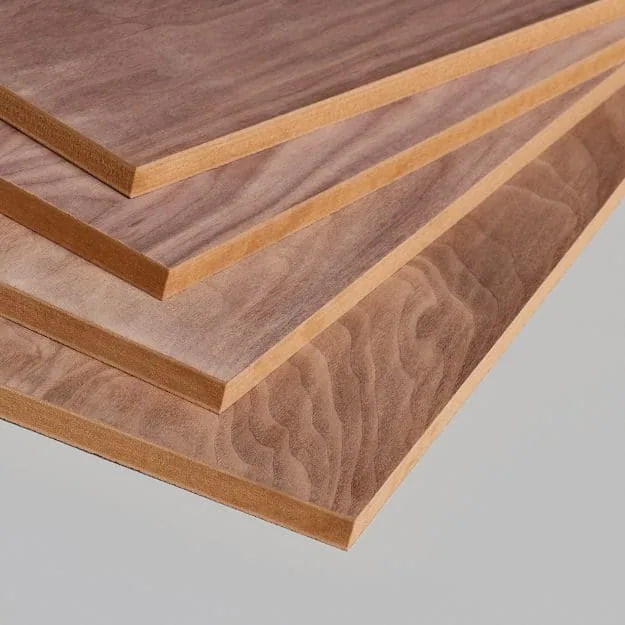
YOUR RANGE. YOUR ORDER MIX.
Fill the container with the boards you need.
A useful MDF order starts with the furniture you make and the stock your customers buy.
Source plain, melamine faced and laminated MDF from CUZI in one purchasing schedule. The minimum order is one container, with mixed loads available. List each size, thickness, board grade and finish separately so your quotation follows the mix you want to manufacture or sell.
For a first order, start with your regular items and the requirements of the customers or workshops they serve. For repeat deliveries, use the same item codes and retained references, then highlight any change in quantity, finish or destination.
Buying MDF in bulk works best when the quotation follows your actual stock and production lines. Send a spreadsheet or a short item list with quantities and destination; we can discuss the board mix, samples and packing from that starting point.
Keep regular stock and project items easy to identify
Give each board construction a distinct item code. Separate regular replenishment from a customer-specific decor or component. Keep the board grade, dimensions, face/back references and sample identity with that code so purchasing and receiving use the same description.
For furniture backs, liners or facing bases, review thin MDF thickness options with the component fit and finish. Keep each nominal thickness, sheet format and packing requirement on its own stock item.
Planning a wall or ceiling range? The acoustic MDF panel options connect the pattern and finish with the backing, installation drawing and required system reports. List each construction as a separate order item.
Include outdoor lines as a separate exterior MDF specification. Identify the exterior-board designation, exposure, finishing scope and matching documents for each item, alongside its dimensions and quantities.
Planning a door production range? Quote MDF door skins by model, skin size and delivered surface, with quantities stated as individual skins or paired sets. Keep their component data and packing separate from the full-sheet MDF schedule.
FOR STOCK AND FOR PRODUCTION
Buy around the work ahead.
Scroll horizontally to compare all columns.
| Buyer programme | Order and sample priorities | Begin with your item mix |
|---|---|---|
| Distributor replenishment | Usable stock, allocated quantities, incoming orders and demand by grade/thickness/decor; receiving and storage limits for each line. | Build an order around your repeat-selling items. Plan distributor replenishment |
| Furniture production | Separate routed/painted parts from decorative flat components. Include the actual tooling, fitting and finish trial, with quantities by drawing or production line. | Choose key samples before finalising the production mix. Request a production sample kit |
| Interior project mix | Drawing/room references, numbered components, facing/reverse/edge masters, installation stages and agreed pack grouping. | Keep matching and finished-part requirements with the order lines. Plan a project MDF mix |
Have several workshops or stock destinations? Add the receiving location to each item. Keep their machining and finish requirements visible when you combine the order.
Specifications
Supply specifications
Regular sizes mm · width × length
On request
Other sheet sizes and cut-to-size panels on request.
| Thickness | Nominal thickness to your specification; finished thickness and tolerance quoted with the panel construction.View measured panel data → |
|---|---|
| Plain MDF range | Standard raw MDF: 2.5–35 mm; moisture-resistant and fire-retardant raw MDF: 9–25 mm. |
| Raw MDF emissions | Standard: E0 / E1 / E2; moisture-resistant and fire-retardant: E0 / E1. Specify the required test method. |
| Decorative range | Melamine faced MDF; laminated MDF with HPL, melamine or PVC, single-sided or double-sided. |
| Faced-panel thickness | Finished thickness and tolerance quoted with the selected facing and MDF construction. |
| Mixed orders | One container minimum; mixed sizes, thicknesses and surfaces itemized for quotation and loading. |
| Item identification | Grade, dimensions, decor, quantities and bundle labels linked to each stock or component code. |
Measured product data
Nanjing Customs District Industrial Products Inspection Center · Interior MDF · 1220 × 2440 × 12 mm
- Measured dimensions
- 2441 × 1221 × 12.08 mm · length × width × thicknessEN 324-1
- Density
- 755 kg/m³EN 323
- Bending strength (MOR)
- 29.8 N/mm²EN 310
- Formaldehyde emission
- 0.038 mg/m³EN 717-1
EN 622-1 · EN 622-5 · EN 717-1
Details for your application
Build a schedule we can quote line by line.
Share the details you have. A short item list is enough to begin; add the technical and packing requirements as you select each board.
| Item code & board | Your stock or component code, plain/melamine/laminated MDF, board grade and intended use. |
|---|---|
| Dimensions | Sheet size, nominal thickness and tolerance. For faced panels, identify the finished total thickness. |
| Surface & reverse | Decor or facing reference, texture, sheen, grain direction and the treatment of each face. |
| Quantity | Sheets or parts per item, requested bundle quantities and any proposed quantity adjustment to complete the load. |
| Documents & samples | Emission class, test method, destination requirements and retained sample reference for each construction. |
| Packing & delivery | Pack labels, unloading limits, FOB shipment port or CIF destination port, and target receiving date. |
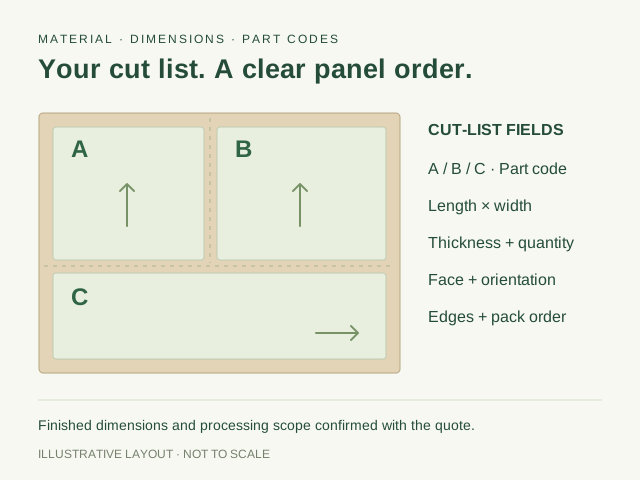
For cut or edged components, attach the drawing revision, grain arrows and visible-edge map. Keep sheet-stock and fabrication quantities on separate lines so the quotation identifies the delivered scope.
PLAN THE MIX BEFORE THE LOAD
Three ways to shape your container.
Choose quantities around expected use, available storage and the specifications your customers need. A clear item mix helps compare the complete order cost.
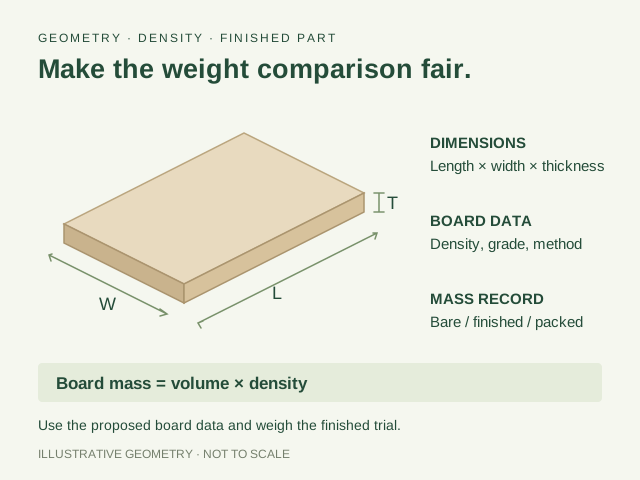
For weight-sensitive components, add Lightweight MDF as a distinct stock or project line. Specify the target density, thickness and finished scope, with the sample and technical-data reference kept under that item code.
Keep each board type under its own specification.
Regular MDF sheet sizes are 1220 × 2440 and 2100 × 2800 mm. Request 1220 × 3050, 1830 × 3660 or 1220 × 3660 mm, other sizes or cut components by item. Choose thickness and performance from the specific board line rather than applying one range to every MDF product.
Scroll horizontally to compare all columns.
| Order line | Available choices and item details | Start the selected line |
|---|---|---|
| Standard raw MDF | 2.5–35 mm; E0, E1 or E2 options. Specify nominal thickness, finished tolerance, density/mass requirements and the workshop process. Plain MDF specifications. | Select the emission option and required test method for the destination. Request raw MDF order samples |
| Moisture-resistant MDF | 9–25 mm; E0 or E1. Identify the board designation and the moisture conditions of the intended interior component. MR MDF specifications. | Use a separate stock line and trial record from standard raw MDF. Request MR MDF order samples |
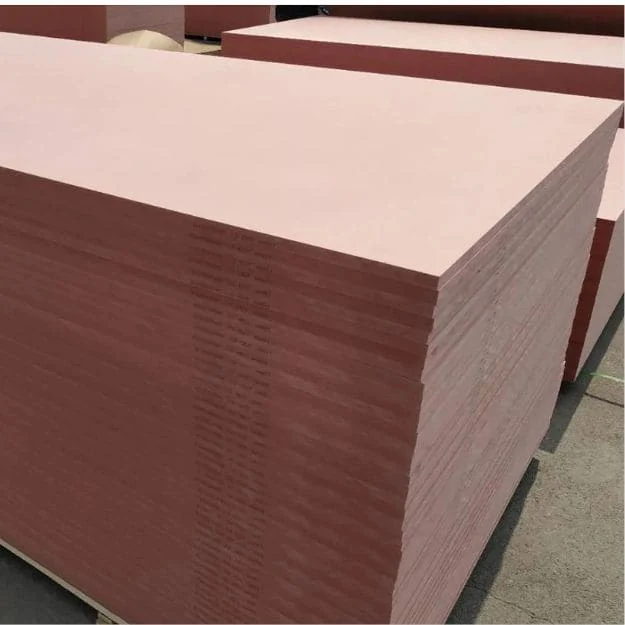
| Fire-retardant MDF | 9–25 mm; E0 or E1. Add the project-required fire standard, classification and complete construction. FR MDF specifications. | Match the requested fire information with the offered board and finished application. Request FR MDF line data |
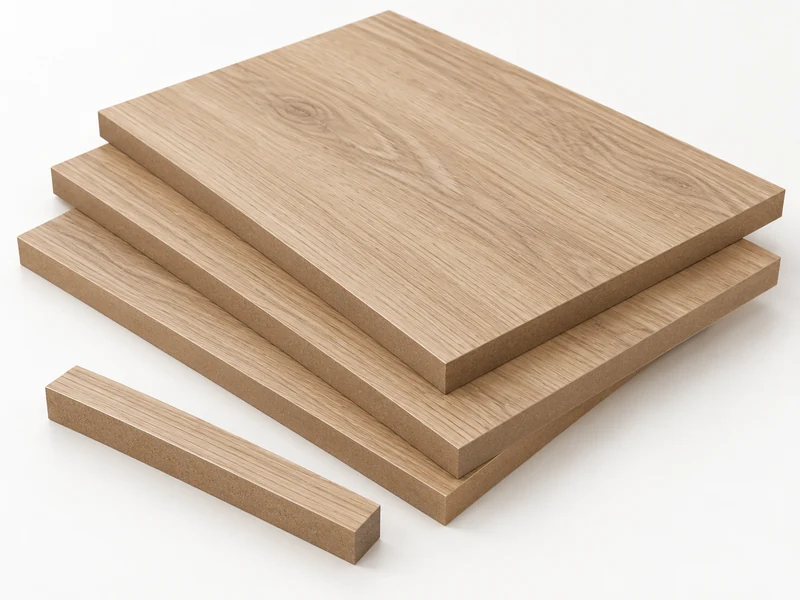
| Melamine faced MDF | Decor, texture, sheen and grain direction; quoted total finished thickness; single/double decorative face and reverse. Melamine MDF selection. | Keep a physical decor/edge reference under its own item code. Request melamine order samples |
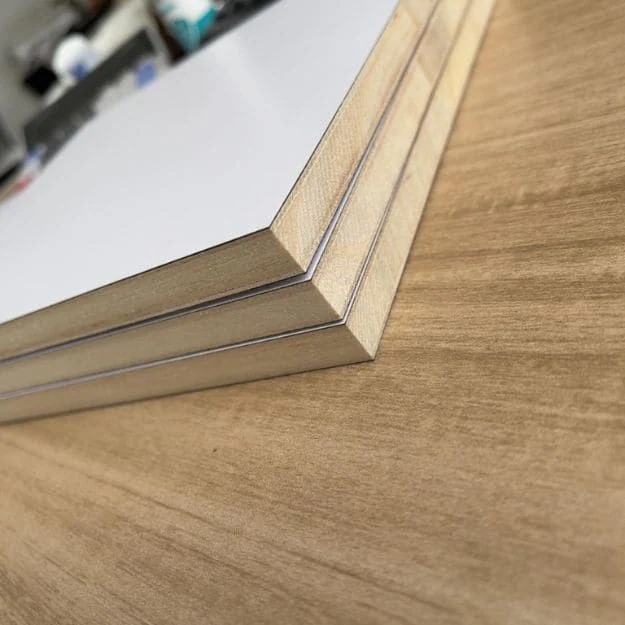
| HPL or PVC faced MDF | HPL: 12–25 mm finished panel, 0.5–2 mm HPL, with single/double faces or melamine reverse. PVC: facing/film, substrate and total finished gauge quoted for the item. HPL / PVC options. | Identify the facing and reverse separately, then trial the complete component. Request HPL order samples |
Regular stock lines
Prioritize the sizes and thicknesses you replenish most often. Keep grades and surfaces distinct, with quantities linked to usable stock and upcoming demand.
Build the replenishment listProduction requirements
Match MDF to the workshop process: painted profiles, machined parts or decorative furniture. Trial the board and finish that each production line will use.
Choose samples by processDecorative project mix
Coordinate the decor, reverse and edge references for each project. Group neighbouring or matched parts in the drawing and pack schedule.
Compare facing optionsUse plain MDF for your own machining and finishing, compare melamine MDF for decorative furniture, or choose 12–25 mm HPL faced MDF and PVC film faced MDF. Identify each facing, reverse and finished thickness separately in your mixed-load schedule.
COMPARE OPTIONS
Your selection at a glance
Your item mix
Plain, melamine or laminated MDF by grade, thickness, sheet size and facing; list quantities for each item.
Sample references
Trial the board and finish for your workshop process, then retain the chosen sample with its item code.
Packing and delivery
Match bundle labels and sheet counts to the item schedule; request FOB or CIF with the named port.
MDF TEST DATA FOR YOUR ORDER MIX
Put technical data behind every stock line.
Review RAW MDF physical and mechanical properties alongside SGS formaldehyde results for 18 mm MDF and HMR MDF. Choose the board type, emission option and finish for each line, then keep the technical file with its sample, quotation and pack label.
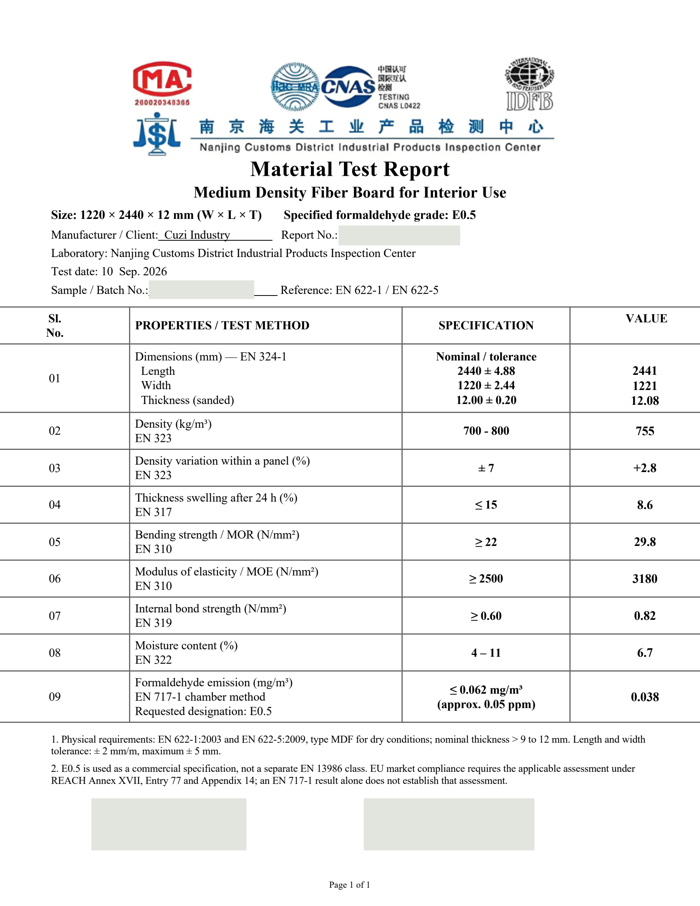
RAW MDF Test Report
Interior MDF for dry conditions · nominal 1220 × 2440 × 12 mmReport reference: EN 622-1:2003 / EN 622-5:2009- Density
- 755 kg/m³EN 323
- Bending strength (MOR)
- 29.8 N/mm²EN 310
- Formaldehyde emission
- 0.038 mg/m³EN 717-1
View all test results
| Property | Method | Result |
|---|---|---|
| Measured dimensions | EN 324-1 | 2441 × 1221 × 12.08 mm · length × width × thickness |
| Density | EN 323 | 755 kg/m³ |
| Density variation within a panel | EN 323 | +2.8 % |
| Thickness swelling after 24 h | EN 317 | 8.6 % |
| Bending strength (MOR) | EN 310 | 29.8 N/mm² |
| Modulus of elasticity (MOE) | EN 310 | 3180 N/mm² |
| Internal bond strength | EN 319 | 0.82 N/mm² |
| Moisture content | EN 322 | 6.7 % |
| Formaldehyde emission | EN 717-1 | 0.038 mg/m³ |
Use density and mechanical data with your routed profile, fixing detail and supported component. Set the required nominal thickness and finished tolerance for the stock line, and trial the machining, coating or laminate your workshop will use.
SGS emission data for two MDF board types.
The 18 mm MDF and HMR MDF reports each record 0.080 mg/m³ under EN 717-1:2004, with a PASS conclusion and an E1 reference of ≤ 0.124 mg/m³. Open each result with its board description, method and unit when comparing your stock lines.
18 mm MDF · 0.080 mg/m³ · PASS
| Product | 18 mm MDF · CUZI |
|---|---|
| Material description | White-colour MDF |
| Reported result | 0.080 mg/m³ |
| Method reference | EN 717-1:2004 |
| Analysis | UV-Vis |
| E1 reference | EN 13986:2004(E) · ≤ 0.124 mg/m³ |
| Conclusion | PASS |
For standard raw MDF, choose E0, E1 or E2 with the required test method and destination. Name each thickness and format in the item list. Explore the 18 mm MDF report and machining route.
HMR MDF · 0.080 mg/m³ · PASS
| Product | HMR MDF · CUZI |
|---|---|
| Test item | Formaldehyde emission |
| Reported result | 0.080 mg/m³ |
| Method reference | EN 717-1:2004 |
| Analysis | UV-Vis |
| E1 reference | EN 13986:2004(E) · ≤ 0.124 mg/m³ |
| Conclusion | PASS |
For moisture-resistant MDF, choose E0 or E1 with the intended humid-interior use. Request thickness-swelling, internal-bond and dimensional data with the emission file and your finished edge, joint or opening. Explore the MR MDF report and component route.
Product test reports & records
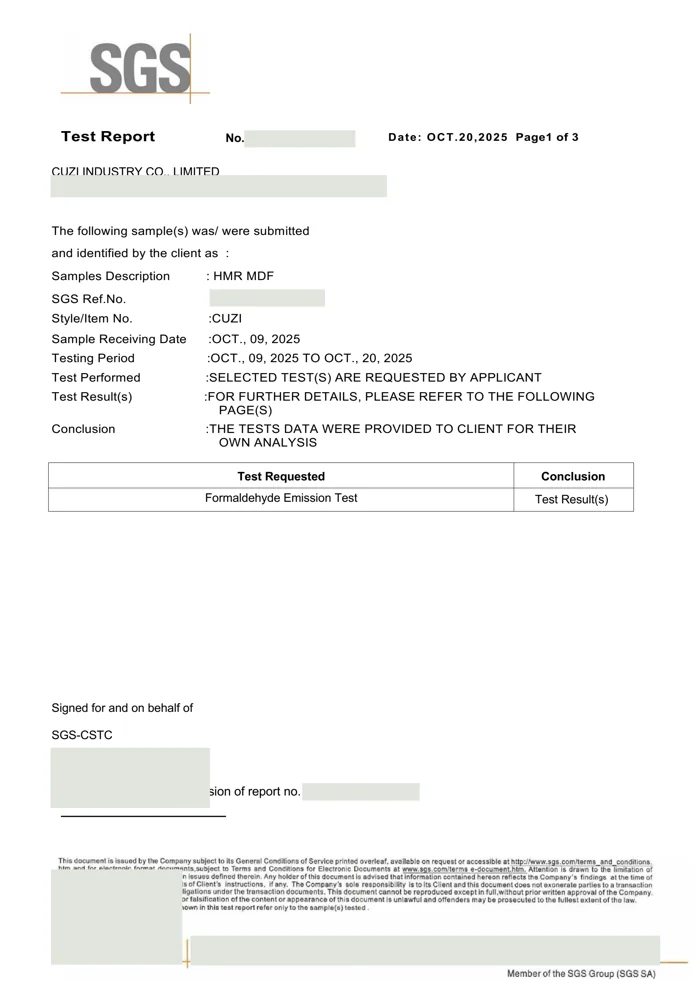
Moisture-Resistant MDF Formaldehyde Test Report
HMR MDF
SGS formaldehyde emission testing for HMR MDF, including the test method and results under EN 717-1:2004.
EN 717-1:2004
Report issued:
What this report covers
SGS identifies HMR MDF and a formaldehyde emission test under EN 717-1:2004. This file supplies emission data. Specify moisture-performance requirements separately for the selected MR/HMR grade and finished component.
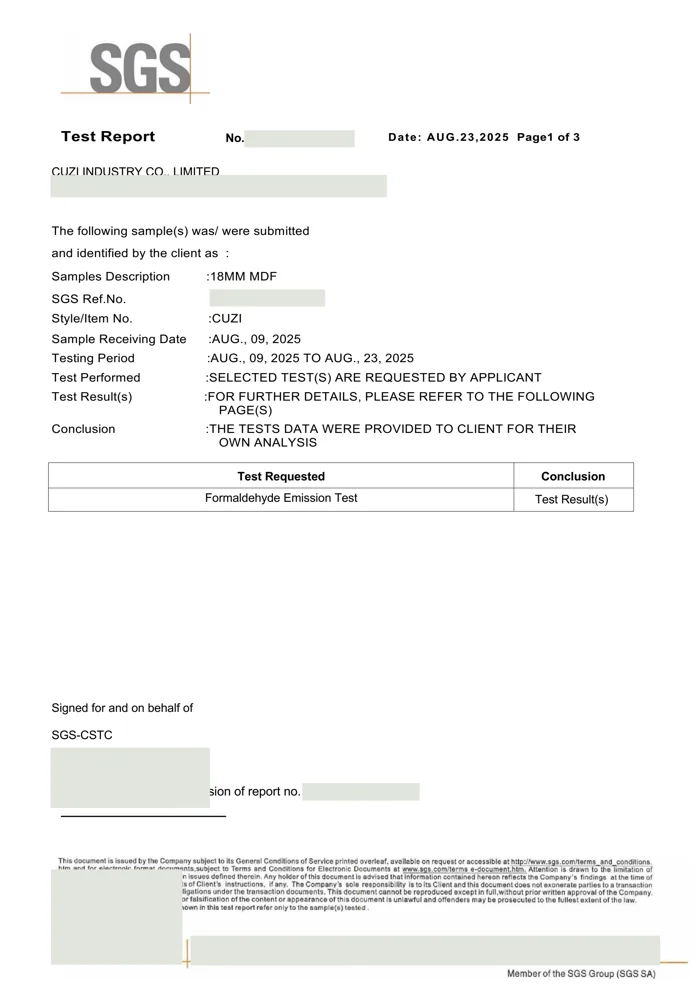
18 mm MDF Formaldehyde Test Report
18 mm MDF
SGS formaldehyde emission test results for 18 mm MDF, with the test method and material description.
EN 717-1:2004
Report issued:
What this report covers
SGS identifies 18 mm MDF, tested from 9 to 23 August 2025. Its EN 717-1:2004 emission result belongs to that material. The separate 12 mm RAW MDF report has its own dimensions, date and measured results.
- Give every board its own code
- Keep standard, MR and FR grades separate, with nominal thickness, sheet format, emission option and the relevant material file. Include the destination and method in the same item description.
- Carry the facing into the file
- For melamine, HPL or PVC, add the substrate, adhesive, front/reverse and total finished thickness. Retain the physical decor and edge references with the complete finished-panel requirements.
- Prepare the receiving record
- Match completed quantities, sheets per pack, measured gross weights and labels to the final item list. Keep the selected sample and technical file with that stock code for receipt and replenishment.
Use the mixed-panel order schedule to connect the report references and stock codes with quantities. The US/EU emission-document guide helps organise the destination file for the boards and finished panels in your order.
Request the technical file by board line.
Keep the board grade, dimensions, emission class and test method against each item. For melamine or laminated MDF, add the facing and complete construction information relevant to the finished panel.
Scroll horizontally to compare all columns.
| Item decision | Match data to the offered construction | Request the information |
|---|---|---|
| Raw MDF properties & emissions | Standard board model, thickness/size, density or sheet-mass basis, dimensions and mechanical properties, emission option/method and intended destination. Keep the RAW MDF and standard MDF emission files with their board descriptions. | Keep each material file against its own order code. Request item-level MDF data |
| Moisture-resistant MDF line | MR board designation, 9–25 mm, E0 or E1; moisture-performance and emission data with the intended humid-room component, facing, edges and openings. | Keep the HMR emission file with the selected board and component trial. Request MR MDF line data |
| Fire-retardant MDF line | FR board designation, 9–25 mm, E0 or E1; required European, Chinese or buyer-specified fire standard and classification, thickness, finish and installation construction. | Bring the fire and emission requirements into one project file. Request FR MDF line data |
| Decorative finished panel | Facing/decor, front/reverse and layer gauges; MDF/bonding; total finished thickness, surface data where required, matching edge and physical master. | Review the complete faced construction and appearance reference. Request decorative-line data |
| Pack and receiving plan | Measured net board mass, sheets per bundle, packing tare/gross weights and external dimensions, item labels, handling limits and proposed container allocation. | Confirm the pack list against the ordered quantities and receiving equipment. Request bundle and loading information |
Product data & reports to request
Request a technical data sheet covering:Substrate grade, thickness tolerance, density and machining properties; identify the coating, laminate or melamine separately where applicable.Include these specification details:- Item schedule with grade, thickness, dimensions and face/back references
- Required emission class, test method and destination or customer documents
- Selected sample references and any specified finished-surface data
Company documents to view
FSC chain of custody Wood panels · purchase & salesISO 9001 & ISO 14001 Management systems · stated sales activitiesView our company certificates alongside the technical data for your selected panel.MDF & finished boards: what to match
- Technical data
- Substrate grade, thickness tolerance, density and machining properties; identify the coating, laminate or melamine separately where applicable.
- US destination
- Request TSCA Title VI documentation for the covered MDF substrate, including producer/product identification, third-party certification or applicable exemption documentation and labelling details.
- European furniture & other markets
- For European furniture and wood-based articles, request emission documentation against the applicable REACH Entry 77 / Appendix 14 conditions. Identify the offered substrate and finish; include any additional destination or project requirement.
BEFORE YOU ORDER
Ordering information
- Minimum order
- 1 container
- Production time
- 7–15 days
- Samples
- Free samples
- Delivery terms
- FOB Qingdao / Lianyungang
Sample freight & order notes
- Minimum order: Mixed loads available.
- Production time: Made to your order; sea transit is additional.
- Samples: Buyer pays freight; full credit on a formal order.
- Delivery terms: Container shipping by sea.
CHOOSE THE BOARD BEFORE THE BATCH
Start with samples for your key items.
Tell us which board grades, thicknesses and finishes will drive your first order. Samples are free; you pay courier freight. Sample freight is credited in full against your formal order.
- Identify the key linesSend the item codes, sizes, thicknesses and intended uses. Include a decor or facing reference for decorative boards and your sample requirements.
- Try the workshop processRoute, paint, cut or edge the proposed board as your production requires. Record the component result against its sample and item code.
- Keep the order referencesRetain the selected board, finish and edge samples with the item schedule. Use those references in the container quotation and repeat orders.
Which items should have separate trials?
Choose around the grades and constructions that serve different processes. A routed painted door, a melamine cabinet side and an HPL-faced component need different observations. Keep substrate, thickness and face/back references with each result so the chosen sample identifies the quoted item.
PRICE THE ORDER. PLAN THE RECEIPT.
Connect your quote with the pack list.
Request FOB with the shipment port or CIF with the destination port. Compare quotations for the same item specifications, quantities and delivery basis, with the included packing and fabrication identified.
Scroll horizontally to compare all columns.
| Price basis | Keep these details equal | What to ask |
|---|---|---|
| Board and quantity | Board model/grade, nominal/finished dimensions, emission requirement, facing/reverse, processing and quantity by item; price unit and currency. | Ask for a line-by-line quotation for the same specifications. Compare MDF supply quotations |
| Sample, finish and packing | Selected samples/physical decor masters, included fabrication, pack protection/labels, bundle counts and any sample freight credit agreed with the order. | List included operations and remaining workshop work against each price. |
| Shipment and timing | Named FOB shipment port or CIF destination port, agreed shipment/delivery scope, freight/insurance where included, destination/local handling, payment and quote validity; production and shipping schedules. | Compare the quoted scope at the same named port. State your target receiving date and required packing or processing. |
Share the receiving team's handling limits and the storage or workshop destination for each item. Request bundle labels, sheet counts, dimensions and gross weights that match the order schedule.
Include your destination and receiving requirements so the shipment plan can account for your order mix and unloading arrangements.
Use the panel storage and conditioning guide when organising receipt and workshop storage. Keep packaging condition and item references with photographs before allocating the sheets.
Check the bundles before releasing sheets to stock
Reconcile item codes, bundle counts and sheets against the packing list. Record pack condition and affected edges before unpacking, then retain photographs and bundle references for follow-up. Allocate usable quantities to their own item lines before planning the next order.
MAKE THE NEXT ORDER EASIER
Keep a reference for every repeat line.
Use the same item code for the same board construction, finish and dimensions. Link it to the selected sample and drawing revision so the next inquiry can focus on quantities, timing and any changes.
Regular production takes 7–15 days; shipping time is additional. Share the port and target receiving date so the quotation can confirm the schedule for your item mix, facing and fabrication requirements.
Before replenishing, separate usable balance from reserved sheets and items awaiting review. Include upcoming demand and open incoming orders so the new quantity is attached to the right stock line. Use the repeat-panel change record for construction, finish and drawing changes.
For a repeat order, identify the previous order or item reference and list changes explicitly. Confirm the proposed quantities and construction before preparing the next packing schedule.
EXPLORE THE CATEGORY
Compare panels in this product family
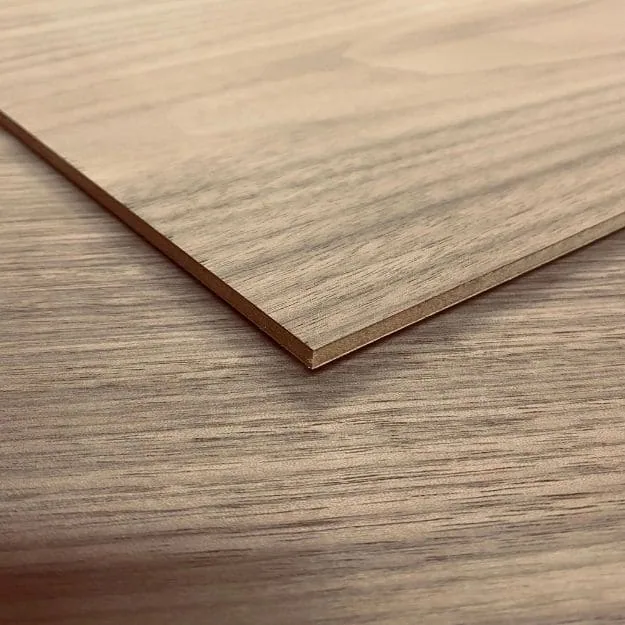
Laminated MDF Board
Cabinet fronts, furniture, interior fit-out; high gloss MDF and PET laminated MDF project requirements
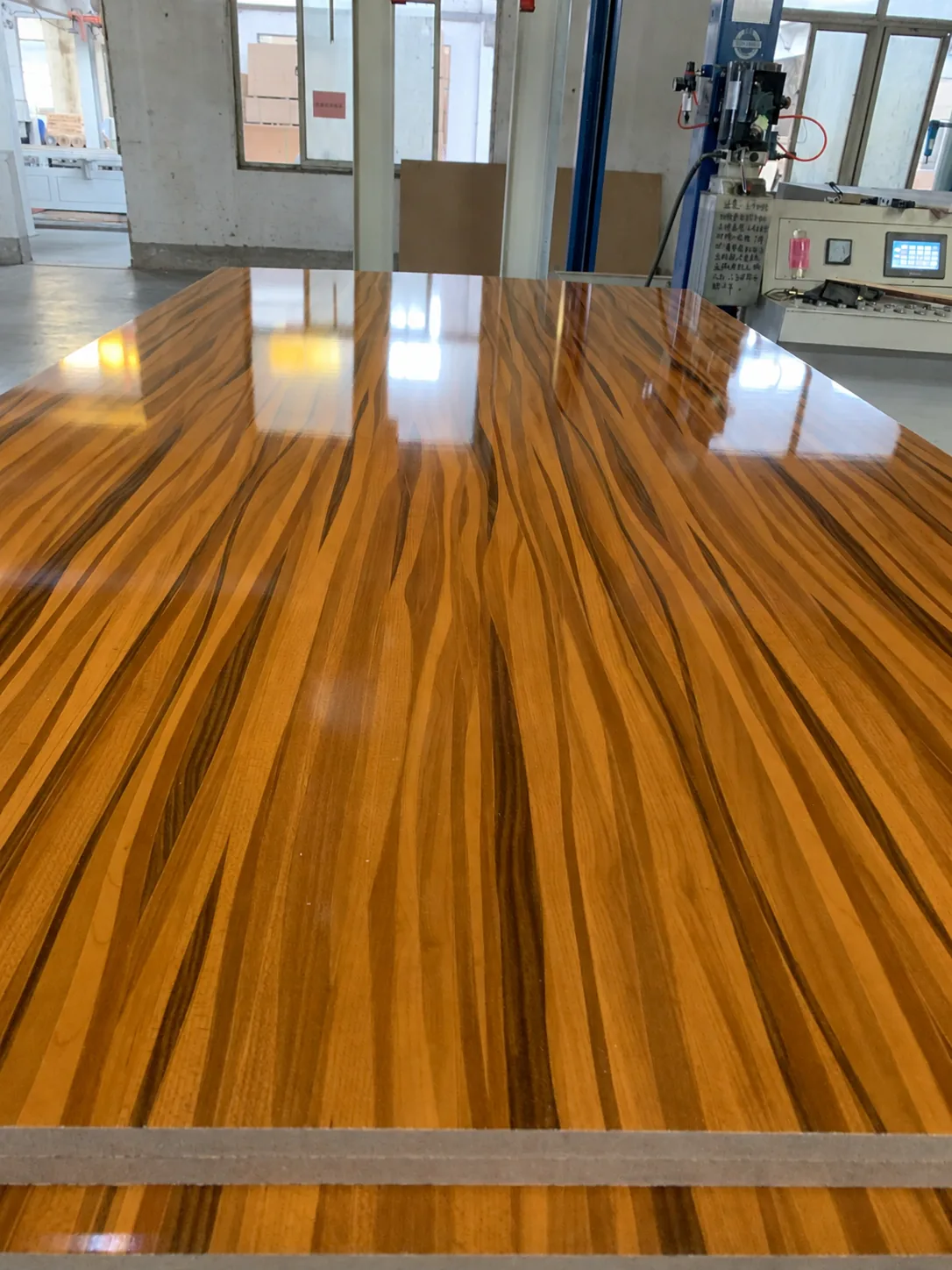
Melamine MDF Board
Cabinet carcasses, wardrobes, shelving; black and white melamine MDF furniture finish requirements
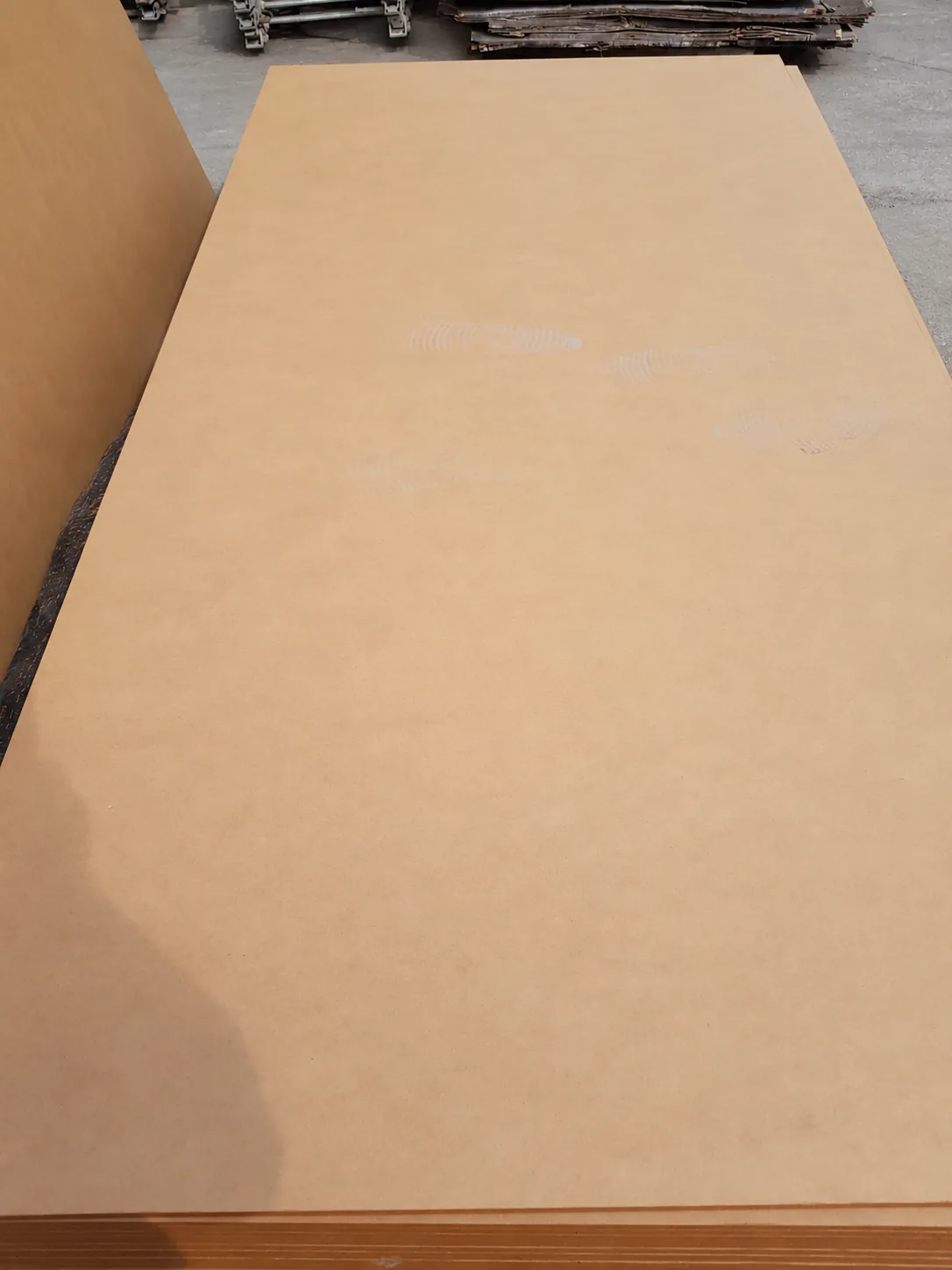
Plain MDF
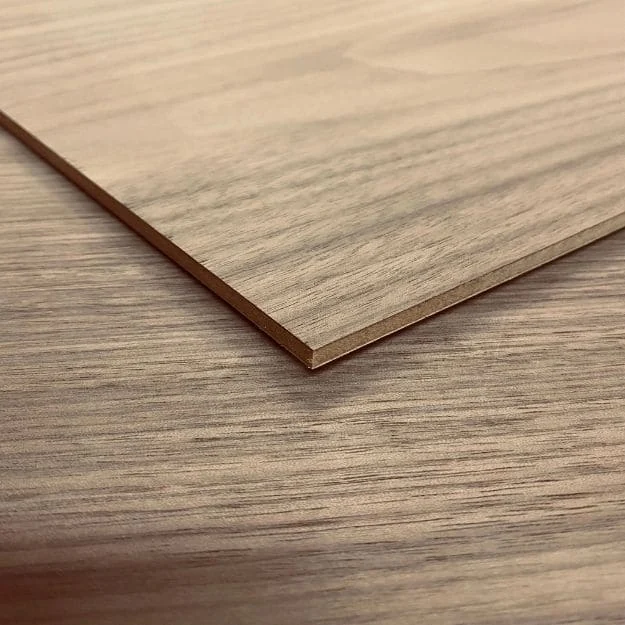
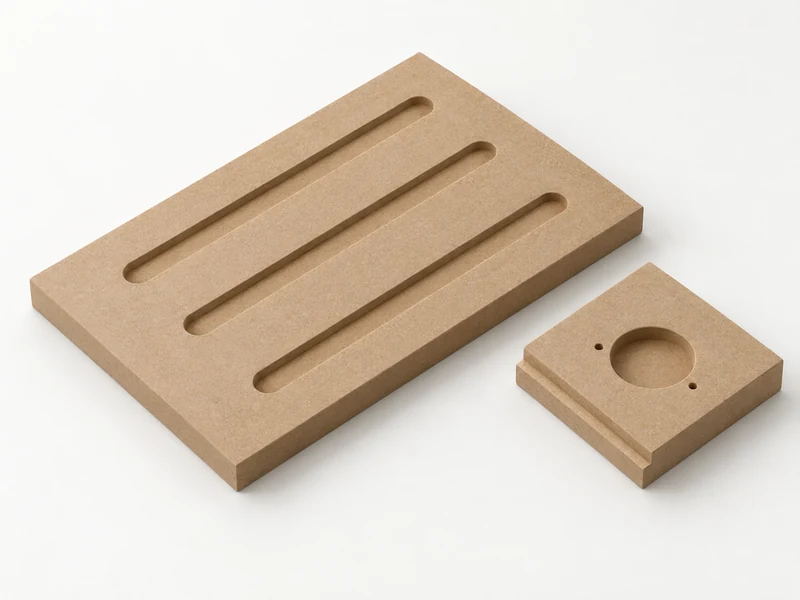
Painted doors, routed components, laminate substrates; thin MDF furniture backs and liners; exterior MDF project requirements
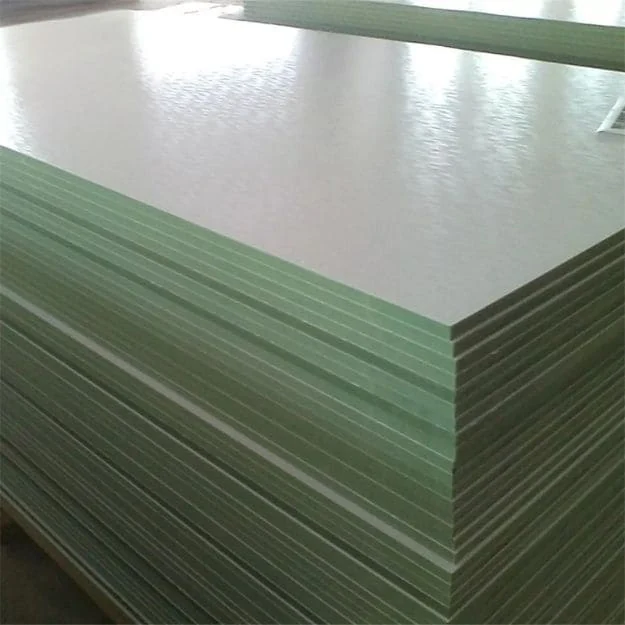
Lightweight MDF
Lightweight/ultralight MDF for furniture, decorative components and interior project handling requirements
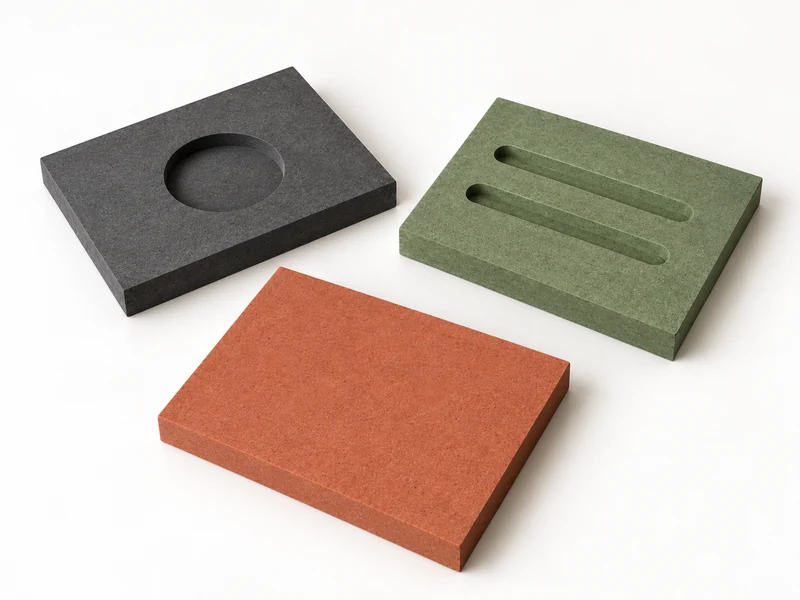
Coloured MDF
Through-coloured / colored / dyed MDF for exposed-edge furniture, routed details and interior components
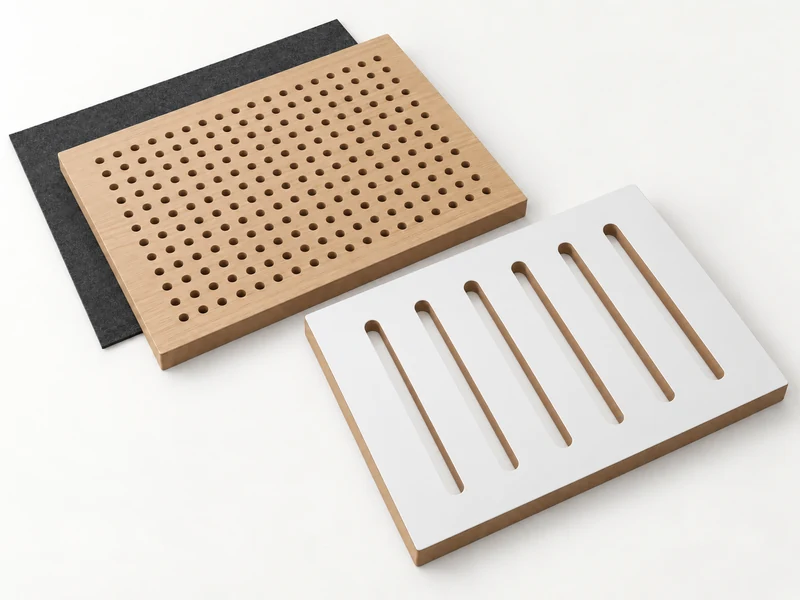
Acoustic MDF Panels
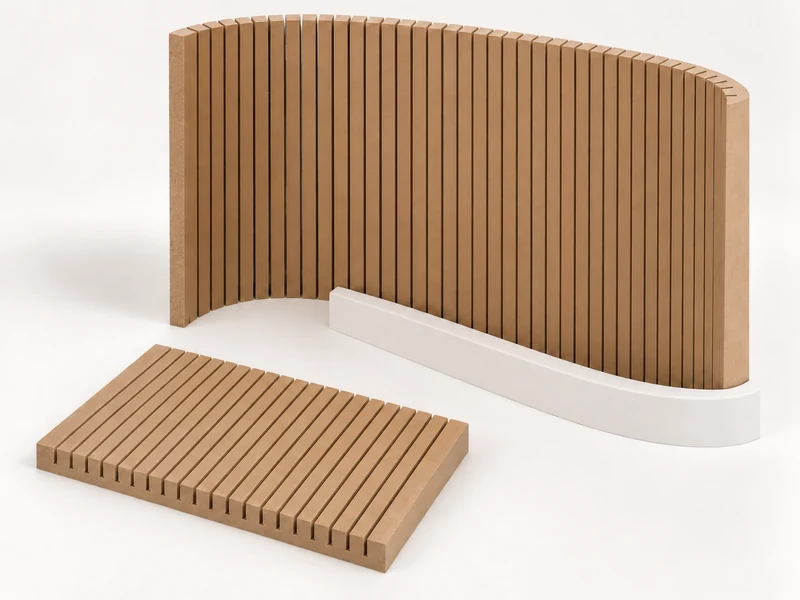
Acoustic / acoustical MDF wall and ceiling panels; perforated or slotted MDF for project interiors
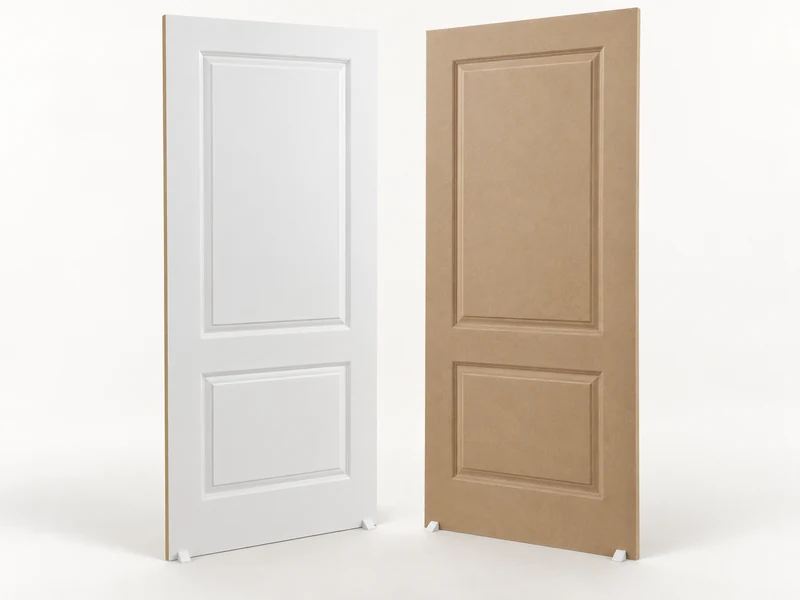
MDF Door Skins
MDF door skins / doorskins, moulded or molded style requirements for interior door facing components
| Product route | Start here when | What to compare |
|---|---|---|
| Plain MDFPainted, routed and laminated components | The substrate will be processed and finished downstream | Trial the actual profile, edge preparation and coating or laminating process. |
| Melamine MDF BoardReady-surfaced furniture components | Decor, edge band and grain direction form one schedule | Compare a finished cabinet component and identify matching groups. |
| Laminated MDF BoardSpecified laminate assemblies | The front, back, adhesive and edging must work together | Evaluate a complete door or panel and record the laminate system. |
| Wholesale MDF BoardMulti-item stock and production orders | Grades, thicknesses and delivery stages need coordination | Use item codes and separate the sample, packing and quantity for each stock line. |
A REPLENISHMENT LIST YOUR TEAM CAN USE
Start with demand by item.
For each stock line, list usable sheets, quantities allocated to customers, open orders and expected demand before the next delivery. Use those figures to propose the order mix, keeping project-specific items separate.
Order the missing stock by code, with a delivery date.
Choose a planning cut-off and calculate each item in its own quantity unit. In the example below, usable sheets include the sheets already reserved for customers and exclude damaged or held material. Additional demand excludes those reserved orders. Count incoming sheets only where their item and usable arrival by the cut-off are part of the agreed plan.
Proposed replenishment = max(0, reserved orders + additional demand + chosen end-stock target − usable sheets on hand − incoming sheets by the cut-off). All numbers below are chosen planning inputs, not CUZI stock, demand forecasts or packed-container quantities.
Scroll horizontally to compare all columns.
| Stock code | Planning inputs in sheets | Calculated item decision |
|---|---|---|
| W01 · raw MDF, 18 mm, 1220 × 2440 mm | 200 usable on hand; 120 reserved; 280 additional demand; 40 end-stock target; 80 incoming by cut-off. | 120 + 280 + 40 − 200 − 80 = 160 sheets to propose. Planned balance after reserved and additional demand: 40 sheets. |
| W02 · MR MDF, 18 mm, 2100 × 2800 mm | 90 usable on hand; 60 reserved; 80 additional demand; 20 end-stock target; 40 incoming by cut-off. | 60 + 80 + 20 − 90 − 40 = 30 sheets to propose. Planned balance after demand: 20 sheets. |
| W03 · a separately identified melamine item | 150 usable on hand; 40 reserved; 50 additional demand; 20 end-stock target; 60 incoming by cut-off. | 40 + 50 + 20 − 150 − 60 = −100; 0 additional sheets by this rule. Planned balance: 120, including 100 above the chosen target. |
Keep W01’s shortage and W03’s surplus on their own item lines because the panels serve different parts. W01 and W02 need 190 sheets in total. Add the rest of your order before planning bundles, weights and container loading.
Check the first shortage date as well as the final balance.
W01 has 80 sheets available after reserving 120 of its 200 usable sheets. If 100 more are needed by day 20 and the next 80 arrive on day 25, the workshop is short by 20 sheets on day 20. Bring delivery forward or adjust demand; the new 160-sheet delivery on day 42 covers the later balance.
Use dates for order confirmation, production, inspection, dispatch, transport and receiving readiness. CUZI's regular 7–15-day production period is one part of that timeline. Keep buyer-selected stock targets, actual order status and arrival assumptions with each code, then request the mix that meets your receiving plan.
One line for every board your warehouse must identify.
Build your mix from this illustrative four-line schedule. Add your quantities and complete construction before the packing plan is prepared; keep customer-specific decors and components distinct from regular replenishment.
Scroll horizontally to compare all columns.
| Example item | Specify the delivered board | Quantity, sample and pack reference |
|---|---|---|
| W01 · painted production | Standard raw MDF; 18 mm; 1220 × 2440 mm; requested E1 method; finished tolerance and paint/process brief. | Your sheet quantity; sample W01; agreed sheets per bundle, measured mass and W01 pack labels. |
| W02 · interior MR board | Moisture-resistant MDF; 18 mm; 2100 × 2800 mm; E1 requirement; actual component/exposure and finish. | Your sheet quantity; sample W02; separate MR item labels and bundle handling limits. |
| W03 · decorative furniture | Melamine MDF; chosen decor/texture/sheen; quoted finished thickness; front/reverse, grain and matching edge. | Your sheet quantity; decor/edge master W03; pack grouping by finish and stock/customer allocation. |
| W04 · HPL furniture panel | HPL faced MDF; requested 18 mm total panel and 0.8 mm HPL front; identify MDF/bonding and melamine reverse. | Your sheet/part quantity; complete sample W04; agreed finished scope, protection and part/item labels. |
- Plain MDF line
- Board grade, thickness, sheet size, emissions requirement and the painting or machining process it serves.
- Decorative line
- Facing/decor reference, finished thickness, front/reverse and the selected edge or component sample.
- Quantity plan
- Usable balance, allocated demand, incoming orders and the next-order quantity for each item code.
- Receiving plan
- Bundle quantities, pack labels, storage positions, handling limits and destination.
Calculate each line, then add the net board volume.
For an illustrative mixed-order calculation:
- 200 sheets, 1220 × 2440 × 18 mm: 200 × 1.220 × 2.440 × 0.018 = 10.71648 m³.
- 80 sheets, 2100 × 2800 × 18 mm: 80 × 2.100 × 2.800 × 0.018 = 8.46720 m³.
- Combined nominal net volume: 19.18368 m³ for the two calculation lines.
Use the panel quantity calculator for your own dimensions. Then request measured panel/bundle weights, packing dimensions and the proposed loading plan for the actual item mix and container type.
Request mixed-order loading dataThe mixed-panel item schedule guide helps organise quantities, samples and labels. Keep sheet calculations and packed shipment data together in the quotation.
Calculate sheet volume and plan the packed load
For a calculation using 200 sheets at 1220 × 2440 × 18 mm, net board volume is 200 × 1.22 × 2.44 × 0.018 = 10.71648 m³, or about 10.72 m³. Allow separately for packaging and loading gaps.
Request the proposed loading plan using the actual packed dimensions, gross weights, container type and applicable transport limits. Keep pack quantities and any proposed item adjustments in the order schedule.
FROM SAMPLE TO USABLE STOCK
Track each item through the order.
Use this worksheet for the selected sample and the corresponding receiving checks. Add your criteria before ordering, then record the shipment against the same item references.
| Check | Record during evaluation |
|---|---|
| Item specification | Item code, board grade, sheet size, nominal/finished thickness, facing and reverse references. |
| Workshop sample | Sample identity, tooling or finish process, edge treatment, component result and chosen order reference. |
| Documents & labels | Required product data, emission/test method, item revision and the bundle labels used in the packing list. |
| Received quantity | Bundle references, sheet counts by item, dimensions checked and any difference from the packing list. |
| Condition at receipt | Pack/edge condition, photographs, affected quantities and items separated for follow-up. |
| Replenishment mix | Usable stock, quantities allocated to customers, upcoming demand, open orders and proposed next-order quantities by item. |
Keep discrepancies against the original item
A received bundle differs from the schedule
Record its label, sheet count, board details and photographs before reallocating it. Keep any shortage, wrong item or transit damage against the relevant packing-list line for follow-up.
The warehouse has stock, but the required line is short
Count available stock separately from reserved orders and boards awaiting review. Plan replenishment by grade, thickness and finish so the right items arrive for production.
FAQ
Wholesale MDF buying questions.
What is the minimum order for wholesale MDF?
The minimum order is one container. Send the desired board types, sizes, thicknesses and quantities so the quotation can be prepared around your item mix.
Can I mix different MDF items in one container?
Mixed loads are available. List each board grade, thickness, sheet size and facing separately, then agree the proposed pack quantities and loading schedule with the quotation.
Which plain MDF thicknesses and grades can you supply?
Standard raw MDF is available in 2.5–35 mm with E0, E1 and E2 options. Moisture-resistant MDF is available in 9–25 mm with E0 or E1; fire-retardant MDF covers 9–25 mm with E0 or E1 options. Include the required test method and destination in your inquiry.
Which sheet sizes are regular, and which are on request?
Regular MDF sizes are 1220 × 2440 and 2100 × 2800 mm. Request 1220 × 3050, 1830 × 3660 or 1220 × 3660 mm for larger formats. Other sheet sizes and cut-to-size panels are on request.
Which decorative MDF options can I include?
Compare melamine faced MDF and laminated MDF with HPL, melamine or PVC facings. Laminated panels can be single-sided or double-sided. Specify the finished thickness, facing reference, reverse and edge detail for each item.
Are samples free for a wholesale order?
Samples are free; you pay courier freight. Sample freight is credited in full against your formal order. Identify the items and workshop processes you want to trial so the sample request follows the intended order.
Should every thickness use the same sample?
No. Each materially different grade, thickness and processing route needs a representative sample or an agreed coverage basis. Select trials around the grades, thicknesses and constructions that serve different processes. A flat decorative panel and a routed painted component need different observations; keep the sample identity against its item code.
How long does a regular MDF order take?
Regular production takes 7–15 days, with shipping time additional. The quotation confirms the production schedule for your selected item mix and processing requirements.
Can you provide FOB or CIF pricing?
Yes. Request FOB with the shipment port or CIF with the destination port. Send quantities by item and the required packing or processing so the quote describes the complete order.
Can I review an MDF test report before ordering?
Yes. Review the RAW MDF property report and two SGS emission reports before preparing your order mix. The RAW report lists nine physical, mechanical and emission properties for interior MDF. The standard 18 mm MDF and HMR MDF reports each record 0.080 mg/m³ under EN 717-1:2004 with a PASS conclusion. Include the grade, thickness, finished construction and destination with your item-level document request.
Where should I start with substrate selection?
Start with plain MDF for machining and painting, melamine MDF for decorative flat components, and laminated MDF for a specified HPL, melamine or PVC facing construction.
How do I compare wholesale MDF prices?
Use the same board grade, finished dimensions, emission requirement, facing and quantities by item. Ask which processing, packing and shipment scope the price includes, with the named port, currency, unit and quote validity. Request a line-by-line comparison quote.
How many sheets fit in a mixed MDF container?
Start with net board volume for each size and thickness, then request the packed loading plan using measured masses, bundle dimensions and the proposed container type. The final quantity follows the actual mix, packing and transport/handling limits.
Can I use the same emission file for every stock item?
Only when the file explicitly covers each stock item’s construction and required test scope. Keep the method, results and covered board construction/dimensions against each offered item. For faced boards, include the complete facing/bonding/reverse information and the destination or customer requirements in the item-level document request.
How should I order again without changing the specification?
Use the previous item and sample/finish references, then list revised quantities and any agreed change in construction, drawing, surface or packing. Prepare the repeat order with your next receiving date.
Do you quote MDF as sheets or finished components?
Both full sheets and drawing-based components can be quoted. Specify the delivered scope for each line: full sheets, cut panels or machined/edged components. For drawing-based items, use MDF machining and cut-to-size panels, with numbered dimensions, tolerances, operations and quantities.
What is needed for a wholesale MDF quotation?
Send a size-and-quantity schedule, core grade, surface requirements, emission test requirement and destination. Add sample requirements and any packing or marking instructions.
Further reading: Mixed panel orders: build an item schedule the workshop can use or Plywood volume calculations: separate net panels from packed cargo. Compare your shortlisted panels.
START WITH YOUR ITEM LIST
Build a quote around your next container.
Send your MDF items, quantities and destination to begin. Use this outline when you want to include the complete specification and packing schedule.
Open the wholesale MDF inquiry outline
I would like a quotation for Wholesale MDF Board.

Application / destination:
Thickness / sheet or finished part size:
MDF grades / thicknesses / formats by item:
Emission requirements / decor or finish:
Mixed-load items / quantities / staged deliveries:
Quantity / mixed-load items / spares:
Samples or product documents needed:
Packing / FOB or CIF port / required date:
Create separate lines for plain MDF, melamine faces and other laminate assemblies. Keep the finished thickness and processing scope with each item.