FROM YOUR APPLICATION TO A COMPARABLE QUOTE
Buy the panel your finished product needs.
Bring the board construction and bond requirement into the same order.
Looking for WBP plywood for an exposed component, site panel or recurring stock line? Tell CUZI what you are making, how the panel will be used and the finish your customers expect. We can then discuss the proposed construction, sample and quotation against that application.
Use WBP as the starting point for the conversation. Add the required bond performance, face grade, core and dimensions so the offer describes the panel you want to purchase and reorder.
Replace a broad WBP label with the bond requirement you need.
CUZI offers WBP plywood to European EN bond requirements and can arrange testing to buyer-specified requirements. Choose the requirement your project calls for; the quotation identifies the proposed panel and the supporting test scope.
Scroll horizontally to compare all columns.
| Purchase requirement | Connect the bond with the intended conditions | Data for the proposed panel |
|---|---|---|
| Dry conditions | EN 314-2 Class 1 describes a dry-condition bond requirement. Include the actual interior component and any cleaning or moisture exposure. | Request the required class and edition, with EN 314-1 preparation and results for the offered construction. Discuss a dry-condition bond |
| Humid conditions | EN 314-2 Class 2 describes a humid-condition bond requirement. State the shelter, expected moisture and complete component finish. | Connect the selected panel, required class and test method with the protected service position. Discuss a humid-condition bond |
| Exterior conditions | EN 314-2 Class 3 describes an exterior-condition bond requirement. Specify wetting, drying, cut edges, joints and maintenance. | Request bonding results for the offered panel plus the separate product and finishing requirements for the application. Discuss an exterior-condition bond |
| Buyer-specified method | Send the named standard, edition, preparation, acceptance criteria and relevant destination or customer specification. | Ask for testing and the proposed construction against your written requirement. Request buyer-specified bond testing |
What does WBP tell the buyer?
WBP is a trade description associated with water-resistant bonding. Put the named bond requirement, test method and required result in the specification. Include the panel's face, core and intended use alongside those details.
Planning a finished outdoor component? Use our Exterior Grade Plywood page to bring the product grade, service exposure, surface and edge protection into the same panel brief.
Clarify how a bond description relates to the whole panel in our marine versus exterior plywood guide, including WBP, veneer construction and requested product documents.
Preparing an EN-based requirement? The plywood bond-class and WBP guide connects dry, humid or exterior conditions with the named standard, method and panel data to request.
CHOOSE FOR THE WAY THE PANEL IS USED
Components, site panels and merchant stock.
Scroll horizontally to compare all columns.
| Application | Bring the full component brief | Start with a working sample |
|---|---|---|
| Finished exposed component | Drawing, service position, wetting/drying, coating system, edges, openings and joints. Identify any product designation and directional properties required for the part. | Test the panel in your actual machining, finishing and fitting process. Request a finished-component trial |
| Site panel and formwork | Panel schedule, support/fixing requirements from the designer, working face, cut sizes, site exposure and handling routine. | Review the proposed construction and edge preparation before committing the item schedule. Request a site-panel sample |
| Merchant and recurring stock | Separate face/back, core, bond requirement, thickness, size and quantities for each stock code. Include customer use and required documents. | Keep an identified physical sample with each recurring stock line. Request WBP stock samples |
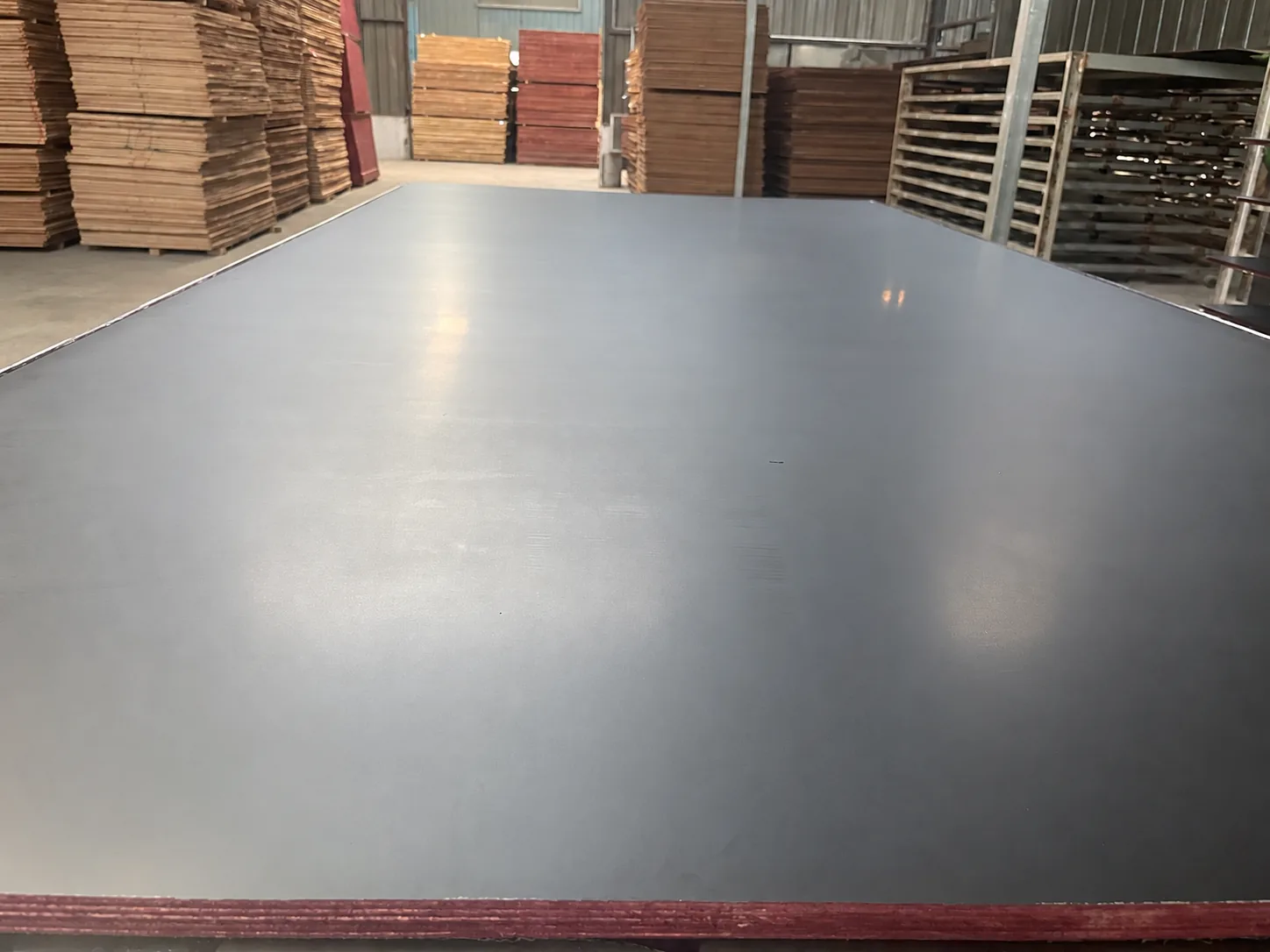
For concrete-contact surfaces, use Shuttering Plywood to choose the overlay, core and representative pour trial. For an overlaid face, explore film faced panel selection. For marine or load-bearing work, include the full requirements on the marine plywood or structural plywood route.
Specifications
Supply specifications
Regular sizes mm · width × length
On request
Other sheet sizes and cut-to-size panels on request.
| Nominal thickness | 3–30 mmDiscuss finished thickness and tolerances → |
|---|---|
| Core / substrate | Poplar, birch or eucalyptus |
| Face / back grade | BB/CC; C/D |
| Bond / adhesive | European EN bond requirements; testing to buyer-specified requirements on request |
Details for your application
Panel construction and finishing
| Panel | Plywood quoted against the intended component or site use and required bond performance. |
|---|---|
| Face & core | Face/back species and grade, core lay-up and surface requirements identified in the item quotation. |
| Bond | European EN bond requirements; identify the required standard, class and test scope with the order. Buyer-specified testing on request. |
| Finish & exposure | Coating, exposed edges, joints and fixing details described for the finished component. |
| Order scope | Sheet or cut dimensions, quantities, sample needs and packing quoted by complete item description. |
Supply specifications
Start with the sheet format, thickness and quantity you need. Include the required face, core and bond details so the quotation covers the complete panel.
| Bond requirement | Required standard or classification, test method and acceptance result for the proposed panel. |
|---|---|
| Thickness & core | 3–30 mm; poplar, birch or eucalyptus cores. Specify the finished tolerance, full veneer lay-up and grain direction. |
| Face & back | BB/CC or C/D face/back pairs. Identify the face and reverse species, grading basis, repair limits and sanding or overlay requirements. |
| Exposure & finish | Indoor or outdoor position, expected wetting and drying, finish and edge treatment. |
| Finished dimensions | Regular 1220 × 2440, 1250 × 2500 or 1525 × 3050 mm. On request: 1220 × 3050, 1250 × 3660 mm, other formats and cut sizes; specify orientation, joints, holes and quantities. |
| Documents & delivery | Required product data, sample reference, packing and destination port. |
For general fabrication, compare the panel construction on Commercial Plywood. Include any additional performance required by your finished component.
CHOOSE YOUR STARTING POINT
A component, a quotation comparison or your next container.
Follow the route closest to your purchase. Start with the details you have and use the sample and quotation to settle the remaining choices.
Compare the construction before choosing the core.
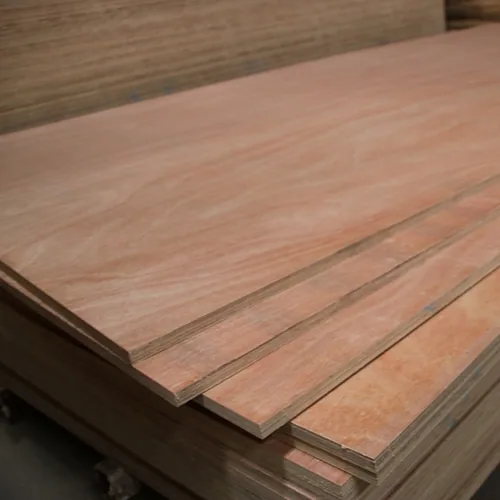
Choose the core for the part you make and the price you need to achieve. A consistent comparison makes differences in the proposed constructions easier to see. The 18 mm basis below is a comparison request within the available 3–30 mm range.
Scroll horizontally to compare all columns.
| Core option | Describe the inner veneers | Sample comparison |
|---|---|---|
| Poplar | Poplar inner veneers; identify face/back species, veneer gauges and layer order. Compare measured mass, edge machining and fixing with the finished component. | Keep the face grade, thickness, format and requested bond requirement the same across samples. Compare a poplar-core WBP panel |
| Birch | Birch inner veneers with separately identified face/back. Ask for the complete lay-up and the relevant directional properties when your application requires them. | Use the same cutting, fitting and finishing process as the poplar and eucalyptus alternatives. Compare a birch-core WBP panel |
| Eucalyptus | Eucalyptus inner veneers with identified face/back and layer sequence. Review cut-edge appearance, hardware engagement and measured mass on the proposed construction. | Evaluate the offered item against the same drawing, tolerances and finishing brief. Compare a eucalyptus-core WBP panel |
Select the face your customer will see.
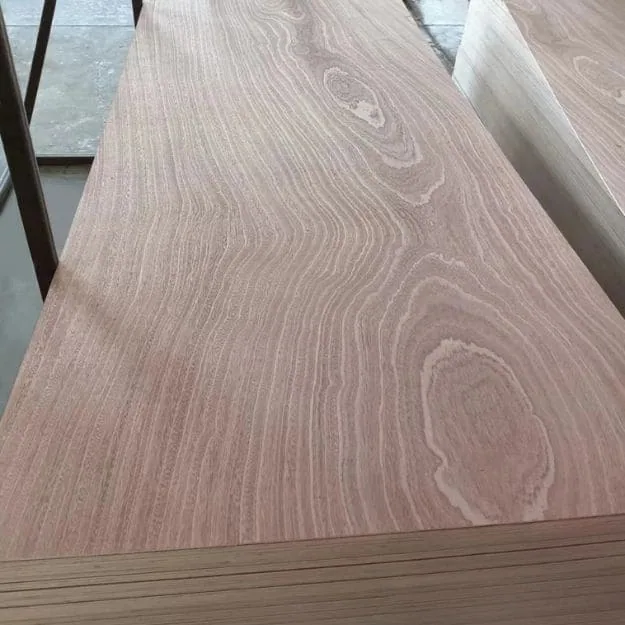
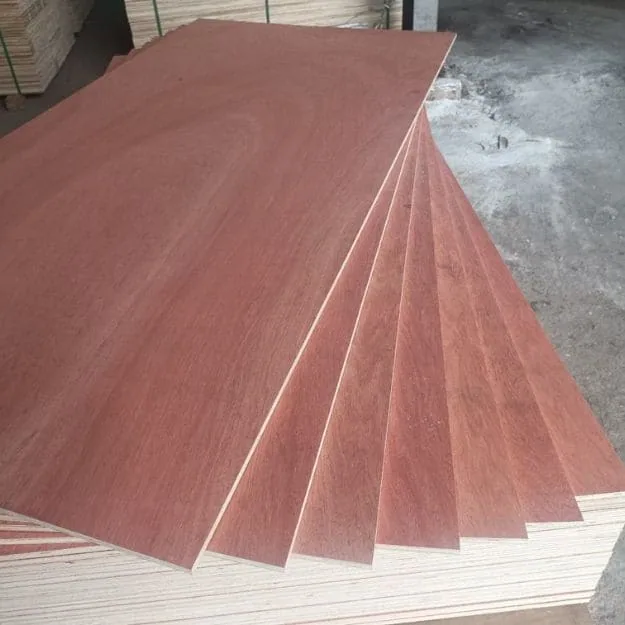
Specify a face/back pair and the grading basis with a physical reference. Add the required bonding performance on the same item line; appearance and bond are separate decisions.
Scroll horizontally to compare all columns.
| Grade pair | Describe the working surfaces | Appearance sample |
|---|---|---|
| BB/CC | BB face / CC back. Agree the veneer species, repair limits, sanding and physical appearance reference for the face and reverse. | Show the visible side, cut edge and planned finish under the intended viewing conditions. Request BB/CC WBP samples |
| C/D | C face / D back. Agree the allowed appearance and repairs on both sides, particularly where a face will be covered or concealed. | Check the same component and finish against the alternative grade before selecting the order item. Request C/D WBP samples |
Develop a finished component
Share the drawing, surface reference and expected exposure. Connect the sample with your coating, machining and edge-treatment process.
Plan a component sampleCompare WBP quotations
Put the face, core, bond requirement and finished dimensions beside each price. Keep the packing and delivery scope the same across offers.
Prepare a comparable briefPlan recurring stock
List quantities by panel construction and size. Retain the selected sample and bond description with the item code for future orders.
Plan your container mixCOMPARE OPTIONS
Your selection at a glance
Panel & finish
3–30 mm with poplar, birch or eucalyptus cores and BB/CC or C/D faces. Include the tolerance, machining and finish your component needs.
Bond & exposure
European EN bond requirements, with buyer-specified testing on request. Include the required standard, class and intended exposure in your specification.
Price & repeat supply
Compare the same dimensions, construction, processing, quantities and FOB/CIF scope; retain the selected item for repeat orders.
PUT THE BOND REQUIREMENT WITH THE PANEL
Request the information your order needs.
Send the required standard, destination and application with your panel inquiry. Identify the product data or test information your team needs to review the proposed construction.
Keep the panel description, sample and document references together. Add marine, structural or other product requirements when the application calls for them.
Scroll horizontally to compare all columns.
| Purchasing decision | Information tied to the offered item | Request the relevant file |
|---|---|---|
| Verify the required bond | Named standard and edition, required class or buyer method, specimen preparation/conditioning and relevant test results/assessment, with the panel model and lay-up. | Set the required exposure class or provide your own method. Request WBP bond information |
| Review the finished component | Face/back and full veneer schedule, measured dimensions/tolerances, application-required properties, machining and finish/edge instructions, and any separately specified product standard. | Connect the panel data with the actual drawing and finished-detail trial. Request component panel data |
| Match data to the order line | Model/sample identity, construction and thickness scope, test/reference date, item/lot references and packing labels. Ask which offered configuration the supplied data covers. | Keep the product, sample and relevant document references together. Request an item-to-report match |
Read the file against these six item details.
- Panel identity: product/model and sample reference.
- Construction: face/back, inner species, veneer gauges and layer sequence.
- Dimensions: tested thickness, measured sizes and applicable scope.
- Test preparation: named method/edition, specimen conditioning and pre-treatment.
- Results and assessment: the values, classification and acceptance basis relevant to the requested bond.
- Order connection: offered item, relevant construction range and agreed labels or lot references.
When the project specifies a whole-panel designation such as EN 636, include that requirement separately from the EN 314 bond class. Add the required emission method and destination/customer limits to the product file.
Connect the report with the order item
Ask which panel construction and dimensions the supplied information covers. Carry the required bond performance and the selected item description into the quotation and order schedule.
Product data & reports to request
Request a technical data sheet covering:Request the declared adhesive/bond system, test standard, conditioning procedure and results for the offered panel.Include these specification details:- Face/back grade, core, lay-up, dimensions and tolerances.
- Bond specification, required test method and relevant results for the offered panel.
- Panel identity, scope of the product documents and instructions for finishing, handling and exposed edges.
Company documents to view
FSC chain of custody Wood panels · purchase & salesISO 9001 & ISO 14001 Management systems · stated sales activitiesView our company certificates alongside the technical data for your selected panel.Bond-specified plywood: what to match
- Bond data
- Request the declared adhesive/bond system, test standard, conditioning procedure and results for the offered panel.
- Panel details
- Keep face and core species, ply count, thickness and sample reference with the bond report.
- Intended use
- Include exposure, coating and edge sealing. State any separate structural, marine or emission requirement for your destination.
BEFORE YOU ORDER
Ordering information
- Minimum order
- 1 container
- Regular lead time
- 10–15 days
- Samples
- Free samples
- Quotation terms
- FOB / CIF
Sample freight & order notes
- Minimum order: Mixed loads available.
- Regular lead time: Production; shipping time is additional.
- Samples: Buyer pays freight; full credit on a formal order.
- Quotation terms: Name the port in your inquiry.
TRY THE PANEL IN YOUR OWN PROCESS
Start with a sample of the construction you want.
Request a free WBP plywood sample with the thickness, face, core and intended use you have in mind. Tell us the sample size you need for a surface or component review. You pay sample freight, which is credited in full against your formal order.
- Choose the proposed panelInclude the bond requirement, face/back grade and core. Keep the sample reference with the item being quoted.
- Try the finished detailCheck machining, appearance and the planned coating, cut edge or fixing detail in your process. Record the conditions used.
- Take the chosen item into the orderRetain the selected construction, bond description and sample observations with the quantities and delivery scope.
Record face preparation (A), the new cut-edge treatment (B) and service-opening preparation (C) with the coating products and application conditions. Inspect the finished appearance and fit, then retain the selected panel and process references.
Plan the bond and component checks
Use the specified method and acceptance criteria for a required bond test. For your component review, record the panel, coating, joints, cut edges and exposure conditions. Keep the two records with the same proposed construction.
PACK FOR THE TEAM THAT RECEIVES IT
Make the bundle labels follow the order.
Request FOB with the shipment port or CIF with the destination port. Include item quantities, surface and edge protection, unloading limits and your target receiving date.
Keep different faces, cores and bond specifications on separate item lines. For cut components, agree part-number labels and packing that protects the surfaces and finished edges.
Include your destination and receiving requirements with the panel inquiry so the order mix and shipment can be quoted together.
Match the delivery with the selected item
Check bundle references, sheet counts, dimensions and panel condition against the schedule. Retain the product description and any photographs with the order reference before allocating material to the component or stock line.
THE MIX YOUR BUSINESS USES
Build the next container around clear item specifications.
The minimum is one container, with mixed loads available. List quantities by thickness, face, core, bond requirement and sheet format so the proposed mix can be quoted and packed by item.
Regular production takes 10–15 days, with shipping time additional. Include your target receiving date and any processing needs so the quotation connects the selected constructions, production and shipment.
For recurring purchases, retain the chosen sample and complete item description. Flag changes to the application, finish, dimensions or destination before requesting the next order.
Keep stock and component items distinct
Separate full sheets, cuts and component parts in the schedule. Use item labels that identify the face, core and agreed bond requirement, so warehouse and production teams can allocate each pack.
MAKE THE QUOTATIONS EASY TO COMPARE
Put the same six details beside every price.
A useful comparison starts with the panel you intend to buy. Connect the construction, intended exposure and delivery scope in one brief.
- Application & finish
- Component or site use, indoor/outdoor position, exposure and the required surface appearance.
- Bond requirement
- Named classification or standard, test method, required result and relevant product data.
- Panel construction
- Thickness, tolerance, face/back species and grade, core and lay-up.
- Sizes & processing
- Sheet or cut dimensions, orientation, machining, coating and edge-treatment requirements.
- Items & quantities
- Full sheets, cut pieces and recurring stock quantities by complete item description.
- Packing & arrival
- Protection, bundle labels, receiving limits, FOB/CIF port and target arrival date.
Compare the delivered part and the work it still needs.
Ask each supplier to price the same face/back pair, core lay-up, thickness and bond requirement. Keep quantity, port and shipment terms consistent. Compare the usable cutting yield, finishing and edge preparation, packing and named delivery scope alongside the sheet price.
A useful order line could read: 18 mm WBP plywood; 1220 × 2440 mm; BB/CC face/back; selected poplar, birch or eucalyptus core; buyer-required bond standard/class and test information; quantities and named FOB/CIF port. Add the actual veneer species, tolerance and component finish before accepting the offer.
Compare the cost of the finished items
Use the cutting list to compare usable pieces from each sheet format. Add the specified processing and finishing work, then compare offers for the same panel construction, quantities and shipment scope.
ONE RECORD FOR COMPARISON AND REPEAT PURCHASES
Keep the selected panel easy to identify.
Use the worksheet to connect the quotation, product information and component trial. Your purchasing team can then refer to the same construction in the next order.
| Check | Record during evaluation |
|---|---|
| Application & exposure | Finished component, use, location, wetting/drying conditions, finish and maintenance routine. |
| Panel construction | Sample or order item, thickness, tolerance, face/back grade, core and lay-up. |
| Bond & product data | Required classification or standard, method, result, product reference and document scope. |
| Component trial | Cutting, machining, coating, edge and fixing details, evaluation conditions and observations. |
| Receipt & identity | Bundle labels, quantities, dimensions, panel condition and sample or lot references. |
| Selection & next order | Selected item, agreed construction and bond description, required changes and repeat-order quantities. |
For receiving checks, use the storage and conditioning guide. Photograph any panel or bundle difference before processing and use the plywood nonconformity record to connect the location, item and order reference.
Resolve a quotation or component difference
Two offers describe different panels
List the face, core, bond, dimensions and delivery details for each. Ask for the missing item information so both offers can be compared against your written specification.
The finished detail needs adjusting
Record the change and its location on the component drawing. Review the finish, exposed edges, joints and panel specification, then identify the next trial you need.
FAQ
WBP plywood buying questions.
What should I include in a WBP plywood inquiry?
Send the application, size, thickness, quantity and destination. Add the face/back grade, core and required bond performance so the proposed panel can be quoted against a complete item description.
Which sheet sizes are regularly supplied?
Regular plywood formats are 1220 × 2440, 1250 × 2500 and 1525 × 3050 mm. Sizes including 1220 × 3050 and 1250 × 3660 mm, other formats and cut-to-size panels are available on request.
Which thicknesses, cores and face grades do you supply?
WBP plywood is available in 3–30 mm with poplar, birch or eucalyptus cores. Face/back options are BB/CC and C/D. Include the required tolerance, surface and processing details with the quotation request.
What bond requirements and testing are available?
Bond performance is offered to European EN requirements, with testing to buyer-specified requirements available on request. Include the required standard, part, class and test scope so the quotation and product information address the panel you are ordering.
Does a WBP bond protect every part of the finished component?
The component also needs a suitable finish, edge treatment, joints and fixing details for its exposure. Include these in the drawing and follow the supplied panel and finishing instructions.
Which route should I use for marine or structural work?
Bring the application-specific grade and product requirements into the inquiry. See the marine specifications or structural plywood route to organise the corresponding project details.
Can I request an overlaid working face?
Include the surface requirement with your panel request. Use film faced plywood to compare overlay, core and project-use details alongside the specified bond performance.
What is the minimum order, and can I mix items?
Orders start at one container. Mixed loads are available; list each complete panel specification, size and quantity so the mix, packing and delivery can be priced together.
How do free samples work?
Request the proposed construction and sample dimensions for your surface or component review. Samples are free; you pay courier freight, which is credited in full against your formal order.
What lead time and quotation terms do you offer?
Allow 10–15 days for regular production, plus shipment time. FOB and CIF quotations are available; name the relevant port, required item mix and planned receiving date.
What makes two WBP quotations comparable?
Compare the face, core, bond requirement, dimensions, processing and quantities against the same brief. Include packing and shipment terms so the price comparison covers the same order scope.
Is WBP the same as an EN 314-2 Class 3 requirement?
Put the named EN class and test information in the inquiry. WBP is a trade description; a comparable quotation states the required bonding class, method, proposed construction and supporting results. Use the bond-class guide when preparing that specification.
Does an exterior bond make the complete panel waterproof?
Select the panel and finish for the actual exposure. Faces, cut edges, holes, joints and the veneer construction still matter. For a finished exterior component, connect the product requirements with its coating, installation and maintenance brief on Exterior Grade Plywood.
Can you test to my buyer's bonding method?
Yes. Send the standard and edition, preparation, required results and proposed panel construction. Use buyer-specified testing to carry those requirements into the inquiry.
How should I compare poplar, birch and eucalyptus cores?
Keep the face/back grade, thickness, format and bond requirement the same. Request the complete lay-up and evaluate actual mass, machining, fixings and finish against your own component. The core comparison above uses an 18 mm, BB/CC and 1220 × 2440 mm request basis.
Can I compare BB/CC and C/D before ordering?
Yes. Ask for both appearance pairs on the same core and thickness, identify the grading basis and compare under your intended finish. Request a WBP grade comparison with the visible and concealed surfaces from your drawing.
Is WBP a complete plywood specification?
Use the WBP description with a named bond requirement, face/back grade, core, thickness and intended exposure. Add any marine, structural or other application-specific requirements so the quotation identifies the complete panel.
Which guides can help me choose this panel?
For this product, read Plywood Bond Classes and WBP or Marine vs Exterior Plywood. Use the panel comparison to compare your shortlist before requesting samples or a quotation.
START WITH YOUR NEXT PANEL ORDER
Tell us what the panel will become.
Send the application, size, thickness, quantity and destination to start. Open the outline when you are ready to add the face, core, bond and finishing details.
Open the WBP plywood inquiry outline
I would like a quotation for WBP Plywood.

Application / destination:
Thickness / sheet or finished part size:
Bond class / test standard:
Face and back / core / grade:
Exposure / coating / edge protection:
Quantity / mixed-load items / spares:
Samples or product documents needed:
Packing / FOB or CIF port / required date:
Explore marine specifications for marine applications, film faced panel selection for overlays, or commercial plywood for general fabrication.