
FROM A WOOD FINISH TO A FINISHED DESIGN
Make the grain part of the design.
The appeal of decorative plywood is in the surfaces people see together: a pair of cabinet doors, a furniture front or a continuous wall. Start with that finished view when choosing your veneer.
Bring CUZI your design, preferred wood appearance and intended finish. Choose red oak, walnut, beech, sapele, bintangor or okoume veneers on 3–30 mm panels, with poplar, birch or eucalyptus cores. Single or double sided faces and veneer matching are available. Add the reverse face and finish your component needs so the quotation describes the complete panel.
For adjoining surfaces, share an elevation or numbered cutting list. Discuss the grain direction and matching method before the sheets are allocated to doors, returns or access panels. A selected surface can then move from the sample to the workshop with a clear place in the design.
Compare book matching and slip matching
Book matching reverses alternate veneer leaves to create a mirrored grain arrangement. Slip matching places successive leaves alongside one another without that reversal. Review several adjoining leaves under your intended finish and lighting. The matching method describes the leaf arrangement; sheet-to-sheet sequence also needs a place on the panel schedule.
If your design calls for a printed decor rather than a wood veneer face, explore melamine faced plywood. Match the surface master, plywood core, reverse and finished edge for the furniture part.
Compare the wider hardwood-faced plywood routes when choosing the visible species and inner construction for your next furniture or interior panel.
WOOD SURFACES YOUR CUSTOMERS WILL NOTICE
Bring cabinetry, furniture and interiors together.
Scroll horizontally to compare all columns.
| Application | Drawing / layout | Finished sample |
|---|---|---|
| Cabinet doors and drawer fronts | Paired doors, drawers, grain arrows, hinge/latch positions and finished edges. | Adjacent veneer faces under the intended finish; representative joint and actual hardware. Request a door-set sample |
| Wall panels and interior joinery | Numbered elevation, joints, access doors, corners, returns and spares. | Finished face, joint/return detail and the panel numbering and grain direction. Request a wall-detail sample |
| Furniture collections | Visible fronts, side/return pieces and the appearance range for the next batch. | Finish, cut edge and adjoining parts with retained veneer/coating references. Request a furniture sample |
Explore walnut for a darker wood palette, sapele for its grain character, or natural veneer plywood for a broader selection. Compare the actual veneer under the coating your design will use.
Specifications
Supply specifications
Regular sizes mm · width × length
On request
Other sheet sizes and cut-to-size panels on request.
| Nominal thickness | 3–30 mmDiscuss finished thickness and tolerances → |
|---|---|
| Core / substrate | Poplar, birch or eucalyptus |
| Surface finish | Red oak, walnut, beech, sapele, bintangor or okoume veneers; single or double sided; veneer matching available |
Details for your application
Panel construction and finishing
| Face veneer | Red oak, walnut, beech, sapele, bintangor or okoume veneers. |
|---|---|
| Thickness & core | 3–30 mm panels with poplar, birch or eucalyptus cores. |
| Visible faces | Single or double sided; reverse-face appearance and treatment identified with the item. |
| Matching & sequence | Veneer matching available; leaf arrangement, grain direction and matching groups agreed with the drawing. |
| Surface & order | Intended coating, finished sample, selected spares and pack labels coordinated with the item schedule. |
Choose the surface. Specify the complete panel.
Use the sheet formats below to plan your components, then add the veneer and panel construction to each item. Mark which surfaces will be seen together and which will be finished by your workshop.
- Veneer appearance
- Red oak, walnut, beech, sapele, bintangor or okoume; chosen cut and accepted colour or character range.
- Match & sequence
- Veneer matching available; agreed leaf arrangement, grain direction, panel numbers, adjoining doors and returns.
- Panel construction
- 3–30 mm with poplar, birch or eucalyptus cores; single or double sided. Include the bond and reverse-face requirements.
- Surface & edges
- Face veneer thickness, sanding requirement, edge detail and the intended coating, stain or oil.
- Finished dimensions
- Sheet or cut-panel size, machining requirements, openings and tolerances affecting assembly.
- Quantity & destination
- Sheets by item or matching set, selected spare material, pack labels and destination port.
Choose the thickness and core from the available range, then send the veneer, face arrangement and quantity. Review the proposed combination, sample and quotation together; the face veneer and internal core are separate material choices.
CHOOSE THE ROUTE THAT FITS YOUR DESIGN
Choose the wood face. Plan the whole composition.
If your drawing specifies an MDF substrate beneath the wood face, use the veneered MDF inquiry to discuss that combination. Keep MDF and plywood named separately when comparing the proposed panels.
Start with the surfaces that need to work together. Match the sample and panel schedule to that scale, then plan the quantity you want to buy.
Six veneer choices for the surfaces you sell.
Choose your starting wood reference, then compare grain, colour and permitted natural features under the intended finish. Name the decorative veneer, reverse face and plywood core separately.
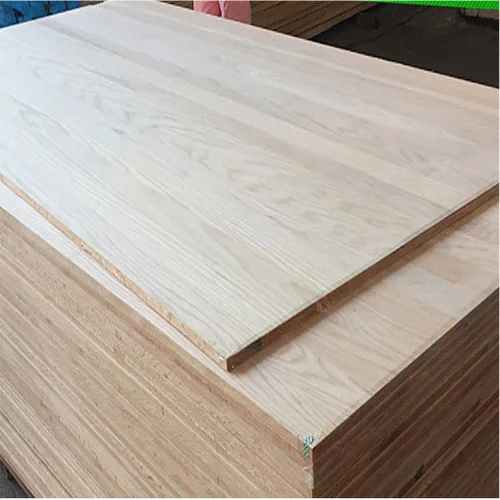
Red oak
Explore red oak panelsRequest red oak sample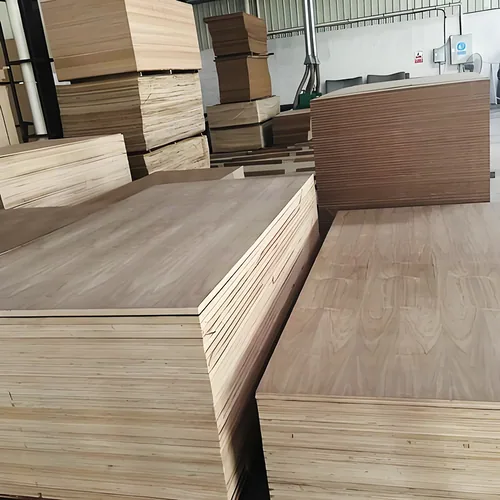
Walnut
Explore walnut panelsRequest walnut sample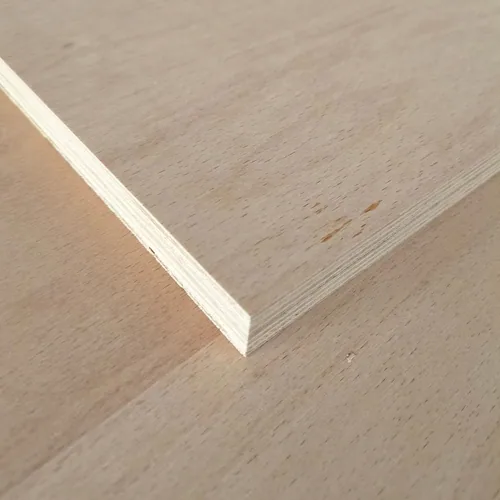
Beech
Explore beech panelsRequest beech sample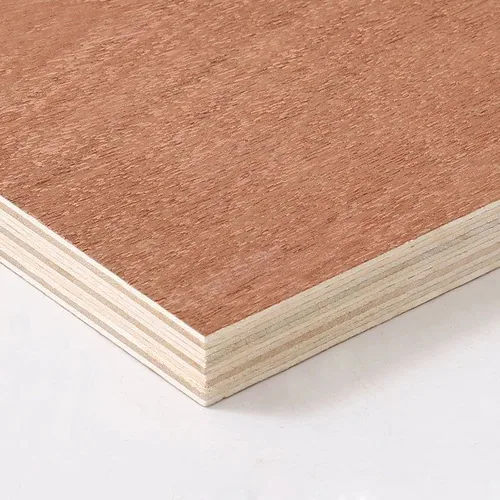
Sapele
Explore sapele panelsRequest sapele sample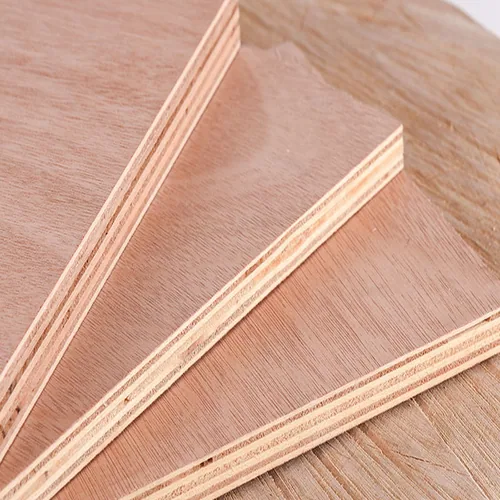
Bintangor
Explore bintangor panelsRequest bintangor sample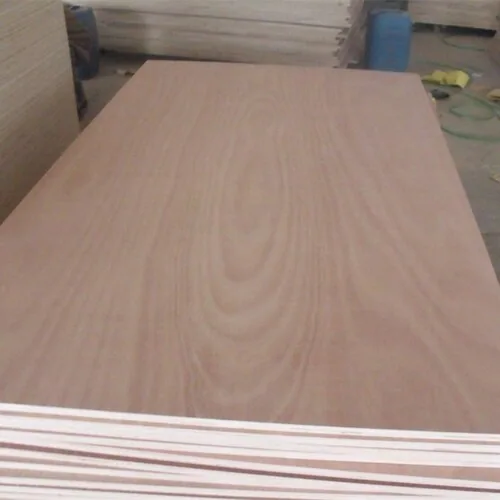
Okoume
Explore okoume panelsRequest okoume sampleUse the photographs to start the wood comparison. Keep a physical appearance range and the proposed veneer identity, cut and thickness with the quoted item; your finished sample sets the colour and sheen reference.
For selecting natural wood character and variation, explore Natural Plywood. Use this decorative plywood page to bring the selected face, reverse, matching layout and core into one order item.
Decide the leaf arrangement and panel sequence together.
The leaf match describes the face arrangement; the panel map identifies where each finished piece belongs. Send both with the cutting list and finish reference for the proposed sample and quotation.
Single or double sided: identify every viewing surface.
Scroll horizontally to compare all columns.
| Panel arrangement | Specify the face and reverse | Sample to discuss |
|---|---|---|
| Single decorative face | Name the main veneer, matching and finish. Describe the reverse veneer, preparation and treatment in the same construction. | Face, full cut edge and reverse; intended coating and edge detail. Request a single-face sample |
| Two visible faces | Identify the decorative reference for each side and whether they need the same appearance, matching and finish. Include openings and visible edges. | Both finished viewing faces, edge and component drawing. Request a double-face sample |
| Raw veneer for workshop finishing | Name the veneer and surface preparation, face thickness and sanding scope, then retain the intended coating/stain and sheen. | Raw reference and a working detail under your intended finish and lighting. Request a finishing-trial sample |
Overall panel thickness is 3–30 mm with poplar, birch or eucalyptus core options. Face veneer thickness and the reverse treatment are separate item details. Specify them with the finished dimensions and relevant bond/emission documents.
COMPARE OPTIONS
Your selection at a glance
Veneer & faces
Choose red oak, walnut, beech, sapele, bintangor or okoume veneers, with a single or double sided finish. Compare the selected wood under the intended coating.
Thickness & core
3–30 mm panels with poplar, birch or eucalyptus cores. Specify the construction, reverse face, edge detail and tolerances for the component.
Matching & repeat
Veneer matching is available. Give adjacent doors, wall panels and spares a place on the numbered design, then retain the appearance and finish references for the next batch.
GIVE PURCHASING AND FABRICATION THE SAME PANEL
Put the veneer reference beside the construction.
Request product information against the decorative panel being quoted. Include your application, destination and any required bond or emission standard with the selected surface.
Keep the data, finished sample and item schedule together. If a face, core or finish changes, purchasing and the workshop can review that revision against the same design.
Connect a project requirement to the finished construction
For a project with specified emissions, fire or other performance requirements, include the relevant standard and full panel build-up in the document request. Identify the veneer, substrate, adhesive and coating that will be used. Ask for the applicable product information before placing that construction on the project schedule.
Product data & reports to request
Request a technical data sheet covering:Face/back grade, core species and lay-up, bond, thickness tolerance and the agreed surface finish.Include these specification details:- Veneer identity, cut, face thickness, matching arrangement and reverse-face description.
- Core construction, panel thickness, tolerances and the requested bond or emission information.
- Surface preparation, intended finishing process, sample identity and panel-sequence references.
Company documents to view
FSC chain of custody Wood panels · purchase & salesISO 9001 & ISO 14001 Management systems · stated sales activitiesEN 13986 plywood document Non-structural scope · listed modelsView our company certificates alongside the technical data for your selected panel.Furniture & interior panels: what to match
- Technical data
- Face/back grade, core species and lay-up, bond, thickness tolerance and the agreed surface finish.
- Emissions
- For covered hardwood plywood entering the US, request TSCA Title VI certification or applicable exemption documentation, with producer and product identification. For other markets, specify the required emission class and test method. For European furniture and wood-based articles, include the applicable REACH Entry 77 / Appendix 14 emission requirements.
- Sample match
- Connect the data sheet and reports to the proposed construction, thickness and sample reference.
BEFORE YOU ORDER
Ordering information
- Minimum order
- 1 container
- Production time
- 7–15 days
- Samples
- Free samples
- Delivery terms
- FOB Qingdao / Lianyungang
Sample freight & order notes
- Minimum order: Mixed loads available.
- Production time: Made to your order; sea transit is additional.
- Samples: Buyer pays freight; full credit on a formal order.
- Delivery terms: Container shipping by sea.
SEE THE FINISH BEFORE YOU COMMIT TO THE QUANTITY
Try the veneer the way your customer will see it.
Request a free sample with your preferred wood reference and intended use. For adjoining surfaces, ask for enough area to review the leaf arrangement and a representative joint or edge. You pay sample freight, which is credited in full against your formal order.
- Choose an appearance rangeReview the veneer, cut and natural character. Identify the colour and grain range your design can use, with the visible face and sample reference.
- Make a finished detailUse the planned coating or stain on the sample. Include an adjoining face and edge, then examine the result under the intended lighting.
- Connect it to the panel scheduleRetain the finished sample, coating reference and numbered layout. Quote the selected construction and matching sets for the order.
Review colour, reflection and reverse-face finishing
Examine the finished sample from more than one viewing direction. If adjacent leaves change shade as you move, compare their orientation and lighting; if the difference remains, review the veneer selection and coating. Include the back, edges, mounting and service conditions when discussing the complete panel and finishing process.
KEEP THE FINISH AND SEQUENCE READY FOR THE WORKSHOP
Protect the face. Label the matching set.
Discuss interleaving, surface and corner protection, pack dimensions and unloading limits with your item schedule. Identify face orientation and matching-group references so a set can be located without re-sorting every sheet.
Give selected spares their own clear labels, linked to the elevation or furniture item. Keep the receiving record with pack quantities, visible condition and any handling observations, then follow the applicable storage and finishing information.
Request FOB at the shipment port or CIF at the destination port. Include your destination and receiving requirements with the target arrival and workshop schedule.
SUPPLY AROUND THE SURFACES YOUR BUSINESS SELLS
Bring your selected designs into a mixed container.
Orders begin at one container, with mixed loads available. List the veneer reference, construction, sheet size and quantity by item. Keep matched project sets identifiable within the load.
Interior projects and cabinet makers
Send the elevation or cutting list with the visible faces marked. Plan the finished sample and selected spares before ordering the full quantity, and give purchasing a clear schedule for each matching group.
Furniture manufacturers and distributors
Retain a physical appearance range with the finish and construction for each item. Discuss repeat quantities against those references, with any changed design or coating identified in the new inquiry.
Compare the cost of the finished component
Compare offers using the same face, core, matching scope, finish and delivery terms. Include cutting yield, sequence allocation, edge finishing and selected spares where the design needs them. Keep alternative constructions on separate lines so the finished sample can be connected to its quoted price.
EXPLORE THE CATEGORY
Compare panels in this product family
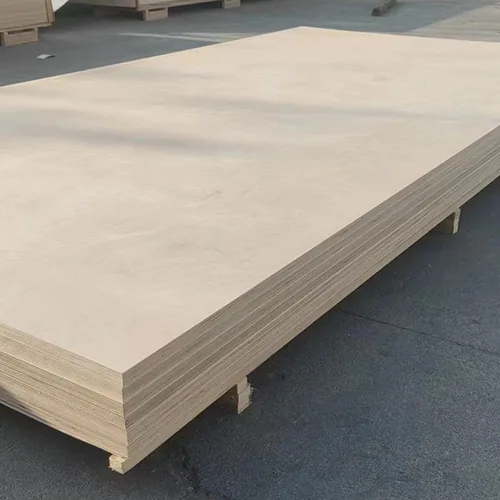
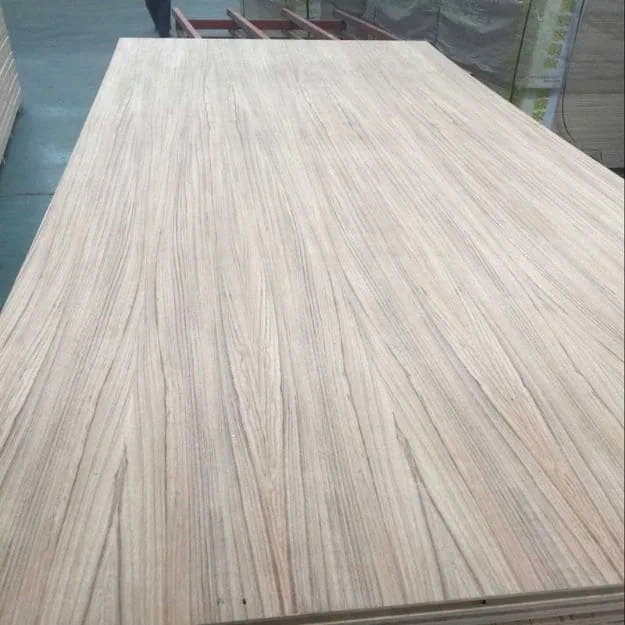
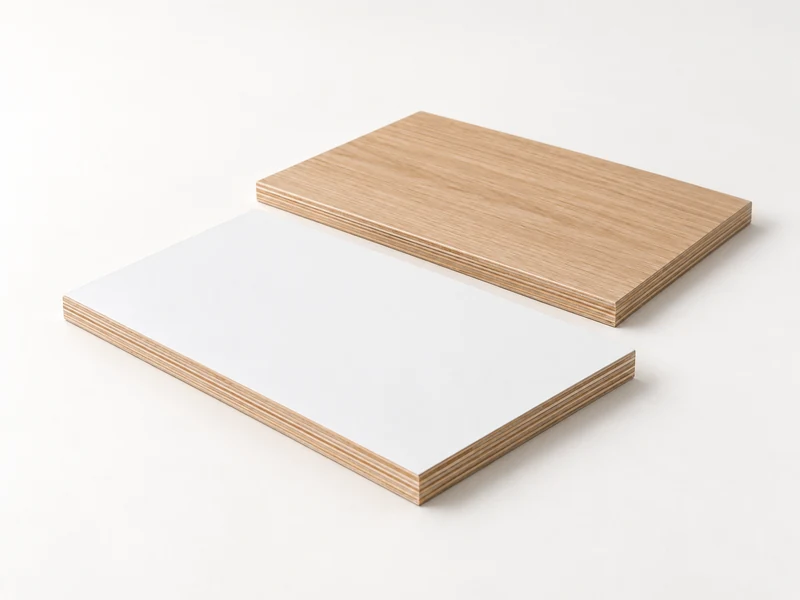
Melamine Faced Plywood
Cabinet interiors, shelves, furniture and joinery; melamine plywood decor and edge requirements
| Product route | Start here when | What to compare |
|---|---|---|
| Fancy PlywoodCoordinated veneer projects | An elevation or furniture set needs an agreed sequence | Start with veneer species, cut, matching layout and the finished sample. |
| Walnut PlywoodDark visible wood surfaces | Colour range and sapwood affect panel acceptance | Approve the appearance range and adjacent-panel matching under the intended finish. |
| Sapele PlywoodFigured joinery and furniture | Grain direction and figure vary across visible pieces | Compare the veneer, adjacent timber and coating as one finished set. |
| Stained Red Oak PlywoodStained cabinet and wall sets | A target stain colour must repeat across components | Retain the stain and clear-coat sample on the actual veneer and edge material. |
| Beech PlywoodLight wood joinery | Doors and solid lipping need a coordinated appearance | Evaluate the veneer and solid edges together under the planned coating. |
| Teak Wood PlywoodDecorative furniture interiors | Face identity and future finish maintenance matter | Specify the decorative material, substrate and edge separately. |
| Natural PlywoodNatural-finish interiors | A design allows a defined range of wood character | Approve several representative panels rather than one unusually uniform sample. |
ONE ELEVATION, INCLUDING THE ACCESS DOOR
Give every visible piece a place in the grain.
A decorative wall includes a flush access door and a corner return. Mark both on the full elevation, with joints, grain arrows and panel numbers. Allocate the veneer sequence before the door opening is cut so the small face belongs to the same composition.
Review a finished joint and return alongside the main face. Carry the selected veneer range, coating and panel map into the quotation. The workshop and receiving team can then identify the pieces by their place in the wall.
Plan selected spares while the sequence is available
Discuss spare panels against the most visible areas and likely replacement needs. Keep them labelled with the elevation and matching group. Wood grain, colour and ageing can make an exact later match difficult; selected spare material provides another option. Agree the quantity from the project layout rather than applying a universal waste percentage.
CARRY THE SELECTED SURFACE INTO THE ORDER
Keep the finish and matching set in one record.
Use the worksheet to connect the visible result to its veneer, construction and layout. Add the selected item and pack references so the workshop can identify the same material when it arrives.
| Check | Record during evaluation |
|---|---|
| Veneer & appearance | Species or decorative reference, cut, sample identity and accepted colour or character range. |
| Match & panel map | Leaf arrangement, grain arrows, numbered elevation, adjacent pieces, openings and returns. |
| Construction & machining | Face thickness, core, reverse face, measured panel thickness, edge detail and representative machining. |
| Finished sample | Coating or stain, preparation, sheen, viewing directions, lighting and retained physical reference. |
| Selected item & repeat | Chosen construction, finish and matching references, drawing revision and next-order requirements. |
| Packs & spares | Matching-group labels, face orientation, selected spare material, protection and receiving observations. |
Review a changed finish or interrupted sequence
Compare the numbered panels with the elevation before cutting replacement pieces. For a finish difference, retain the veneer and coating references with photographs from the same viewing direction. Resolve the selected range or layout, then identify which pieces belong to the revised set. For matching terminology and visual examples, see Columbia's veneer guide.
BEFORE YOU CHOOSE THE PRODUCTION SURFACE
Your fancy plywood buying questions.
What is fancy plywood used for?
Fancy plywood uses a decorative veneer face for visible furniture and interior surfaces. Specify the face appearance and the internal panel construction for the component you intend to make.
Which veneers should I compare?
Available veneers are red oak, walnut, beech, sapele, bintangor and okoume. Explore walnut, sapele and stained red oak finish control, or compare the wood appearance with natural veneer plywood. Review the selected veneer under your intended coating.
Which thicknesses and cores can I request?
Panels are available in 3–30 mm with poplar, birch or eucalyptus cores. Send the selected thickness, veneer, reverse face and bond your component needs; face veneer thickness is a separate detail from overall panel thickness.
Which sheet sizes should I put on my schedule?
Regular plywood formats are 1220 × 2440, 1250 × 2500 and 1525 × 3050 mm. Formats including 1220 × 3050 and 1250 × 3660 mm, other sizes and cut panels are on request. Include veneer grain direction with the finished dimensions.
What should I send for a matched wall or door set?
Send a numbered elevation or cutting list with grain arrows, adjacent faces, joints, returns and access doors. Identify the intended veneer arrangement and selected spare material with the quantities.
Should I review raw veneer or a finished sample?
Use raw veneer to discuss the initial wood selection, then try the intended coating or stain on a representative sample. Review adjoining leaves and an edge under the lighting and viewing directions of the finished design.
Can I specify one or both visible faces?
Both single and double sided panels are available. Mark the faces people will see, then describe their veneer, matching and finishing requirements with the proposed construction.
Can individual damaged panels be replaced invisibly?
Natural variation and ageing can make an exact later match difficult. Selected spare material, labelled with the original matching group, helps you plan replacements for important viewing areas.
Are samples free?
Samples are free; buyers pay freight. Sample freight is credited in full against your formal order. Include the veneer reference, sample dimensions, intended finish and delivery country.
Can decorative panels be part of a mixed load?
The minimum order is one container, with mixed loads available. List quantities by veneer and construction, and keep matched sets identifiable on the item and packing schedules.
What lead time and quotation terms are available?
Regular production is 7–15 days; shipping time is additional. Request FOB or CIF with the named port, selected panel and planned receiving date, then confirm the schedule for your matching and finish requirements.
How is this page different from Natural Plywood?
Use Fancy Plywood to quote the complete decorative panel, face/reverse arrangement and matching schedule for cabinetry or interiors. The Natural Plywood page develops the real-wood character and variation to compare when choosing the veneer palette. Keep that selected reference with the decorative panel item.
Do book matching and panel sequencing mean the same thing?
Book matching describes the mirrored arrangement of adjacent veneer leaves. Panel sequencing gives the finished sheets or parts a position in the elevation. Include both the required face arrangement and numbered panel map with the sample and quotation.
How do I carry a selected wood veneer into the sample request?
Use the red oak, walnut, beech, sapele, bintangor or okoume sample link, then add the core, thickness, face/reverse, matching layout and intended finish. For a matched project, attach the numbered elevation or cutting list and identify adjoining pieces.
How do I keep adjoining decorative panels consistent?
Send the numbered elevation, grain direction and required sequence. Discuss the matching method and acceptable natural variation using finished samples, then keep that selection with the quoted item and panel schedule.
Which guides can help me choose this panel?
For this product, read Book match or slip match: prepare the veneer order or Veneer panel sequence: labels from cutting to installation. Use the panel comparison to compare your shortlist before requesting samples or a quotation.
LET'S BRING YOUR WOOD FINISH INTO THE NEXT ORDER
Send a design, a wood reference or your first item.
Start with the veneer appearance, thickness, quantity and destination you know. Open the outline when you are ready to add the panel map, finish and matching requirements.
Open the fancy plywood inquiry outline
I would like a quotation for Fancy Plywood.

Application / destination:
Thickness / sheet or finished part size:
Veneer species or pattern / core / bond:
Matching / numbered panel layout / visible faces:
Edge / finish / appearance sample:
Quantity / mixed-load items / spares:
Samples or product documents needed:
Packing / FOB or CIF port / required date:
Refine the wood selection with walnut selection, Sapele grain matching or stained red oak finish control. Keep the chosen surface connected to the panel construction and your numbered design.