
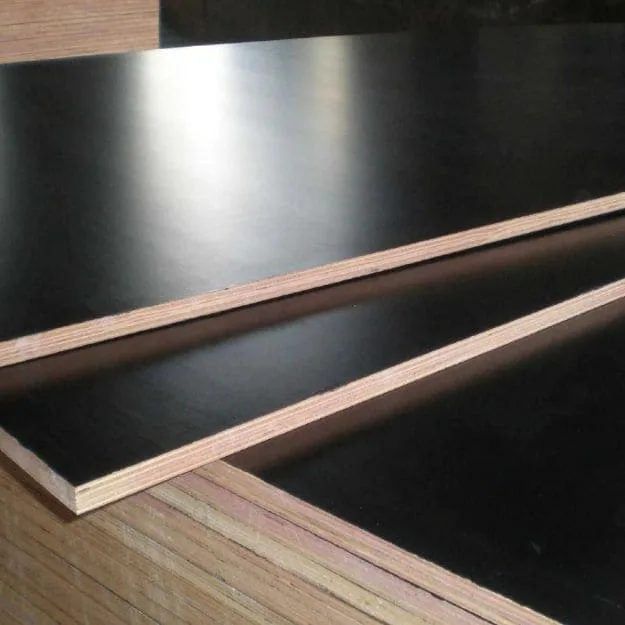
Specifications
Supply specifications
Regular sizes mm · width × length
On request
Other sheet sizes and cut-to-size panels on request.
| Nominal thickness | 4–30 mm |
|---|---|
| Core / substrate | Poplar, birch, eucalyptus or mixed core |
| Surface finish | Brown, black or red film; 90–240 g/m²; single-sided or double-sided |
Application-specific specification checks
Panel construction and finishing
| Working face | Film faced plywood for concrete-contact formwork, shuttering and specified site applications. |
|---|---|
| Core & bond | Poplar, birch, eucalyptus or mixed core; ply lay-up and required bond performance quoted for the chosen construction. |
| Overlay & reverse | Brown, black or red film, 90–240 g/m²; single-sided or double-sided, with the working face and reverse identified in the item schedule. |
| Edge treatment | Factory edge seal and requested cut-edge or drilled-hole treatment included in the panel schedule. |
| Formwork requirements | Concrete-finish reference, cut layout and product-data requirements matched to the project specification. |
| Order mix | Minimum one container; mixed loads available, with quantities and pack identification by construction. |
Quote the film, core and finished panel together.
A clear order line brings the concrete-contact surface and supporting plywood into one specification. Identify the details below for each construction you want to compare.
| Film & working face | Film type, colour, nominal film weight in g/m², surface finish and the arrangement on the face and reverse. |
|---|---|
| Plywood construction | Core species, ply lay-up, nominal panel thickness, finished tolerance and requested bond performance. |
| Sheet & cutting layout | Sheet or cut dimensions, grain direction, joints, tie holes and the drawing revision used for the order. |
| Edge treatment | Factory edge-sealing specification and the treatment planned for cut edges, holes and repairs. |
| Formwork requirements | Concrete-finish reference, form arrangement, support details and the product data required by the formwork designer. |
| Quantity & shipment | Sheets by construction and thickness, pack identification, destination port and target receiving date. |
Keep the same overlay, core, thickness and delivery scope across the base offers. Request a different construction as a separate option so its price and intended trial remain easy to compare.
SELECT THE OVERLAY AND THE LAYERS BELOW
Compare a complete panel, face to reverse.
Black, brown or red: start with your film reference.
Keep the selected colour beside the film identity and nominal weight on each order line. For replenishment, retain a physical film reference with the panel sample so purchasing can request the same appearance and construction.
Black film faced plywood
Compare the working surface, reflected appearance and reverse against your selected panel.
Request a black-film sampleBrown film faced plywood
Specify the brown-film reference, nominal weight and plywood core together.
Request a brown-film sampleRed film faced plywood
Keep the red-film reference with the finished panel and bundle item code.
Request a red-film sampleColour swatches are indicative. Agree the colour and sheen against a physical film sample.
What to specify for phenolic film faced plywood
A phenolic resin film is a surface overlay; the adhesive joining the plywood veneers is a separate specification. When your brief calls for phenolic film faced plywood, request the proposed resin-impregnated paper/film identity, surface finish, nominal weight and face/reverse arrangement alongside the plywood bond requirement.
The available nominal film-weight range is 90–240 g/m². State whether the quoted figure describes the base paper or the finished overlay, and record the weight for each faced side. Compare two proposed film weights on the same core, thickness, colour and working process.
Poplar, birch, eucalyptus or a specified mixed core.
Choose the inner veneers with the finished panel in mind. Give each proposed construction its own sample reference, and compare it at the same thickness and film specification.
Scroll horizontally to compare all columns.
| Core option | Describe the construction | Compare the sample |
|---|---|---|
| Poplar core | Poplar inner veneers; identify face/back veneers, layer order and veneer gauges. | Review the exposed cut edge and proposed finished panel mass with the same film and thickness. Request a poplar-core sample |
| Birch core | Birch inner veneers; state which layers must be birch when ordering birch film faced plywood. | Match the quoted lay-up to the cut edge and request panel properties for the selected construction. Request a birch-core sample |
| Eucalyptus core | Eucalyptus inner veneers; name any other species used in the face, back or lay-up. | Keep veneer arrangement, bond, film and finished dimensions together in the comparison. Request a eucalyptus-core sample |
| Mixed core | Name the species and layer sequence in the proposed mixed/combi construction. | Ask for a full lay-up and section sample so the next order can follow the same combination. Request a mixed-core sample |
Specify both sides of the sheet.
Single-sided and double-sided film options are available. Identify the working face, reverse treatment and edge-sealing requirement, then carry the treatment of site-cut edges and holes into the application instructions.
Compare 12, 18 and 21 mm within the 4–30 mm range.
Use your required nominal thickness as the starting point, then add the finished tolerance, selected core and film. The supporting frame, load and fixing design set the panel requirement for concrete work.
Scroll horizontally to compare all columns.
| Thickness reference | Keep with the quotation | Sample route |
|---|---|---|
| 12 mm | Finished thickness/tolerance, overlay, core and the intended cut panel or component. | Request a 12 mm sample |
| 18 mm | Compare the same film, core schedule and sheet format before choosing a replenishment item. | Request an 18 mm birch-core sample |
| 21 mm | Nominal and finished dimensions, cut edges, panel properties and the relevant application drawing. | Request a 21 mm sample |
Take the selected panel into its working role.
Once the facing and core are clear, connect the material comparison to the job or stock schedule.
Project-specific facing
Start with the concrete surface and cutting layout. Compare the proposed panel against your formwork system and the quantity needed at each project stage.
Prepare the project scheduleRepeated formwork use
Evaluate the face and edges over the intended working process. Track accepted concrete surfaces alongside cleaning, repairs and handling effort.
Plan the sample trialDistributor stock mix
Give different overlays, cores and thicknesses their own item codes. Retain the panel reference that each customer or contractor wants to reorder.
Plan mixed container supplyFor projects that specify a building-panel grade or declared properties, include the project documents and compare the structural plywood route.
If the brief calls for a plastic polymer coating, use the Plastic Coated Plywood page to compare coating identity, plywood substrate and the same working process alongside a film-faced offer.
COMPARE OPTIONS
Your selection at a glance
Working face
Specify the film identity, colour, weight and concrete-finish reference. Keep the working face and reverse arrangement with the sample.
Panel & layout
Connect the core, bond, thickness and tolerance to your formwork specification, cuts and tie-hole layout.
Supply & use
Plan quantities by construction and project stage, with identified bundles, site trial records and repeat-order references.
TRY THE CONSTRUCTION BEFORE THE CONTAINER
Build a useful trial around your own forms.
Send the film, core, thickness and formwork application you want to evaluate. We provide free samples, with courier freight paid by the buyer; a freight credit can be arranged against a subsequent order.
- Identify the panelList the proposed construction, working face, thickness and intended use. Share the sample size and the checks your team needs to run.
- Record the working processKeep the panel reference with the form layout, release product and trial conditions. Photograph the face, edges and resulting concrete surface.
- Connect the result to the orderRecord the accepted finish, maintenance effort and selected construction. Retain those details with the order line and future replenishment request.
Keep the site routine with the panel reference
Plan the treatment of cut edges and drilled holes with the supplied panel instructions. Choose a release agent suited to the overlay and follow its application directions. Clean after use without damaging the working face, and keep panels supported and protected during storage.
Record any change in release product, cleaning, repairs or storage alongside the trial results. Your site team can then compare the selected panel under a consistent working routine.
FROM DELIVERY TO THE WORKING FACE
Keep a record for each panel and pour.
Use the worksheet to connect incoming bundles, selected samples and the panels used on site. Define the required finish and record what happens during the trial.
| Check | Record during evaluation |
|---|---|
| Panel & bundle identity | Item, sample/lot and bundle references; overlay, core, bond, dimensions and order revision. |
| Delivery condition | Sheet and bundle counts, packing-list match, film/edge condition and transit-damage photographs before use. |
| Cutting & preparation | Drawing revision, cut edges, tie holes, edge/hole treatment and the panel position in the form. |
| Pour & handling | Trial cycle, form arrangement, release-agent reference, placing/stripping conditions and any process changes. |
| Face & concrete result | Photographs by position, sticking or film damage, observed concrete finish and accepted facing area. |
| Maintenance & next use | Cleaning time, repairs, storage condition, next-use decision and the reason for changing or retiring a panel. |
| Accepted facing area | Accepted concrete-contact area by panel/position and use; openings, cut losses, retired panels and separately identified replacements. |
| Comparable service cost | Panel, cleaning/repair, replacement, freight/handling and remaining site costs in one currency and scope, divided by the corresponding cumulative accepted area. |
Locate a difference before changing the panel specification
The concrete finish changes
Compare the panel face, pour position, release product, cleaning and repairs against earlier cycles. Keep each photograph with the panel reference and observed result.
Damage develops at a cut or hole
Mark the location on the drawing, record the preparation and treatment used, and retain photographs. Review the detail with the site team alongside the panel construction.
GIVE PURCHASING AND THE SITE ONE PANEL DESCRIPTION
Request the data behind the selected construction.
Put the overlay, core and sample reference beside the technical documents in your purchase file. Tell us what the destination and formwork specification require when you request the quotation.
Include the supports, fixing layout and loading information used by your formwork designer. Request the applicable panel properties and any required project documentation with that specification.
Product data & reports to request
Request a technical data sheet covering:Core lay-up, bond test method, thickness tolerance, overlay identity and edge sealing.Include these specification details:- Film identity and face/back arrangement, core lay-up, thickness tolerance and edge treatment.
- Requested bond information, test methods and performance data for the proposed construction.
- Panel and trial identity, formwork conditions and the product documents required for the intended use.
Company documents to view
FSC chain of custody Wood panels · purchase & salesISO 9001 & ISO 14001 Management systems · stated sales activitiesUse these for supplier qualification; match product performance to the proposed panel’s technical documents.Formwork panels: what to match
- Technical data
- Core lay-up, bond test method, thickness tolerance, overlay identity and edge sealing.
- Working conditions
- Include the form design, supports, concrete finish and release agent. Request performance data for the offered construction.
- Construction projects
- Where applicable, request the performance declaration, marking and supporting reports required for the destination and intended use.
BEFORE YOU ORDER
Ordering information
- Minimum order
- 1 container
- Regular lead time
- 10–15 days
- Samples
- Free samples
- Quotation terms
- FOB / CIF
Sample freight & order notes
- Minimum order: Mixed loads available.
- Regular lead time: Production; shipping time is additional.
- Samples: Buyer pays freight; credit available on a later order.
- Quotation terms: Name the port in your inquiry.
FROM THE CONTAINER TO THE SITE
Match the packing to your receiving plan.
Choose a FOB shipment port or CIF destination port for the quotation. Include sheet counts by item, requested cutting, protective packing and the target receiving date.
Identify every bundle by construction, thickness, size and quantity. Add the receiving team's unloading limits and any project-stage labels for cut panels. Agree protection for the film faces and edges in the packing schedule.
Include your destination and receiving requirements so the shipment can follow the warehouse or site plan.
Keep delivery damage separate from site-use observations
Check the bundle labels and packing list before allocating the panels. Photograph affected faces and edges at receipt, identify the item and quantity, and retain the pack reference. Start the working-use record when the panel is cut, prepared or put into its form.
THE FACE, THE CORE AND YOUR NEXT ORDER
Choose the facing. Build the panel around it.
A useful film faced plywood quote starts with the surface you need, then makes the layers underneath just as clear.
Choose brown, black or red film, a nominal film weight within 90–240 g/m², and a single-sided or double-sided arrangement. CUZI supplies 4–30 mm panels with poplar, birch, eucalyptus or mixed cores. Bring the face, reverse and core into one order line so the sample and price describe the same construction.
For a first order, request samples of the proposed construction and share your formwork details. For repeat supply, keep the chosen panel, sample and item code together so your next container follows the specification your team has evaluated.
Start an inquiry with five useful details
Tell us the application, sheet size, thickness, quantity and destination. Add the required concrete-finish reference, core preference and working-face specification when you have them. A layout drawing helps organize cut panels, tie holes and delivery stages.
When a mixed core is part of the formwork specification, use the combi and eucalyptus core brief to identify inner veneers and layer order. Keep this product’s film, bond, thickness and site-use requirements in the finished-panel inquiry.
Comparing a film surface with a marine product requirement? Our marine versus exterior plywood guide separates the underlying panel, bond and overlay in the purchase brief.
Specify the underlying bond alongside the film surface. The WBP and plywood bond-class guide helps connect the exposure and panel construction with a named test requirement.
EXPLORE THE CATEGORY
Compare panels in this product family
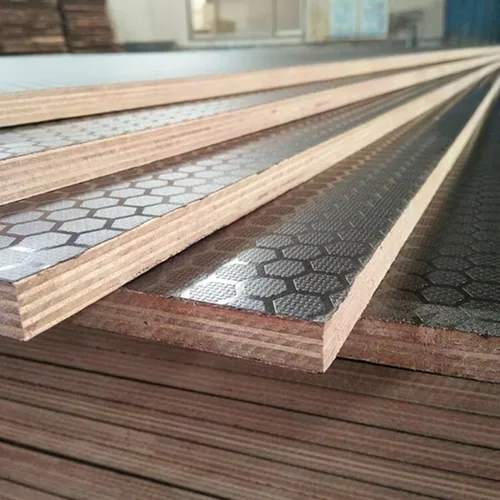
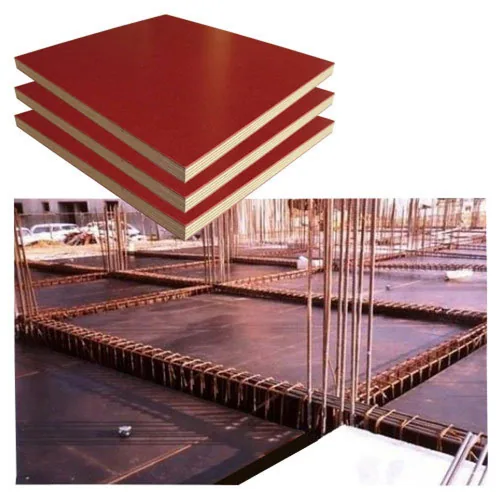
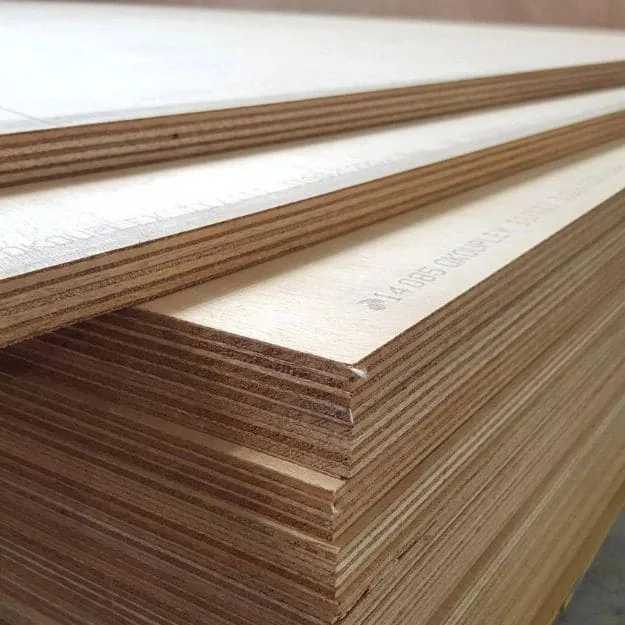
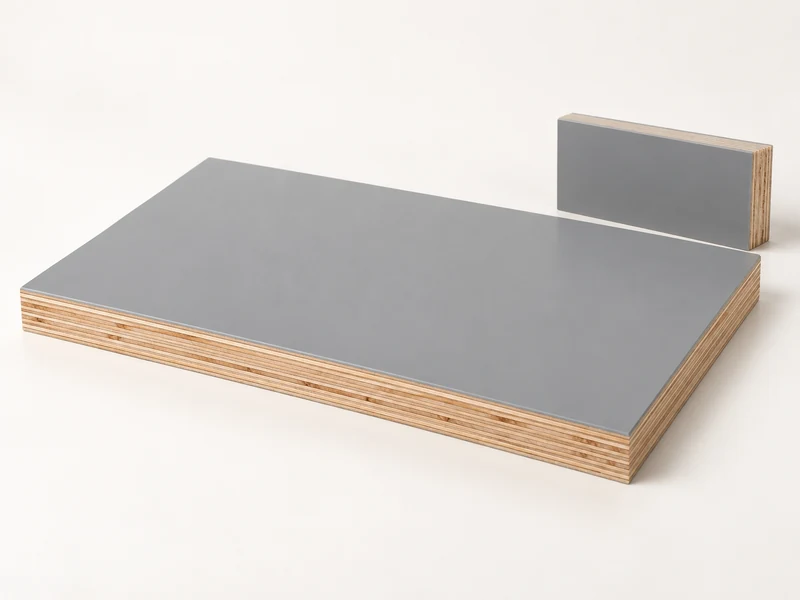
Plastic Coated Plywood
Plastic coated plywood, plastic faced plywood, PP coated plywood, PVC coated plywood, forming panels, washable linings and fabricated components; material and working requirements specified for the project
| Product route | Start here when | Resolve before ordering |
|---|---|---|
| Film PlywoodConcrete-contact faces | Overlay and core must be compared together | Record the site trial, cleaning routine and accepted concrete finish. |
| Shuttering Plywood SupplierSlab and wall form layouts | Panel layout and usable forming area drive the order | Quote against the pour plan, support design, cutting layout and delivery stages. |
| Anti-slip PlywoodVehicle and platform floors | Wear surface, fasteners and floor loading interact | Include operating surface conditions, wheel loads, supports and edge details. |
| Structural PlywoodDesigned building systems | Declared product properties and design acceptance lead | Use the designer's product designation and documents before comparing substitutes. |
BUY AROUND THE FORM AND THE SCHEDULE
Make each order serve the job ahead.
Slab & wall forms
Match sheet dimensions and the panel layout to the pour plan. Include the concrete surface reference and the formwork system's panel requirements.
Cut formwork panels
Mark joint positions, tie holes and trimmed edges on the drawing. Connect each cut item with its edge-treatment and pack reference.
Contractor & merchant stock
Build an identifiable mix of constructions and thicknesses for upcoming work. Keep sample references and customer requirements against each stock item.
For a full pour and handling schedule, explore shuttering plywood. A walking or vehicle floor can start with the dedicated anti-slip floor specification, including the surface and complete floor assembly.
TURN THE POUR PLAN INTO AN ITEM LIST
Prepare the panels for one job or repeated work.
A project schedule becomes easier to quote when the panel layout, concrete surface and intended working process are shown together. Use the same fields to compare a single-use layout with a repeated-formwork program.
- Concrete surface
- Reference finish, visible or concealed areas and the trial result your team will review.
- Panel layout
- Sheet dimensions, cuts, joints, grain direction, tie holes and drawing revision by project stage.
- Construction
- Overlay identity, face/back arrangement, plywood core, thickness, tolerance and bond requirements.
- Working process
- Release product, handling, stripping, cleaning, repairs and the treatment of cuts and holes.
- Quantity & packs
- Sheets or cut items by construction, replacement quantities, pack labels and delivery sequence.
- Order comparison
- Panel cost, accepted facing area and maintenance effort recorded under the selected trial conditions.
Compare cost per accepted facing area
Add the panel cost and the cleaning/repair costs included in your trial, then divide by the accepted facing area recorded over those uses. Keep the finish criteria, quantities and delivery terms consistent across the offers. This gives purchasing a comparison connected to the work the panels delivered.
Turn the service record into a comparable facing cost.
Count the concrete-contact area your team accepts from each recorded use of the identified panels. A 100-sheet starting lot of 1220 × 2440 mm panels has 297.68 m² of nominal area on one face, before cutting and openings. Keep the actual form positions, accepted area and retired/replaced panels with each use record.
Open an illustrative two-construction cost calculation
The USD budgets and three area entries below are hypothetical inputs for understanding the calculation. Use quoted costs and recorded outputs for the offered construction to make your purchasing decision. Both routes begin with the same 100-sheet format and concrete-finish requirement; their offered film/core constructions and actual service results must be identified in a real comparison.
Scroll horizontally to compare all columns.
| Recorded scope | Construction A | Construction B |
|---|---|---|
| Initial panels | $2,500 | $3,000 |
| Cleaning and repairs | $400 | $350 |
| Replacement panels | $300 | $150 |
| Included freight/handling | $250 | $250 |
| Accepted area entries | 280 + 220 + 180 = 680 m² | 280 + 260 + 240 = 780 m² |
| Total recorded cost | $3,450 | $3,750 |
| Cost per accepted facing area | $3,450 ÷ 680 = $5.07/m² | $3,750 ÷ 780 = $4.81/m² |
In these assumptions, the higher initial panel budget gives the lower cost per accepted area. Change the budgets and accepted outputs to your own trial; include release agent, labour, protection, downtime and other remaining costs on the same basis. Identify replacement purchases and their area contributions in the service record, so their cost and output follow the same comparison.
Keep a stopped or retired panel in the cost record. Carry its reason, remaining working-face condition, cleaning/repair effort and any added replacement into the next item decision. Compare the complete panel under the same finish requirement and site routine before changing its overlay or core.
THE CONSTRUCTIONS YOUR CUSTOMERS NEED
Plan a container around the coming work.
Film plywood orders start at one container, and mixed loads are available. Separate the required constructions, sheet sizes, thicknesses and quantities into stock or project lines.
Contractors can schedule quantities against the form layout, project stages and replacement needs. Merchants can link their mix to customer demand and retained panel references, with each construction clearly identified for reordering.
Allow 10–15 days for regular production, plus shipping. The quotation sets out the proposed production schedule for your chosen mix, cutting requirements and shipment.
Keep repeat orders connected to the working panel
Carry the original item codes, overlay/core schedule and trial reference into the next inquiry. Identify changes in dimensions, quantity, construction or destination, and update the packing list against those order lines.
FAQ
Film faced plywood buying questions.
What is film faced plywood used for?
Concrete formwork, shuttering and site panels. Select the overlay, supporting plywood and dimensions around the required concrete finish, form layout and working process.
Which plywood sheet sizes are regular?
The regular plywood formats are 1220 × 2440, 1250 × 2500 and 1525 × 3050 mm. Oversize formats including 1220 × 3050 and 1250 × 3660 mm, plus other sheet and cut sizes, are available on request.
Which thicknesses, cores and film options can you supply?
Film plywood is available in 4–30 mm with poplar, birch, eucalyptus or mixed cores. Choose brown, black or red film in 90–240 g/m², with single-sided or double-sided facing. Specify the working face, reverse and required bond performance with your quotation request.
Does black film perform better than brown film?
Compare the specified overlay, plywood construction and the concrete result under your intended process. Colour is one order detail; the quotation and sample identify the rest of the panel.
What is phenolic film faced plywood?
It describes plywood surfaced with a phenolic resin film overlay. Specify the film/paper system and nominal weight separately from the adhesive bonding the inner veneers. Request the proposed finished panel and the bond data needed for your application.
What does the 90–240 g/m² film range refer to?
It is the available nominal film-weight range. Ask which weight basis the proposed film uses—base paper or finished overlay—and identify each faced side. Compare the proposed film grades on the same plywood construction and application trial.
Can I request 18 mm birch film faced plywood?
Yes. Specify birch inner veneers, the full lay-up, film colour/weight, face and reverse, sheet size and finished tolerance. The 18 mm sample route keeps birch core, black double-sided film and a 1220 × 2440 mm sheet-format reference in the request; add your required film weight and cut sample dimensions.
Is film faced plywood waterproof?
Describe the actual wetting, cuts, holes and storage conditions, then request the appropriate plywood bond and complete-panel data. Include edge sealing and treatment instructions for new cuts and holes, along with the film surface and maintenance routine.
Can film faced plywood be painted or bonded?
Share the overlay identity, intended paint/adhesive and finished component. Request preparation and compatibility information and trial the complete finish or joint on the proposed sample before specifying it for the order.
How many times can film faced plywood be reused?
Compare the proposed construction under your concrete-finish requirement and working routine. Track accepted facing area, film/edge condition, release agent, cleaning and repairs in the film plywood reuse record. Retain the results with the selected panel and order reference.
What is the minimum Film Plywood order?
One container is the minimum order. List sheet sizes, thicknesses and quantities for each proposed construction when requesting the price.
Can a container include several film plywood items?
Mixed loads are available. Give each overlay, core and thickness combination an item code, then agree quantities, pack identification and the proposed loading schedule.
How do I request a free film plywood sample?
Use the sample button and include the construction, thickness and intended formwork use. Samples are provided free, with courier freight paid by the buyer; a later-order freight credit can be arranged.
What lead time and quotation terms can I request?
Regular production takes 10–15 days before shipping. Request FOB with the loading port or CIF with the destination port, and include your mix, processing scope and target receiving date.
What technical documents should I request?
Request the overlay/core schedule, bond test information, thickness tolerance, relevant panel properties and edge-treatment instructions. Add the documents needed by the destination and formwork specification.
How does Film Plywood differ from shuttering plywood?
Film Plywood focuses on the overlay and plywood construction. The shuttering plywood page connects panel selection with the pour layout, concrete finish and site handling schedule.
Which route should I use for a textured floor?
Use anti-slip plywood and specify the traffic, surface pattern, loading and floor assembly. Include the performance and documents required for that floor.
How many times can film faced plywood be reused?
There is no universal reuse count. Form design, concrete, release agent, stripping, cleaning, cut edges and storage all affect service life. Describe your process when comparing options.
START WITH THE PANELS FOR YOUR NEXT JOB
Bring the layout and supply requirements together.
Send your size, thickness, quantity and destination for a first quotation. Open the outline to include the film, core, trial and packing details in one inquiry.
Open the film plywood inquiry outline
Project / duty: [formwork, shuttering or another defined application].
Minimum order / mix: one container; [single item or proposed mixed load].
Regular sheet sizes: 1220 × 2440, 1250 × 2500 or 1525 × 3050 mm.
Sheet sizes on request: 1220 × 3050, 1250 × 3660 mm or required cut format.
Items and quantities: [sheets / cut panels by construction and project stage].
Thickness / tolerance: [4–30 mm; required finished tolerance].
Core / lay-up / bond: [poplar, birch, eucalyptus or mixed core; required bond].
Overlay: [brown, black or red; 90–240 g/m²; resin/paper/film identity and surface finish].
Film weight basis / each side: [base paper or finished overlay; nominal g/m² by face/reverse].
Face / back / edges: [single / double sided; reverse; seal and cut-hole treatment].
Form layout / documents: [drawing revision, system details and required data].
Concrete finish / trial: [reference, release product and working conditions].
Repeat-use record: [accepted facing area, cleaning, repairs and panel references].
Packing: [item labels, sheet counts, face protection and unloading limits].
Delivery: [FOB shipment port or CIF destination port, target receiving date].
Attach the project schedule from shuttering plywood for concrete work. Keep a textured floor requirement on its own specification line when it is part of a mixed purchase.