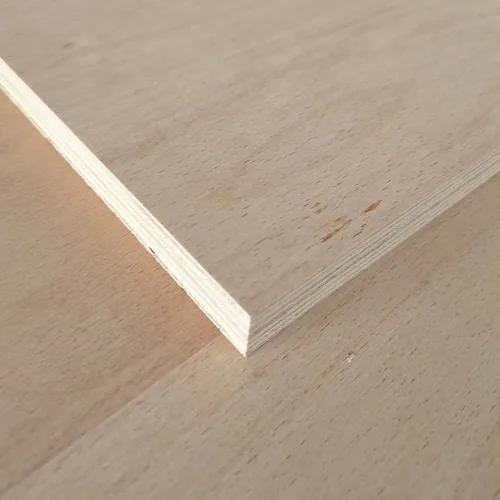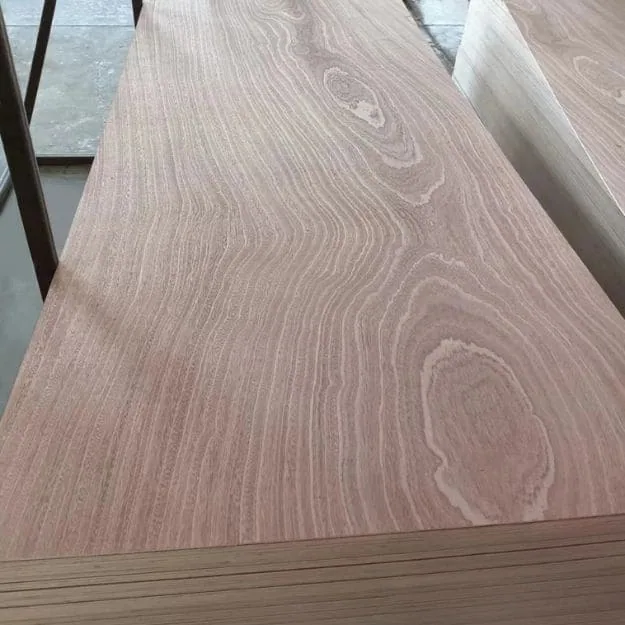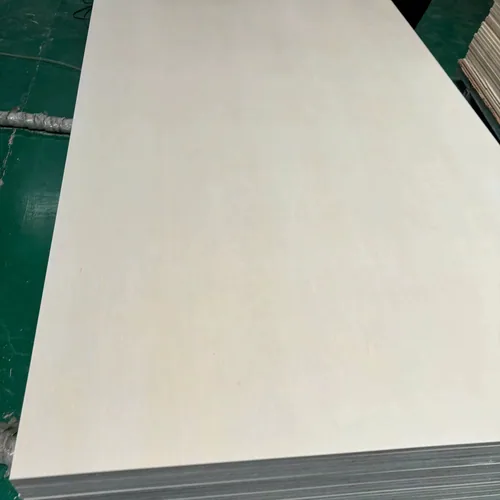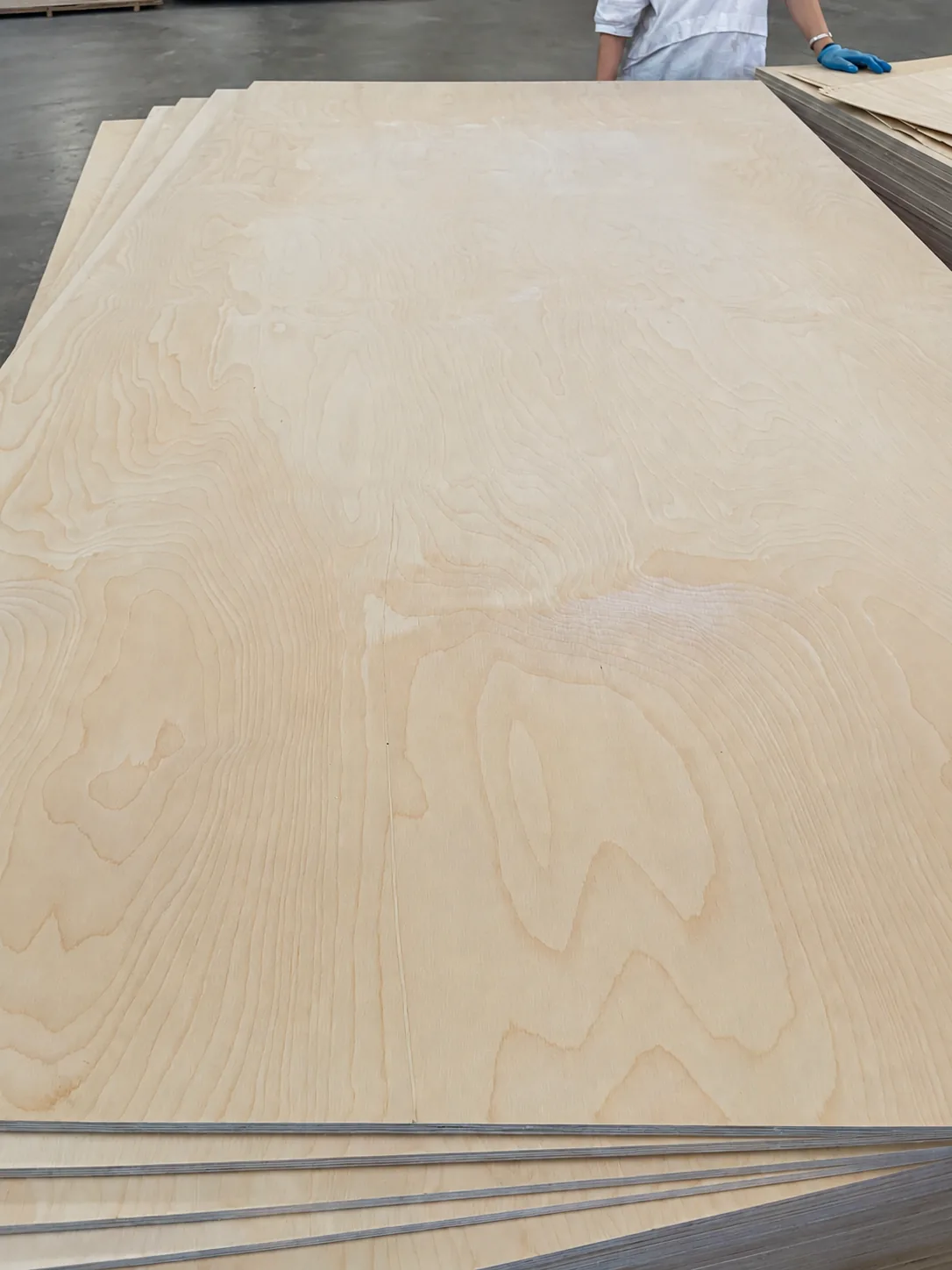
Overview
Birch plywood supply, built around your product.
Need a weight target for the finished unit or delivery? The plywood sheet-weight guide keeps construction, dimensions and density on each item, then separates net panels from packing and measured bundle gross weights.
Compare the complete construction in our birch faced vs all-birch plywood guide. Keep the face, back and every inner layer with the grade and drawing, then request two constructions for the same workshop trial.
Your customers see the cabinet face and finished edge. Your workshop deals with the joints, cut parts and coating. Choose a birch plywood specification that brings those decisions together.
CUZI is based in Xuzhou, China, and was established in 2006. We work in panel manufacturing, customization and international supply. Discuss your birch plywood construction, try a free sample and build a container order with the other panels your business needs.
- Choose the construction: birch face veneer with poplar, birch or eucalyptus core options.
- Choose the buying route: one-container orders, mixed loads and FOB or CIF quotations.
- Connect the sample to the order: keep the selected face/back grade, core, thickness and finish on the same item specification.
Meet CUZI Industry · View company documents
Plan the birch construction and dimensions as one item. Our plywood format and thickness guide connects your cut layout, sheet quantities and finished-fit requirements with the inquiry.
YOUR PRODUCT, YOUR MATERIAL
From the cabinet face to the cut edge.
Furniture with a visible edge
Let the panel construction join the design. Bring your edge profile, viewing surfaces and finish reference.
Cabinetry and interiors
Choose appearance around the faces that remain visible after installation. Include grain direction and coating in your specification.
CNC components
Start with the joint and smallest machined detail. Share the drawing so thickness and machining can be discussed together.
Bring the finish or processing trial into the material choice.
For kitchen cabinetry and shelves, mark the visible faces, cut edges, fixings and service conditions on the component drawing. Compare the selected preparation, coating, edge protection and actual hardware in the assembled part.
For staining birch plywood, retain the preparation, colour system and finished-face reference together. For prefinished birch plywood, request the proposed coating identity, shade and sheen, treatment of reverse and edges, finished dimensions and sample. Keep workshop work and supplied finish in the item description.
Birch plywood for laser cutting: start with the proposed construction
Send the thin-panel requirement, veneer/adhesive identity, intended part and equipment manufacturer's material guidance. Run the intended cut or engraving on a proposed working sample with the processing team, and retain the setup, edge appearance and fit with that construction. The Trotec plywood material sheet illustrates model-specific fabrication information and how surface/gluing affects processing results.
Request a 3 mm processing-trial sampleSpecifications
Supply specifications
Regular sizes mm · width × length
On request
Other sheet sizes and cut-to-size panels on request.
| Nominal thickness | 3–30 mmView measured panel data → |
|---|---|
| Core / substrate | Poplar, birch or eucalyptus |
| Face / back grade | BB/CC; C/D |
| Emission grade | E1; E0Formaldehyde emission grade. Compare grades, test methods and report values → |
Measured product data
ECQA · Plywood · 2500 × 1250 mm · 21, 24 and 30 mm
- Inspection conclusion
- PASS ECQA · Reported conclusion
- Workmanship sampling
- 80 panels 23 / 20 / 37 by thickness
- Moisture readings
- 6–10 % Report criterion: 5–14%
Appearance · dimensions · moisture · quantity · packaging
View recorded thickness, diagonal & weight measurements
| Nominal thickness | Thickness readings | Diagonal difference | Panel weight |
|---|---|---|---|
| 21 mm | 21.09 / 21.05 mm | 1 / 1 mm | 46.5 / 46.6 kg |
| 24 mm | 24.10 mm | 1 mm | 50.0 kg |
| 30 mm | 30.21 / 30.10 mm | 1.5 / 1 mm | 63.5 / 63.6 kg |
Finished thickness and squareness for your selected panel are specified in the quotation. Include the drawing and fit required by your component.
Details for your application
Panel construction and finishing
| Face veneer | Birch veneer for furniture, cabinetry, CNC parts and exposed layered edges. |
|---|---|
| Construction | Birch-faced, mixed-core and all-birch requirements quoted with the full lay-up. |
| Appearance | Face/back grade, patches, knots and colour range identified in the item specification. |
| Surface | Sanded faces; machining, exposed-edge and clear-coating requirements detailed for the order. |
| Calibration | Finished-thickness tolerance and flatness requirements matched to joints and CNC hold-down. |
The details behind your finished part
| Appearance | Face/back grading basis, patches, knots, veneer joints and colour range. |
|---|---|
| Construction | Core species, lay-up and the edge appearance your design needs. |
| Machining | Finished thickness and tolerance for the joint, pocket and hold-down arrangement. |
| Service conditions | Bond, finish and edge protection suited to the intended use. |
For a CNC sample trial, choose a representative cut edge and the tightest joint in your design. A full-thickness sample lets you examine the construction as well as the face.
BB/CC and C/D appearance grades are available. Discuss the face/back grading basis and a reference sample for visible components. For E1 or E0 requirements, include the test method and technical documents needed for your destination.
Buying 18 mm or searching for 3/4-inch birch plywood?
Scroll horizontally to compare all columns.
| Thickness reference | How to specify it | What to confirm |
|---|---|---|
| 18 mm birch plywood | 18 mm nominal thickness, within the confirmed 3–30 mm supply range; add the sheet format and construction. | Finished tolerance and measured fit for the actual groove, pocket or hardware. |
| 3/4-inch drawing | Literal conversion: 3/4 inch = 19.05 mm. Include the original inch description and the drawing reference. | Quoted nominal description/category and actual finished thickness range for the selected product. |
| Cut-to-size furniture part | Finished width/length, grain direction, drawing revision and quantity by part; include machining/edging scope. | The fit, visible edge and finished dimensions in a working sample. |
Nominal inch descriptions and finished thickness can vary with the product and standard. Give the required dimension and acceptable finished range to purchasing so the proposed panel matches the drawing.
Configuration
A birch face is only the start.
Choose the core as well as the surface. Birch-faced plywood names the outer veneer; an all-birch requirement describes the veneers through the panel. Ask for the complete lay-up when comparing those offers.
Compare the same part across three complete constructions.
Scroll horizontally to compare all columns.
| Construction | Describe the proposed panel | Evaluate with the same drawing |
|---|---|---|
| Birch face/back with poplar inner layers | Identify each inner species, veneer gauge, layer order and grain direction. | Actual joint/fitting, finished face and edge treatment; measured mass where the component needs it. |
| All-birch | Birch face, birch back and birch throughout all inner veneer layers; full veneer schedule and finished thickness. | Full-thickness exposed edge, machining detail, hardware and selected finish. |
| Birch face/back with eucalyptus inner layers | Identify the eucalyptus inner-layer schedule and any specified species scope. | Cut-core condition, joint/fitting and finished appearance under the same trial conditions. |
Use the same thickness, face/back requirement, part dimensions and finish when comparing offers. Keep the proposed construction and sample code with each quotation line.
Choose for the part your customer will use.
Scroll horizontally to compare all columns.
| Your finished part | A useful comparison | What decides the purchase |
|---|---|---|
| Clear-finished furniture with exposed ply edges | Start with the complete all-birch construction when birch throughout the edge is part of the design. Compare a birch-faced alternative only if its named inner species and finished edge also suit your product. | Route the actual edge profile and finish both faces and the edge. Review veneer sequence, repairs, sanding allowance and the appearance beside adjoining parts. |
| Cabinet sides with concealed edges | Quote birch-faced poplar, eucalyptus and birch constructions to the same face/back requirement. Price the edging, preparation and coating your design needs with each option. | Make the shelf joint, hinge or connector detail you use in production. Select the construction that meets the finished appearance and fit at the best completed-part cost. |
| CNC furniture kits and repeat components | Hold the drawing, face direction, nominal thickness and finish constant. Compare actual finished-thickness spread, machining setup and usable parts from each proposed panel. | Measure the tightest groove, pocket and mating part; retain the toolpath and selected panel reference. Include sorting, reworking and rejected parts in the cost comparison. |
| Flat-pack furniture with a handling or freight target | Request measured panel mass for each complete construction, then weigh the finished component with its hardware and finish. Keep bundle gross weight separate from net panel weight. | Compare the completed unit, packing layout and shipping quotation together. Use measured values for the selected model when checking a weight limit. |
Put the appearance and manufacturing requirement on the order before changing the core to meet a price target. A different inner construction can still be a useful commercial alternative when its finished part meets the same brief. For cabinetry, use the hardware and joint trial guide to keep that comparison repeatable.
Choose the face and back separately.
The available grade pairs are BB/CC and C/D. Tell us which surfaces stay visible after assembly.
- BB/CC
- BB face · CC back
- C/D
- C face · D back
Agree the grading basis, permitted repairs and appearance with a reference sample. A clear coating and a covered cabinet side can call for different selections.
How to specify face and back gradesInclude your emission requirement.
E1 and E0 options are available. Send the required test method and destination market so the proposed panel’s supporting documents can be discussed with your quote.
Bonding and finished-thickness tolerance are separate order details. Include the service conditions and any joint or CNC fit requirement.
Discuss the product data you needNot sure which core to choose? Request two constructions against the same size, grade and quantity, then compare their quotations and samples.
Discuss my birch plywood optionsMatch the face grade to the finish you want to sell.
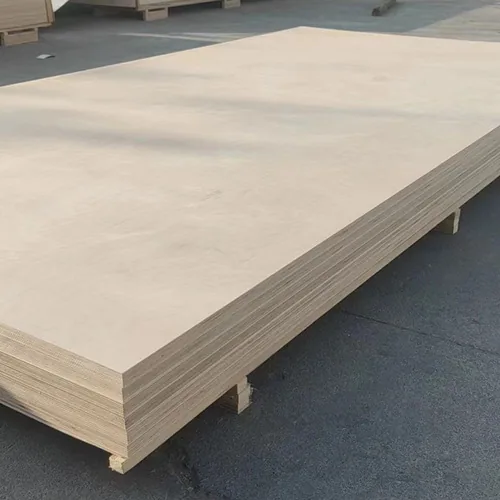
For BB/CC or C/D, mark which side remains visible in the assembled furniture. Request the permitted patches, knots, veneer joints and colour variation beside that reference. Include the proposed face/back veneer thickness and finishing allowance when sanding, staining or engraving affects the surface.
The WISA surface-appearance guide illustrates how a supplier defines natural features and repairs within its grades. Agree the applicable CUZI item description and physical reference with your own quotation.
COMPARE OPTIONS
Your selection at a glance
Thickness & core
3–30 mm nominal thickness, with poplar, birch or eucalyptus cores. Match the construction to your component and exposed-edge design.
Appearance grades
BB/CC and C/D face/back options. Discuss the grading basis and a sample for the viewing surfaces of your product.
Emission options
E1 and E0 options. Include the required test method, application and destination when requesting the proposed panel’s documents.
ECQA BIRCH PLYWOOD INSPECTION RECORD
Know what was checked before shipment.
Review ECQA's inspection of 100% birch plywood in 21, 24 and 30 mm at the recorded 2500 × 1250 mm format. See panel measurements, moisture readings, workmanship findings and packaging photographs, then agree the checks for your own order.
- Inspection conclusion
- PASS ECQA · Reported conclusion
- Workmanship sampling
- 80 panels 23 / 20 / 37 by thickness
- Moisture readings
- 6–10 % Report criterion: 5–14%
View panel thickness, diagonal checks & weights
Scroll horizontally to compare all columns.
| Nominal thickness | Thickness readings | Diagonal difference | Panel weight |
|---|---|---|---|
| 21 mm | 21.09 / 21.05 mm | 1 / 1 mm | 46.5 / 46.6 kg |
| 24 mm | 24.10 mm | 1 mm | 50.0 kg |
| 30 mm | 30.21 / 30.10 mm | 1.5 / 1 mm | 63.5 / 63.6 kg |
The record lists a dimensional criterion of ±1.5 mm and a diagonal-difference criterion of 2 mm. Set the finished-thickness and squareness requirements for your own joint, CNC part or panel layout in the order specification. Keep net panel weights separate from the gross packing weights below.
View workmanship, sampling & moisture findings
| Product description | 100% birch plywood; WBP; phenolic E1 glue |
|---|---|
| Inspection type | FRI |
| Appearance basis | CP grade |
| Workmanship sampling | 80 panels across the three thicknesses |
| AQL plan | Critical: not allowed · Major: 2.5 · Minor: 4.0 |
| Defects recorded | 0 critical · 0 major · 2 minor |
| Minor findings | 24 mm: surface dirt · 30 mm: remaining material not removed |
| Moisture check | 2 panels per thickness · 6–10% readings · 5–14% report criterion · Pass |
| Report conclusion | PASS |
The inspection uses CP as its appearance basis. For your furniture range, specify the offered BB/CC or C/D face/back grade with a viewing-surface reference. Request the bond and emission test documents for your selected construction and destination alongside the shipment checks.
View packing measurements & quantity records
Scroll horizontally to compare all columns.
| Panel item | Packing dimensions | Gross packing weight |
|---|---|---|
| 21 mm | 251 × 127 × 92 cm | 1773 kg |
| 24 mm | 251 × 127 × 97 cm | 1706 kg |
| 30 mm | 251 × 127 × 91 cm | 1711 kg |
Scroll horizontally to compare all columns.
| Panel item | Order quantity | Available quantity | Unfinished quantity | Workmanship sampling |
|---|---|---|---|---|
| 21 mm | 1596 | 1596 | 0 | 23 |
| 24 mm | 1376 | 1375 | 1 | 20 |
| 30 mm | 2548 | 2547 | 1 | 37 |
The report records protected, strapped packs and notes that pallet labels were to be added at shipping. For your order, agree item labels, sheets per pack, gross weights and completion status before dispatch. Use the item schedule and actual product mix for the loading plan.
Product test reports & records
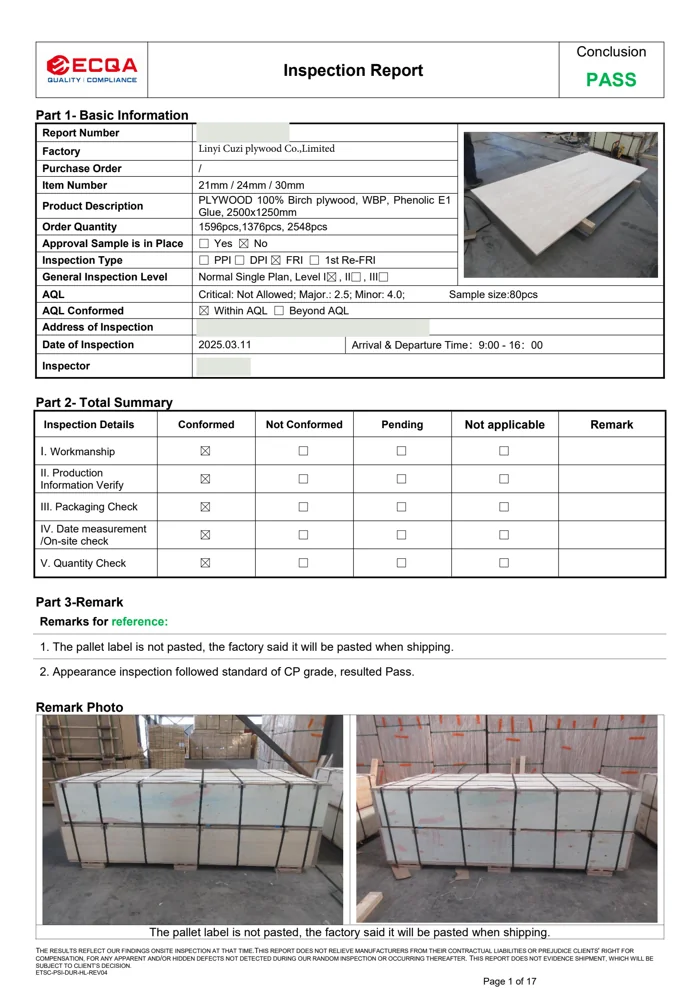
Plywood Pre-Shipment Inspection Report
Plywood · 2500 × 1250 mm · 21, 24 and 30 mm
Plywood inspection records covering appearance, dimensions, moisture content, quantities and packaging, with on-site photographs.
Appearance · dimensions · moisture · quantity · packaging
17 pages · 11.4 MB- Set the panel reference
- Choose all-birch or a birch face over a named core. Keep face/back grade, veneer lay-up, nominal and finished thickness, bond, emission option and surface finish on the same order item.
- Agree the checks that matter
- Send your joint, CNC or visible-edge drawing with the appearance and dimensional requirements. Agree the sampling plan, moisture check, recorded findings and item photographs before inspection.
- Plan dispatch and receiving
- Confirm completed quantities, pack labels, protection, gross weights and handling limits. Match the inspection file and packing list to the order references your workshop will use.
Use the incoming-panel checklist to carry your item references into the receiving check.
Get the technical file for your selected birch construction.
Connect the proposed birch construction with veneer selection, lay-up and plywood manufacturing checks. Request the complete layer schedule, finishing scope and relevant records for the panel in your sample trial.
Use the company documents for supplier qualification, then request the data for your proposed birch plywood construction. Include the destination, application and required test method with your inquiry.
Product data & reports to request
Request a technical data sheet covering:Face/back grade, core species and lay-up, bond, thickness tolerance and the agreed surface finish.Include these specification details:- Face/back appearance and grading basis.
- Core species and complete panel lay-up.
- Finished thickness, tolerance and surface condition.
- Bonding and emission documents required for your destination.
Company documents to view
FSC chain of custody Wood panels · purchase & salesISO 9001 & ISO 14001 Management systems · stated sales activitiesEN 13986 plywood document Non-structural scope · listed modelsView our company certificates alongside the technical data for your selected panel.Furniture & interior panels: what to match
- Technical data
- Face/back grade, core species and lay-up, bond, thickness tolerance and the agreed surface finish.
- Emissions
- For covered hardwood plywood entering the US, request TSCA Title VI certification or applicable exemption documentation, with producer and product identification. For other markets, specify the required emission class and test method. For European furniture and wood-based articles, include the applicable REACH Entry 77 / Appendix 14 emission requirements.
- Sample match
- Connect the data sheet and reports to the proposed construction, thickness and sample reference.
US & EU document checklistProduct + destination
Your panel specification. Birch plywood: birch face, selected poplar/birch/eucalyptus core, lay-up, grade, gauge and producer.
Thickness: 3–30 mm.
US
Applicable hardwood-plywood category for the selected birch-faced construction.
Request US documentsEU
Quoted birch face/core construction and the intended component or finished article.
Request EU documentsIdentify the face and core individually, including an all-birch construction where selected, and retain the agreed sample reference.
BEFORE YOU ORDER
Ordering information
- Minimum order
- 1 container
- Regular lead time
- 10–15 days
- Samples
- Free samples
- Quotation terms
- FOB / CIF
Sample freight & order notes
- Minimum order: Mixed loads available.
- Regular lead time: Production; shipping time is additional.
- Samples: Buyer pays freight; full credit on a formal order.
- Quotation terms: Name the port in your inquiry.
Quality & trial
Try the detail that decides the order.
Request a free birch plywood sample for the face, edge or joint you need to evaluate. Include your preferred core, thickness and finish; a drawing helps us discuss a sample that is useful for your actual part.
- Choose the comparison. One proposed construction, or two core options against the same requirement.
- Describe the trial. A machined joint, exposed edge, hardware fitting or coating.
- Keep the reference. Record the sample and selected construction before placing the order.
Samples are free; you pay the courier freight. Sample freight is credited in full against your formal order.
PACKING & DELIVERY
Plan for your production floor.
Discuss face protection, pack support and labels by thickness and construction. Clear item identification helps your team select the intended panels for each production job.
Share the destination port, unloading equipment and storage arrangements with your inquiry. See our packing and delivery information.
Keep the reference with the order
Connect the selected sample, panel details and packing list with one item reference, so receiving and production teams have the same information.
YOUR NEXT CONTAINER
Build an order around your range.
Order from one container and combine product lines in a mixed load. Bring your birch plywood sizes and quantities, then add other panels your business needs to the same item list.
Regular production takes 10–15 days; shipping time is additional. FOB and CIF quotations are available. Share your port and target receiving date to discuss the schedule for your order.
For an importer or distributor, list each thickness, core and grade as a separate item. For a furniture project, group panels by the component and finish they serve. The mixed-order schedule guide helps keep those lines clear.
Component example
From “18 mm birch” to a useful quotation.
A thickness and product name are a good starting point. Add the construction and finish your component needs so the quotation answers the questions your workshop will ask.
EXAMPLE BUYER BRIEF
- Component
- Cabinet components with visible faces and selected exposed edges.
- Sheet & thickness
- 1220 × 2440 mm · 18 mm nominal.
- Construction to quote
- Birch face with poplar and birch core alternatives; full lay-up listed for each.
- Appearance & documents
- BB/CC requested; finish reference and destination test requirements supplied.
- Sample trial
- One routed joint, a cut edge and the intended clear finish.
Adapt the brief to your design, quantities and destination. Compare the quoted panels with the same drawing and finish, including the sanding or processing work each option adds.
Prepare your birch plywood inquiryPRICE THE OUTPUT YOUR WORKSHOP NEEDS
Compare the cost of 1,000 cabinet sides.
Take an 18 mm cabinet-side drawing measuring 600 × 400 mm, with the 600 mm direction following the sheet length and face grain. For this cutting calculation, allow a 5 mm trim around all four sheet edges and a 3 mm saw kerf between parts. Keep that orientation for all three confirmed regular sheet formats.
Scroll horizontally to compare all columns.
| Sheet format | Layout and sheet count | Purchased area |
|---|---|---|
| 1220 × 2440 mm | 3 across × 4 along = 12 parts per sheet. 84 sheets provide space for 1,008 parts. | 250.0512 m² for the 84 sheets. |
| 1250 × 2500 mm | 3 across × 4 along = 12 parts per sheet. 84 sheets provide space for 1,008 parts. | 262.5 m² for the 84 sheets. |
| 1525 × 3050 mm | 3 across × 5 along = 15 parts per sheet. 67 sheets provide space for 1,005 parts. | 311.63375 m² for the 67 sheets. |
The largest format needs fewer sheets but purchases more material for this particular layout. Compare its actual sheet price, machine capacity and handling with the smaller formats. If only panel purchase cost is compared, 67 large sheets and 84 small sheets cost the same when the large-sheet price is 84 ÷ 67 ≈ 1.254 times the small-sheet price.
These are geometric counts for the stated trim, kerf and orientation. They include neither surface defects nor workshop rejects, cutting-machine limits or an extra production reserve. Check the nest against the real drawing and proposed panel before placing the quantity on an order.
Put every quote on the same finished-output basis.
Cost per accepted part = (panel purchase + inbound freight and handling + cutting and machining + face/edge finishing + rework and reject cost) ÷ accepted parts.
Compare the same delivery terms and count each cost once. CIF includes the stated freight; list additional destination costs separately. ICC Academy’s CFR/CIF explanation sets out carriage and insurance responsibilities. Use your workshop yield to calculate finished-part cost and add stock or repeat-order quantities to the shipment plan.
For the material trial, compare the same 18 mm drawing, BB/CC or C/D appearance requirement, face finish and hardware using the proposed poplar, birch or eucalyptus construction. The result gives purchasing a practical reason to choose a core, sheet format and finishing route together.
Sample checklist
Keep your sample decision simple.
Use the same drawing and finish when comparing samples. A short record of the material and finished part makes the next conversation more useful.
| Check | What to record |
|---|---|
| Panel identity | Sample reference, face/back grade, core species, full lay-up and nominal thickness. |
| Thickness and fit | Measured thickness at relevant positions, drawing tolerance and the trial joint. |
| Face and back | Viewing sides, repairs and colour observations under the intended finish. |
| Cut edge and machining | Photos of the finished edge, routed pocket or fitting; drawing and tool settings. |
| Order documents | Proposed panel specification, bonding and emission requirements, and document references. |
| Your decision | Selected construction, accepted sample reference and any changes to discuss before ordering. |
More checks for CNC and exposed edges
A gap appears in a machined edge
Keep the offcut and a photo showing its position on the part. Identify whether that edge will be visible, covered or removed in the final component.
A joint fits differently across a sheet
Record sheet position, measured thickness and the mating part. Compare samples with the same drawing and toolpath.
FAQ
Before your first birch plywood order.
What thicknesses, cores and grades are available?
Birch plywood is available in 3–30 mm nominal thickness, with poplar, birch or eucalyptus core options. Face/back grades include BB/CC and C/D; emission class options are E1 and E0. Your quotation identifies the selected construction and technical requirements.
Does “Baltic birch” identify the origin and construction?
Ask for the manufacturing origin and the species used in the face and inner layers. Keep that construction with your birch plywood quotation and order.
How does a birch face over poplar compare?
A birch face over a poplar core has a different construction from an all-birch panel. Compare the edge appearance, weight and hardware fit for your component. Explore poplar core plywood as a separate material route.
How do I request all-birch plywood?
Specify birch face, birch back and birch throughout every inner veneer layer. Include veneer gauges, layer order, grain directions and finished thickness with the grade and sample request.
How should I compare 18 mm with a 3/4-inch drawing?
3/4 inch converts to 19.05 mm. Send the original nominal description/category and required finished thickness range so the quotation and sample can be checked against your joint or fitting.
Can I request staining or a prefinished surface?
Send the finish scope, preparation and physical colour and sheen reference. Request the proposed face/back, coating, reverse/edge treatment and completed component sample for the item quotation.
What should I send for a laser-processing trial?
Include thickness, complete veneer/adhesive identity, part drawing, equipment manufacturer's material guidance and the proposed cutting/engraving trial. Keep the result and processing setup with the tested construction.
Can I start before choosing the exact grade?
Yes. Send the application, approximate thickness, sheet size, quantity and destination. A drawing or appearance reference helps you discuss the remaining panel details with CUZI.
Can I order samples before a container?
Yes. Samples are free, with courier freight paid by the buyer. Sample freight is credited in full against your formal order.
Can I mix birch plywood with other panels?
Mixed loads are available, with a minimum order of one container. Quantities, packing units and loading are agreed around the products in your item list.
Can I view a pre-shipment inspection record for birch plywood?
Yes. View the ECQA inspection record for 100% birch plywood in 21, 24 and 30 mm at 2500 × 1250 mm. Its 17 pages include panel and packing measurements, workmanship findings, moisture checks, quantity records and photographs, with a PASS conclusion.
How do I use the inspection record for my own order?
Define the face/back grade, complete veneer construction, dimensions and finished tolerance for your item. Agree the sampling and check criteria with the packing and quantity schedule, then keep the relevant bond/emission documents, selected sample, inspection file and packing list connected to that order reference.
Can I request 18 mm birch plywood?
Yes. Include 18 mm as the nominal thickness in your inquiry; it is within the 3–30 mm range. Add the sheet size, core, grade and any finished-thickness tolerance needed for the joint or component.
What sizes can I request?
Regular formats are 1220 × 2440, 1250 × 2500 and 1525 × 3050 mm. Request 1220 × 3050, 1250 × 3660 mm or another format when your cutting plan needs it. State width, length and grain direction with the item.
Can you quote more than one core option?
Yes. Ask for poplar, birch or eucalyptus core alternatives against the same face/back requirement, thickness, sheet size and quantity. Keep each proposed lay-up separate when comparing the price, sample and documents.
What should a birch plywood quotation include?
Include face and back grade, core species, bonding, thickness and tolerance, sheet size, quantity and destination. Add an edge photo or reference sample if the ply appearance matters.
Which guides can help me choose this panel?
For this product, read Plywood Manufacturing: From Veneer Lay-up to Your Purchase Specification or Plywood Density and Weight: Estimate Your Item by Construction. Use the panel comparison to compare your shortlist before requesting samples or a quotation.
Request a quote
Tell us about your next birch order.
You can begin with a panel size, an approximate quantity and a destination. Add a drawing or finish reference when it helps explain your product.
Use a birch-specific inquiry outline.
I would like a quotation for Birch Plywood.

Application / destination:
Thickness / sheet or finished part size:
Birch-faced or all-birch / face and back grade / bond:
Cut edges / joints / fittings / finish:
Quantity / mixed-load items / spares:
Samples or product documents needed:
Packing / FOB or CIF port / required date:
Download this inquiry outline (.txt)
Considering a different material? Compare poplar-core plywood for covered components, or use the plywood–MDF comparison for painted furniture.