
On this page
Store panels flat and check readiness before machining
Keep plywood and MDF flat on suitable supports in protected storage, with item and lot labels retained. Before machining, compare the material’s condition and dimensions with the selected board and process requirements.
There is no single waiting period for every panel or stack. This guide explains support, environmental records, moisture checks and release to the next operation. Use the incoming-inspection guide for the arrival check and the issue-report guide for an identified discrepancy.
Discuss your storage and workshop planHow should storage conditions be recorded before machining?
Keep arrival, storage, measurement and release records connected to the same item. Record the workshop environment and checked sheet positions; exposed boards and the centre of a stack can adjust at different rates. Release the identified quantity when it meets the selected product and process criteria.
Scroll horizontally to compare all columns.
| Stage | Record with the material | Next action |
|---|---|---|
| Receive | Order/item, lot and pack labels, counts, protection and visible arrival condition. | Identify affected packs and prepare the supported storage allocation. |
| Store | Location, support/protection, movement dates and relevant temperature/relative humidity. | Keep lots and first/later production stages recognisable through pack opening and sheet withdrawal. |
| Evaluate | Named sheet/positions, moisture and dimension methods, instrument settings and observations; process-trial reference. | Compare with the selected product/process criteria; review changes or concerns with the responsible contact. |
| Release | Identified quantity, drawing/finish revision, recorded check outcome, reviewer and next operation. | Issue the selected material with its process instruction; keep held and pending quantities separately identified. |
Prepare a supported, protected stack that the team can identify.
Check the storage location before delivery: floor condition, space for the actual pack dimensions, handling access and the support arrangement for each format. Keep the selected product’s handling instructions with the receiving team and use the site’s agreed safe unloading and stacking arrangements.
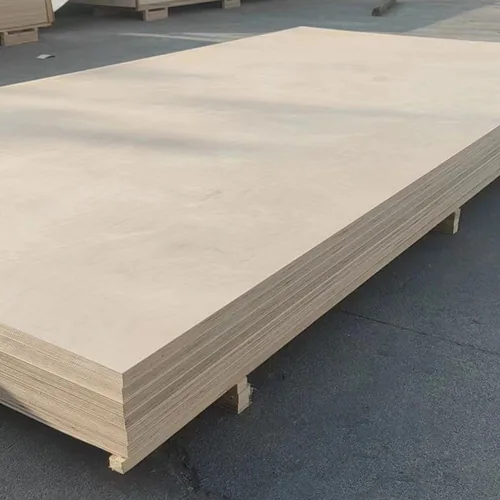
EPF’s MDF handling guidance recommends horizontal storage clear of the floor on suitable dry supports, equal-height bearers and aligned supports through stacked layers. It also describes flush stack edges and reasonably dry, ventilated storage. Match the support layout to the board thickness, format and supplier instructions.
- Protect faces and edges: identify the show face, finish and vulnerable corners before lifting, restacking or withdrawing sheets.
- Keep the stack supported: review remaining support when a pack is opened, split or moved; avoid overhanging sheets.
- Retain identification: copy the item/lot/pack reference to the remaining material when the original wrapper or label is removed.
- Separate work stages: give held, pending and released material distinct locations or clear status labels.
- Keep access practical: allocate the first-use items without burying other constructions beneath an unrecorded mixed stack.
Record the storage area and movement date when a pack moves to another room, rack or workshop. The next material check can then be interpreted against the condition actually experienced by that item.
Plan storage for your chosen panel and finish.
Use the supplied board’s handling instructions. The table connects each product route to its workshop checks. For faced boards, include the front, substrate, reverse and protected edges in the storage plan.
Scroll horizontally to compare all columns.
| Panel route | Supply reference | Carry into the storage and process trial |
|---|---|---|
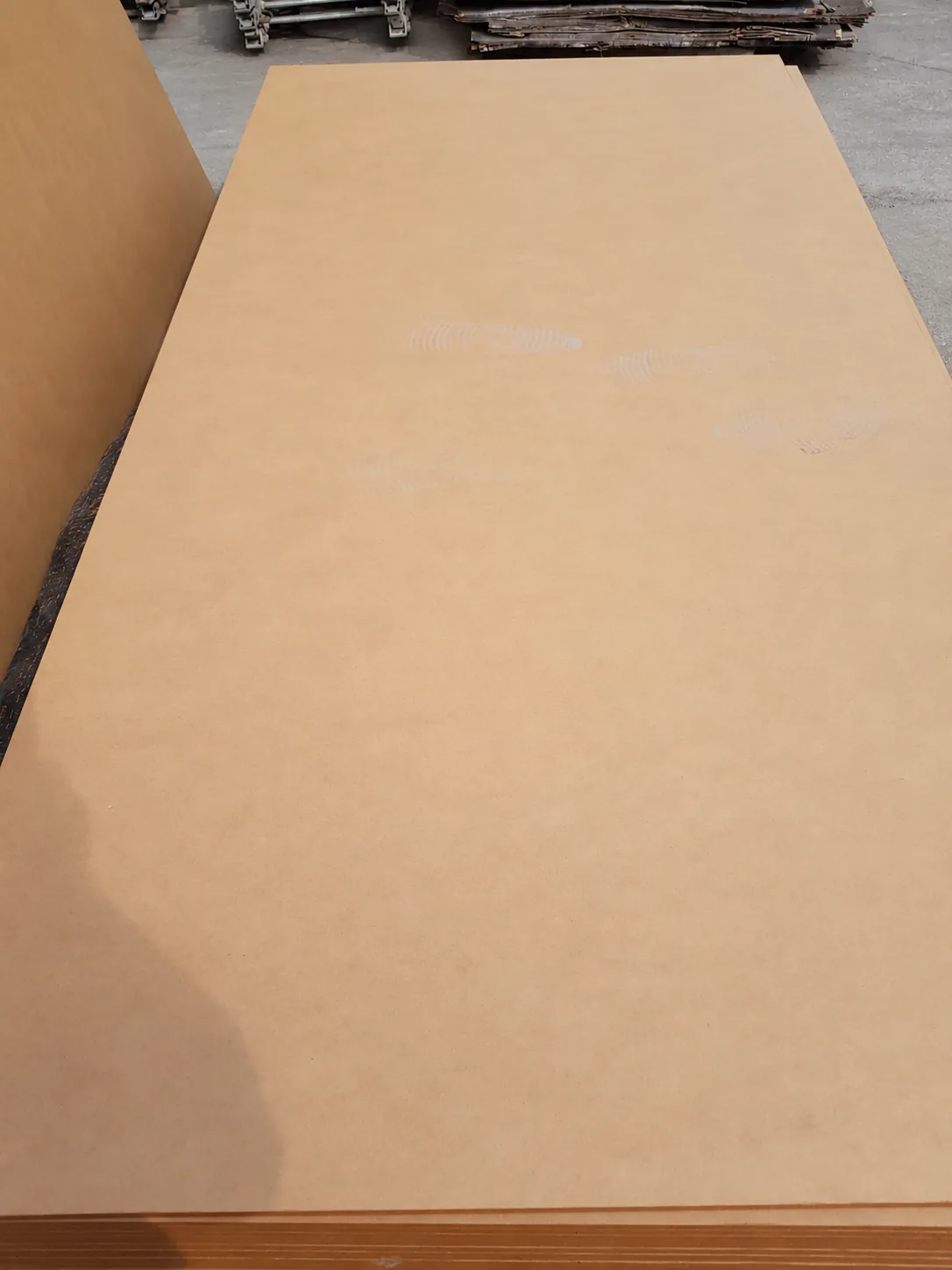
| Standard raw MDF | Plain MDF, 2.5–35 mm; selected model, gauge and format. | Support, material-condition checks, routed remaining section, prepared edge, paint system and complete-part fit. |
| Moisture-resistant MDF | Moisture-resistant MDF, 9–25 mm; intended humidity/wetting and complete finish. | Model-specific handling/moisture data, actual storage exposure and the finished component’s faces, edges, holes and joints. |
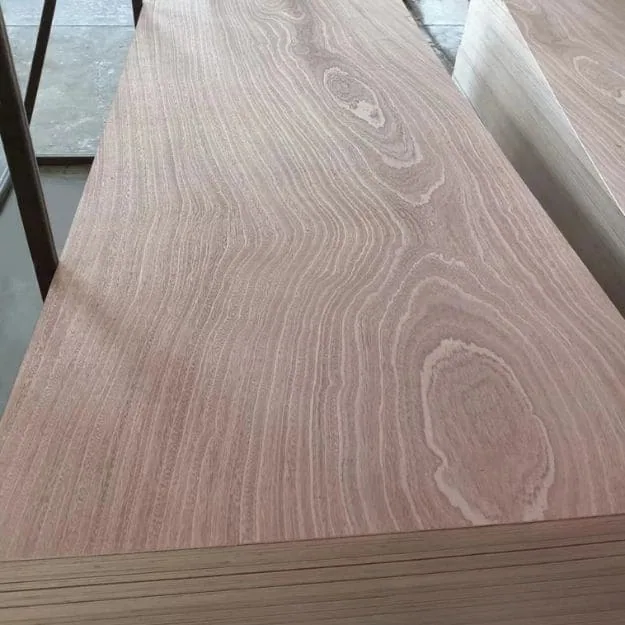
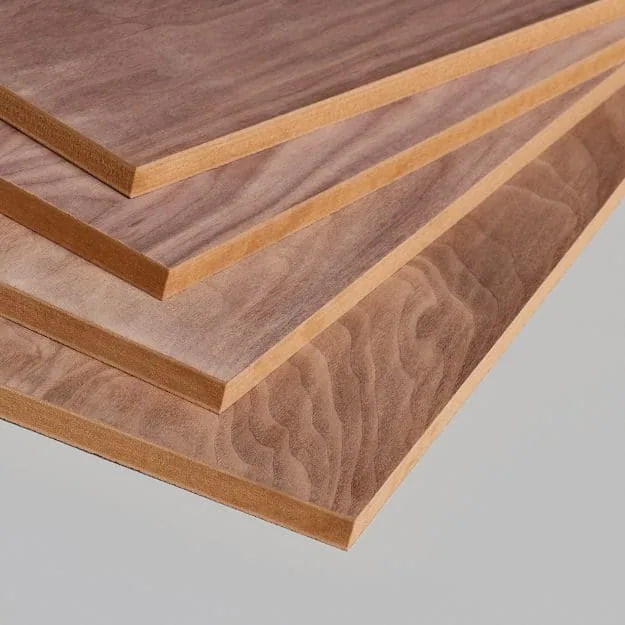
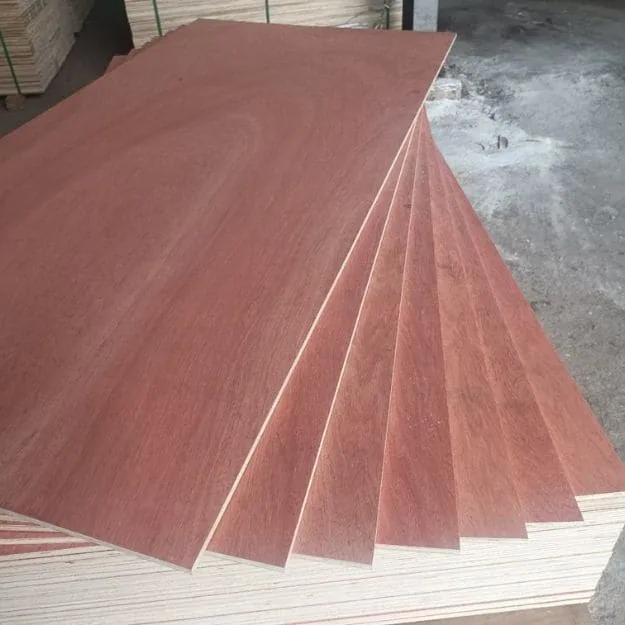
| Decorative veneer plywood | Natural plywood, 3–30 mm; face/reverse, full core and appearance reference. | Face protection, numbered matching groups, condition/flatness, exposed cut edge, coating and joined-part fit. |
| Specified WBP plywood | WBP plywood, 3–30 mm; named construction and required bond/application basis. | Handling and exposure history, model/dimension checks, new cut edges and holes, finish and actual component conditions. |
Record storage conditions and panel measurements.
A relative-humidity observation describes the surrounding air. A meter indication describes the instrument, setting and position used. A laboratory moisture result describes the submitted material and test method. Put the method and scope beside the number before comparing records.
Scroll horizontally to compare all columns.
| Check | Keep with the observation | Use in the decision |
|---|---|---|
| Temperature / relative humidity | Location, date/time, instrument and recorded conditions. | Describe the storage/workshop environment and relevant changes between checks. |
| Moisture-meter indication | Instrument/type, panel/material calibration or correction, method, depth/positions and sheet identity. | Compare observations made on an agreed basis; discuss accuracy and product suitability with the instrument/product supplier. |
| Gravimetric moisture result | Specimen identity, initial and dry masses, agreed laboratory procedure and calculation basis. | Interpret the identified specimen’s result alongside the agreed sampling and material requirement. |
| Dimensions / flatness | Sheet/point map, instrument, support and conditions; face/edge and thickness/length/width results. | Compare the selected item with its agreed finished range and critical component fit. |
| Process trial | Panel/sample, drawing, actual cut/joint, finish/cure and assembled observations. | Connect the material checks to the next machining, coating or assembly operation. |
EPF’s moisture measurement guidance discusses resistance-meter limitations, MDF-specific calibration where available and the dry-mass calculation. For a calculation exercise, initial mass 108.4 g and dry mass 100.0 g give (108.4 − 100.0) ÷ 100.0 × 100 = 8.4%. Those example masses are calculation inputs; retain the actual specimen and agreed laboratory method in a report.
Agree which sheets and positions are checked, how repeat observations are made and how differences are reviewed. A top-sheet reading and a middle-pack reading need their own locations. Continue with recording material dimensions consistently and keep the instrument/method reference with the measurement map.
Use process readiness to schedule the next operation.
Agree readiness with the panel and process suppliers before the first production run. State the applicable material-condition and dimension criteria, the trial component and the conditions under which the team will review it. Reserve time in the production plan for those checks and for any follow-up needed on affected material.
- Define the item: product/model, full construction, nominal and finished dimensions, lot and sample references.
- Define the process: cutting/routing, joint or fitting, supplied and workshop-applied surfaces, coating/adhesive and assembly sequence.
- Define the checks: relevant moisture method and sampling, flatness/dimensions and the finished trial’s criteria.
- Define the handoff: who reviews the results, which quantity is released and which drawing/finish instruction accompanies it.
Repeat the relevant review when the construction, storage environment, machining depth or finishing system changes. Keep material held for investigation out of an otherwise released work-stage allocation. This gives production a usable schedule rather than an arrival date that hides open material decisions.
Trial a finished plywood face and edgeRequest plywood handling and condition dataMDF moves from delivery to a routed-door workshop.
Illustrative material-allocation scenario. The quantities and status changes show how to keep a workshop record; use your agreed product, inspection and process criteria for the actual order.
Take 100 sheets of one selected raw MDF construction in two identified packs of 50. The workshop has prepared supported indoor storage for routed doors. Pack P1 has an arrival-condition concern; P2 is separately identified and evaluated against the workshop’s agreed checks.
Scroll horizontally to compare all columns.
| Point in the handoff | P1: 50 sheets | P2: 50 sheets | Production record |
|---|---|---|---|
| Arrival record | 50 held while the receiving concern is reviewed. | 50 pending the agreed storage/material and process checks. | 100 received = 50 held + 50 pending. Retain pack labels, dates and observations. |
| Material and trial review | Keep the affected identity, photographs and supplier/reviewer discussion. | Run the selected routed/coated detail and record the material, tooling, finish and fit. | Record the checks and sample scope; the trial supports the identified review. |
| Example work-stage release | 50 remain held pending the agreed next action. | 40 released following the defined review; 10 remain pending. | 100 = 50 held + 40 released + 10 pending. Issue 40 with the current drawing/finish instruction. |
Record which sheets the workshop trial represents and which are ready for use. Check the remaining stock as agreed before releasing it to production.
Put the handoff in the production instruction.
Record the released quantity, item/pack/sheet references, material checks, drawing revision and finishing sequence. Assign the remaining review or supplier question to a named contact. The next shift can see what to use and which material remains open.
For the actual door, use the routed finishing trial and retain the panel condition, deepest routed section, prepared edge, coating sequence and complete-door fit.
Request a routed and painted MDF trialRequest raw MDF handling and process dataAllow time and space for the workshop handoff
CUZI’s regular production takes 7–15 days. Add shipping, receipt and the material checks needed before your machining date. Request pack dimensions and gross weights using the loading and unloading checklist. Plan supported storage for the actual delivered formats and first-needed items.
Keep selected and changed constructions in the sample-to-production record and repeat-order record. The storage file records where the delivered material has been and whether it is ready for the next operation.
Include storage and packing in your inquiryRequest mixed-MDF packing and handling dataKeep a wet or bowed panel out of an unchecked production run
Identify the affected packs and sheets, record original photographs and measure the relevant condition. Waiting longer does not guarantee that a bowed board will meet the required flatness. Use the material-history record and agreed recheck or disposition before using affected stock.
Retain structural-panel marks and exposure history for the responsible project reviewer. APA’s technical guidance addresses substantial or prolonged wetting; the actual product and use determine the evaluation.
Send a storage-to-workshop brief with the panel inquiry.
Start with the component, actual storage arrangement and the decisions still open. Request the product’s handling and processing guidance with the selected model’s data, then agree the workshop check and trial record.
Panel/model / full construction / supplied finish / dimensions:
Order item / lot / pack / selected sheet and sample references:
Unloading limits / external pack dimensions and gross weights:
Supported storage location / protection / first-later stage allocation:
Arrival concerns / movement dates / workshop temperature and RH records:
Moisture method / instrument-material calibration / checked positions:
Dimension-flatness method / criteria / actual machining-finish-fit trial:
Held / pending / released quantities / reviewer and next action:
Drawing-finish revision / required workshop date / named FOB or CIF port:
Review the relevant product guide and prepare your inquiry files. You can start with the editable storage handoff request or download the general RFQ outline to attach your item schedule.
Trial the selected WBP plywood componentRequest WBP handling and material dataQuestions buyers ask
How many days should panels acclimatize?
Set the period from the selected board, stack and workshop conditions, using checks that demonstrate readiness for the next operation. There is no universal 24- or 48-hour period for every panel. Record sheet positions, measurement method and the quantities meeting the agreed criteria.
Can one surface reading represent the whole stack?
No. One surface reading does not represent the moisture condition of every sheet in a stack. Keep the reading’s instrument, material calibration, depth/position and sheet identity. Agree the sampling scope for the lot or pack being evaluated; exposed edges, top sheets and inner material need recognisable positions in the record.
Are relative humidity and panel moisture content the same measurement?
Relative humidity describes the surrounding air. A panel moisture result concerns the material and method used. Record them in separate fields with date, location, instrument or laboratory reference so the comparison remains meaningful.
Can I use a timber moisture meter on MDF?
Use a moisture meter on MDF only when it has a suitable MDF calibration or a validated correction for that board. EPF discusses resistance-meter accuracy limits and MDF-specific calibration where available. Confirm instrument suitability, settings/correction and measurement positions with its supplier, and retain the agreed method with the material requirement and observations.
Does moisture-resistant MDF or WBP replace a storage plan?
No. MR MDF and WBP plywood still need flat support and protection from unsuitable moisture exposure during storage. Keep the selected model, intended exposure and relevant product guidance with the order. Prepare supported protected storage, record any wetting or condition concern and trial the actual finished component before the agreed workshop release.
Will a longer waiting period correct a bowed board?
No. Waiting longer does not guarantee that a bowed board will meet the required flatness. Measure flatness and compare it with the part requirement. Record the affected boards, the agreed next step and the result of any further check.
What should follow a material concern on arrival?
Identify and hold the affected material, preserve photographs and relevant readings, then use the panel issue record to agree the next check and action. Update the held and released quantities after that decision.
What should I include when requesting a storage/process sample?
Send the selected construction, gauge, component/drawing, actual storage and measurement plan, machining/finish/assembly detail and sample dimensions. Retain the material and process observations with the working reference used for the order.
Technical reading
- EPF MDF: handling and storing — MDF support, stack protection and storage guidance.
- EPF MDF: controlling moisture content — material adjustment, measurement and dry-mass calculation.
- APA: moisture-related dimensional stability — wood structural panel moisture response and relevant technical topics.
- APA: technical questions — application-specific guidance, including structural-panel wetting concerns.
Use the guidance for the offered product/model and intended application, alongside the current supplier’s handling and processing instructions. Keep the selected item, actual checks and agreed readiness decision connected through storage, fabrication and repeat orders.