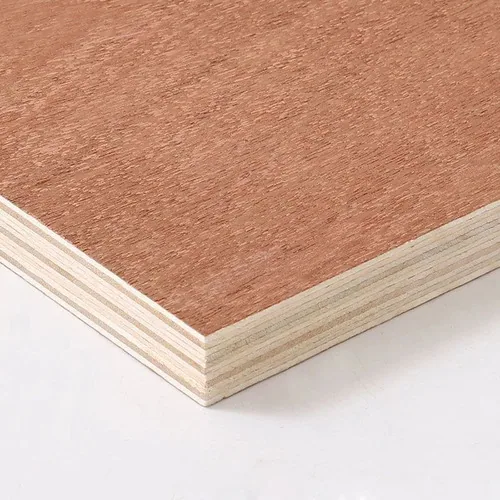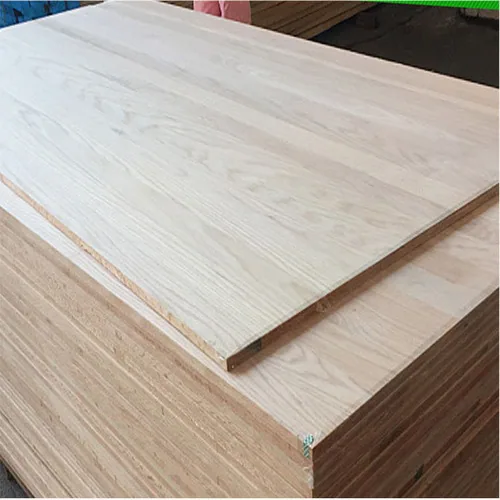
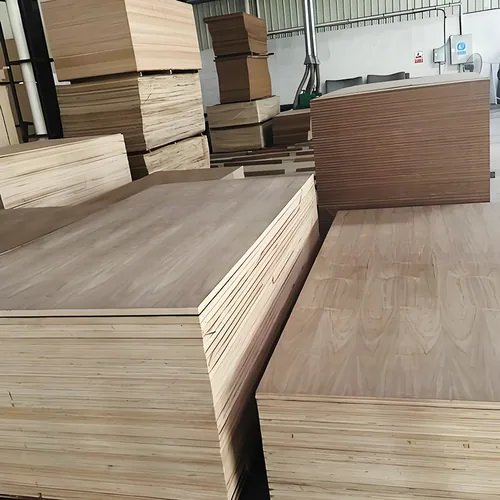
A WOOD PALETTE FOR THE COLLECTION YOU MAKE
Allocate walnut faces to the parts people see together.
A drawer stack, pair of doors and wall elevation each need a different face layout. Number those groups and choose the permitted colour and sapwood range with the finished sample. Keep the veneer choice distinct from the core and from any engineered walnut-pattern alternative.
Choose the material behind the walnut appearance.
Natural walnut and engineered walnut-pattern faces can be specified. Both use the 3–30 mm decorative panel range with the selected poplar, birch or eucalyptus construction. Give every face choice its own identity and physical reference.
Scroll horizontally to compare all columns.
| Face / detail | Keep with the selected set | Start that comparison |
|---|---|---|
| Natural walnut veneer | Identify the actual species/origin and cut on the proposed item. Select colour/figure and heartwood/sapwood preferences, permissible repairs/joints and appearance range on representative finished pieces. Mark the faces compared together. | Retain the material identity and physical range with the offer. Request natural walnut samples |
| Engineered walnut-pattern veneer | Name the reconstructed pattern/code, actual constituent wood/material and proposed lot. Compare grain/colour scale, leaf joints and finished range alongside the actual edging and frame. Keep the full panel construction separately. | Retain a physical pattern/finish master for the next proposed lot. Request engineered walnut samples |
Set the colour and sapwood preference for your design
Use finished samples to choose walnut’s lighter areas, grain character and acceptable repairs. Mark where contrast suits the design and where adjoining pieces should match more closely. Keep that range with the order.
CABINETRY, FURNITURE AND INTERIORS WITH A SHARED PALETTE
Choose walnut for the surfaces people see together.
Try a sample of each pair, corner or elevation detail.
Scroll horizontally to compare all columns.
| Face / detail | Keep with the selected set | Start that comparison |
|---|---|---|
| Cabinet doors / drawer fronts | Mark pairs, drawer order and centre joints on the elevation. Review grain/cut, sapwood/repair range and coating together; keep both front and reverse construction/finish, hinges/fixings and actual edge with the trial. | Single/double visible faces are specified by side. Trial a two-sided cabinet pair |
| Furniture face / edge / return | Compare the selected veneer and actual solid lipping/banding at a corner or return under the same finish. Identify visible reverse areas, repaired/routed features and required full component fit. | Review the junction beside the collection’s trim and hardware. Trial the finished face-edge corner |
| Feature wall / separate furniture | Number adjoining panels, corners/access faces and grain arrows as viewing groups. Give separate tables/components their own accepted range; identify selected spares and staged receiving requirements. | Make the sample allocation follow the actual sight lines. Trial a numbered viewing group |
For a different wood palette, compare beech veneer panels or sapele plywood. Use the decorative plywood range to explore other faces while keeping the same component and finish in the comparison.
Specifications
Supply specifications
Regular sizes mm · width × length
On request
Other sheet sizes and cut-to-size panels on request.
| Nominal thickness | 3–30 mmDiscuss finished thickness and tolerances → |
|---|---|
| Core / substrate | Poplar, birch or eucalyptus |
| Surface finish | Walnut veneer; single or double sided; veneer matching available |
Details for your application
Panel construction and finishing
| Walnut face | Walnut veneer with face identity, cut, thickness and chosen appearance recorded for the item. |
|---|---|
| Thickness & core | 3–30 mm panels with poplar, birch or eucalyptus cores. |
| Face arrangement | Single or double sided; reverse-face selection and treatment identified with the component. |
| Matching & appearance | Veneer matching available, with the grain, lighter-area range and panel sequence discussed against the drawing. |
| Finished reference | Coating, face-edge junction, pair or elevation map and selected spares connected to the order. |
Walnut on the face. Your chosen construction within.
Select the thickness and core for the component, then add the appearance and matching requirements for its visible surfaces. Use the sheet formats below with the grain direction shown on the cutting list.
- Thickness & core
- 3–30 mm panels; poplar, birch or eucalyptus cores. Include the bond and tolerances needed for fabrication.
- Visible faces
- Walnut veneer, single or double sided; face identity, cut, veneer thickness and reverse-face requirements.
- Appearance range
- Preferred colour, grain character, lighter areas or sapwood allowance, and permissible repairs.
- Matching set
- Veneer matching available; door pairs, drawer order, grain arrows, end panels and numbered elevations.
- Finish & edges
- Intended coating or stain, sheen, sanding, edging material and the finished face-edge junction.
- Order allocation
- Sheets or cut components by item, selected spare fronts, matching-group labels and destination.
Include the walnut face reference and internal core on the same item line. Record actual front/reverse veneer gauges and supplied preparation, with remaining veneer after the intended sanding/routing. Keep nominal panel, measured finished thickness and any assembled build-up on separate lines using the thickness measurement plan. Add the panel thickness separately from face veneer thickness, with any machining or fitting limits your drawing requires.
MATCH THE SELECTION TO THE WAY IT WILL BE SEEN
A cabinet pair, a furniture collection or a feature wall.
Focus the sample on the surface relationships that matter to your customer. Give purchasing a matching scope that follows the design and the quantity you need.
Agree the leaf match before allocating the sheets.
Matching is available. Specify the real leaf arrangement with the face identity and finished range; allocate the closest coordination to adjoining surfaces that customers compare directly.
Scroll horizontally to compare all columns.
| Face / detail | Keep with the selected set | Start that comparison |
|---|---|---|
| Book-matched leaves | Alternating leaf faces/mirrored joints on the actual selected veneer or engineered pattern. Check grain/figure and light/dark relationship under the intended coating, in final viewing direction. | Keep the proposed paired finished sample. Request a book-matched pair |
| Slip-matched leaves | Successive leaves without reversal; record leaf order and repeated grain/pattern arrangement. Compare joints and accepted finished range at the scale of the front or wall panel. | Identify the actual cut/pattern and visible face positions. Request a slip-matched set |
| Numbered fronts / panels | Door pairs, drawer order, end panels, wall returns/access and selected spare pieces. Mark grain arrows, actual dimensions and group codes with the retained range on the cutting/packing list. | Carry the selected sequence into the received set. Request the numbered face sequence |
Pair the cabinet fronts
Place the doors and drawers in their intended order. Review grain, lighter areas and the centre joint under the final coating.
Review a finished pairDevelop a furniture collection
Retain a wood palette with face and edge references. Allocate matching effort to adjoining pieces and keep the selected range for repeat batches.
Plan the next collectionCoordinate a feature wall
Number the panels, corners and access faces. Connect the sequence and selected spares to the full elevation before ordering.
Plan the panel allocationUse the grain-oriented cut list and the decorative matching guide with the selected walnut item and face/edge master.
COMPARE OPTIONS
Your selection at a glance
Wood and natural character
Select the walnut face, cut and accepted lighter areas. Review several finished faces under the same lighting.
Construction and edges
Choose 3–30 mm and the core; specify face/reverse gauges. Compare the actual solid lipping or veneer edge under the same coating.
Pairs, sequence and spares
Number door pairs, drawer fronts and wall panels before cutting. Select spares with the original group and retain its finish and appearance range.
THE SELECTED FACE AND THE QUOTED PANEL TOGETHER
Give the workshop a complete walnut item.
Request data for the walnut faced panel you intend to buy. Include the destination, component use and any required bond or emission standard with the proposed construction.
Keep the product information beside the drawing and finished sample. When a core, coating or edge detail changes, the revised proposal can be reviewed against the same furniture item.
Request veneer, core and finished thickness details.
Scroll horizontally to compare all columns.
| Face / detail | Keep with the selected set | Start that comparison |
|---|---|---|
| Natural walnut identity | Actual species/origin/cut, veneer reference and the buyer-required source/material records. Keep the heartwood/sapwood, figure/joint/repair preference and selected physical finished range on the item. | Name any particular required species/origin in the buyer brief. Request natural walnut identity data |
| Engineered pattern identity | Pattern/code, actual constituent wood/material/producer/lot, proposed grain scale and finished master/range. Keep changes in code, preparation or finish explicit on the next offer. | Separate the decorative pattern name from material identity. Request walnut-pattern material data |
| Face / reverse / full construction | Actual veneer gauges/preparation/remaining veneer, selected core/full species-layer-bond schedule, nominal/measured finished dimensions/tolerances. Request required bond/emission methods/conditions/results and exact offered model/material scope. | Match the file to the finished component and destination. Request the full veneer and panel file |
| Coating / edge / retained set | Actual coating/stain/preparation/cure/sheen and included supplied surfaces, joined edge/corner and customer viewing light/direction. Keep physical range/group/spare references, and any care or later surface-work instructions. | Identify finishing work left for the buyer’s workshop. Request finish and matching-set data |
Describe the veneer selection in practical terms
Share the walnut veneer, cut and appearance you want, with samples or photos of the colour range and closely matched pieces. Columbia Forest Products’ veneer guide introduces veneer selection and cuts. Agree the finished appearance with the quotation. See Columbia Forest Products' veneer guide.
Product data & reports to request
Request a technical data sheet covering:Face/back grade, core species and lay-up, bond, thickness tolerance and the agreed surface finish.Include these specification details:- Walnut veneer identity and cut, face thickness, reverse face and the selected appearance range.
- Core construction, nominal thickness, dimensional tolerances and required bond or emission information.
- Matching-set references, surface preparation, intended finish and sample or item identification.
Company documents to view
FSC chain of custody Wood panels · purchase & salesISO 9001 & ISO 14001 Management systems · stated sales activitiesEN 13986 plywood document Non-structural scope · listed modelsView our company certificates alongside the technical data for your selected panel.Furniture & interior panels: what to match
- Technical data
- Face/back grade, core species and lay-up, bond, thickness tolerance and the agreed surface finish.
- Emissions
- For covered hardwood plywood entering the US, request TSCA Title VI certification or applicable exemption documentation, with producer and product identification. For other markets, specify the required emission class and test method. For European furniture and wood-based articles, include the applicable REACH Entry 77 / Appendix 14 emission requirements.
- Sample match
- Connect the data sheet and reports to the proposed construction, thickness and sample reference.
BEFORE YOU ORDER
Ordering information
- Minimum order
- 1 container
- Production time
- 7–15 days
- Samples
- Free samples
- Delivery terms
- FOB Qingdao / Lianyungang
USD 450–850 / m³ FOB Qingdao / Lianyungang
CUZI · Available to order · Raw materials in stock
Made to order · Production: 7–15 days · Warranty: 180 days
Container shipping by sea. Custom specifications and sizes available; ocean freight quoted separately.
Sample freight & order notes
- Minimum order: Mixed loads available.
- Production time: Made to your order; sea transit is additional.
- Samples: Buyer pays freight; full credit on a formal order.
- Delivery terms: Container shipping by sea.
TAKE THE WOOD PALETTE INTO A FINISHED COMPONENT
Try the face, the edge and the pair.
Request a free walnut plywood sample with the thickness, core and face arrangement you want. Tell us whether it will settle a cabinet pair, an edge detail or a larger panel sequence. You pay sample freight, which is credited in full against your formal order.
- Select the wood characterArrange representative faces together. Mark the preferred colour, grain and lighter-area range, with the sample and matching-group references.
- Make the finished junctionTry the intended coating on the face and chosen edging. Include a joint or corner, then review the combination beside the adjoining finish or hardware.
- Retain the complete itemKeep the finished pair or component with its drawing, coating and construction. Quote production quantities and selected spares against that reference.
Review lighting and full-size fit where they matter
View the finished sample under the intended room lighting and from the main viewing directions. For a door or larger component, include a representative full-size trial when fit, mounting or flatness affects the design. Record the front, back, edge finish and assembly details with the retained component.
KEEP THE SELECTED SET EASY TO FIND ON ARRIVAL
Protect the walnut face and preserve the pair labels.
Use the receiving/storage guide with item-specific finish/handling instructions. Discuss face interleaving, edge and corner protection, pack dimensions and unloading limits with the item list. Carry door-pair or elevation references onto the pack labels and packing list.
Identify spare fronts against their original group. Record received quantities, visible face condition and handling observations before distributing the sheets among rooms or workstations. Keep the applicable storage and finishing information with the selected item.
Request FOB at the shipment port or CIF at the destination port. Include your destination and receiving requirements when planning the arrival for your production or installation schedule.
A WALNUT ITEM YOUR BUSINESS CAN ORDER AGAIN
Build the next container around your collection.
Combine the panels your business uses in a mixed load, starting at one container. List walnut items by thickness, core, face arrangement and quantity, with matching sets identified separately.
Cabinet and furniture manufacturers
Keep the finished face-edge reference with the appearance range for each collection. Allocate adjoining fronts as a group, then list other pieces by their viewing requirements. Bring any changed coating, edging or drawing into the next quotation.
Interior project buyers and panel distributors
Give each project elevation or decorative stock item a clear material reference. Plan the sample, quantities and selected spares together, and retain the matching-group labels through receiving and staged installation.
Compare the value of the finished set
Compare panel prices against the same veneer selection, core, matching scope and delivery terms. Review usable component yield with the layout, including locations that can accept a broader appearance range. Add edging, finishing and selected spare fronts to the plan so the material quotation connects to the complete set your business sells.
ONE WALNUT COLLECTION, TWO VIEWING GROUPS
Put the closest matching where the eye compares it.
A furniture collection includes a bank of cabinet doors and several separate tables. Place the doors on one numbered elevation, with drawers and end panels beside them. Review that group under the final coating before allocating its sheets.
Give the separate tables their own appearance range within the collection's palette. Mark how lighter material or a more pronounced grain can be used in those positions. The cutting list can then follow the design's visual priorities.
Carry the allocation through cutting and installation
Label each pair or set with its panel orientation and drawing revision. Keep selected spare fronts with the same group, and discuss their quantity while the appearance selection is available. Natural colour, grain and ageing affect later matching, so retain the finished reference and the current neighbouring surfaces for a replacement inquiry.
Count the grain-aligned blanks, then allocate the matching set.
For a planning layout, take a 1220 × 2440 mm sheet and 450 × 720 mm fronts with the grain along the 720 mm height. Allow 15 mm trimming at each sheet edge and a 4 mm gap for each internal saw cut. That leaves a 1190 × 2410 mm cutting rectangle. Use the actual saw kerf, offered face layout and finished component allowance in your own cutting list.
Scroll horizontally to compare all columns.
| Layout / quantity | Dimension check | Purchasing consequence |
|---|---|---|
| Grain along the front height | 2 columns × 3 rows = 6 rectangular blanks. Width: 2 × 450 + 4 = 904 mm. Length: 3 × 720 + 2 × 4 = 2168 mm. Both fit inside 1190 × 2410 mm. | Mark the top and grain on every front before comparing the neighbouring finished faces. Six geometrical positions still need allocation to the selected veneer range. |
| Rotate the fronts 90° | 1 column × 5 rows = 5 blanks. Width: 720 mm. Length: 5 × 450 + 4 × 4 = 2266 mm. | The grain runs across the front width. Use this orientation only where the drawing accepts it; keep it separate from the vertical-grain door group. |
| 18 installed fronts + 3 specified spares | 21 requested fronts ÷ 6 positions per sheet requires 4 sheets in this grid, giving 24 potential positions. Requested front area: 21 × 0.450 × 0.720 = 6.804 m². Gross sheet area: 4 × 1.220 × 2.440 = 11.9072 m². | Keep the 3 specified spare fronts tied to their door groups. The other 3 unallocated grid positions are not automatically matched replacement fronts. |
The requested rectangular area is 57.14% of the four gross sheets in this layout. This is a geometric purchasing calculation, before veneer matching, colour/repair selection and machining or finishing loss. Agree the offered veneer allocation and actual cut plan before fixing the sheet quantity or cost per usable finished front.
Keep a finish sample for each adjoining panel group.
Adjoining fronts: keep numbered doors/drawers/end panels, grain arrows and actual final positions with their accepted finished range, face-edge detail and selected spare fronts.
Separate furniture pieces: keep each component’s selected character range within the palette, actual finish/edge/fittings and drawing revision. Allocate permitted lighter or stronger-figure material by visible position.
Replacement or next lot: provide retained material/construction/finish/group codes, current neighbouring surfaces and changed process/drawing. Review the proposed finished piece or coordinated replacement set before cutting and allocating.
Discuss the replacement or next groupFROM THE SELECTED PAIR TO THE NEXT BATCH
Keep the walnut palette connected to the panel.
The worksheet brings appearance, matching and fabrication into one item record. Use it with the physical sample when comparing panels, allocating components and preparing a repeat inquiry.
| Check | Record during evaluation |
|---|---|
| Face & appearance | Natural walnut species/origin/cut or engineered pattern/code/constituent material/lot; physical range, heartwood/sapwood and figure/joint/repair preferences under the selected finish. |
| Pair & sequence | Door and drawer positions, grain arrows, numbered elevation, returns and matching-group references. |
| Core & component | Chosen full core/veneer/bond schedule, nominal/measured finished panel and actual front/reverse gauges/preparation/remaining veneer, fitting/machining and assembled dimensions/fit. |
| Edge & coating | Edging material, face-edge junction, coating or stain, sheen, lighting and finished sample. |
| Selected item & repeat | Retained identity/pattern/material and complete construction/finish/edge/range, drawing and fitting references, changed veneer/coating/process and proposed lot/quantity; current adjacent faces for replacement. |
| Packs & spare fronts | Pair or elevation labels, selected spares, face protection and receiving condition. |
Review a pair or replacement that stands out
Reassemble the pieces in the intended position and compare grain direction, selected appearance and coating. Keep the current neighbouring faces with the replacement request, including any changes since the original finish trial. Discuss the piece or coordinated replacement group against those references before cutting into the selected material.
BEFORE YOU SELECT THE WALNUT PRODUCTION ITEM
Your walnut plywood buying questions.
Which thicknesses and cores are available?
Walnut veneer plywood is available in 3–30 mm with poplar, birch or eucalyptus cores. Include the selected construction, bond and dimensional requirements with the component drawing.
Can I request one or two walnut faces?
Single and double sided panels are available. Mark the surfaces your customer will see and specify the walnut appearance, reverse-face requirements and intended finish.
Can adjoining doors or wall panels be matched?
Veneer matching is available. Send a numbered elevation with the adjoining pieces, grain direction and proposed leaf arrangement, then review the set using finished samples.
Which sheet sizes should I use in my cutting list?
Regular plywood sizes are 1220 × 2440, 1250 × 2500 and 1525 × 3050 mm. Formats including 1220 × 3050 and 1250 × 3660 mm, other sizes and cut panels are on request. Show the finished size and grain direction for each item.
How should I describe lighter areas and natural character?
Use a representative sample range and identify the faces viewed together. State your sapwood and repair preferences, with the locations that can accept broader colour or grain variation.
What edging should I compare with the walnut face?
Bring your proposed solid lipping, veneer edging or other edge treatment into the same finish trial. Check the face-edge junction and corners under the coating used on the finished component.
Can stained oak provide the same effect?
Stained oak can follow a darker colour direction, but its grain and pore structure remain oak. Walnut supplies a different wood character. Compare both finished faces beside the selected edging and under the same lighting before choosing the collection's material.
What should I keep for a repeat order or replacement?
Retain the finished sample, appearance range, veneer and core references, drawing and pair or elevation map. Link selected spare material to its original group, and include current neighbouring finishes in a replacement inquiry.
How do I specify natural walnut and an engineered walnut pattern?
For natural walnut, identify the required species, cut and accepted physical range. For engineered walnut-pattern veneer, identify its pattern code and constituent material. Specify the actual plywood core separately in both cases.
How much veneer remains for sanding or routed details?
The face left after processing equals the supplied veneer gauge minus the material removed. Use the actual front/reverse gauges, sanding sequence and routed depths to define the remaining face. Total plywood thickness is a separate measurement and cannot establish a sanding allowance.
How can I compare walnut veneer samples fairly?
Try representative veneers with the intended coating beside the selected edging. Review grain, colour, lighter areas and joint relationships under the project lighting, then retain the finished range and panel references for the order.
Further reading: Book match or slip match: prepare the veneer order or Veneer panel sequence: labels from cutting to installation. Compare your shortlisted panels.
LET'S PUT WALNUT INTO YOUR NEXT COLLECTION
Send the layout or start with your first item.
A veneer reference, thickness, quantity and destination are enough to begin. Open the outline when you want to add the door pairs, edge finish and appearance requirements.
Open the walnut plywood inquiry outline
I would like a quotation for Walnut Plywood.

Application / destination:
Thickness / sheet or finished part size:
Natural walnut or engineered pattern / appearance sample:
Core / bond / visible faces:
Matching / numbered groups / edges / finish:
Quantity / mixed-load items / spares:
Samples or product documents needed:
Packing / FOB or CIF port / required date:
Explore stained oak when developing the wood palette, or compare beech veneer panels for another furniture direction. Use the same component and finish when comparing the proposed materials.