Specifications
Supply specifications
Finished panel formats
Send your required width and length. Available formats are confirmed with the selected panel and quoted scope.
Buying components?
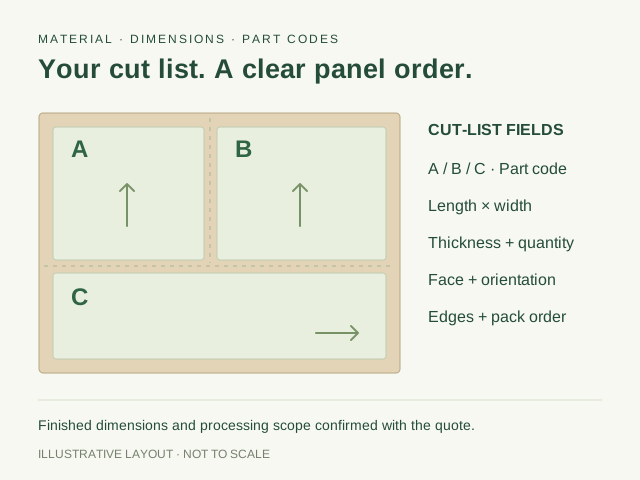
Include part dimensions, grain direction and quantities by item with your drawing.
| Supply | Melamine faced plywood; complete construction quoted for your project |
|---|---|
| Core / substrate | Plywood; core species and lay-up quoted for the selected construction |
| Facing | Melamine decorative surface; decor, texture and sheen specified for the item |
| Finished thickness & format | Quoted for the selected facing/plywood construction |
| Front / reverse | Desired visible faces and back treatment identified in the item |
| Edge & fabrication | Exposed plywood edge or matching band; requested operations and drawing |
Application-specific specification checks
Panel construction and finishing
| Plywood and bond | Core species, veneer lay-up, substrate thickness and intended environment. |
|---|---|
| Decorative surface | Melamine facing identity, decor master, texture, sheen and grain direction. |
| Front and reverse | Visible-face requirements and matching or different reverse treatment, confirmed with quotation. |
| Finished component | Total thickness/tolerance, format, exposed edge or band, drawing and fabrication scope. |
| Documentation | Proposed finished-panel emission, bond and surface data with destination and required methods. |
Put the decorative face and plywood build-up on one specification.
Start with the finished thickness, sheet or part dimensions, and decor you want to match. The proposed plywood lay-up, face/reverse arrangement and finished panel tolerances are confirmed for that item.
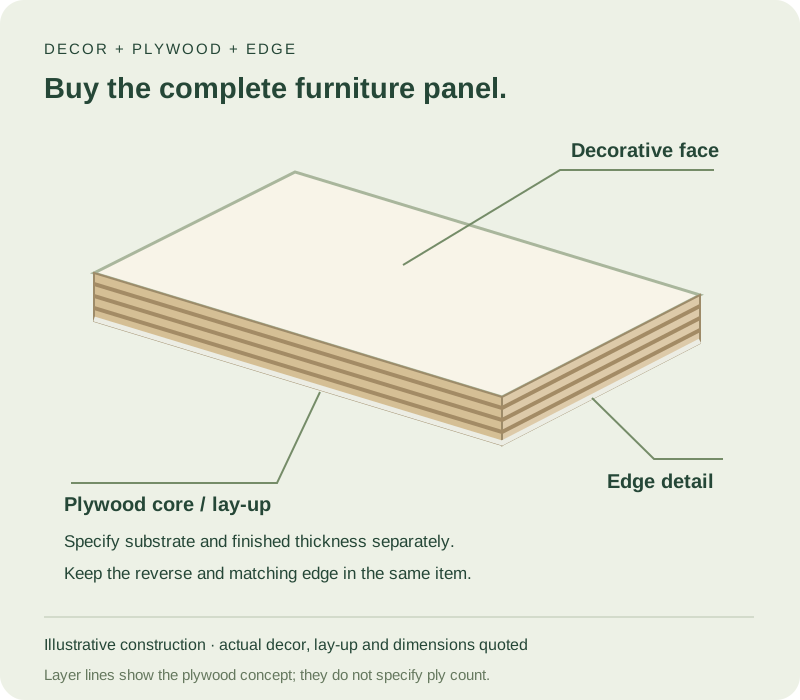
| Plywood substrate | Core species, veneer lay-up, substrate thickness, bond requirement and intended environment. |
|---|---|
| Melamine facing | Decor reference, colour, texture, sheen, paper/overlay designation and the proposed surfacing construction. |
| Front and reverse | Required visible faces, matching or different decor, reverse treatment and complete layer arrangement. |
| Finished geometry | Total thickness, tolerance, width/length and measurement conditions; distinguish substrate and finished dimensions. |
| Edges and fabrication | Exposed plywood edge or matching edge band; cutting, drilling, routing and any requested preparation. |
| Documents | Finished-board emission requirement, bond and surface test methods, destination and relevant product data. |
Our commercial plywood range includes 3–30 mm substrates with poplar, birch or eucalyptus cores. Use those substrate options to start the discussion; the melamine-faced panel’s finished thickness, available format and complete construction are quoted separately.
Substrate grade and visible decor: keep both references
A veneer face/back grade describes the plywood beneath the decorative facing. It does not describe the shade, texture, sheen or visible marks on a finished melamine face. Record both the substrate construction and the finished-surface master in the order line.
Quote the thickness at the stage your drawing uses.
Scroll horizontally to compare all columns.
| Purchase reference | Define on the item | Use in production |
|---|---|---|
| Unfaced substrate | Core species, veneer construction, bond and substrate gauge. | Material identity beneath the front and reverse facings. |
| Faced sheet | Actual front/reverse construction, total thickness and delivered sheet dimensions. | Sheet handling, cutting setup and the finished-panel measurement. |
| Cut blank | Dimensions before any band, trimming or later finishing operations. | Cut list, decor direction, machining datum and remaining work. |
| Completed component | Final dimensions, included edges, holes and fittings at the stated delivery stage. | Assembly clearance, adjoining parts and the retained component drawing. |
For a drawing that calls for a finished 18 mm panel, identify where thickness is measured and the agreed limits after surfacing. That requested dimension is not established by selecting an 18 mm bare substrate. Ask for the complete supplied construction at the required measurement stage.
Keep sheet format separate from component size. Include the decor direction and the size of the uncut part that your workshop needs. The quotation confirms the faced-panel format with its surfacing arrangement; commercial plywood substrate sizes alone do not determine the finished product’s availability.
COMPARE THE FINISHED ITEM
Same furniture design. Different panel routes.
Melamine faced plywood
A decorative melamine surface on a veneer-layer substrate. Request the core lay-up and inspect the cut edge alongside the face and component trial.
Melamine faced MDF
The same purchase discussion starts with an MDF substrate. Compare the actual decor, finished thickness, machining and hardware fit for your component.
Compare melamine MDFWood veneer plywood
A real wood face brings species, leaf matching and coating into the specification. Choose this route when the design calls for veneer character and a finishing process.
Explore veneer plywoodCompare quotations on the same delivered scope: substrate, decorative face, reverse, finished thickness, edging and fabrication. Include pack protection and freight when reviewing the cost of each option.
Melamine surfacing and HPL: name the actual facing
Melamine resin-impregnated decorative paper and a separately bonded HPL sheet describe different surfacing constructions. The Composite Panel Association explains thermally fused decorative paper surfacing. Request the proposed facing identity and process with your plywood quotation; appearance alone does not establish a surface grade or test result.
For an HPL-on-MDF purchase, use our HPL faced MDF specifications. If your drawing calls for HPL on plywood, name that substrate and facing combination in your inquiry.
For a specified plastic working face, compare the Plastic Coated Plywood route. Keep polymer/coating identity, contact and cleaning requirements with the plywood construction.
Match the reverse and the edge to the visible face.
A front decor code is only part of a furniture-panel item. Show which reverse faces remain visible after assembly, whether their shade and texture must match, and where the edge meets another finish. Keep a physical master for the front, reverse and band under the intended lighting.
Scroll horizontally to compare all columns.
| Detail | Define before pricing | Inspect in the trial |
|---|---|---|
| Matching or different reverse | Separate facing references and which surfaces are visible. | The complete panel and its appearance beside adjoining pieces. |
| Exposed plywood edge | Required edge appearance, preparation and coating where included. | Cut veneer layers, the selected finish and the face/edge junction. |
| Banded edge | Band identity, colour, texture, thickness and covered edges. | Bond line, corner joint, trimming and the completed dimensions. |
| Machined component | Drawing issue, datum, hole/profile detail and delivered operations. | Surface breakout, edge result and hardware fit on the actual part. |
Specify balance and flatness requirements for the complete front/substrate/reverse combination with its handling and measurement conditions. Keep them with the selected panel data and component trial. A hidden reverse still belongs in the supplied construction, even when it needs a different visual finish.
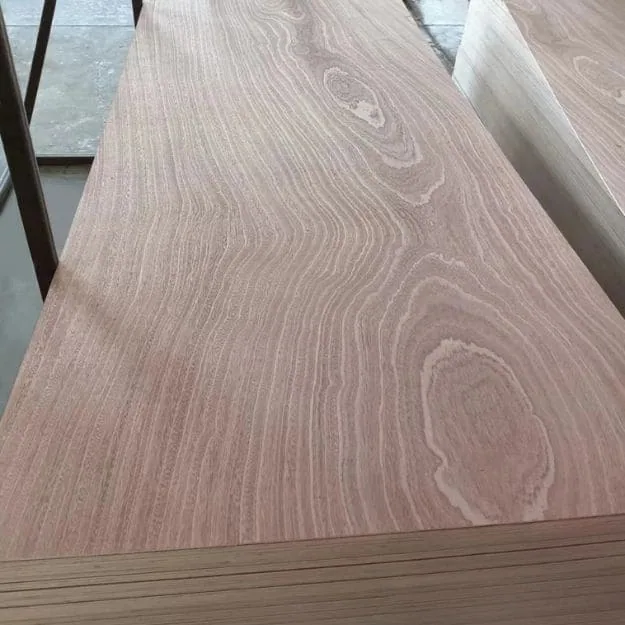
For woodgrain, mark the direction on every part and identify neighbouring pieces that should align. Matching a printed decor reference does not by itself describe a continuous-grain sequence across several doors. Include that layout and the required matching method when it matters to the design.
COMPARE OPTIONS
Your selection at a glance
Decor and plywood
Select the surface master and actual plywood core/lay-up as one construction. Keep the reverse and finished thickness in the order.
Cut edge and component
Choose the exposed plywood edge or matching band. Trial the cut, corner, hardware and finished component using your intended process.
Mixed-load schedule
List quantities by decor, construction and size. Keep chosen samples, documents, pack labels and FOB/CIF terms with each item.
SEE THE FACE. TRY THE EDGE.
Choose the decor with a sample your workshop can use.
- Share the finish masterSend the decor reference or physical sample, texture, sheen and desired face/reverse arrangement.
- Trial the working detailRequest a faced plywood sample with a cut edge or your intended band, joint and fitting detail.
- Keep the selected combinationRetain the decor, plywood lay-up, reverse and edge references with your part drawing and order item.
Samples are free; you pay courier freight, with a credit toward a later order available by agreement. Include sample dimensions, delivery country and the operations you want to trial.
Choose the complete detail, then request its working sample.
Carry the decor and core into a real cabinet part. The 18 mm values below are finished-panel drawing targets to confirm after surfacing; the proposed substrate gauge and complete front/reverse remain separate. Choose a physical appearance master and define the joint or edge that must work before comparing quotations.
Scroll horizontally to compare all columns.
| Component to compare | Retain through the trial | Start the request |
|---|---|---|
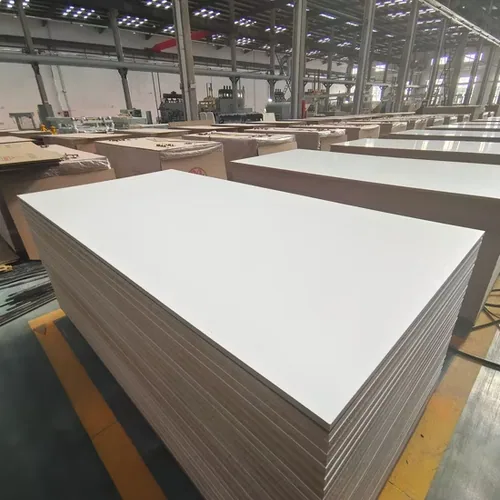
| White matte, edged cabinet part | Requested poplar core, two visible decors and 18 mm finished target; actual bore/datum, band/adhesive/corner, final-after-banding dimensions and fitting. | Request the white edged-part trial Request the faced-panel material file |
| Woodgrain face with an exposed plywood edge | Requested birch core, both faces and 18 mm finished target; full layer schedule, cut/routed edge, preparation/coating and face-to-edge appearance beside the mating part. | Request the exposed-edge component |
| Numbered woodgrain furniture set | Full elevation, grain/rotation, front/reverse/edge masters and agreed printed-pattern matching. Quote pieces per accepted set, delivery stages and selected spares with the retained component. | Quote the numbered furniture set |
Try the finish through your next production operation.
Cut and machine the proposed faced board with the intended tools and setup. Inspect the entry and exit face, the exposed core and the face-to-edge junction. Then apply the selected band or edge finish and fit the actual connector or hardware on the trial part.
Retain the finished component with its decor references, core construction, drawing issue and processing record. Check the surface after the agreed workshop operations and cleaning method. If a changed facing, reverse, band or adhesive is proposed later, compare that combination against the retained part.
Acceptance worksheet
Give your buying and production teams the same reference.
Open the melamine plywood sample worksheet
| Check | What to record |
|---|---|
| Decor and master | Facing designation, colour/reference, texture, sheen, grain direction and retained physical sample. |
| Plywood construction | Core species, lay-up, substrate thickness, bond requirement and proposed panel identification. |
| Complete panel | Front/reverse construction, finished thickness, dimensions, tolerance and measurement conditions. |
| Cut and edge | Tooling and cutting observations, exposed core, edge band, trimming and corner joint appearance. |
| Component trial | Part drawing, hardware, joint/fit observations and any agreed load or surface evaluation method. |
| Order handover | Selected sample and item revision, documents, quantities, matched sets, labels and pack protection. |
| Delivered stage | Substrate, faced-sheet, cut-blank and finished-component dimensions; included banding and machining. |
| Quantity and price scope | Part counts, visible faces, banded edges, reserve lines, quoted unit and remaining workshop work. |
THE CORE DATA AND THE SURFACE DATA
Ask for information that follows your selected construction.
Identify the proposed plywood substrate, melamine surface and face/reverse build-up in the technical request. Include the destination, intended use and required methods so the documents address the board you plan to buy.
A surface assessment and a plywood bond assessment answer different purchasing questions. If your project specifies wear, scratch, stain, heat or cleaning performance, provide the required method and result; keep the tested material and configuration identifiable.
Keep the report identity with the finished board.
Request the facing designation and complete panel identity with any proposed surface result. Record the method, tested construction and the result required by your furniture specification. Wear, scratch, stain and heat assessments address different conditions; a glossy appearance does not describe their test outcome.
For emission requirements, identify the destination, method and product scope with the quoted construction. Keep the plywood bond requirement and any service-grade documents alongside it. Match the report to the proposed substrate and faced board rather than transferring a result from melamine MDF or a different facing system.
Ask for processing and care information covering the proposed face, reverse and edges. Keep any cleaning agent or adhesive restrictions with the production instructions. Where a project calls for a performance class, request the applicable product or assembly documentation before selecting that item.
Product data & reports to request
Request a technical data sheet covering:Core species, veneer lay-up, substrate thickness, bond requirement and finished-panel identification.Include these specification details:- Core species, lay-up, substrate thickness, plywood bond and dimensions
- Facing designation, decor master, texture/sheen and proposed surface data
- Complete finished thickness, reverse treatment, tolerances and fabrication scope
- Finished-board emission information, relevant report identity and test conditions
- Cutting, edging, storage and care instructions for the selected construction
Company documents to view
FSC chain of custody Wood panels · purchase & salesISO 9001 & ISO 14001 Management systems · stated sales activitiesEN 13986 plywood document Non-structural scope · listed modelsUse these for supplier qualification; match product performance to the proposed panel’s technical documents.Melamine plywood core, surface and component requirements: what to match
- Plywood identity
- Core species, veneer lay-up, substrate thickness, bond requirement and finished-panel identification.
- Facing and component
- Melamine surface identity, decor/texture/sheen master, front/reverse construction, finished thickness, cut edge or band and intended fittings.
- Project documents
- Required emission, bond and surface methods, destination, report scope, care/processing instructions and selected sample reference.
BEFORE YOU ORDER
Ordering information
- Minimum order
- 1 container
- Regular lead time
- 10–15 days
- Samples
- Free samples
- Quotation terms
- FOB / CIF
Sample freight & order notes
- Minimum order: Mixed loads available.
- Regular lead time: Production; shipping time is additional.
- Samples: Buyer pays freight; credit available on a later order.
- Quotation terms: Name the port in your inquiry.
KEEP THE FINISH AND THE MIX IDENTIFIABLE
Make receiving the next step in your production plan.
Agree face separation, corner protection, supports and bundle labels for each decor and thickness. For cut parts, keep handed sets, grain arrows and item quantities easy to identify from the pack list.
Before fabrication, compare the delivery with your selected sample: surface/reverse, cut-edge construction, dimensions, count and visible transport condition. Store the boards dry and supported, following the proposed panel’s care instructions.
Share unloading equipment, bundle limits and receiving dates with the FOB/CIF inquiry. Keep observations linked to pack and item references using the incoming panel checklist.
Receive the finish references as well as the quantities.
Identify decor and face orientation on each pack, with component codes and direction marks where they affect fabrication. Agree protective separation, storage supports and bundle sizes for the actual delivery. Include unloading constraints before selecting pack weights and dimensions.
At receiving, check the face/reverse and edge construction against the retained references before cutting the whole batch. Record dimensions at the agreed stage, item counts and visible transport condition. Keep any differences linked to bundle labels and the drawing issue so the next action reaches the correct order line.
THE FINISH AND THE CORE IN ONE ORDER
A furniture finish. A plywood core.
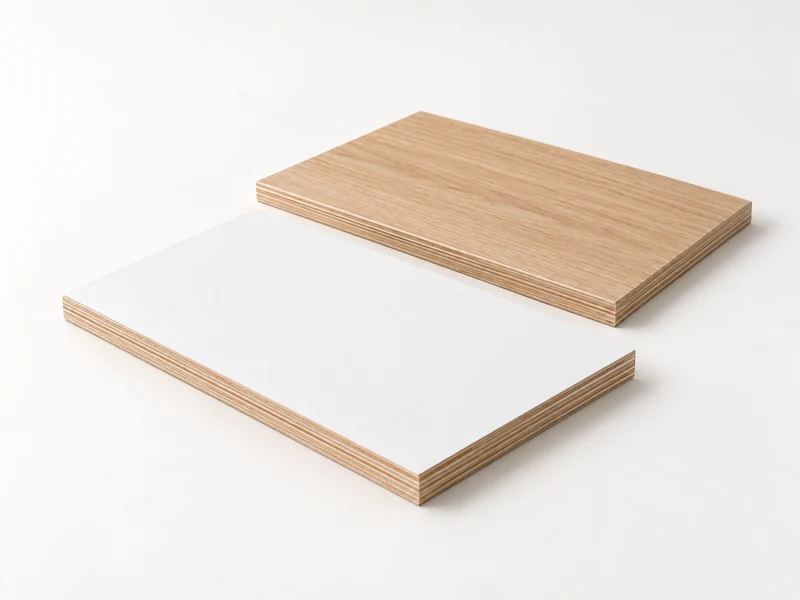
Bring the look of your furniture range to a plywood panel your workshop can evaluate as a complete component.
CUZI supplies melamine faced plywood for project orders. Share the colour or woodgrain reference, plywood construction and finished part you need. We can bring the decorative face, reverse and edge requirements into the same quotation, then arrange a sample for your production trial.
The name describes two parts of the purchase: a melamine decorative surface and a plywood substrate. Keep the veneer lay-up and core species identifiable beneath the face. A similar decor on melamine MDF is a different board construction; compare the complete part when choosing between them.
For an unfaced substrate, explore commercial plywood. If you want the visible character of a wood veneer instead of a melamine decor, compare fancy plywood and its matching options.
Keep your furniture range recognisable from the first display unit to the next container. Start with the surfaces your customer sees, then connect them to the core and machining detail your workshop needs. One component reference helps purchasing, production and receiving work toward the same finished result.
BUY AROUND THE PART YOUR TEAM MAKES
Where will the faced plywood fit in your furniture?
Cabinet interiors
Coordinate sides, shelves and dividers with the selected decor. Include the hinge, runner and shelf-support locations, visible reverse faces and edge-band detail.
Furniture and storage
Connect the surface reference to the part dimensions, joints and fittings. Review the proposed panel in your own assembly where span, load or fixing performance matters.
Retail and interior joinery
Organise display units and storage packages by item and room. Keep adjoining decor, grain direction, edge finish and the installation drawing together.
For wet locations, heat sources, heavy cleaning or fire-specified interiors, include the exposure and required test method in the brief. The surface, plywood bond, edges and installed construction all belong in that discussion.
Build the trial around the cabinet detail that matters.
For cabinet sides, include runner, hinge and connector positions with the inside decor and front edge. For shelves, keep the support, span and intended service load on the assembly drawing. Review the proposed board in that arrangement alongside the material data relevant to your design.
For retail fixtures, connect removable panels, repeated cleaning and adjoining finishes to the surface requirement. Show cut-outs, joins and exposed edges near sinks or heat sources. Your brief should describe the service condition of the whole part rather than assuming a decorative face settles every exposure requirement.
TURN A CABINET DESIGN INTO A PURCHASE ITEM
A cabinet interior brief that reaches the edge.
- Visible surfaces
- Selected light-colour or woodgrain master, texture and sheen; identify every visible front and reverse face.
- Board and cutting
- Plywood core/lay-up, finished thickness, part dimensions, decor arrows and sheet layout.
- Edges and fittings
- Edge-band reference or exposed plywood detail, joint drawing, hardware and the workshop trial part.
- Order and receiving
- Quantity by item, facing/core identification, labelled packs, required documents and delivery terms.
Review the shelf, side and adjoining edge under the intended lighting. Check the fitted component and retain that combination as the reference for the quoted order.
Convert cabinet counts into panel area and edging length.
Consider a planning cut list for 100 cabinets, each with two 700 × 500 mm sides and two 600 × 500 mm shelves. The dimensions below are finished-part inputs, not stocked board formats. Assume both broad faces need the selected decor, and only the 700 mm front of each side and the 600 mm front of each shelf are banded.
Scroll horizontally to compare all columns.
| Part | Quantity | Net panel area | Banded front edges |
|---|---|---|---|
| Side, 700 × 500 mm | 200 | 70.00 m² | 140.00 m |
| Shelf, 600 × 500 mm | 200 | 60.00 m² | 120.00 m |
The schedule contains 400 parts and 130.00 m² of net panel area. With decor on both broad faces, the corresponding surface area is 260.00 m². The specified front edges total 260.00 m before band trimming or reserve. These are different quantities: do not double the board area when pricing a double-faced sheet.
Convert that net part list into purchased sheets using the confirmed format, decor direction, saw gaps and trim allowances. Specify whether the listed dimensions are after banding so the cut blanks can be sized consistently. Keep wastage, spares and any additional banded edges as separate lines; they are not included in the net figures above.
BUILD A MIX THAT FITS YOUR WORKSHOP
One container. An organised furniture-panel order.
The minimum order is one container, with mixed loads available. List each decor, plywood construction, finished thickness and format separately, including the reverse and requested edge or component work.
Regular production takes 10–15 days; shipping time is additional. Confirm your order schedule against facing selection, sample trials and the final part list. We quote FOB or CIF with the named shipment or destination port.
Use a mixed-panel SKU schedule for melamine plywood, unfaced plywood and other furniture boards in the same container. Keep repeat-order references tied to the chosen decor and core construction.
Compare the delivered scope and the usable component.
Scroll horizontally to compare all columns.
| Quoted stage | Confirm included | Allow for remaining work |
|---|---|---|
| Faced sheets | Core, front/reverse, gauge, format, quantity and facing protection. | Cutting yield, machining, edge work and local handling. |
| Cut components | Part dimensions, direction, quantities and listed fabrication operations. | Any banding, finishing, drilling or assembly outside supply. |
| Edged or machined parts | Completed dimensions, edge references, holes and drawing issue. | Fittings, assembly, reserve parts and the agreed receiving stage. |
Compare the same currency, price unit and named delivery point, then connect the delivered cost to usable parts at the next workstation. A sheet price, square-metre price and completed-part price cover different scopes. Keep trial work and any special setup charge visible beside the repeat-order unit.
For mixed loads, list each decor, core, face/reverse arrangement and thickness as its own item. Group matching parts for packing where helpful, while preserving their separate counts and drawings. Keep changed decor or construction proposals identifiable on a repeat inquiry.
FAQ
Melamine plywood questions for your buying team.
Does CUZI supply melamine faced plywood?
Yes, for project orders. Send the decor reference, plywood substrate requirement, finished dimensions, front/reverse arrangement and quantity. Request a faced sample before selecting the order construction.
Is it the same board as melamine MDF?
The decorative facing may have a similar look, but the substrate differs. Plywood has a veneer-layer core; MDF is a fibreboard. Keep the actual core, finished dimensions and hardware or joint trial in your comparison.
Which thicknesses and sheet sizes can I order?
Finished thickness, tolerance and available formats are confirmed for the selected melamine/plywood construction. Commercial plywood substrate options provide a starting point; include total finished thickness and your sheet or part dimensions in the inquiry.
Can I request white, black or woodgrain decors?
Send the colour or decor master, texture and sheen you want. The quotation identifies the proposed facing reference and available combination; compare a physical faced-and-edged sample beside neighbouring furniture parts.
Can the two faces have different finishes?
Describe the front and reverse separately, including any visible back and the desired matching or different decor. The supplied face/reverse arrangement is confirmed with the complete panel construction.
Can I leave the plywood edge exposed?
Include the exposed-edge detail, required core appearance, preparation and any clear or coloured finish. Trial the cut edge alongside the decorative face. If you want edge banding instead, provide the band reference and corner joint detail.
Does the melamine face make plywood waterproof?
The facing alone does not establish suitability for wet or exterior exposure. Include the substrate bond, joints, exposed edges, installation and required performance documents when describing the intended use.
Which emission or surface standards can I specify?
State the destination market, class or threshold, test method and required documents. Request data for the proposed finished panel and surface configuration; an MDF report does not describe a plywood substrate.
Can I buy mixed loads and request samples?
Yes. One container is the minimum order, and mixed loads are available. Samples are free, buyer freight applies, and a later-order freight credit can be agreed. Regular production is 10–15 days, with shipping additional and your order schedule confirmed in the quotation.
What should I include in a melamine faced plywood inquiry?
Send the decor master, plywood core/lay-up, finished thickness and size, front/reverse arrangement, edge or fabrication details, quantities and destination. The sample and quotation identify the proposed finished construction.
START WITH THE DECOR AND THE PART
Bring your melamine plywood inquiry together.
A finish reference, approximate quantities and destination are enough to start. Add the construction and drawing details you have, then use this outline when the component schedule is ready.
Open the melamine plywood inquiry outline
Product: Melamine Faced Plywood for [cabinet / furniture / joinery component].
Plywood substrate: [core species / lay-up]; [substrate thickness]; [bond requirement].
Facing: [melamine surfacing identity]; [decor / physical master]; [texture / sheen / direction].
Front / reverse: [visible faces]; [matching or different finish]; [complete layer arrangement].
Finished dimensions: [total thickness / tolerance]; [sheet size or part list]; [measurement conditions].
Edges: [exposed core detail or band reference]; [corner / joint]; [preparation / finish].
Delivered stage: [faced sheets / cut blanks / completed components]; [dimensions before or after banding].
Fabrication: [sheets or requested cutting / drilling / edging]; [drawing revision / part codes].
Sample: [size / edge / fitting detail]; [workshop trial]; [retained decor and construction].
Documents: [destination]; [emission / bond / surface method]; [proposed finished-panel data].
Order: [quantity by decor / construction / size]; [mixed-load items]; [labels / face protection].
Price scope: [sheet / m² / part unit]; [net part counts, banded edges, waste and reserve]; [remaining operations].
Delivery: [FOB shipment port or CIF destination]; [target receiving date / unloading limits].