Specifications
Supply specifications
Finished panel formats
Send your required width and length. Available formats are confirmed with the selected panel and quoted scope.
Buying components?
Include part dimensions, grain direction and quantities by item with your drawing.
| Supply | Plastic coated plywood available; construction quoted for the project |
|---|---|
| Coating | Plastic coating; polymer/system, layer thickness, colour/texture and front/reverse confirmed for the item |
| Plywood substrate | Plywood; species and lay-up quoted for the proposed coated panel |
| Finished thickness & format | Confirmed for the selected coating, substrate and delivered item |
| Bond & working data | Required plywood bond and coating/substrate bonding identified with the offered construction |
| Process & detail | Contact/cleaning or release routine, front/reverse, edges/holes and required trial |
Application-specific specification checks
Panel construction and finishing
| Coating identity | Required polymer/system, layer thickness, physical colour/texture master and proposed bonding. |
|---|---|
| Plywood construction | Face/core species, veneer lay-up, grade, bond and required emission methods. |
| Finished format | Overall thickness, sheet or cut-part size, tolerances and drawing revision. |
| Front / reverse / edge | Working faces, requested single/double-sided arrangement, back and cut-edge/hole preparation. |
| Working requirements | Contact and cleaning/release conditions, supports/fixings, required tests and sample process. |
Specify the coating and the finished panel together.
The proposed polymer, coating thickness, plywood lay-up, finished thickness and formats are confirmed for your item. Give the finished-panel dimension, including its facing, so the quotation matches the component you will process.
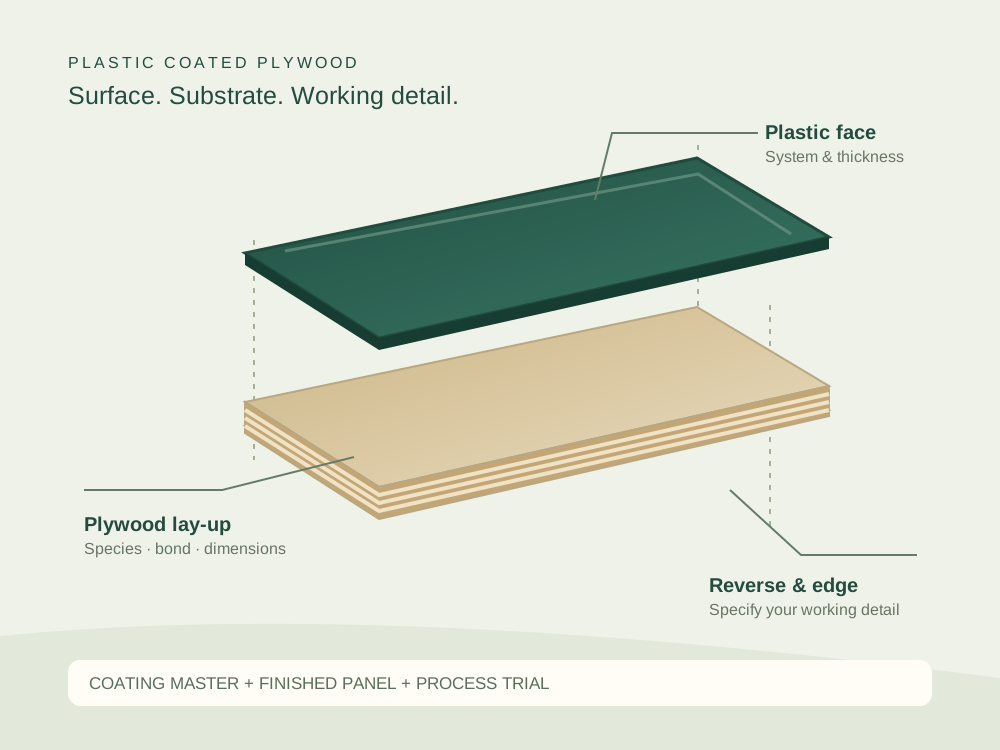
| Plastic facing | Required polymer or coating system, such as PP or PVC; layer thickness, colour, texture, sheen and surface master. |
|---|---|
| Plywood substrate | Face/core species, veneer lay-up, grade, bond designation and any required internal quality or emission method. |
| Finished dimensions | Overall thickness, length/width, tolerances, flatness requirement and full-sheet or cut-part format. |
| Front and reverse | Required visible/working faces; single- or double-sided arrangement and reverse treatment specified with the proposed construction. |
| Edges and fabrication | Cut edges, holes, profiles, joints, banding or sealing; requested operations and part drawing. |
| Working conditions | Contact materials, cleaning products, temperature/exposure, supports, fixings and relevant test methods or acceptance criteria. |
Send your target sheet size and cut list together. The selected facing format and processing allowance determine the delivered layout; our cut-to-size panel service connects that layout with labelled parts.
Comparing a PP- or PVC-specified surface
Name the actual polymer and proposed coating system rather than using “plastic” as the complete specification. Ask for the layer construction, bonding and relevant surface results, then trial the intended cutting, cleaning and fitting process on the offered panel.
Keep the surface layer separate from the total gauge.
Scroll horizontally to compare all columns.
| Reference | Define for the supplied panel | Use in the working trial |
|---|---|---|
| Polymer or coating | Actual material/system identity, layer arrangement and measurement method. | Surface contact, cleaning, machining and relevant data. |
| Plywood substrate | Veneer construction, substrate gauge, grade and required bond. | Cut edge, fixing and material properties for the application. |
| Front and reverse | Each coating/treatment reference and its included thickness. | Both working faces, panel behaviour and delivered handling instructions. |
| Finished panel or part | Total thickness, format, tolerance, flatness and measurement stage. | Fit with supports, joints and neighbouring components. |
For a requested 18 mm finished panel, show that dimension on the completed layer construction. Keep any substrate, coating and reverse measurements separately identifiable. The complete gauge and limits are confirmed for the proposed item, including its delivered preparation.
Define whether a removable protection film is part of the delivery and when it should be removed. A transport film and the working coating have different purposes. Keep removal, storage and handling instructions with the surface master so the next workstation uses the intended face.
COMPARE THE ACTUAL FACING CONSTRUCTION
Plastic coating, film-facing and melamine are distinct routes.
Scroll horizontally to compare all columns.
| Route | What to identify | Trial focus |
|---|---|---|
| Plastic coated plywood | Polymer/coating system, layer thickness, bonding, plywood substrate and reverse. | Working contact, cleaning, machining and exposed-edge detail. |
| Film Plywood | Resin-impregnated film/paper overlay, weight and selected plywood construction. | Forming finish, release routine, face condition and edges. |
| Melamine Faced Plywood | Decorative melamine surfacing, decor master, plywood lay-up and finished edge. | Furniture appearance, shade/texture, fabrication and hardware fit. |
Use the same finished dimensions, substrate requirements and working process when comparing prices. A shared colour or smooth face can conceal different coatings, reverse treatments and preparation costs.
Why the coating identity belongs in the item code
Manufacturer descriptions distinguish specialised plastic/composite coatings from phenolic film-faced panels. For example, WISA describes a wood-plastic-composite-coated formwork panel. For your CUZI purchase, retain the identity and data of the proposed coating and plywood construction with the sample and order.
Compare one working process on both proposed constructions.
For repeated forming, keep the same supports, concrete, release agent and required finish when reviewing trial records. For a washable lining, compare the same cleaning product and application routine. For fabricated parts, use the same edge, hole, joint and fitting detail.
Ask which surfaces and layers are included in the offer. A single working face with a different reverse and a two-face construction need separate item references. Compare balance and flatness at the agreed material condition and measurement stage for the actual panel.
If a proposed colour or texture changes, keep the material/system identity and layer construction with that change. A new visual master may also require an updated process trial or data request. Retain the chosen coating and substrate combination under the same item code.
COMPARE OPTIONS
Your selection at a glance
Coating and surface master
Name the polymer/system, layer thickness, colour/texture and required front/reverse with the proposed panel.
Substrate and fabrication
Define plywood species/lay-up, bond, finished dimensions, working edge and actual part drawing.
Process trial and order
Use the intended contact, cleaning or release routine; retain sample and document references for your FOB/CIF quotation.
TRY THE SURFACE THROUGH YOUR ACTUAL PROCESS
Make the sample useful beyond the first impression.
- Define the sampleName the coating, plywood construction, finished thickness, front/reverse and dimensions. Include the working edge or hole you need to trial.
- Run the intended processUse your cutting tools, fixings, cleaning products or release routine. Keep the contact materials and conditions in the trial record.
- Retain the chosen itemRecord face, edge and bonding observations with the sample identity and any agreed criteria, then carry that reference into the quotation.
Samples are free; buyers pay courier freight, with a later-order credit available by agreement. Send the working detail and sample format so the trial follows the panel your team intends to buy.
For repeated forming use, record each working cycle
Define the concrete contact, release agent, cleaning, repairs and handling routine, then track accepted finish and face/edge condition through the trial. Compare the offered construction on that same basis when discussing reuse and completed-work cost.
Request the working face and the fabricated detail together.
Start with the surface that touches your concrete, cleaning product or finished component. PP/PVC, facing arrangement and 18 mm dimensions below are project requests; the offered coating system, substrate, finished gauge and format are confirmed for the complete item. Keep the working coating and any removable transport film separately identified.
Scroll horizontally to compare all columns.
| Working item | Reference to keep | Start the request |
|---|---|---|
| PP-specified forming face | Requested two working faces and 18 mm finished gauge. Trial the actual concrete finish, release product, stripping/cleaning routine, supports and prepared cuts/holes. Record accepted area and labour by cycle. | Request the forming-face detail Request its coating and panel file |
| PVC-specified cleanable lining | Requested one working face and 18 mm finished gauge; separately identified reverse. Include the actual cleaning product, concentration, temperature/time and a fabricated corner, joint or fixing hole. | Request the cleanable lining detail |
| Numbered coated components | Part drawing, finished measurement datum, front/reverse, machining, holes, joint/edge treatment and fixing. Compare full sheets and finished parts on separate price lines with the same material reference. | Quote the coated component list |
Record usable output as well as the cycle count.
For each forming cycle, record accepted face area, concrete finish, panel and edge condition, cleaning time, repair work and any retired parts. Keep the contact, release, handling and storage routine identifiable. Count a completed pass only under the agreed finish and process criteria.
For a lining or component trial, inspect the surface and edge after the intended fabrication and cleaning sequence. Include corners, penetrations and fixing areas. Retain the finished part alongside the material data and process record that led your team to select it.
Acceptance worksheet
Keep a practical surface and fabrication record.
Record the sample construction and process before judging the result. Add the measurements, methods and agreed limits that your purchasing or production team needs to repeat the selection.
Open the plastic coated plywood sample worksheet
| Check | What to record |
|---|---|
| Coating identity | Polymer/system, layer thickness, colour/texture master, front/reverse and identified sample. |
| Plywood and dimensions | Species/lay-up, bond, finished thickness, length/width, tolerances and panel item. |
| Cutting and edges | Tools/settings, cut/routed edge, holes, coating condition and agreed edge treatment. |
| Contact and cleaning | Contact material, cleaning/release product, concentration, temperature, duration and observations. |
| Working trial | Supports/fixings, process cycles, surface/edge condition, required method and acceptance criteria. |
| Order reference | Chosen construction/master, quantities, drawing revision, labels, packing and receipt checks. |
| Delivered stage | Layer and total gauge, supplied machining/edge work, protection film and remaining operations. |
| Usable-output cost | Accepted area or completed parts, purchases, cleaning/repair/handling costs and separately stated exclusions. |
DATA FOR THE SURFACE YOUR TEAM WILL USE
Request the construction and the relevant working tests.
Give the application and destination with your document request. Ask for data tied to the proposed finished panel and identify which tests matter to your process.
For food contact, a vehicle interior or a building component, name the relevant destination and product requirement. Include the actual contact, finish and installed construction when requesting supporting documents.
Explore our company certificates alongside the product data for your coated panel.
Ask for the method behind a surface claim.
Scroll horizontally to compare all columns.
| Question | Identify in the data request | Connect with the trial |
|---|---|---|
| Wear or abrasion | Method, abrasive/contact, loading, endpoint and tested coating. | The actual working process and acceptable finished result. |
| Cleaning or chemical contact | Product/substance, concentration, temperature, time and assessment. | The intended cleaning routine, edges and joints. |
| Layer or bond performance | Coating/substrate identity, method, conditions and measured result. | Machined edges, service conditions and the selected construction. |
Keep reported coating properties separate from plywood bond or structural properties. Identify the tested layer and complete panel for each result. Where supports, fixings or loading affect the requirement, request the applicable material or assembly data at that scope.
For a required class or limit, include the method and result your project needs rather than accepting a broad label such as chemical resistant. Retain the proposed handling, processing and cleaning instructions with the same surface reference used in the trial.
Product data & reports to request
Request a technical data sheet covering:Polymer/system, layer thickness, bonding, plywood species/lay-up and finished dimensions of the proposed panel.Include these specification details:- Polymer/coating identity, layer thickness, bonding process and front/reverse arrangement.
- Plywood species, lay-up, finished dimensions, tolerances and required bond or emission methods.
- Surface abrasion, scratch, cleaning/chemical or temperature results with the method, conditions and tested construction.
- Required panel or installed-system properties, with support, fixing and assessment scope where applicable.
- Cutting, edge/hole preparation, release-agent compatibility, storage and handling guidance for the selected product.
Company documents to view
FSC chain of custody Wood panels · purchase & salesISO 9001 & ISO 14001 Management systems · stated sales activitiesUse these for supplier qualification; match product performance to the proposed panel’s technical documents.Plastic coating, plywood construction and working requirements: what to match
- Coating and substrate identity
- Polymer/system, layer thickness, bonding, plywood species/lay-up and finished dimensions of the proposed panel.
- Relevant working tests
- Required surface/contact/cleaning, panel or installed-system methods, conditions, results and tested construction.
- Fabrication and repeat reference
- Front/reverse, cutting and edge/hole instructions, sample/master, drawing revision and handling information.
BEFORE YOU ORDER
Ordering information
- Minimum order
- 1 container
- Regular lead time
- 10–15 days
- Samples
- Free samples
- Quotation terms
- FOB / CIF
Sample freight & order notes
- Minimum order: Mixed loads available.
- Regular lead time: Production; shipping time is additional.
- Samples: Buyer pays freight; credit available on a later order.
- Quotation terms: Name the port in your inquiry.
PROTECT THE WORKING FACE THROUGH DELIVERY
Make the packing list useful at the workshop.
Specify item labels for coating, substrate, dimensions, quantities and part/drawing references. Discuss separators, corner/edge protection, face orientation and bundle limits for your receiving equipment.
At receipt, match each bundle to the packing list and retained sample. Record surface damage, edge condition and dimensions before cutting or fitting; keep observations with the item and pack reference.
Follow the selected product’s storage and handling guidance, including any surface-protection film and removal instructions. Our panel receiving and storage guide helps organise the handover.
Receive the supplied surface at its agreed stage.
Label front/reverse where their appearance or use differs, and keep coating and substrate references with pack quantities. Discuss support, separators and protection for the actual facing and machined parts, including any film removal sequence.
At receipt, record scratches, edge damage, altered holes or differences from the retained construction before processing. Keep observations linked to the bundle and item reference. Pass the selected coating’s handling and care information to the workstation that will cut, clean or install it.
A WORKING SURFACE, A PLYWOOD CORE, ONE CLEAR ORDER
Choose the surface around the work it will do.
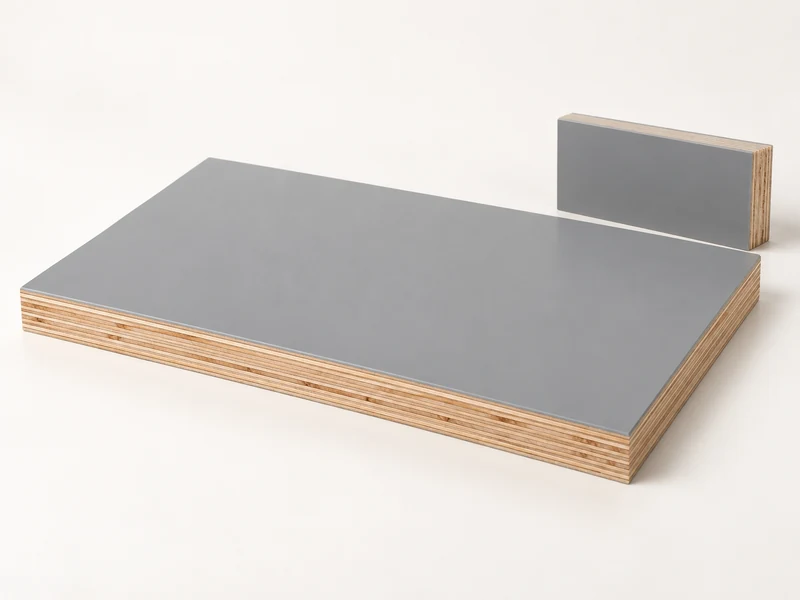
For a forming panel, a washable lining or a fabricated component, the useful comparison starts with the surface and the complete panel underneath it.
CUZI supplies plastic coated plywood for project and distributor orders. Send the application, required plastic facing, finished dimensions and quantities. We can prepare the proposed construction, a working sample and a FOB or CIF quotation for your next container.
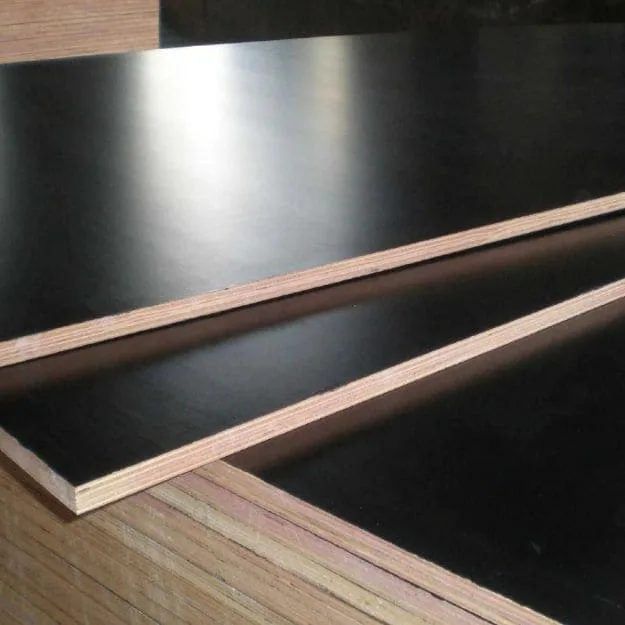
Plastic coated plywood combines a plastic surface layer with a veneer-layer plywood substrate. Name the polymer or coating system in the buying brief, then define the plywood construction, reverse and cut edges. A photograph or colour reference helps with appearance; the material identity and trial establish what you will order.
For repeat purchases, retain a physical surface master and the agreed panel item. That gives your purchasing, fabrication and receiving teams a common reference when comparing offers or preparing the next load.
Make the buying decision around a panel your team can repeat through its working process. A clear coating identity, cut-edge detail and retained working reference help you compare complete offers, organise production and reorder the same construction. Bring those details together before choosing by sheet price.
THREE BUYING ROUTES FOR COATED PLYWOOD
Bring the working process into the panel selection.
Forming and reusable panels
Give the formwork drawing, concrete finish, release agent and cleaning routine. Review the proposed surface, plywood construction and working edges under the intended process.
Linings and fabricated parts
Specify the visible face, contact materials, cleaning products and fitting detail. Include edges, holes, joints and any fire or material requirements for the finished application.
Distributor and repeat stock
Define separate item codes for each surface, substrate and size. Keep a coating reference and working sample with the line your customer will reorder.
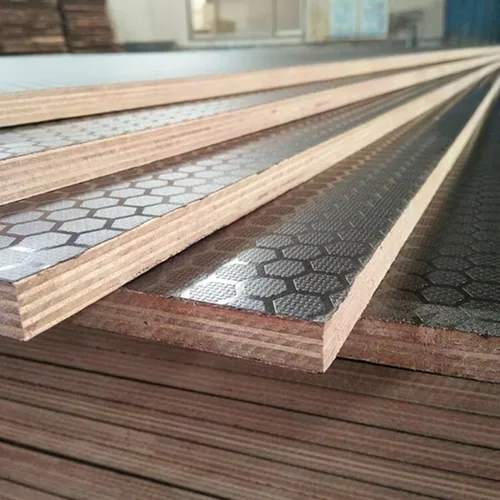
For a floor that requires grip, include the texture and slip-test conditions. The anti-slip plywood route focuses on textured working faces; the complete panel, loading and installation still follow your floor drawing.
Describe what touches the working face.
For forming, identify the contact material, finish requirement and release/cleaning sequence, with the panel support and stripping routine. Include the planned cut edges and holes so their preparation follows the repeated-use detail.
For linings and work surfaces, list contact substances, cleaning tools, concentration, temperature and contact time. Mark joints, corners and fixings that your team will fabricate. Include a separate destination/product requirement where the component involves food contact, fire or another specified use.
COMPARING TWO SURFACES FOR THE SAME FORMING JOB
Compare the working result alongside the sheet price.
A contractor is choosing between a plastic-coated construction and a film-faced panel for a repeat forming programme. Start both offers with the same panel dimensions, supports, concrete finish and handling process.
Trial the proposed coatings with the actual release agent and cleaning routine. Record face condition, cut-edge preparation, accepted concrete finish and the labour used for cleaning or repair. Keep each result tied to its panel construction and trial conditions.
Compare purchase price, usable output and processing effort from that record. Carry the selected coating, substrate and working reference into the order so the next delivery matches the decision.
Put the cost over the same accepted output.
For a planning comparison, use 100 panels of 1220 × 2440 mm in each route, with 2.9768 m² per panel. The amounts and accepted passes below are arithmetic inputs, expressed in the same currency units. Replace them with the actual quotation and measured working record; they do not describe CUZI prices or promised reuse.
Scroll horizontally to compare all columns.
| Input / result | Route A | Route B |
|---|---|---|
| Purchase cost for 100 panels | 6000 | 9000 |
| Accepted full-face passes per panel | 10 | 15 |
| Cleaning, repair and handling cost | 1000 | 1800 |
| Included total cost | 7000 | 10800 |
| Accepted output area | 2976.80 m² | 4465.20 m² |
| Cost per accepted m² | 2.35 | 2.42 |
The output calculation assumes every counted pass uses and accepts the full face area. For partial panels, rejected finishes or uneven retirement, total the actual accepted area instead. Keep the same currency, delivery point and cost scope when comparing the two records.
These inputs exclude freight, fabrication, release materials, supports and other project costs unless already included in the stated amounts. Add those consistently where relevant. More accepted passes alone do not settle the purchase; the useful comparison connects output, labour and the finished result your customer needs.
YOUR NEXT CONTAINER, ORGANISED BY FINISHED PANEL
Combine the load while keeping each construction clear.
The minimum order is one container, with mixed loads available. List coating, plywood construction, finished size and quantity for each item, alongside any other plywood or MDF lines in the load.
For distributor stock, keep colour/texture masters and repeat sizes under their own item codes. For cut components, retain the part drawing and revision, and discuss the packing sequence your workshop will use.
Regular board production guidance is 10–15 days, with transport additional. Confirm the coated item’s schedule around the facing, sample and processing scope. Name the FOB shipment port or CIF destination port and target receiving date.
Use the mixed-panel order schedule to connect the selected construction, quantities, documents and bundle labels.
Keep remaining workshop work beside the quoted unit.
Distinguish full coated sheets from cut, drilled or edge-prepared parts. Record the supplied stage and final dimensions, then list remaining fabrication, finishing and handling. Compare a sheet or square-metre price with usable components at the next operation using the same scope.
For repeats, retain the coating identity, substrate, reverse, physical master and drawing issue. Identify changes in layer thickness, texture, delivered processing or working conditions before applying the earlier trial record. Keep special trial/setup costs and reserve quantities separate from the repeat item.
FAQ
Plastic coated plywood buying questions.
Can CUZI supply plastic coated plywood?
Yes. Send the application, required coating, finished dimensions and quantity. We can discuss the proposed plywood construction, working sample and FOB or CIF quotation.
Is plastic coated plywood the same as film-faced plywood?
They describe different facing routes. Specify the plastic polymer/coating system for a plastic-coated panel, or the resin-impregnated film/paper overlay for Film Plywood. Compare the complete construction and trial conditions.
How do I specify PP or PVC coated plywood?
Name the required polymer, layer thickness, colour/texture, plywood substrate and reverse. Include the use and working conditions so the offer identifies the proposed finished-panel construction.
Which thicknesses and sheet sizes can I order?
Send your required finished thickness, format and tolerances. Available combinations are confirmed around the selected coating, substrate and delivered sheet or cut-part scope.
Can I request one or two working faces?
Specify the required front and reverse with the panel item. The quotation identifies the proposed single- or double-sided arrangement, back treatment and finished dimensions.
Will the surface work with my cleaning chemicals?
Give the product, concentration, temperature, contact time and cleaning method. Request relevant data and trial the actual proposed coating before selecting the panel for that process.
How many forming cycles will the panel achieve?
Review the offered construction under the intended concrete, release, cleaning and handling routine. Agree the finish criteria and trial record when comparing reuse and completed-work cost.
How should cut edges and holes be treated?
Include the exposed edge, hole, fixing and contact details with the part drawing. Ask for the selected construction’s preparation and protection instructions, and use that detail in the working trial.
What should I request in a sample?
Ask for the proposed coating, full-thickness plywood construction, reverse and sample dimensions. Include a representative edge, hole or joint plus the process you will evaluate.
Can coated panels share a container with other boards?
Yes. One container is the minimum order and mixed loads are available. List each coating/construction, size and quantity separately with the other plywood or MDF items.
What makes a plastic coated plywood order ready to quote?
An application, coating identity, plywood construction, finished dimensions, front/reverse and fabrication detail, working conditions, required tests, quantities and destination. Retain the surface master and selected panel reference with the offer.
LET’S PREPARE YOUR NEXT COATED-PANEL ORDER
Send the surface requirement and panel list you have.
Start with the application, coating reference, finished dimensions and quantity. Add the working conditions and part drawing so the sample and quotation follow your process.
Open the plastic coated plywood inquiry outline
Product: Plastic Coated Plywood for [application and destination].
Coating: [required polymer/system, layer thickness, colour/texture and surface master].
Substrate: [plywood species/lay-up, grade, bond and emission requirements].
Finished dimensions: [overall thickness, length/width, tolerances and sheet/cut-part format].
Front / reverse: [single/double-sided arrangement, back treatment and surface-protection film].
Fabrication: [drawing revision, cutting/holes/profiles, edge preparation, joints and fixings].
Delivered stage: [coated sheets / prepared parts]; [included edge/holes and protection film removal].
Working process: [contact materials, cleaning/release products, temperature/exposure, supports and handling].
Documents / trial: [required methods, tested construction, conditions, criteria and sample format].
Order: one-container minimum; [quantities by coated item and other mixed-load boards].
Packing / receipt: [labels, face/edge protection, bundle limits and sample reference].
Cost comparison: [accepted area/parts, purchase and processing scope, cleaning/repair/handling, exclusions].
Delivery: [FOB shipment port or CIF destination port; target receiving date].