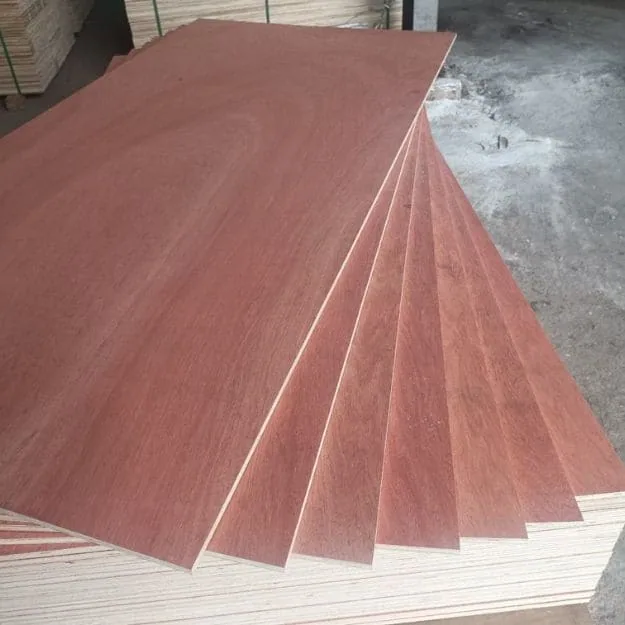
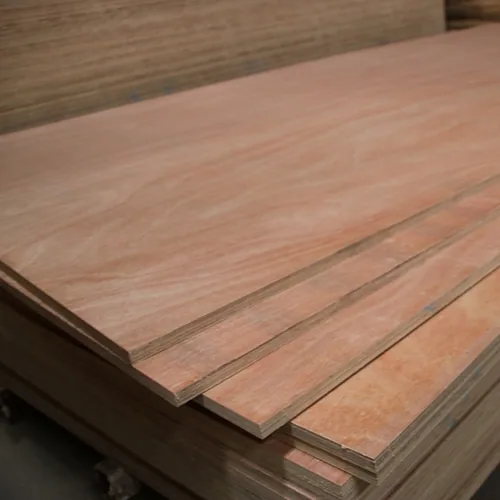
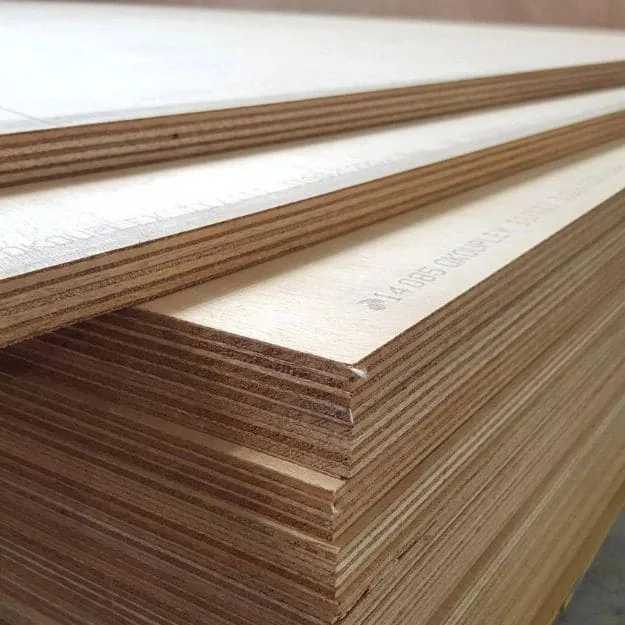
Specifications
Supply specifications
Finished panel formats
Send your required width and length. Available formats are confirmed with the selected panel and quoted scope.
Buying components?
Include part dimensions, grain direction and quantities by item with your drawing.
| Supply | Exterior-grade plywood available; construction quoted for the project |
|---|---|
| Thickness & format | Confirmed for the required grade and proposed construction |
| Face / core | Plywood; face/core species and lay-up quoted for the specified exterior use |
| Bond & product designation | Required exterior product/bond designation and test method confirmed with quotation |
| Complete finish | Face/reverse and cut-edge protection specified with the complete component |
| Component scope | Exposure, joints, fixings, support, installation and required project documents |
Application-specific specification checks
Panel construction and finishing
| Panel identity | Face/back species and grade, core lay-up and the required exterior product designation. |
|---|---|
| Exposure and bond | Location, shelter/direct wetting and required bond class/test method with supporting panel documents. |
| Dimensions and process | Thickness, sheet/part size, tolerance, grain direction, cut/routed detail and fixing geometry. |
| Complete finish | Face, reverse, cut-edge and hole preparation, coating/facing, installation and maintenance requirements. |
| Order scope | Selected construction, sample reference, quantities, protection, labels and FOB/CIF port. |
Specify the construction and the service conditions together.
The exterior panel’s thickness, face/core species, lay-up, grade, bond classification and available format are quoted for the selected construction. Send your preferred thickness and sheet or part sizes, with the required standard and intended environment.
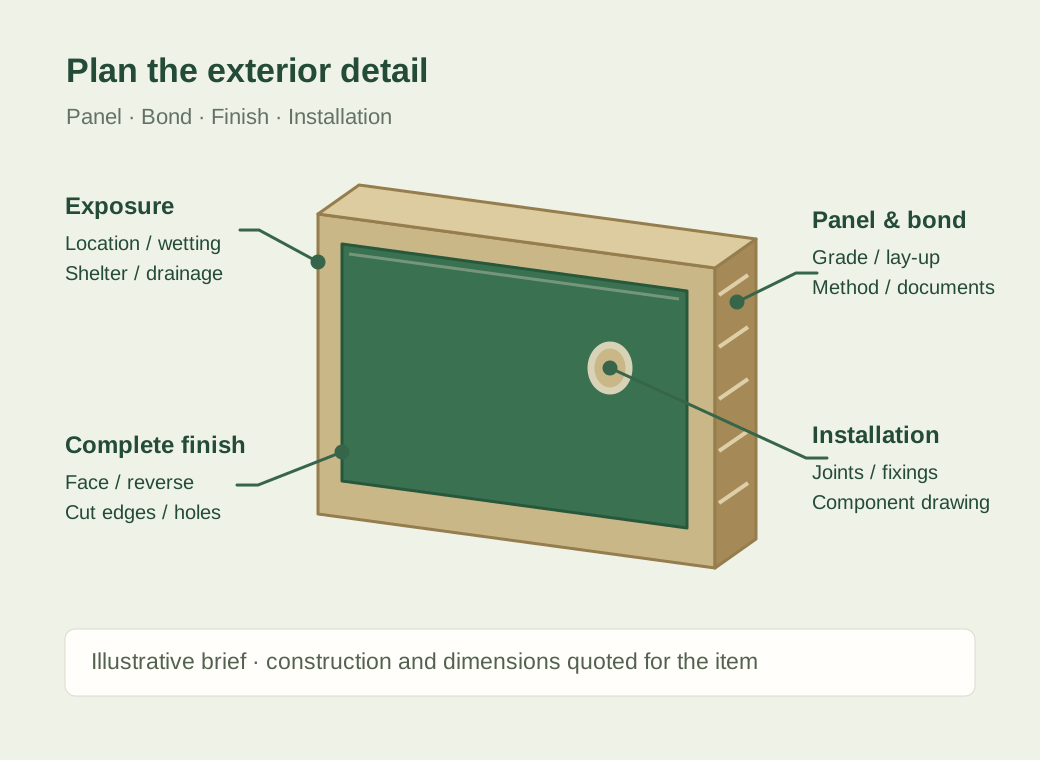
| Face and back | Species, visible-face grade, veneer thickness, repairs and preparation for the intended coating or facing. |
|---|---|
| Inner construction | Core species, layer order, ply count and individual veneer thicknesses for the proposed panel. |
| Dimensions | Nominal or finished thickness, width/length, tolerance, grain direction and required cut-part geometry. |
| Bond and product grade | Required exterior bond class, test method and panel designation; add structural properties when the design requires them. |
| Exposure | Sheltered or directly exposed location, wetting/drying, orientation, drainage and any ground or water contact. |
| Complete finish | Face, reverse, cut-edge and fixing-hole treatment, coating reference, installation detail and maintenance information. |
For a starting size layout, our regular plywood formats are 1220 × 2440, 1250 × 2500 and 1525 × 3050 mm; 1220 × 3050, 1250 × 3660 mm and other formats can be discussed. The available exterior-grade format is confirmed with the proposed grade and construction. Include a cutting list when component yield determines your preferred sheet.
Our WBP Plywood range provides a separate 3–30 mm, face/core and bond discussion. When quoting an exterior item, carry its specific product and exposure requirements through to the offered panel instead of treating that range as the exterior product’s specification.
Describe the wetting path, not just the word outdoor.
Scroll horizontally to compare all columns.
| Location or condition | Show in the brief | Connect to the selected item |
|---|---|---|
| Sheltered outdoor component | Shelter, wind-driven rain, humidity and exposed perimeter. | Required product designation, face/reverse protection and installation detail. |
| Directly wetted component | Rain path, orientation, drainage, joints and repeated wetting. | Proposed wood construction, bond, finish and service instructions. |
| Construction-phase exposure | Temporary weather exposure and the condition after enclosure. | The actual panel specification and permanent service environment. |
| Contact or severe exposure | Ground, standing water, immersion, salt or chemicals where applicable. | The separately required material/treatment documents and complete detail. |
Mark the front and reverse on the drawing, including upward-facing edges, horizontal ledges, joints and recessed holes. Identify where water can collect or enter after trimming. Keep the required finish, drainage and maintenance information with those details rather than pricing only the visible face.
Specify face appearance separately from bond and structural requirements. State whether filled repairs, sanding and the proposed edge construction suit the coating and visible result you want. Include the responsible designer’s span, support, load and fixing requirements where the panel is part of a load-bearing assembly.
EXTERIOR PLYWOOD, WBP AND MARINE REQUIREMENTS
Choose the buying route around the requirement.
Scroll horizontally to compare all columns.
| Route | Start with | Complete the specification |
|---|---|---|
| Exterior-grade plywood | The exterior location and required product/bond classification. | Veneer construction, dimensions, face/reverse/edge finish, component and installation. |
| WBP plywood | The requested bond requirement and corresponding test method. | Named panel grade, face/core, thickness and actual service conditions. |
| Marine plywood | The boat component and specified marine product standard. | Veneer construction, traceability, bond, coating and vessel or project requirements. |
Choose the next step by the component you are buying.
Scroll horizontally to compare all columns.
| Your component | Compare before ordering | Start the matching request |
|---|---|---|
| Coated joinery under shelter | Show wind-driven rain and the exposed perimeter. Compare the proposed face repair/preparation, reverse, machined edges and holes with the coating process; count finishing labour and rejects on the completed part. | Trial coated exterior joinery |
| Directly wetted outdoor display | Follow the installed rain path, ledges, joints and drainage. Compare the specified panel/bond, complete finish and newly machined wood treatment. Price the delivered stage, installation work and replacement parts separately. | Quote the outdoor display schedule |
| Reusable, transported display | Trial the fixing holes, edges and joints through your own assembly, dismantling and storage sequence. Compare handling damage and repair work alongside usable parts; retain the selected finish and replaceable-part codes. | Trial the reusable display detail |
| Specified structural assembly | Start with the designer's standard, designation, properties, support and loads. Distinguish permanent service exposure from construction-phase wetting. Compare the offered construction and matching documents against that schedule. | Request the specified assembly data |
For permanent exterior service in an EN-based project, put the required EN 636 designation and relevant EN 314-2 bond requirement on the order. For a North American project, keep the required Exterior designation distinct from Exposure 1. Compare the actual offered construction, documents, finish and intended service together using the bond-class guide.
Exterior and Exposure 1 in a North American specification
APA distinguishes an Exterior bond classification from Exposure 1, which covers moisture exposure during construction rather than permanent outdoor exposure. Read the required panel designation and documents with the project specification. See APA’s plywood specification guidance for that terminology.
European bond and plywood product requirements
Include the required plywood specification and bond test/classification, such as the relevant EN 636 and EN 314-2 requirements in your project documents. Keep the intended structural or non-structural use, thickness and exposure with the proposed panel. The quotation and supporting documents identify the actual construction and requirements being supplied.
Compare the complete requirement at one delivered stage.
When reviewing alternatives, keep the specified bond, veneer construction, appearance, machining and finishing scope on the same order line. An exterior bond requirement and a natural-durability or treatment requirement answer different questions. Include both when the service location calls for them.
For an EN-based inquiry, keep the required edition and designation with the drawing. BSI lists EN 636 as a plywood specification; the proposed product documents should identify the requirements being met. Ask separately for the relevant bond method/class and structural information rather than turning a general EN reference into a complete product description.
For a North American project, keep the required panel marking, standard, grade and exposure designation with the offer and documents. Request the offered panel’s matching marking and product documents, with the structural properties and service requirements specified for your assembly.
COMPARE OPTIONS
Your selection at a glance
Exposure and construction
Bring the location, wetting/shelter and required product/bond specification to the proposed face/core construction.
Finish and working detail
Specify face/reverse, cut edges, holes, coating and installation. Trial the actual routed, jointed or fixed component.
Documents and delivery
Connect the offered panel to project data and sample references; list items, quantities, pack protection and FOB/CIF scope.
TRY THE EDGE, FINISH AND WORKING DETAIL
Request a sample that follows the exterior part.
- Share the exposure briefGive the location, required grade, thickness and sample dimensions, with the component drawing and visible-face requirement.
- Prepare the complete detailCut or route the proposed panel, make the fixing or joint and apply the specified face, reverse and edge finishing process.
- Keep the selected constructionRecord the sample identity, finish process, agreed trial conditions and observations with the quotation and drawing revision.
Samples are free; buyers pay courier freight, with a credit toward a later order available by agreement. Tell us which working detail you will trial so we can discuss the sample format around that task.
Trial the operations that expose fresh wood.
Use the proposed full-thickness panel for the routed edge, bolt hole or joint your workshop makes. Record tools, the resulting veneer/core edge, preparation and the complete finish sequence. Include the reverse and the newly cut surfaces in the retained component reference.
Keep the coating supplier’s application and curing instructions with the trial. Where an exposure assessment is required, agree its method, conditions and recorded observations for the complete detail. A workshop soaking check can inform a production discussion, but it is not a substitute for the specified material or assembly test.
Acceptance worksheet
Review the sample as a finished exterior detail.
Keep the panel description, workmanship and intended exposure in the same record. Use any project-required test method and conditions when commissioning a performance assessment.
Open the exterior plywood sample worksheet
| Check | What to record |
|---|---|
| Panel identity | Face/core species, lay-up, grade, thickness, dimensions, tolerance and retained sample/item reference. |
| Exposure brief | Location, shelter/direct wetting, orientation, drainage, contact conditions and required classification. |
| Bond and documents | Specified standard/class, test method, conditioning, result, report scope and tested construction. |
| Face, reverse and edges | Coating/facing designation, preparation, cut-edge and hole treatment, application and cure conditions. |
| Working detail | Drawing, cut/routed edge, joints, fixings, supports and agreed component-trial observations. |
| Order handover | Selected construction/finish revision, quantities, pack protection, labels, installation and maintenance information. |
| Production and site operations | Supplied stage, subsequent cuts/holes, newly exposed surfaces and treatment before installation. |
| Quantity and finish scope | Net parts, faces, perimeter and hole surfaces, waste/reserve lines and remaining workshop work. |
CONNECT THE DOCUMENTS TO THE PANEL YOU WILL BUY
Ask for the grade, bond and construction together.
Send the destination, project standard and required result or class with your document request. Identify the proposed species, lay-up, thickness and panel item so the information follows the quoted construction.
Discuss any required treatment, biological durability, fire classification or performance declaration explicitly. Keep the supplied treatment, finish and installed construction within that document request. Our company certificates support the supplier discussion; project material documents follow the named panel.
Request a material record that follows the actual construction.
Keep the proposed face/core species, layer schedule, thickness and bond requirement identifiable in the technical response. Record the test method, conditioning, result and tested-panel identity for each relevant assessment. Link any specified treatment to its designation, scope, handling and processing instructions.
For structural work, request the design information and required product documentation for the offered panel and intended use. Bring changed thickness, veneer lay-up, support or load conditions back to the responsible designer. A general plywood data sheet does not settle a different construction or installation.
For coating or overlay proposals, retain the named finish system, preparation and instructions with the exposure brief. Keep emission, reaction-to-fire, biological durability and structural questions separate in the document request where they apply. This makes the quotation easier to compare against the project specification.
Product data & reports to request
Request a technical data sheet covering:Product designation, face/core lay-up, grade, thickness, dimensions and tolerances tied to the quoted item.Include these specification details:- Product designation, face/core species, layer schedule, dimensions and tolerances.
- Required bond class and test method, conditioning, results and tested-panel identity.
- Relevant exposure or structural documents for the intended use and complete assembly.
- Coating, cut-edge and fixing-hole preparation, processing and installation instructions.
- Emission information or other material requirements specified for the destination.
Company documents to view
FSC chain of custody Wood panels · purchase & salesISO 9001 & ISO 14001 Management systems · stated sales activitiesUse these for supplier qualification; match product performance to the proposed panel’s technical documents.Exterior plywood exposure, construction and finishing requirements: what to match
- Offered panel
- Product designation, face/core lay-up, grade, thickness, dimensions and tolerances tied to the quoted item.
- Exposure and performance
- Intended service conditions; required bond/product standard, test method, report identity and any specified structural properties.
- Complete component
- Face/reverse/edge/hole protection, coating or facing, installation, maintenance and required destination documents.
BEFORE YOU ORDER
Ordering information
- Minimum order
- 1 container
- Regular lead time
- 10–15 days
- Samples
- Free samples
- Quotation terms
- FOB / CIF
Sample freight & order notes
- Minimum order: Mixed loads available.
- Regular lead time: Production; shipping time is additional.
- Samples: Buyer pays freight; credit available on a later order.
- Quotation terms: Name the port in your inquiry.
THE CHOSEN CONSTRUCTION AT YOUR RECEIVING WORKSHOP
Protect the material reference through delivery.
Specify bundle labels by panel item, grade, construction, dimensions, finish and quantity. Discuss face, corner and edge protection, pack-size limits and how your warehouse will handle the sheets or finished parts.
Keep coated or fabricated components identifiable alongside unfaced sheets in a mixed load. Include storage, processing and installation information for the selected panel and finishing system.
At receipt, match the labels and quantities to the packing list and record pack condition before processing. The panel storage guide helps prepare a receiving record; retain any observations with the relevant bundle and item code.
Keep the finished edge in the receiving record.
Agree support and separation for the delivered sheets or components, including any coated face and machined perimeter. Keep bundle dimensions, weights and handling limits with the pack plan. An exterior designation does not replace the selected panel and finish instructions for dry, supported storage.
At receipt, identify chipped edges, face damage or altered holes with the affected item and pack. Compare the supplied stage and geometry against the retained drawing before further cutting or installation. Keep repairs and any site finishing linked to the proposed material and finish instructions.
PLYWOOD FOR THE EXPOSURE YOUR PROJECT NEEDS
Bring the outside conditions into the panel choice.
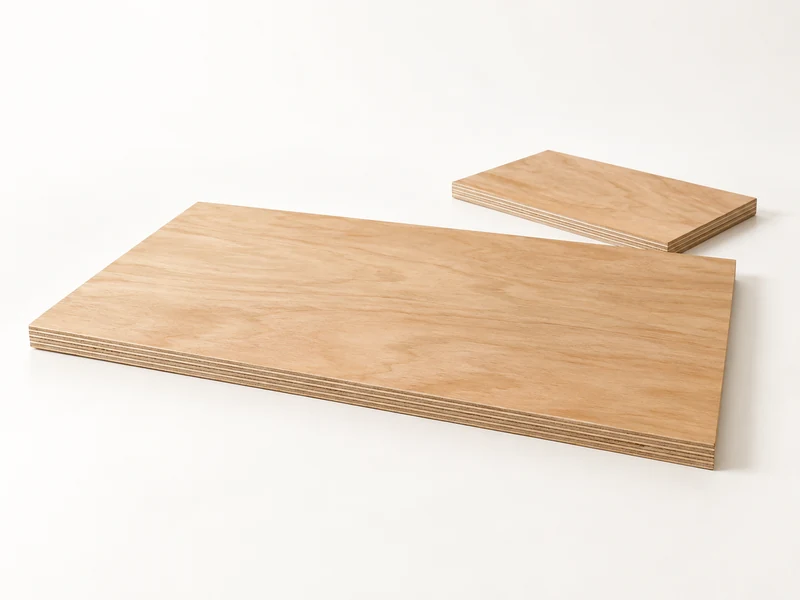
An exterior component starts with more than a sheet size. Where water reaches it, how the edges are finished and how the part is fixed all shape the plywood you need to buy.
CUZI supplies exterior-grade plywood for project orders. Bring the component drawing, intended exposure and required panel specification to the inquiry. We will connect the proposed veneer construction, bond requirement, dimensions and finish with your sample and FOB or CIF quotation.
Start with the part your team will manufacture or install: a coated exterior joinery panel, an outdoor display component or a panel within a specified construction assembly. Identify visible faces, cut edges, holes and joints so the material discussion follows the complete detail.
If the panel also carries a structural, marine or fire requirement, include it on the same item. Use the structural plywood or marine plywood route for the corresponding project documents; keep the exterior exposure and finishing brief with that construction.
When a marine panel is another candidate, use our marine versus exterior plywood comparison to identify the full product requirement alongside the bond and finished detail.
A useful quote follows the part from the saw to the installed location. Tell us which surfaces will be finished in your workshop, which operations happen on site and which details stay exposed. This helps you compare the material and remaining work at the same stage, with fewer open choices when production begins.
FOLLOW THE FINISHED COMPONENT
Show where the panel will work.
Exterior joinery components
Mark viewing faces, joints and routed edges. Share the intended coating, exposure orientation and fitting detail so the proposed panel and trial piece follow the finished part.
Outdoor displays and fittings
Describe the installed location, direct rain or shelter, supports and replaceable parts. Include holes, edge protection and any transport or repeated-assembly requirements.
Specified construction panels
Send the designer’s product grade, structural properties, exposure classification and installation drawing. Keep the supplied panel, documents and complete assembly identifiable.
Give any repeated wetting, standing water, ground contact, marine conditions or unusual chemicals a separate description. Those conditions influence the proposed material, treatment and complete assembly; your inquiry should make them visible from the start.
Separate workshop work from installation work.
For coated joinery, identify the delivered surface preparation and which faces, edges or holes your team will coat. For site-fitted panels, show cuts and drilling planned after delivery, with the required treatment of newly exposed wood. Keep the installation sequence with the finishing instructions.
For reusable outdoor displays, include the transport, dismantling and storage conditions as well as the installed location. Give replaceable parts their own codes. Review the actual joint, fixing and edge detail so the material comparison follows the service your customer expects.
A COATED OUTDOOR DISPLAY WITH MACHINED EDGES
Make the material choice follow the installed detail.
An outdoor display brief includes a visible coated face, routed outline and bolt holes. Start by showing where rain reaches the installed part, how the edges drain and which areas are sheltered.
Keep the required panel/bond classification with the proposed lay-up and thickness. Prepare a representative cut-edge and fixing detail with the complete coating process, including reverse and hole treatment. Review the part against the drawing and any agreed assessment method.
Use the selected construction and finishing reference to organise the repeat-part quantities. Include packing protection for finished faces and edges, installation information and the receiving schedule in the quotation.
Count the perimeter and holes alongside the broad faces.
Consider a planning schedule for 120 rectangular display panels, each 600 × 900 × 18 mm, with four straight 8 mm through-holes. These are requested drawing inputs, not available formats or gauges. The geometry below helps scope finishing work on both faces, all perimeter edges and the cylindrical hole walls.
Scroll horizontally to compare all columns.
| Surface | Calculation | Area |
|---|---|---|
| Both broad faces | 120 × 2 × 0.600 × 0.900 | 129.60 m² |
| All perimeter edges | 120 × 2 × (0.600 + 0.900) × 0.018 | 6.48 m² |
| Four hole walls per panel | 120 × 4 × π × 0.008 × 0.018 | 0.22 m² |
Before deducting the small circular openings from the faces, the listed surfaces total about 136.30 m². The net unperforated panel area is 64.80 m²; it is a different quantity from the area of both finished faces. Keep routed profiles, countersinks and other changed geometry on the actual drawing.
This is a geometry take-off, not a coating consumption or durability calculation. Use the selected finish supplier’s coverage, edge-preparation, coat count and application guidance, with the workshop’s loss allowance. A narrow exposed edge can matter to the finished detail even when it contributes little area.
FROM THE FIRST PART TO A REPEATABLE ORDER
Build the container around your exterior panel schedule.
Orders start at one container, with mixed loads available. Separate each exterior item by construction, grade, dimensions, finish and quantity. Add the other plywood or MDF items for your workshop while keeping their intended uses and labels distinct.
Regular production guidance is 10–15 days, with transport additional. Confirm the exterior item’s schedule around its construction, finishing and sample requirements. Request FOB with the shipment port or CIF with your destination port and target receiving date.
For repeated parts, retain the drawing revision, face range, layer construction, bond requirement and finishing scope under the same item code. The mixed-panel order schedule helps connect those codes to quantities and bundle labels.
Compare offers at the same receiving stage.
Scroll horizontally to compare all columns.
| Delivered stage | Confirm included | Price the remaining work |
|---|---|---|
| Unfinished sheets | Named construction, grade, gauge, format, quantities and documents. | Cutting yield, machining, preparation, finish and handling. |
| Cut or machined parts | Drawing issue, orientation, dimensions, holes and profile details. | Newly exposed wood treatment, coating and installation work. |
| Finished components | Specified treatment/coating scope, completed geometry and protection. | Site modifications, fittings, installation and maintenance provision. |
Keep the same price unit, currency and named delivery point. Show usable component counts, process waste and reserve separately from the net drawing quantity. Compare the cost at the next operation rather than equating a bare-sheet offer with a fully prepared part.
For repeats, retain the construction, finish and installation references with the item code. Identify changes in species, lay-up, bond, treatment, coating or delivered processing before using an earlier component trial as the order reference.
FAQ
Exterior plywood buying questions.
Can CUZI supply exterior-grade plywood?
Yes. Send the intended exposure, required panel/bond specification, preferred construction, thickness, sizes and quantity. The quotation identifies the proposed exterior-grade panel and its document and finishing requirements.
Which thicknesses, cores and grades should I request?
Name your target thickness, face/core species, veneer lay-up, face/back grade and required test/classification. Available combinations and dimensions are confirmed for the selected exterior construction.
Is WBP plywood the same purchase as exterior-grade plywood?
WBP starts a bond discussion. An exterior purchase also needs the actual panel designation, construction, service exposure, surface/edge protection and any structural or project requirements.
How is exterior plywood different from marine plywood?
An exterior item follows its outdoor location and specified panel grade. A marine item follows the required marine product standard, boat component, veneer construction and corresponding documents. Specify the route that your project calls for.
Does an exterior bond make the whole component waterproof?
The bond classification addresses glue-line durability. Specify the wood construction, complete face/reverse/edge finish, holes, drainage and installation for the exposure your component will encounter.
Can I request an EN specification or a North American exterior requirement?
Include the required standard, product designation, class and intended use with your inquiry. Ask for the matching documents for the offered panel and keep any structural requirement with the responsible designer’s project specification.
Should I coat the cut edges and fixing holes?
Include them in the complete finishing and installation brief. Follow the selected coating/panel instructions and review the same machined detail in your sample; retain the preparation and finish reference for production.
What should an exterior sample include?
Request the proposed full-thickness construction with the face, reverse, cut edge and working joint or fixing you will evaluate. Give your finish and exposure brief so the sample discussion follows the actual part.
Can exterior plywood share a container with other panels?
Yes. The minimum order is one container and mixed loads are available. List each construction, size, finish and quantity separately, with labels and protection for finished components.
What information helps prepare a FOB or CIF quote?
Send the panel specification, component or sheet list, quantities, required documents, sample needs and finish scope. Add the FOB shipment port or CIF destination port and target receiving date.
What should an exterior-grade plywood quotation identify?
The intended exposure, required panel/bond designation, actual veneer construction, dimensions and complete face/reverse/edge finish. Add structural or other project requirements with the component and installation drawing.
LET’S PLAN YOUR EXTERIOR PLYWOOD ORDER
Send the drawing and the conditions the part will meet.
Start with the exposure, required specification, dimensions and quantity. Add the finish and installation detail you have so we can discuss the panel, sample and delivered scope together.
Open the exterior plywood inquiry outline
Project / use: [exterior component or specified assembly; destination].
Exposure: [shelter/direct wetting, orientation, drainage, contact and service conditions].
Panel / bond requirement: [product designation, standard/class, test method and required documents].
Veneer construction: [face/back species and grade, core, layer sequence and veneer thickness].
Geometry: [nominal/finished thickness, sheet/part dimensions, tolerance and grain direction].
Finish / protection: [face, reverse, cut edges, holes, coating/facing and preparation].
Component: [drawing revision, routed detail, joints, fixings, supports and installation].
Subsequent work: [workshop/site cutting and drilling; new exposed surfaces; treatment/finish instructions].
Sample / trial: [format, full-thickness construction, finishing and agreed assessment method].
Order: one-container minimum; [quantities by item and other panels in the mixed load].
Packing / documents: [labels, finished-face protection, report scope and material instructions].
Price scope: [sheets / parts / finished components; included treatment and finishing; net counts and reserve].
Delivery: [FOB shipment port or CIF destination port; receiving date and warehouse requirements].
For the full component list, use our plywood RFQ checklist. For a mixed-species core comparison, include the core and layer schedule with the exterior item’s own grade and bond requirements.