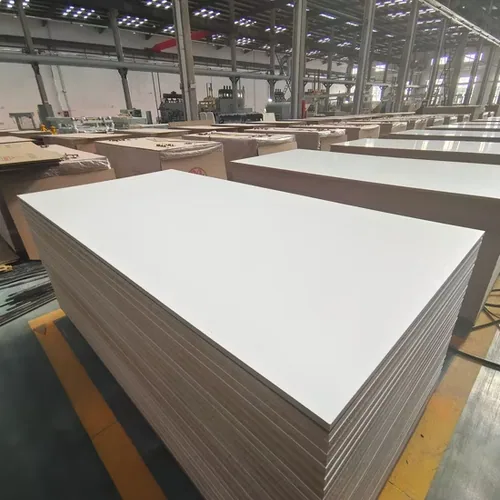
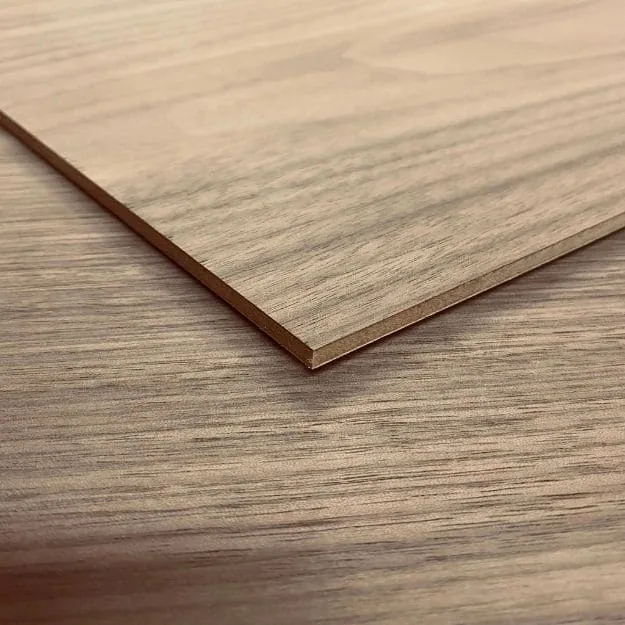
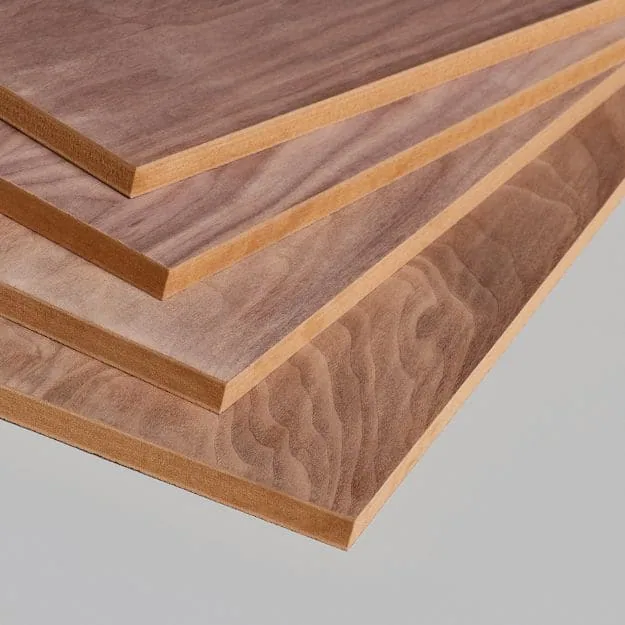
Specifications
Supply specifications
Regular sizes mm · width × length
On request
Other sheet sizes and cut-to-size panels on request.
| Finished thickness | 12–25 mm (finished panel) |
|---|---|
| Core / substrate | MDF |
| Surface finish | HPL 0.5–2 mm; single-sided or double-sided |
| Reverse option | Melamine back available for single-sided HPL |
| Decor & surface effects | Same range as melamine; specify decor, texture and sheen |
Application-specific specification checks
Panel construction and finishing
| HPL thickness | 0.5–2 mm; specify the laminate grade and reference with the finished panel thickness. |
|---|---|
| Decor & surface effects | Same decor and surface-effect range as melamine; identify colour or woodgrain reference, texture, sheen and direction. |
| Reverse options | Double-sided HPL, or a single HPL front with a melamine reverse; identify the finish and construction of each face. |
| Substrate & emissions | MDF grade, core thickness and emission class/test method specified with the destination and intended application. |
| Edges & component scope | Visible-edge map, edge-band or lipping reference, drawing revision and any requested fabrication discussed with the quotation. |
Make the face, core and back one quoted construction.
Choose a 12–25 mm finished panel and a 0.5–2 mm HPL facing. The finished thickness includes the core, front and reverse layers; identify these separately when the drawing specifies the build-up or tolerance.
| Decorative HPL | 0.5–2 mm laminate. Decor and surface effects follow our melamine range; specify the reference, grade, texture, sheen and direction. |
|---|---|
| MDF substrate | Board designation, core thickness, emission requirement and service conditions. |
| Reverse construction | HPL on both sides, or a single HPL front with a melamine reverse. Identify the back reference and layer construction. |
| Finished geometry | 12–25 mm finished thickness; sheet or component dimensions, flatness and tolerances. |
| Edge and delivery scope | Visible-edge map, edge-band or lipping reference, packing and any requested fabrication. |
Regular finished-panel sizes are 1220 × 2440 and 2100 × 2800 mm. We also supply 1220 × 3050, 1830 × 3660 and 1220 × 3660 mm on request. Include the selected HPL reference with the format so your quotation describes the same finish and size.
Is 18 mm your core dimension or your finished dimension?
These are different requests. An 18 mm MDF core with 0.8 mm HPL on both sides totals 19.6 mm before the adhesive layers. For an 18 mm finished panel with the same two HPL layers, the remaining 16.4 mm must accommodate the core and bonding layers. Use those calculations to describe the drawing; ask for the proposed build-up and finished tolerance rather than assuming a stock core gauge.
Scroll horizontally to compare all columns.
| Dimension | Available range or purchase detail | Put on the item drawing |
|---|---|---|
| Finished panel | 12–25 mm finished supply range. | Target total thickness, tolerance and the measured condition used for fit. |
| HPL front | 0.5–2 mm laminate; specify the selected reference and grade. | Layer thickness, decor, texture, sheen and pattern direction. |
| MDF core | The proposed substrate and gauge for the complete construction. | Core identity, emission requirement, service conditions and hardware pockets. |
| Reverse and bonding | Second HPL face or the specified melamine back; adhesive in the quoted build-up. | Reverse material and reference, layer construction and completed fit. |
Hinge pockets, panel grooves and adjoining components follow the finished dimensions. Mark any feature whose depth is taken from a particular face, and include the edge-band or lipping thickness when the drawing specifies completed part sizes.
COMPARE YOUR SURFACING ROUTES
HPL, melamine or PVC for your design?
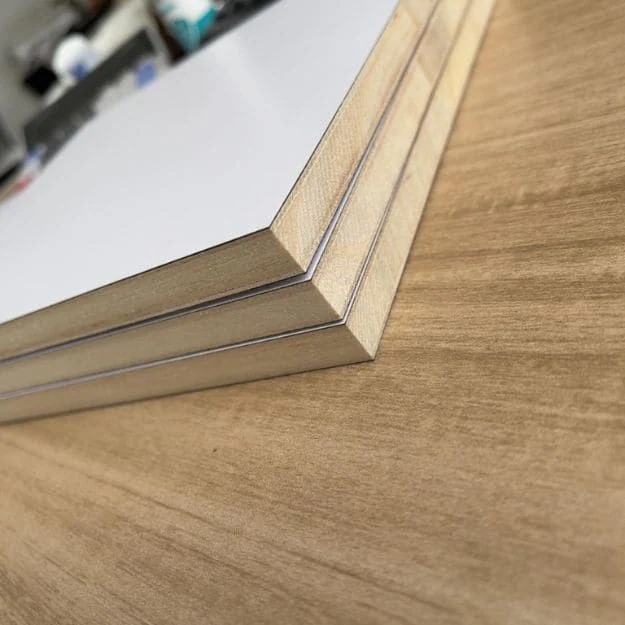
A SEPARATELY BONDED LAMINATE
HPL faced MDF
12–25 mm finished panels with 0.5–2 mm HPL. Choose single or double HPL faces; a melamine back is available for a single-sided front.
Try an HPL MDF sampleFLAT DECORATIVE FURNITURE PARTS
Melamine MDF
Compare the melamine surface, colour, texture and matching edges for flat components. Its surfacing construction differs from a separate HPL sheet.
Explore melamine MDFOTHER DECORATIVE FACING OPTIONS
PVC faced MDF
Discuss a decorative PVC film finish, with single or double faces and the back treatment for your furniture part.
Compare PVC faced MDFChoose the construction or component you need to settle.
Scroll horizontally to compare all columns.
| Purchase decision | Keep with the proposed item | Continue your request |
|---|---|---|
| 18 mm finished panel, HPL on both sides | Ask for the total finished thickness and its tolerance. With chosen 0.8 mm front and reverse HPL, 16.4 mm remains for MDF plus the bonding layers. Identify the actual substrate gauge and measured build-up instead of ordering an assumed 18 mm core. | Request the layer build-up |
| Single HPL front, melamine reverse | Retain both surface references, MDF, adhesive, direction, full component size, edge and hardware. Trial the actual door under agreed conditions and record thickness, fit and flatness with its support and mounting. | Trial front and reverse |
| Working-surface material and cleaning data | State horizontal or vertical use, laminate reference and the wear, scratch, stain, heat or cleaning properties your component requires. Identify the method, grade and offered laminate separately from MDF emissions and any complete-system classification. | Request performance data |
| 120 direction-fixed 450 × 720 mm fronts | Use the direction-fixed cutting comparison below with its 5 mm sheet-edge trim and 3 mm internal saw gap. The grids give 20, 10 or 6 sheets for the three stated formats before reserve and selection losses. Quote the offered finish, actual blank allowance, machine/handling limits, edge work and usable output together. | Quote 120 cabinet fronts |
Compare each option on the delivered item you need: facing grade, finished dimensions, reverse, edge work and workshop operations. A similar decor name can describe different surface systems.
Two usable faces, or one decorative front?
For a partition, exposed door reverse or other two-sided component, specify both HPL references and the pattern direction. For a single decorative front with a melamine back, name the reverse rather than leaving it as an unspecified hidden side. Evaluate the complete part at its intended size and fixing arrangement.
Laminate-clad panel flatness depends on the construction and service conditions. Formica’s technical resources provide the maker’s construction and fabrication information. Include front/back balancing and laminate direction with your component brief. Use the proposed laminate’s own instructions with your part drawing; a melamine reverse is an available construction, rather than a universal flatness guarantee for every door size.
COMPARE OPTIONS
Your selection at a glance
Panel build-up
Choose 12–25 mm finished panels with 0.5–2 mm HPL. Identify the MDF core and both faces in the quoted construction.
Decor and reverse
Choose from our melamine decor and surface-effect range. Single-sided HPL can have a melamine back; double-sided HPL is also available.
Component trial
Match the face and edge on a sample, then trial the intended part size, hardware and workshop process.
FROM DECOR CHIP TO WORKING PART
See the finish on the component your customers will use.
Begin with the decor reference and a faced sample. For a large front, shelf or work surface, request the size needed to trial the edge, hardware, joint and reverse in your own production process.
- Select the surfaceReview colour, texture, sheen and pattern direction in the lighting planned for the finished furniture.
- Trial the partCut and edge the proposed panel, fit the hardware or joint, and check the complete face-to-edge detail.
- Keep the constructionRecord front and back references, total thickness and the drawing revision with the selected physical sample.
Samples are free, with freight arranged at the buyer’s expense. A freight credit may be agreed for a subsequent order. Share your delivery country and the sample checks when requesting the panel.
Trial the edge that will go into production.
Cut and trim the panel with the tooling and process intended for your furniture part. Inspect the face at the trimmed edge, inside corners and hardware openings; then apply the selected edge band or lipping. Judge the completed face-to-edge junction, corner and fitting rather than the loose laminate surface alone.
For a large front, retain a representative component with its front/back references, edge code and drawing revision. Record finished thickness, fit and flatness under the agreed workshop conditions. Use the same references when ordering adjacent melamine parts or repeating the HPL item.
Acceptance worksheet
Keep the laminate, edge and panel build-up on one record.
Use the worksheet to pass your selection into purchasing and fabrication. Record what you evaluated, including the two sides, edge detail and the test information requested for the application.
Open the HPL MDF component worksheet
| Check | What to record |
|---|---|
| Surface reference | HPL decor and grade, layer thickness, colour, texture, sheen, direction and physical sample. |
| Core and reverse | MDF designation and thickness, second decorative face or balancing-layer reference, adhesive and total thickness. |
| Dimensions and fit | Sheet or part dimensions, measured thickness, flatness, tolerance, supports and hardware fit. |
| Cut and edge | Tooling, trimmed edge, band or lipping, corner detail and face-edge appearance. |
| Application data | Required surface tests, cleaning conditions, emission method and relevant project documents. |
| Purchase item | Drawing revision, finish and back codes, quantities, item labels and agreed changes. |
| Direction and adjacent parts | Grain or pattern arrows, adjoining front references, edge code and lighting used for the finish comparison. |
| Delivered processing | Sheet or cut part, included edging and machining, finished dimensions and remaining workshop operations. |
ASK FOR THE DETAILS OF THE PROPOSED PANEL
Match the surface data to the construction you will buy.
Request the proposed HPL reference and MDF substrate information together. Name the required test method and acceptance criteria for the component’s surface and working environment.
If your specification calls for a laminate grade under EN 438 or another named method, include the grade and properties you need. Ask about the quoted laminate’s wear, scratch, impact, heat, stain or chemical test information as applicable.
Surface properties and substrate emissions answer different buying questions. Keep the required laminate tests, board emission method and any finished-system classification identified separately in the order.
Match the data to the feature your customer will use.
Scroll horizontally to compare all columns.
| Buying decision | Information to request | Component detail |
|---|---|---|
| Wear and appearance | Laminate reference, grade and the named wear, scratch, impact or stain test requirements. | Horizontal or vertical use, expected contact and visible finish. |
| Cleaning and heat | Relevant surface-test data and the laminate supplier’s care instructions. | Cleaning agents, exposure and any contact with hot objects. |
| Fit and stability | Finished tolerance, flatness requirement, substrate and front/back construction. | Part size, restraint, supports, pattern direction and workshop conditions. |
| Emission or project classification | The requested test method and documents for the proposed board or finished construction. | Destination, application and the full panel or installation covered. |
Choose a postforming grade and process when the drawing calls for a formed edge; a standard flat laminate is a different request. Share the profile and radius with the proposed laminate reference. Formica’s postforming explanation describes the use of specially developed laminate grades. Ask for material-specific forming information before selecting that construction.
Product data & reports to request
Request a technical data sheet covering:HPL grade and 0.5–2 mm layer thickness, decor and surface tests; identify the MDF core, front, reverse, adhesive and 12–25 mm finished construction.Include these specification details:- HPL grade, layer thickness, finish reference and relevant surface-test information
- MDF substrate designation, core thickness, density, tolerances and emission documents
- Face, reverse or backer, adhesive and finished panel thickness
- Machining, edging, storage, cleaning and intended-use instructions
Company documents to view
FSC chain of custody Wood panels · purchase & salesISO 9001 & ISO 14001 Management systems · stated sales activitiesUse these for supplier qualification; match product performance to the proposed panel’s technical documents.HPL faced MDF requirements: what to match
- Panel & surface data
- HPL grade and 0.5–2 mm layer thickness, decor and surface tests; identify the MDF core, front, reverse, adhesive and 12–25 mm finished construction.
- US destination
- Request TSCA Title VI documentation for the covered MDF substrate, including producer/product identification, third-party certification or applicable exemption documentation and labelling details.
- European furniture & other markets
- For European furniture and wood-based articles, request emission documentation against the applicable REACH Entry 77 / Appendix 14 conditions. Identify the offered substrate and finish; include any additional destination or project requirement.
US & EU document checklistProduct + destination
Identify the offered item. HPL-faced MDF: selected MDF grade, HPL identity and thickness, adhesive, reverse and total panel thickness.
Thickness: 12–25 mm (finished panel).
US
Covered MDF substrate and fabrication records for the HPL-faced construction.
Request US documentsEU
Finished HPL/MDF construction, backing, edges and intended article.
Request EU documentsKeep HPL facing thickness and finished panel thickness as separate fields, with the chosen reverse.
BEFORE YOU ORDER
Ordering information
- Minimum order
- 1 container
- Regular lead time
- 10–15 days
- Samples
- Free samples
- Quotation terms
- FOB / CIF
Sample freight & order notes
- Minimum order: Mixed loads available.
- Regular lead time: Production; shipping time is additional.
- Samples: Buyer pays freight; credit available on a later order.
- Quotation terms: Name the port in your inquiry.
PROTECT THE FINISH THROUGH RECEIVING
Make the decor and part sequence easy to identify.
Specify bundle labels, front/back identification, direction marks and protection of faces, corners and edges. Include unloading limits and any separation needed between finished surfaces in the delivery brief.
Plan supported, dry storage and conditioning before fabrication. At receiving, compare the decor and reverse against the item schedule and selected sample, then check dimensions and surface condition before machining. The panel receiving checklist helps prepare these checks.
Receive the face, reverse and sequence you ordered.
Match pack labels to the HPL front code, back reference, total thickness, sheet or part dimensions and quantity. Check visible faces, corners and edges against the retained finish before fabrication, and record any damage or discrepancy with the packing-list item.
Keep surfaces protected during handling and follow the proposed material’s storage and conditioning instructions. For repeat orders, record changes to the decor, texture, sheen, front/back construction, edge reference or drawing before the next production run.
THE FINISH YOU CHOOSE. THE PANEL YOU ORDER.
Turn your chosen surface into a complete furniture item.
Compare the facing routes on the same component with our HPL, melamine and PVC MDF guide, including the reverse, edge, model data and finished-sample request.
A cabinet front, reception panel or furniture surface needs more than a colour reference. It needs a face, a core, a reverse and an edge that work together.
CUZI supplies HPL faced MDF in finished thicknesses of 12–25 mm, with 0.5–2 mm HPL laminates on one or both sides. Choose from the same decor and surface-effect range as our melamine panels. A single HPL front can have a melamine reverse, making it easier to coordinate visible fronts and cabinet interiors.
Bring your laminate reference, component dimensions and intended use. We’ll help you describe the full panel for a free sample, mixed-container order or FOB/CIF quotation.
HPL is a high-pressure laminate sheet bonded to a substrate. The Composite Panel Association explains HPL’s separate laminate construction and its use with MDF. Specify the laminate grade and MDF board together when choosing your finished panel.
Choosing a reflective furniture front? The high-gloss MDF comparison connects the selected surface, measured gloss requirement, reverse and finished edge to the component sample.
Our HPL decors coordinate with the melamine range. Use the black and white melamine selection to compare the physical colour, texture and edge reference when combining surface systems in one furniture set.
Considering a film-faced alternative? The PET MDF requirements connect the proposed film and surface reference with its MDF, adhesive, reverse and edge. Compare the complete construction and material-specific data with your HPL brief.
Build a coordinated furniture range around the panel your workshop will actually receive. Put the HPL reference, MDF substrate, back construction, visible edges and delivered dimensions on the same item. Your purchasing team can compare the complete part, while your workshop has a clear starting point for cutting, edging and assembly.
BUILD THE LOOK AROUND THE JOB
Where will your HPL panel be used?
Cabinet fronts and doors
Coordinate the visible decor, reverse, edge and hardware around the actual door size. A full-size trial helps you review fit, flatness and the assembled appearance.
Furniture and work surfaces
Discuss the laminate grade for the expected wear, impacts and cleaning routine. Include supports, edge protection, cut-outs and any relevant heat or moisture exposure.
Interior joinery packages
Arrange reception fronts, partitions and wall panels by room or component code. Mark pattern direction, adjoining faces, joints and the intended fixing method.
Specify any fire, chemical, hygiene or other project requirement with the complete panel construction. Choose the relevant grade and supporting data for that use.
Keep adjoining faces and visible edges on one finish reference.
Mark the grain or pattern direction on doors, drawers, side panels and reception fronts. Include the parts that meet at a corner or continuous run. A colour name shared by HPL and melamine does not replace a physical comparison of texture, sheen and edge appearance under the project lighting.
For work surfaces, list expected wear, cleaning products, spills and any heat exposure with the required laminate properties. Include cut-outs, supports and the treatment around fresh edges. For a humid interior, specify the substrate and protection of openings together; the face laminate alone does not define the complete panel’s moisture performance.
SPECIFY BOTH SIDES OF THE DOOR
A cabinet-front brief built around the whole part.
- Visible front
- Selected HPL reference, finish and direction, with adjoining drawer or door faces identified.
- Core and back
- MDF grade and core thickness; the specified decorative reverse or balancing layer and finished thickness.
- Edges and fittings
- Edge reference, corner treatment, hinge positions, hardware pockets and complete part dimensions.
- Selected item
- The physical front-and-edge sample, drawing revision, front/back codes and quantities for the quotation.
A single decorative face still needs an appropriate reverse construction. Evaluate the complete front for fit and flatness rather than selecting from a small decor chip alone.
Pattern direction changes the cutting list.
For 450 × 720 mm rectangular cabinet-front blanks, the calculation below keeps the 720 mm dimension along the sheet length. It allows 5 mm trimming at every sheet edge and 3 mm between adjoining blanks. The 120-front schedule is a dimensional plan before defects, processing losses and the reserve chosen for production.
Scroll horizontally to compare all columns.
| Sheet format | Repeated layout | Blanks per sheet | Blank area / sheet area | Sheets for 120 fronts |
|---|---|---|---|---|
| 1220 × 2440 mm · regular | 2 across × 3 along. | 6 | 1.944 / 2.9768 m² = 65.31% | 20 before production reserve |
| 2100 × 2800 mm · regular | 4 across × 3 along. | 12 | 3.888 / 5.88 m² = 66.12% | 10 before production reserve |
| 1830 × 3660 mm · on request | 4 across × 5 along. | 20 | 6.48 / 6.6978 m² = 96.75% | 6 before production reserve |
The long on-request format has higher area utilisation for this particular blank. Your full parts list, pattern matching, laminate reference, machine bed, handling and reserve can lead to a different choice. If the 450 × 720 mm dimensions describe the finished edged part, allow for edging and trimming in the actual blank size before nesting.
Compare material and included cutting or edging per usable component, not only the price per sheet. Send the direction-marked drawing and full list for cut-to-size panels or MDF machining when those operations belong in the quotation.
YOUR RANGE. ONE ITEMISED ORDER.
Coordinate the HPL panels your furniture range needs.
List decor, thickness and face/back construction by stock or component code. Combine compatible product lines in a mixed load from one container, and keep the HPL items identifiable within the packing schedule.
Regular production takes 10–15 days, with transit time additional. Confirm the selected facing, any special panel build-up and sample requirements when discussing your delivery date. We quote FOB or CIF against the named port.
The mixed-panel schedule guide helps organise multiple finishes and sizes. For the wider product mix, explore wholesale MDF ordering.
Quote the same delivered item across the whole range.
Separate each front/back pair, total thickness, format and processing scope in the order schedule. A price for a loose HPL sheet, an HPL faced MDF sheet and a cut-and-edged component covers different materials and work. Record the price unit, sheet or part quantity, included operations and remaining workshop work beside the line total.
Group adjoining furniture fronts by finish and direction reference. Include any matching melamine interiors or other panels as separate items in the mixed load. Agree labels that preserve those relationships from packing through unloading, cutting and assembly.
FAQ
HPL MDF questions before your next order.
What is HPL faced MDF?
It is an MDF substrate faced with a separately bonded high-pressure laminate sheet. Specify the laminate, core and reverse as a complete panel rather than ordering by decor alone.
Can CUZI supply single-sided and double-sided panels?
Yes. HPL can face one or both sides. A single HPL front can have a melamine reverse; specify the finish references for both faces with your component dimensions.
Which finished and HPL thicknesses are available?
Finished panels are available in 12–25 mm, with 0.5–2 mm HPL laminates. State the total thickness and tolerance needed by the drawing, then identify the front, core and reverse layers for the proposed construction.
What sheet sizes can I order?
Regular sizes are 1220 × 2440 and 2100 × 2800 mm. Sizes of 1220 × 3050, 1830 × 3660 and 1220 × 3660 mm are available on request. Send the selected decor and quantities by format for your quotation.
Which decors and surface effects can I choose?
Our HPL decor and surface-effect range follows the melamine range. Share your colour or woodgrain reference, texture and sheen; compare a physical sample beside the edge band and neighbouring furniture parts.
Is HPL the same as melamine faced MDF?
They are different surfacing constructions. HPL is a separate laminate bonded to the board; melamine faced MDF uses a decorative resin-impregnated paper surface. Compare the actual surface grade, back and edge details for your furniture part.
What should the back of a single-sided panel have?
A melamine reverse is available. Specify its decor and construction with the HPL front and MDF core. Evaluate the complete component for flatness and fit at the intended part size and fixing arrangement.
Can I use HPL MDF for a worktop or humid interior?
Send the intended use, surface demands, cut-outs, supports and edge protection. Select the laminate and MDF substrate for those conditions and request the corresponding data. The decorative surface alone does not make the full panel waterproof.
Can any HPL be bent around an edge?
Formed edges need an appropriate laminate grade and process. Specify the required profile and radius with the proposed laminate, and discuss a trial before choosing the item.
Can I mix HPL panels with other MDF products?
Mixed container orders are available from a one-container minimum. Separate each finish, thickness, format and face/back arrangement so quantities and labels follow your item list.
What information starts a price quotation?
Send the facing reference, finished thickness, sheet or part size, quantity and destination port. Add the reverse and edge details you have; we can discuss the remaining construction choices with you.
Can I order an HPL front with a melamine back?
Yes. A single HPL front can have a melamine reverse. Identify the two finish references, layer construction and finished thickness, then evaluate the complete part for flatness and fit.
Request a quote
Show us the HPL finish you want to build with.
A decor reference, panel thickness, size and quantity are enough to start the conversation. Use the outline when you are ready to specify the complete item.
Open the HPL faced MDF inquiry outline
Product: HPL faced MDF for [furniture part / interior application].
Panel dimensions: [1220 × 2440 / 2100 × 2800 mm; on request 1220 × 3050 / 1830 × 3660 / 1220 × 3660 mm; or component dimensions].
Finished thickness: [12–25 mm; selected total thickness and tolerance].
HPL front: [0.5–2 mm; decor code / reference, grade, texture, sheen and direction].
MDF substrate: [board grade and core thickness; emission class and method].
Face arrangement: [single decorative face / double decorative faces].
Reverse: [second HPL face / melamine back; finish reference and layer thickness].
Edge and component: [edge-band / lipping; drawing revision, visible edges and hardware].
Quantity: [sheets / parts by complete item; other mixed-load products].
Processing: [sheet / cut part / edged component; included operations and completed dimensions].
Direction and matching: [grain / pattern arrows, adjacent fronts and edge reference].
Sample and data: [finish and fabrication trial; required surface and board documents].
Quotation: FOB or CIF [named port]; [receiving date, packing and labels].
Download the HPL MDF inquiry outline (.txt)