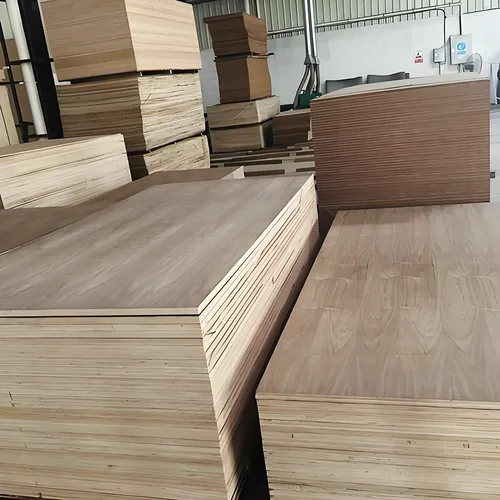
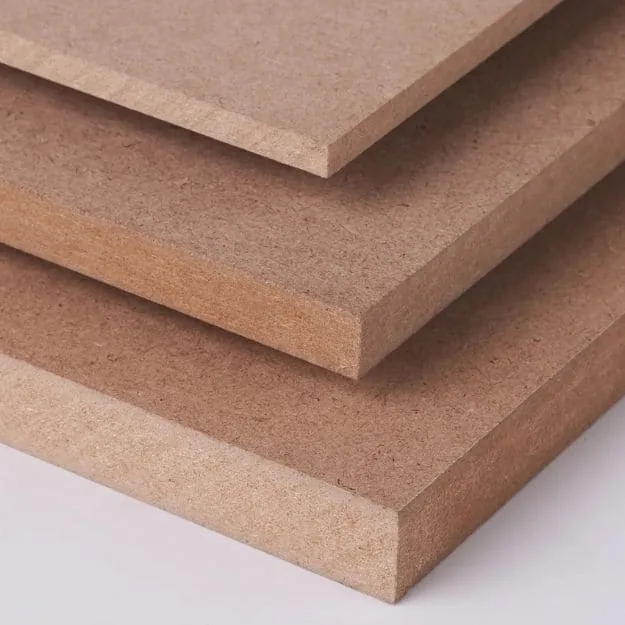
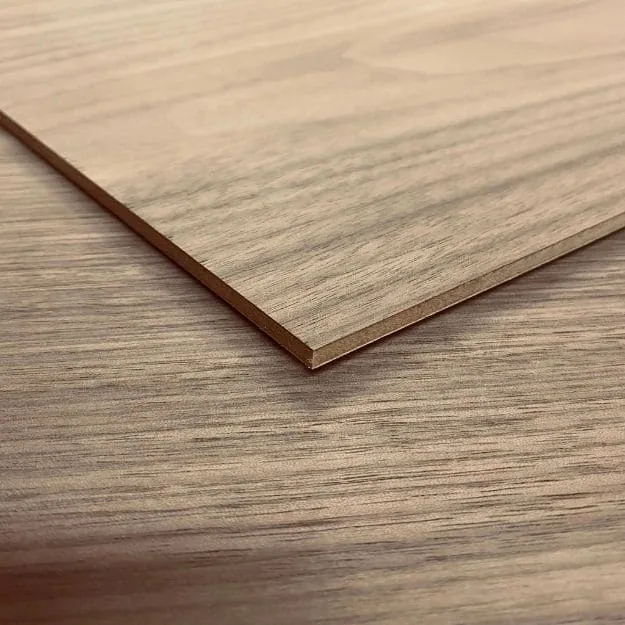
Specifications
Supply specifications
Finished panel formats
Send your required width and length. Available formats are confirmed with the selected panel and quoted scope.
Buying components?
Include part dimensions, grain direction and quantities by item with your drawing.
| Supply | Veneered MDF available; veneer combination quoted for your project |
|---|---|
| Finished thickness | Confirmed with the proposed construction |
| Veneer identity | Species, cut and veneer thickness confirmed with quotation |
| Core / substrate | MDF; specify the required board grade |
| Faces & reverse | Requested arrangement confirmed with quotation |
| Matching & finish | Discuss leaf arrangement, panel sequence, coating and edges |
Application-specific specification checks
Panel construction and finishing
| Availability | Requested veneer species and MDF combination checked with the project quotation. |
|---|---|
| Veneer identity | Natural or engineered identity, cut, facing thickness and appearance reference confirmed in the offer. |
| Face/back and matching | Decorative faces, reverse or balancing veneer, leaf arrangement and adjoining-panel sequence specified with the drawing. |
| Finish and edges | Requested unfinished or coated condition, stain, clear coat and edging/lipping discussed as part of the complete item. |
| Board and documents | MDF grade, core thickness, emission method and destination requirements connected to the proposed construction. |
Define the wood face and the complete panel.
Share the species and appearance you want alongside your required dimensions. Veneer combination, veneer thickness, MDF grade, finished thickness and face/back construction are confirmed for the proposed item during quotation.
| Veneer identity | Requested species, natural or engineered veneer, cut and appearance reference; available combinations confirmed with inquiry. |
|---|---|
| Face and back | Visible sides, requested single/double decorative faces, reverse veneer or other balancing construction. |
| Panel thickness | Total finished thickness and tolerance, with core and facing layers described separately. |
| Matching | Within-panel leaf arrangement, adjoining-panel sequence, grain direction and drawing references. |
| Core and emissions | MDF designation, density and tolerances; required emission class, method and destination documents. |
| Finishing and edges | Requested unfinished or coated condition, edge veneer or solid lipping, stain and clear-coat references. |
For doors or large panels, include the fixing arrangement and reverse construction. Review the whole panel for flatness and fit, with both sides and the intended edge treatment recorded in the sample description.
Use an appearance description that can travel with the order.
Scroll horizontally to compare all columns.
| Selection detail | What to describe | What to keep with it |
|---|---|---|
| Wood and cut | Species or engineered-veneer identity, requested cut and the grain character you want to see. | Several physical face references showing the intended appearance range. |
| Natural character | Colour range, sapwood, knots, mineral marks or other visible features relevant to the design. | The selected range, rather than one small patch treated as every panel’s appearance. |
| Leaf and panel matching | Arrangement within a face, panel sequence across the elevation and grain direction. | Elevation, leaf or panel references and numbered neighbouring components. |
| Completed construction | MDF core, veneer layers, reverse, adhesive, finished thickness and edge treatment. | Item drawing, measured fit, coating reference and technical requirements. |
For a requested 18 mm finished panel, specify that total separately from the MDF core gauge and veneer layers. Identify the reference face for grooves or hardware pockets and the condition in which completed dimensions are measured. Facing, coating, lipping and trimming belong in the part description when they affect assembly fit.
ONE WOOD LOOK. DIFFERENT PANEL CONSTRUCTIONS.
Compare veneer on MDF, plywood and decorative surfaces.
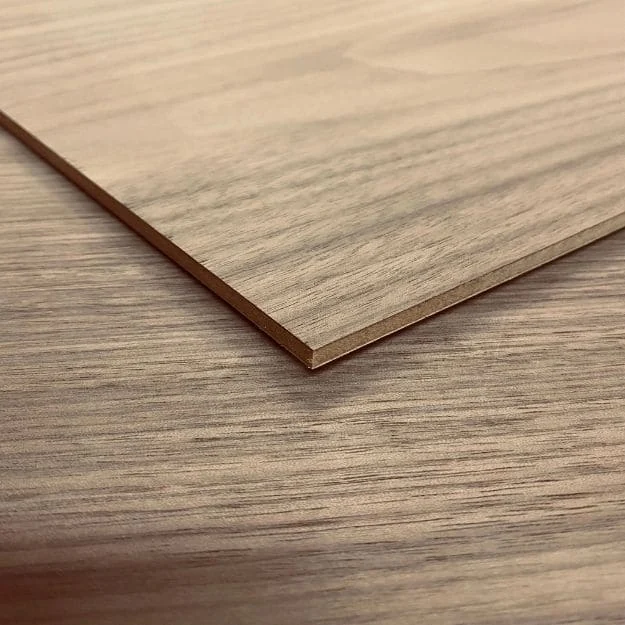
Veneered MDF
Discuss the requested wood face on an MDF core. Confirm the veneer combination and full construction, then evaluate the intended machining, edges and finish.
Discuss the MDF constructionDecorative plywood
A veneer-faced plywood panel has a different layered core. Compare the actual face/core combination and component trial in our established decorative plywood range.
Compare decorative plywoodDecorative MDF facings
Melamine, HPL and PVC use different surfacing systems. Compare their physical finish and complete build-up when choosing the furniture surface route.
Explore other MDF surfacesKeep the substrate named in each quotation. A veneer species or similar surface appearance does not describe the underlying core, fastening behaviour, finished weight or machining result.
Book match or slip match for the proposed veneer?
Book matching alternates the orientation of successive leaves to form a mirrored arrangement. Slip matching places successive leaves without turning them over. Describe the arrangement you want with the elevation and physical reference; confirm the proposed matching and leaf sequence during the quotation.
The veneer matching guide helps prepare this description. Evaluate the complete face under the intended coating and lighting before selecting the project reference.
A book match and a panel sequence are separate instructions.
Scroll horizontally to compare all columns.
| Matching question | Appearance decision | Order reference |
|---|---|---|
| Book match within the face | Alternate the faces of successive leaves to create a mirrored arrangement. | Requested leaf layout and a coated face viewed under the intended lighting. |
| Slip match within the face | Place successive leaves alongside one another without turning them over. | Grain direction, leaf arrangement and the repeated character selected. |
| Sequence across panels | Relate neighbouring panel faces across a cabinet or room elevation. | Panel positions, component numbers, cutting restrictions and set labels. |
| Edge and adjacent timber | Coordinate visible lipping, edging, moulding or solid timber with the face. | Wood and coating references, corner detail and the completed joint. |
The Timber Veneer Association’s product manual describes book and slip assembly methods. A matching name does not by itself describe colour range or the full elevation. Evaluate the proposed faces with the selected coating and keep both the within-face arrangement and the across-panel sequence in the schedule.
COMPARE OPTIONS
Your selection at a glance
Veneer and appearance
Send the species, cut, grain and colour reference; confirm the selected veneer combination and finished appearance with the quotation and sample.
Core and complete panel
Name MDF beneath the veneer. Finished thickness, formats, decorative faces, reverse and coating are confirmed in the proposal.
Matching and sample
Connect leaf arrangement, adjoining-panel sequence and edge/finish references to the sample set and drawing.
SELECT THE FACE. TRIAL THE FINISH.
Build a reference for the furniture your customer will see.
After selecting the proposed construction, discuss a sample set showing the veneer, edge and finish. A single small patch can start the selection; neighbouring faces reveal how the appearance carries across the design.
- Choose the appearance rangeDescribe the species, grain, colour variation and natural features you want included, using several reference pieces where appropriate.
- Try your finishing routeApply the proposed stain or clear coat, inspect the edge and corner, and trial machining and hardware on the intended construction.
- Keep the selected setRetain the physical references with the veneer description, reverse, drawing revision and neighbouring-panel sequence.
CUZI’s standard sample arrangement is free samples with buyer-paid freight; a later-order freight credit can be agreed. Confirm the proposed veneered MDF construction, available sample format and delivery requirements when arranging your project trial.
Keep the wood, paired fronts and finished corner in the request.
The walnut book-match route below is a wood preference to discuss against your physical reference. Replace the wood or matching instruction for your design, and confirm the proposed veneer, substrate, finished gauge and format together. Request the complete face/reverse/edge detail that your customer will see.
Scroll horizontally to compare all columns.
| Selection to make | Keep with the material | Start the request |
|---|---|---|
| Book-matched walnut cabinet fronts 18 mm finished target · 1220 × 2440 mm | Actual veneer identity/gauge and sanding allowance, decorative front/reverse, MDF/bonding build-up, numbered left/right pairs and full elevation. View the completed coating and edges together. | Request the paired walnut fronts Request the matching veneer and MDF file |
| Finished edge and adjoining trim | Remaining veneer after sanding, actual lipping/solid trim, corner/joint, coating/cure/sheen and hardware fit. Retain the delivered versus remaining workshop scope. | Request the completed veneer corner |
| Matched sets across production phases | Numbered pairs/viewing groups, grain orientation, finished master/range, veneer/lot comparison, stage quantities and replacement/spare allocation. | Quote the phased veneer set |
Trial the sanding and coating on the proposed veneer layer.
Use the intended preparation and finish on the selected construction, paying attention to edges, routed features and the corner. Record the veneer layer requested with the sanding sequence so the workshop can assess the finished detail without assuming a sanding allowance from the species name.
Retain adjoining coated faces showing the appearance range chosen for the order. Add the stain, coating, sheen, edge or lipping reference and viewing conditions. For doors or large fronts, include completed size, reverse and hardware in the retained component rather than relying only on a small decorative piece.
Acceptance worksheet
Record the face, sequence and finished detail.
Use a shared record to connect design selection with the item eventually quoted. Include the actual material identification and the component or finish evaluated.
Open the veneered MDF project worksheet
| Check | Record for the project |
|---|---|
| Veneer identity | Proposed species, natural/engineered identity, cut, leaf arrangement and facing thickness. |
| Appearance range | Selected light/dark range, grain, natural features and retained physical reference set. |
| Panel construction | MDF grade, core thickness, front and reverse, adhesive and measured finished thickness. |
| Finish and edge | Stain and coating references, sheen, edging or lipping, corner joint and workshop sequence. |
| Component trial | Dimensions, flatness, machining, hardware and fit under the intended support arrangement. |
| Sequence and item | Elevation, panel order, grain arrows, drawing revision, quantities, labels and confirmed offer reference. |
| Cutting restrictions | Parts that stay adjacent, rotation limits, shared parent-panel references and reserve pieces by appearance set. |
| Repeat selection | Retained coated face set, veneer identity, appearance range, finish reference and any changes to the next order. |
IDENTIFY THE PANEL BEHIND THE APPEARANCE
Request documents for the proposed veneer and MDF construction.
Include the destination and intended application with your quotation request. Keep the offered core, wood facing, reverse and finish connected to the technical description and supporting documents.
Ask for any sourcing claim to be identified on the quoted item and the relevant order documents. Supplier qualification, substrate test results and a finished assembly’s performance address different parts of the purchasing decision.
Separate appearance, substrate and completed-part requirements.
Scroll horizontally to compare all columns.
| Purchase question | Information to request | Connect to the item |
|---|---|---|
| What is the wood face? | Veneer identity, requested cut, layer thickness, matching and appearance range. | Physical face set, grain arrows and the panel sequence. |
| What lies beneath it? | MDF designation, gauge, density requirement, tolerances and emission test method. | The intended use, finished dimensions, fittings and destination. |
| What is the delivered finish? | Unfinished or specified coating, reverse, adhesive and edge construction. | Stain or clear-coat reference, sheen, completed corner and workshop scope. |
| Which project documents are needed? | Specified sourcing claim, market documents or relevant completed-system tests. | The quoted product designation and the full construction covered. |
Keep any sourcing claim attached to the actual quotation and delivery documents. A general company certificate, a raw MDF test and the performance of a finished veneered component identify different parts of the purchase. Request the documents for the item and intended market rather than treating one file as every layer’s technical description.
Product data & reports to request
Request a technical data sheet covering:Identify the wood veneer, MDF core, front/reverse, adhesive, coating and finished dimensions in the offered item.Include these specification details:- Veneer identity, cut, facing thickness and appearance reference
- MDF grade, core thickness, density, tolerance and emission method
- Facing, reverse, adhesive and finished panel construction
- Coating, edge treatment and any required component or project tests
Company documents to view
FSC chain of custody Wood panels · purchase & salesISO 9001 & ISO 14001 Management systems · stated sales activitiesUse these for supplier qualification; match product performance to the proposed panel’s technical documents.Veneered MDF project requirements: what to match
- Proposed material and construction
- Identify the wood veneer, MDF core, front/reverse, adhesive, coating and finished dimensions in the offered item.
- US destination
- Request TSCA Title VI documentation for the covered MDF substrate, including producer/product identification, third-party certification or applicable exemption documentation and labelling details.
- European furniture & other markets
- For European furniture and wood-based articles, request emission documentation against the applicable REACH Entry 77 / Appendix 14 conditions. Identify the offered substrate and finish; include any additional destination or project requirement.
US & EU document checklistProduct + destination
Identify the offered item. Veneered MDF: wood veneer species, MDF platform and producer, adhesive, reverse and coating.
Thickness: Confirmed with the proposed construction.
US
Wood-veneer laminated-product route, including the applicable producer certification or documented exemption basis.
Request US documentsEU
Veneer/MDF/adhesive construction, reverse, coating and intended finished article.
Request EU documentsIdentify the veneer and bonding resin with the substrate records; include the product reference for the completed veneered panel.
BEFORE YOU ORDER
Ordering information
- Minimum order
- 1 container
- Regular lead time
- 10–15 days
- Samples
- Free samples
- Quotation terms
- FOB / CIF
Sample freight & order notes
- Minimum order: Mixed loads available.
- Regular lead time: Production; shipping time is additional.
- Samples: Buyer pays freight; credit available on a later order.
- Quotation terms: Name the port in your inquiry.
KEEP ADJOINING FACES TOGETHER
Carry the veneer sequence through receiving and installation.
Discuss panel and set labels, grain arrows, protected faces and the bundle sequence with the proposed supply. Include the room or elevation code where parts must remain in order through cutting and installation.
Plan dry, supported storage and the required conditioning before fabrication. Compare incoming faces, reverse construction, dimensions and labels with the confirmed item and retained references. The veneer sequence guide explains a practical way to organise the handover.
Unpack in the sequence you intend to assemble.
Match panel and set labels with the elevation, grain arrows, component list and retained finish. Check adjoining faces together under the selected viewing conditions before cutting or installation, and record surface, edge or quantity differences against the packing list.
Keep faces protected and supported during storage and handling. For repeat orders, retain the selected appearance range and record changes to veneer identity, cut, matching, reverse, adhesive, coat or edge construction. Use the revised drawing and set schedule to describe the next item.
THE WOOD CHARACTER YOUR DESIGN CALLS FOR
Start with the room, the furniture and the wood you want to see.
A veneer selection is more than a species name. Colour, grain, adjoining faces and the finish all shape how the completed piece feels.
CUZI supplies veneered MDF for furniture and interiors. Bring your veneer reference and MDF construction requirements. Describe the visible faces, part sizes and intended use. The proposed species, finished thickness, face/back arrangement and matching are confirmed with the quotation before selecting the project sample.
Veneered MDF combines a wood veneer face with an MDF substrate. The European Panel Federation explains MDF’s use beneath wood veneers. Keep the appearance specification and the underlying board specification together when planning the finished component.
For patterned wall or ceiling panels, explore acoustic MDF panel specifications. Keep veneer matching, openings and joints tied to the proposed backing and mounting arrangement, with the acoustic reports required for the installation.
Build the wood selection around the whole furniture set or elevation. Specify how the face should look, how neighbouring panels relate and which edge or solid timber meets the veneer. Keep that appearance selection with the MDF substrate and completed dimensions, so design, purchasing and the workshop order the same item.
PLAN THE VISIBLE SET
Where does the veneer need to work together?
Cabinet doors and drawer fronts
Lay out the front elevation before selecting the veneer sequence. Mark grain direction, neighbouring parts, visible reverse faces and edge details with the hardware drawing.
Furniture and interior joinery
Connect the wood face to adjoining solid timber, mouldings and lipping. Trial the coating, corner and joint so the sample represents the furniture detail.
Room and project panelling
Organise elevations, room codes and panel positions in the schedule. Keep adjoining faces identifiable through cutting, packing and installation.
Specify any humid location, load, fixing or fire requirement with the complete component. Select the substrate and supporting documents for that use alongside the decorative wood face.
Preserve the visible relationship before nesting the parts.
Number a cabinet’s left and right doors, drawers, side panels and visible returns on the front elevation. For room panels, include wall position, joints, openings and installation order. Mark the pieces that must remain adjacent so a cutting layout does not trade away the appearance selected by the designer.
Where veneer meets solid timber, compare the intended stain or clear coat on both materials. Record the face, lipping, moulding and corner together under project lighting. The species name alone does not describe how the finished surfaces will look beside one another.
SEE THE WHOLE ELEVATION
A cabinet-front inquiry with the matching kept intact.
- Design reference
- Requested wood species and appearance range, with the front elevation and grain direction for doors and drawers.
- Proposed construction
- MDF substrate, finished thickness, front/reverse arrangement and the selected veneer combination.
- Finished detail
- Coating and edge reference, adjoining solid timber, corner treatment and hardware positions.
- Quoted item
- Confirmed construction and physical sample set, drawing revision, panel sequence and quantities by component.
Mark the face sequence before optimising the cutting layout. Compare adjoining parts with their edges and coating so the selected appearance remains identifiable in the order.
Keep matched sets separate from loose component counts.
For a planned run of 80 cabinets with two 450 × 720 mm rectangular door blanks per cabinet, the demand is 160 door blanks. Each blank has 0.324 m² net area, giving 51.84 m² before trimming, cutter gaps, defects, machining or any reserve.
Scroll horizontally to compare all columns.
| Item | Quantity | Net blank area | Matching instruction |
|---|---|---|---|
| Left door · 450 × 720 mm | 80 | 25.92 m² | Keep with the corresponding right door and the numbered cabinet set. |
| Right door · 450 × 720 mm | 80 | 25.92 m² | Keep the selected face relationship and grain direction with its left door. |
Label the sets C001–C080 and the components L/R. Describe the required relationship within each pair and across any adjoining cabinets. A proposed cutting plan must honour those constraints before calculating sheet demand or usable-part cost.
Reserve material for replacement parts by the relevant face set where the design requires it. Specify how the reserve relates to the appearance range and labels; a later piece of the same species may not reproduce the selected adjoining face relationship. Send the full elevation and list for cut-to-size supply when processing belongs in the quotation.
A CLEAR BRIEF BEFORE YOUR NEXT ORDER
Connect veneer selection to the purchasing schedule.
Keep the proposed veneered MDF items separate from veneer-faced plywood or decorative film panels. Confirm the veneer combination, quantities and the sample sequence against the project or furniture set you intend to purchase.
CUZI’s regular panel orders start at one container, with mixed loads and FOB/CIF quotations. Regular production is 10–15 days, with transport additional. Confirm the proposed veneer construction’s schedule and any finishing or sequencing needs with its quotation.
The mixed-panel item schedule helps distinguish each substrate and facing. Use the same references when comparing the proposed construction and wider order mix.
Compare the face set and delivered scope on the same basis.
List veneer identity, cut, appearance range, matching, MDF core, finished dimensions, reverse and coating for each offer. Add included cutting, edging, sanding or finishing, with the remaining workshop operations shown separately. Record whether the price covers sheets, individual components or matched sets.
Compare usable components from the direction- and sequence-constrained cutting plan, not only net sheet area. Keep packing, document requirements and the same named FOB or CIF port with the price. Agree the sample selection and any special appearance or sequencing work within the production plan.
FAQ
Veneered MDF questions before the project quotation.
What is veneered MDF?
It is a wood veneer facing applied to an MDF substrate. The species, veneer arrangement, core, reverse and coating describe the complete panel you need to quote.
How do I check a veneer and MDF combination with CUZI?
Send the requested species, appearance reference, finished thickness, format and intended use. The veneer combination and offered construction are confirmed during quotation before arranging the project sample.
Are MDF and plywood interchangeable beneath the veneer?
They are different substrates. Keep the core named in the specification and trial the relevant fastening, machining, edge and component detail. Compare decorative plywood when a layered plywood core is required.
How are thickness, species and faced sides specified?
Describe the combination you want, including single or double decorative faces and the reverse treatment. The proposed species, veneer thickness, finished panel thickness and available format are confirmed together with the offer.
Can adjoining faces be selected as a sequence?
Provide the elevation, grain arrows and matching reference. Discuss the proposed veneer layout and sequencing with the quotation, then keep the selected physical face set with the item description.
Should I evaluate raw or coated veneer?
Review the wood appearance and the finish your customer will receive. Apply the intended coating to the proposed material and inspect the adjacent faces, edges and corners under the planned lighting.
Does the RAW MDF report cover the veneer and coating?
The RAW MDF report gives substrate test information. Request the proposed finished construction’s documents, with the wood facing, adhesive, reverse and coating identified for your destination and use.
What is enough to start the inquiry?
A veneer reference, required size and thickness, approximate quantity and destination will start the quotation. Add the drawing, matching and coating requirements you already have.
What should I send for a veneered MDF quotation?
Share the requested veneer species, MDF construction, finished thickness and dimensions, quantity and intended use. The proposed veneer combination and finished panel are confirmed in the quotation and sample.
Request a quote
Bring the wood reference. Start with the details you have.
Discuss the veneer and MDF combination before committing the project schedule. Use the outline when you are ready to describe the full panel, or begin with a photo and the intended component.
Open the veneered MDF project inquiry
Project inquiry: wood veneer faced MDF for [furniture / interior application].
Veneer combination: [requested veneer species and MDF construction].
Veneer reference: [natural / engineered; species, cut, appearance and facing thickness].
Matching and sequence: [leaf arrangement; elevation, neighbouring faces and grain direction].
Panel dimensions: [width × length, finished thickness and tolerance].
MDF substrate: [core grade and thickness; emission requirement and test method].
Face and reverse: [visible sides; proposed decorative/balancing construction].
Finish and edge: [unfinished / coating request; stain, sheen, veneer edging or solid lipping].
Quantity: [sheets / components by drawing revision and finish set].
Delivered scope: [sheet / cut part / finished component; included sanding, edging or coating].
Set and reserve: [adjoining pairs, rotation limits, set labels and appearance-related reserve].
Sample and documents: [appearance range, coating / component trial; destination requirements].
Quotation and delivery: FOB or CIF [named port]; [target date and pack sequence].
Download the veneered MDF inquiry (.txt)