Specifications
Supply specifications
Finished skin sizes
Send the delivered skin width and height alongside the finished door-leaf dimensions. Sizes and formed geometry are confirmed for the chosen model.
Buying matched skins?
List individual skins or paired sets, with model orientation, trimming zones and quantities by item.
| Supply | MDF door skins; model and component scope quoted for the project |
|---|---|
| Model & geometry | Style/master, skin dimensions, thickness and formed profile confirmed with quotation |
| Surface & reverse | Texture, bare/primed or requested finish and bonding-side requirements |
| Material documents | Fibreboard designation, density, emissions and proposed finished-skin data |
| Assembly scope | Frame/core, leaf size, trimming and trial requirements defined by the buyer |
| Order unit | Individual skins or paired front/back sets; quantities by model/size |
Application-specific specification checks
Panel construction and finishing
| Model and mould | Physical style master, profile/panel arrangement, drawing revision and any requested tooling. |
|---|---|
| Skin dimensions | Delivered width/height, material thickness, formed depth, tolerance and permitted trimming zones. |
| Delivered surface | Smooth/textured reference, bare/primed or requested finish and bonding-side requirements. |
| Assembly and scope | Leaf size, frame/core, adhesive/process, front/back arrangement and skin-only/additional-component scope. |
| Order unit | Individual skins or paired sets, quantities by model/size and labelled protective packing. |
Specify the finished skin, the style and the assembly allowance.
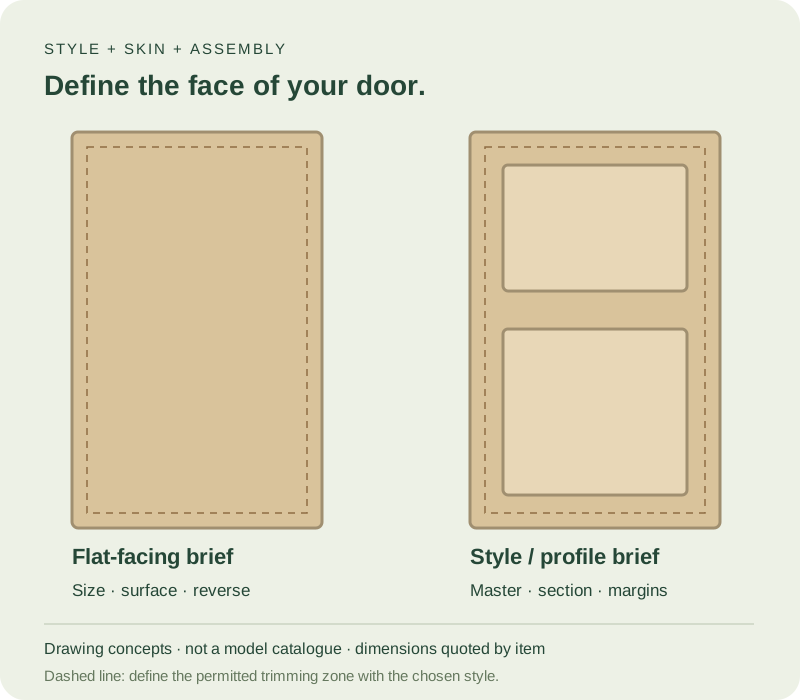
Separate the nominal door-leaf size from the skin’s delivered size. Mark the permitted trimming zones and the relationship between the visible pattern and finished edges.
| Style and mould | Model/sample reference, flat or moulded requirement, panel/profile arrangement, pattern positions and drawing revision. |
|---|---|
| Skin dimensions | Delivered width/height, nominal material thickness, overall formed depth, measuring positions and requested tolerance. |
| Surface and reverse | Smooth/textured reference, bare/primed or requested finish, decorative master and bonding-side requirements. |
| Door assembly | Leaf dimensions, frame/core, adhesive/process, supports, front/back combination and permitted trimming. |
| Material documents | Fibreboard designation, density/method, emission requirement, material condition and proposed finished-skin data. |
| Order schedule | Skins or paired sets, quantities by style/size, tooling/sample requirements, protection and destination. |
Model, thickness, density, format and finished tolerances are confirmed for the proposed skin. Keep a flat-sheet thickness separate from the depth of the formed profile.
Keep four different dimensions on the same drawing.
Scroll horizontally to compare all columns.
| Dimension | Specify | Connect to the assembly |
|---|---|---|
| Finished leaf size | The completed door width, height and thickness at the stated finishing stage. | Frame clearance, edge construction, hardware and installation detail. |
| Delivered skin size | Width/height, edge datum, top/bottom orientation and allowed trimming zones. | The position of the style within the completed perimeter. |
| Material thickness | Specified measurement locations on the flat or formed component. | Bonding, pressing and the completed leaf section. |
| Formed profile depth | Section through the moulded feature, measuring reference and overall geometry. | Core/frame clearance, support and the pressing arrangement. |
Mark the style’s position relative to the finished perimeter and any hardware or glazing openings. Include permitted trimming at each edge and the profile margin that must remain. A delivered oversize does not describe how far every model can be trimmed.
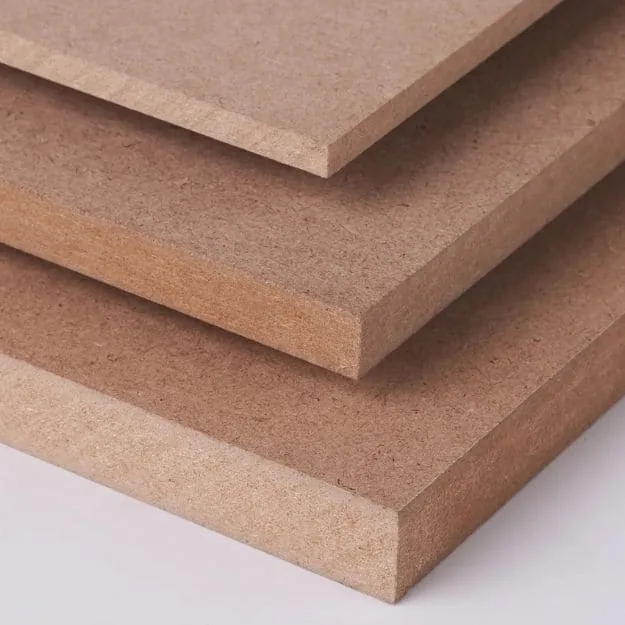
Identify the fibreboard designation and requested density information with the actual skin. Keep the face texture, reverse and surface preparation with its model and gauge. The quotation confirms available combinations and dimensions for that item, rather than borrowing the base-sheet range of ordinary MDF.
A STYLE REFERENCE YOUR TEAMS CAN SHARE
Choose the face. Define what arrives at the workshop.
Flat skin requirement
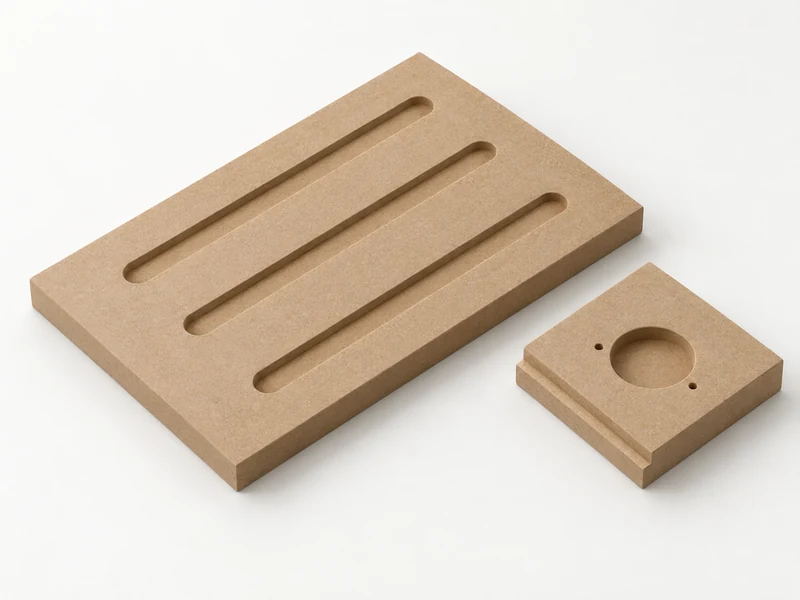
Describe the flat facing, material thickness, surface quality and preparation needed for your finishing route. Include the reverse and bonding area in the sample review.
Moulded or shaped requirement
Send the exact panel/profile arrangement, section and style master. Model matching, mould/tooling needs, formed geometry and sample scope are confirmed with the quotation.
Texture and delivered finish
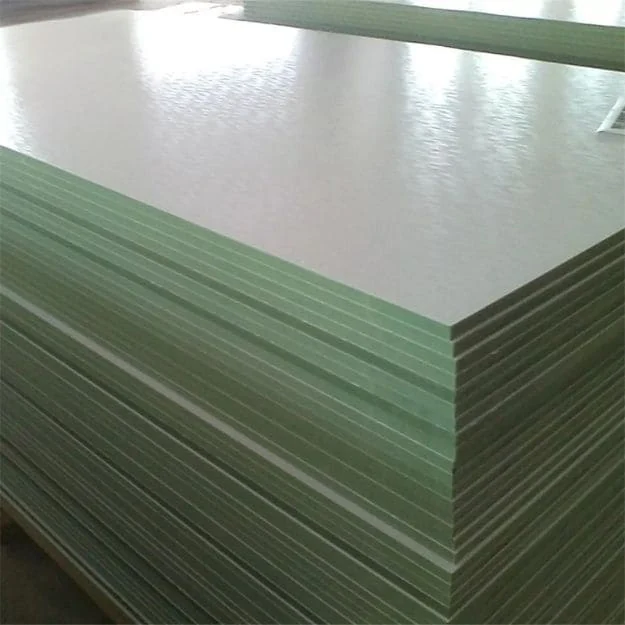
Specify a smooth or textured reference and the desired bare, primed or other surface treatment. Evaluate the profile and reverse together with the intended final coating.
Use the proposed physical sample to select a model. The illustrative drawing on this page is a purchasing brief; it is separate from the model, surface and dimensions confirmed for your order.
Choose the trial or order your production team needs.
Use a style piece to review the visible surface, and a full-size skin pair to review the assembled door. Keep both references with the same model, size and delivered treatment.
Scroll horizontally to compare all columns.
| Buying decision | Compare before ordering | Your next step |
|---|---|---|
| Style and delivered surface | Compare the exact panel/profile layout, smooth or textured face, bare or primed treatment and bonding side with your intended final coating. | Request a style trial |
| Full-size skin pair and assembly | Trial the front/back pair with your actual frame, core and adhesive. Review profile support, trimming, cured finish, flatness and fittings at the finished door dimensions. | Request a full-size trial |
| Model geometry and material data | Request delivered skin size, thickness at named positions, formed section and allowed trim zones. Keep skin material data and any completed-door classification separately identifiable. | Request model and skin data |
| Paired quantities for 200 doors | Use the schedule below: 150 moulded/moulded doors and 50 moulded/flat doors require 350 moulded plus 50 flat skins. Add size, treatment and separate reserve lines. | Quote the 200-door schedule |
A surface or profile piece helps select the model. The full-size trial also establishes how the chosen pair behaves through your bonding, pressing, trimming and coating sequence. Agree the trial format, feature protection and any tooling or assembled-door work with the quotation.
Keep the skin and door-leaf dimensions connected
Mark the leaf perimeter, skin oversize, trimming allowance and minimum profile margins on one drawing. Include top/bottom orientation and any different front/back designs so the sample and order schedule use the same reference.
Select the model at its delivered surface stage.
Scroll horizontally to compare all columns.
| Selection detail | Keep with the master | Trial on the door |
|---|---|---|
| Panel or profile model | Exact layout, panel positions, section, orientation and revision. | Finished perimeter, visual balance and front/back pairing. |
| Smooth or textured face | Physical surface reference and the desired final appearance. | Texture and corners after the intended coating sequence. |
| Bare or primed supply | Included preparation, primer identity where applicable and reverse condition. | Compatibility with the workshop’s final coating and bonding process. |
| Front and reverse combination | Two identical styles or separately identified facing components. | Complete assembly, fit, finish and paired item quantities. |
Keep the exact style model with its selected size. A similar-looking panel arrangement may have different edge margins, profile depth or pattern positions. Use the measured skin and section to compare a proposed match with the frame/core and finishing route.
For a primed item, identify the delivered treatment and the final coat to be applied. Include the bonding side and any preparation required there. Retain the selected face and reverse references instead of pricing a decorated front independently of its assembled door.
COMPARE OPTIONS
Your selection at a glance
Style and geometry
Model/master, flat or shaped face, skin size, formed section and trimming zones specified for the item.
Surface and assembly
Define texture, bare/primed or requested finish, reverse, frame/core and bonding/finishing trial.
Documents and order
Request the proposed skin material data and relevant completed-door documents; count quantities in skins or paired sets.
A SAMPLE THAT FOLLOWS YOUR PRODUCTION
Review the style, then trial the assembled door.
- Share the masterSend the face/profile drawing or model reference, leaf size and desired surface preparation.
- Review the representative skinCheck pattern position, texture, formed section, reverse and the proposed delivered dimensions.
- Run the assembly detailEvaluate bonding, pressing, trimming and final finishing with your own frame/core and process; retain the selected sample and drawing.
Samples are free; the buyer pays freight, with a possible credit toward a later order. Specify a finish/profile piece or full-size skin and the trial you need. Confirm the sample format and packing, with any tooling or assembled-door mock-up scope agreed separately in the quotation.
Trial the bond, trim and finish on the intended assembly.
Record the skin, frame/core and adhesive identities with the pressing process. Use the adhesive supplier’s instructions and your production arrangement to define the trial. Check support around formed details, the bonded result and the completed leaf after the agreed release and finishing stage.
Trim within the proposed model’s agreed zones, then review edge/profile position, flatness, hardware fit and the cured finish. Inspect corners and textured or moulded areas as well as the broad face. Retain the selected skin and completed-door reference with their model and drawing issue.
Acceptance worksheet
Keep the model and the assembled result on the same record.
Open the MDF door skin review worksheet
| Check | What to record |
|---|---|
| Model identity | Style/mould reference, physical master, drawing revision, orientation and front/back arrangement. |
| Delivered geometry | Skin width/height, material thickness, formed depth, measuring positions, tolerance and trimming zones. |
| Surface and reverse | Texture, finish/primer identity, profile appearance, bonding-side condition and final coating trial. |
| Assembly trial | Frame/core, adhesive and process references, bond observations, trimming, fit and finished flatness. |
| Documents and scope | Skin data, emission method, required completed-door documents and any proposed assembly change. |
| Order reference | Accepted master, quantities in skins/sets, model/size labels, packing and repeat-order item revision. |
| Trim and profile position | Skin versus leaf size, allowance at each edge, remaining pattern margins and orientation after trimming. |
| Paired quantity | Front and back item codes, skins per door, assembly count, reserve lines and quantities by model. |
MATCH THE DATA TO THE COMPONENT
Request the proposed skin’s own technical information.
Connect the material designation and finished-skin data with the selected style, thickness, density and surface treatment. Include your required emission method and destination documentation in the inquiry.
For a performance door, match the skin to the complete door or doorset documents, including frame/core, hardware, seals, finishing and installation. A skin’s material data and a completed door’s classification describe different scopes.
Technical reading for the assembly discussion
The European Panel Federation’s interior-door guidance describes MDF use in door facings and assemblies. Use it as general context, then request the proposed skin’s actual data and discuss the finished door with your assembly team.
Keep component data and completed-door requirements connected.
Request the proposed skin’s material identity, model, measured geometry, density information, dimensional limits and emission method. Add the delivered primer/coating and bonding-side information with the selected finish. Keep these records with the same model and size used for the assembly trial.
UL’s fire-door test overview describes tests of door assemblies, including UL 10B, UL 10C and EN 1634 routes. For a specified fire door, connect the selected skin to the required complete-door documentation and construction. The component quotation does not by itself assign a fire rating to a door your team assembles.
Identify changes to frame/core, skin, adhesive, hardware, seals, glazing or installation with the door manufacturer and relevant project specialist. Request the documents for the actual performance scope; retain acoustic, service and emission requirements separately where they apply.
Product data & reports to request
Request a technical data sheet covering:Fibreboard designation/density, material thickness, formed depth, delivered dimensions, model and surface/reverse preparation.Include these specification details:- Material identity, density/thickness data and finished model/dimension schedule
- Face, reverse, primer/coating information and assembly/bonding requirements
- Relevant finished-component reports, method, material condition and intended door application
Company documents to view
FSC chain of custody Wood panels · purchase & salesISO 9001 & ISO 14001 Management systems · stated sales activitiesUse these for supplier qualification; match product performance to the proposed panel’s technical documents.MDF door skin material, model and assembly requirements: what to match
- Proposed skin identity
- Fibreboard designation/density, material thickness, formed depth, delivered dimensions, model and surface/reverse preparation.
- Style and assembly
- Physical master, pattern/profile drawing, trimming zones, leaf/frame/core and bonding/finishing trial references.
- Documents and order
- Required emission and finished-skin data, completed-door documentation scope, skins/sets, model/size labels and packing.
BEFORE YOU ORDER
Ordering information
- Minimum order
- 1 container
- Regular lead time
- 10–15 days
- Samples
- Free samples
- Quotation terms
- FOB / CIF
Sample freight & order notes
- Minimum order: Mixed loads available.
- Regular lead time: Production; shipping time is additional.
- Samples: Buyer pays freight; credit available on a later order.
- Quotation terms: Name the port in your inquiry.
PROTECT THE FACE AND THE PROFILE
Keep matching skins identifiable until assembly.
Specify protection for faces, formed features, edges and corners, with suitable support and separation for the proposed model. Keep styles, sizes, orientation and matching sets labelled by item.
Give your receiving team the pack list, model/dimension schedule and chosen sample. Check counts in the agreed unit, visible transport condition, face preparation and geometry before bonding or finishing.
For FOB, confirm the shipment port; for CIF, name the destination port. Add pack/handling limits, unloading equipment and target receiving date with your incoming-component checks.
Deliver the pairing information with the packs.
Label each model and size, with top/bottom or front/back references where they affect assembly. Keep counts in individual skins even when sets are grouped for handling, and identify separately packed reverse faces. Discuss support and protection for the actual formed geometry.
At receiving, check model, quantity, skin dimensions, face/reverse condition and the agreed profile before bonding. Keep observations with the bundle label and item drawing. For repeat supply, record changed model, material, preparation or assembly requirements against the retained master.
THE FACE OF YOUR NEXT DOOR RANGE
Bring the door style into your production brief.
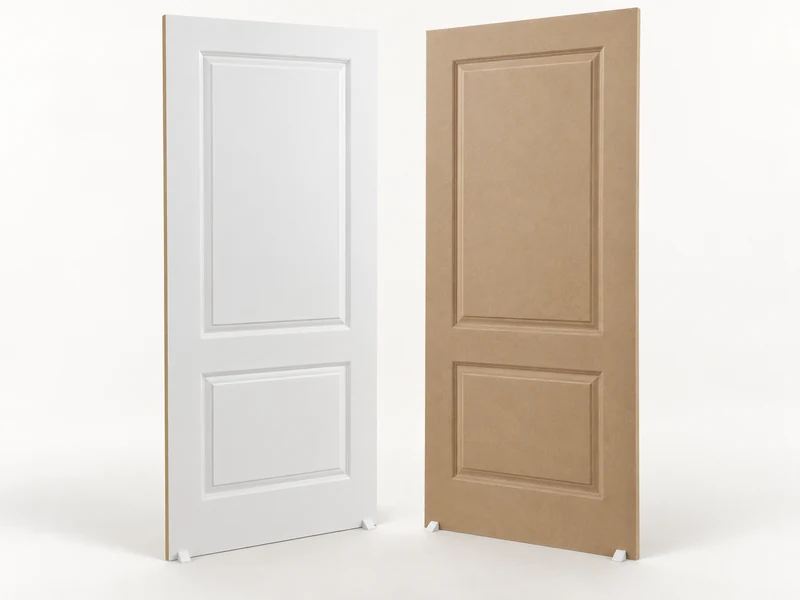
The door skin sets the visible face your customer chooses. CUZI supplies MDF door skins for project orders, with the style, finished dimensions and delivered surface specified for your assembly.
Send a model reference, face drawing or physical style sample. Include the door-leaf dimensions, proposed frame/core and finishing process so the quoted skin can be considered as part of the door you manufacture.
Identify the facing component you want supplied and the complete door construction you plan to assemble. This page covers door skins; use the MDF machining route for separately routed cabinet fronts or other drawn components.
Give the production team the same style your customer selected, at the dimensions your assembly needs. A clear model reference, a section and a front/back schedule make the first quotation more useful than a style photograph alone. Connect the skin’s visible detail with the frame, core and final coating from the start.
FROM THE SAMPLE TO YOUR DOOR RANGE
Which part of the door program are you buying for?
Interior door production
Match the facing style with the intended frame, core and leaf construction. Run the proposed skin through the assembly and finish process used in production.
Private-label style ranges
Define the physical master, model/size schedule, face texture and delivered preparation. Keep matching front/back arrangements and repeat-order references identifiable.
Project door schedules
List skins by the door manufacturer’s item and revision. Add the finish scheme, sample needs and any completed-door performance requirements relevant to the assembly.
For exterior, fire-rated, acoustic or other performance door projects, provide the complete assembly specification and required documentation with the skin inquiry.
Turn a style range into distinct production items.
For a private-label range, give each model, size and surface preparation a code with its physical master. Mark the intended front/back combination and orientation. Keep the same item on the drawing, quotation and pack list so the production team can select the correct pair.
For a project door schedule, identify which door sizes or assemblies use each facing. Include any change to the core, glazing, hardware or edge construction that affects the skin detail. Treat a routed cabinet front as a separately drawn component when it follows a different production route.
FROM A STYLE PHOTO TO A QUOTABLE ITEM
A painted interior door skin brief.
- Face design
- Model reference, panel/profile positions, texture and the physical style master to compare.
- Delivered component
- Skin dimensions, formed section, reverse, surface preparation and permitted trimming.
- Assembly reference
- Leaf size, frame/core, bonding process, front/back pair and final finishing trial.
- Purchasing schedule
- Quantities by model/size, skins or sets, material documents, packing, FOB/CIF and receiving date.
A photograph starts the style discussion. The selected physical sample and item drawing establish what your buying and production teams should compare and order.
Put the requested oversize beside the finished perimeter.
For a planning drawing with a 900 × 2100 mm finished leaf and a requested 920 × 2120 mm delivered skin, centring the skin gives 10 mm geometric oversize at each edge. These dimensions describe the request, not an available format or permission to trim a specific moulded model.
Scroll horizontally to compare all columns.
| Direction | Delivered skin | Finished leaf | Oversize per edge |
|---|---|---|---|
| Width | 920 mm | 900 mm | 10 mm |
| Height | 2120 mm | 2100 mm | 10 mm |
Place the proposed profile on that perimeter and confirm the trimming zones and remaining margins with the selected model. Include top/bottom orientation and any off-centre pattern. Use the full-size trial to check the resulting appearance and assembly before fixing the item.
For a separate flat-section calculation, two stated 3 mm facings and a 38 mm frame/core section add to 44 mm before adhesive and final coats. The figures are planning inputs, not stock gauges. A moulded feature needs its own section and core clearance; the flat sum does not describe its formed depth.
BUY BY STYLE, SIZE AND SET
Make the order follow your door schedule.
Start with one container and combine product lines in a mixed load. List each model, size, surface treatment and quantity separately. State whether quantities mean individual skins or paired front/back sets.
Regular production is 10–15 days, with shipping additional. Confirm the schedule against model/mould selection, tooling, samples, finishing scope and final drawings for your order.
For repeat programs, keep the accepted master, material and delivered finish tied to each item revision. Use wholesale MDF purchasing for your wider board and component schedule.
Convert doors and paired sets into individual skin lines.
Consider a 200-door schedule: 150 doors use the same moulded style front and back, while 50 use that moulded front with a separate flat reverse. Assuming two skins per door, the required quantities are 350 moulded skins and 50 flat skins, 400 skins in total before reserve.
Scroll horizontally to compare all columns.
| Door combination | Door count | Moulded skins | Flat skins |
|---|---|---|---|
| Moulded front + moulded back | 150 | 300 | 0 |
| Moulded front + flat back | 50 | 50 | 50 |
Keep size and surface treatment on each of those lines, and show spares separately. A quote for 200 skins and a quote for 200 front/back sets describe different quantities. State the unit in the price, purchase order and packing list.
Compare usable completed doors at the same stage, including the chosen skin pair, material, assembly work, coating, protection and delivery point. Keep trial, model/tooling work and remaining workshop operations visible when comparing offers.
FAQ
MDF door skin buying questions.
Does CUZI supply MDF door skins?
Yes, for project orders. Send the style/model reference, skin and door-leaf dimensions, surface requirement and intended assembly. The proposed model, material and supply scope are confirmed with quotation.
Can I request a moulded or smooth design?
Provide the exact style, profile and smooth/textured reference. Model matching, tooling, sample geometry and delivered finish are confirmed for the item you want to purchase.
Which sizes and thicknesses can I order?
Send skin width/height and the required material thickness, with overall formed depth and the final leaf size. Dimensions, tolerances and trimming allowances are quoted for the selected model.
Is a door skin the same purchase as a complete door?
A skin is the facing component specified for your assembly. Define any additional components separately; frame/core, hardware, finishing and installation belong to the complete door or doorset specification.
Does an MDF skin establish a fire or acoustic door rating?
For a rated door, provide the required completed-door construction and documentation. Match the proposed skin and any material change with the frame/core, hardware, seals and installation described by that assembly’s reports.
Can I request a sample?
Yes. Specify a finish/profile piece or full-size skin and the assembly trial you need. Samples are free with buyer freight. Confirm the full-size sample format and packing, with any tooling or assembled-door mock-up scope agreed for the project.
How should I list the order quantities?
List each model and size separately. State individual skins or paired front/back sets, with orientation, finish and pack/item labels.
How do I specify MDF door skins?
Send the model or style master, skin and finished-leaf dimensions, profile, surface and assembly references. Confirm material, tolerances, sample scope, skins/sets and packing with the project quotation.
SEND THE STYLE. DEFINE THE COMPONENT.
Start your MDF door skin quotation.
A model reference, sketch or item list is enough to begin. Add the assembly and finishing details you have, then use this outline to coordinate the next question.
Open the MDF door skin inquiry outline
Product: MDF Door Skins
Style: [model / mould / physical master]; [flat / shaped]; [smooth / texture]; [drawing revision].
Skin: [delivered width × height]; [material thickness]; [formed depth / measuring positions]; [tolerance].
Leaf: [finished door size]; [frame / core]; [front / back combination]; [orientation / trimming zones].
Surface: [bare / primed / requested finish]; [reverse / bonding side]; [final coating].
Trim reference: [allowance at each edge; profile margins; finished perimeter and orientation].
Trial: [finish / profile sample or full-size skin]; [bonding / assembly process]; [retained master].
Documents: [fibreboard designation / density]; [emission method]; [required completed-door reports].
Quantity: [skins / paired sets]; [quantity by model / size]; [item and pack labels].
Price unit: [individual skins / paired sets; skins per door; front/back item codes and reserve lines].
Delivery: [FOB / CIF]; [port]; [receiving date]; [feature protection / handling].