
On this page
BB/CC and C/D plywood: choose each viewing side
BB/CC means a BB face with a CC back; C/D means a C face with a D back. These are face/back appearance descriptions. Choose the veneer and permitted features for each side under its intended finish, then specify the core, bond and dimensions separately.
A cabinet interior, shelf underside and exposed cut edge can all be visible. Mark those areas on the component drawing before selecting the grade. The surface that remains visible after assembly deserves the corresponding appearance selection.
- Mark visibility: include the cabinet interior, undersides, service openings and finished cut edges.
- Describe the range: actual grain/colour, repairs, joints and surface preparation by side.
- Keep the construction: specify inner veneers, dimensions, bond and relevant documents separately.
How to read a face/back grade
In BB/CC and C/D, the first designation is the face and the second is the back. The written grade basis defines permitted features and repairs. Use the offered supplier definition or named grading system with a physical range sample; letters from different systems do not have an automatic equivalence.
Scroll horizontally to compare all columns.
| Description | What it identifies | Still specify separately |
|---|---|---|
| BB/CC | BB face and CC back within the stated appearance definition. | Species, repair range, finish, inner core and bond. |
| C/D | C face and D back within the stated appearance definition. | Visible locations, permitted repairs and preparation for covering or finishing. |
| CP in the ECQA report below | The appearance basis named for that inspected all-birch shipment. | The grade and acceptance requirements of your own order. |
| Birch-faced / all-birch | Face species / construction through the veneer layers. | The appearance grade on each side and the required finished edge. |
- Face
- The designated front veneer. Connect it to the visible side marked on your component drawing.
- Back
- The reverse veneer. It can still be visible inside a cabinet, below a shelf or behind an open door.
- Grade basis
- The named system/edition or written supplier description covering the offered side, permitted features and repairs.
- Core and bond
- Specify the inner veneers and bond alongside the visible surface so the panel suits both the appearance and working requirements.
Compare codes within the same grading system
An imported hardwood BB/CC offer and an APA A-C or B-C panel designation belong to their stated systems. Compare their written requirements and proposed products rather than treating the letters as an automatic cross-system equivalent. APA’s plywood selection guide distinguishes veneer/appearance selection from standards, bond classification and performance information.
Similarly, paint-grade, stain-grade, natural colour selection or veneer matching can describe different appearance needs. Columbia Forest Products explains those veneer selection terms in its own product context. For your CUZI item, agree the actual species, cut, range and finish reference supplied with the quotation.
Continue with how to inspect plywood core quality.
Choose the grade around visible faces and finish
Use the assembled component drawing to identify every viewing surface. A cabinet side may have a covered outside and a visible inside; an open shelf may show its underside and front edge. Define those areas before assigning the face/back pair or deciding that the reverse can take a lower appearance selection.
Scroll horizontally to compare all columns.
| Component route | Write the viewing requirement | Sample and buying decision |
|---|---|---|
| One visible broad face | Designated show face, intended finish and neighbouring surface; reverse location and any locally visible area. | Compare the show face and the actual reverse separately; retain the finished edge and fitting detail. One-face finish trial |
| Open shelf or both visible faces | Top/underside or front/reverse, viewing direction, colour/grain relationship and exposed edges. | Review both sides of the actual panel under the finish and light; specify separate side requirements if different. Both-side birch trial |
| Painted component | Visible faces and profile, allowed preparation/filled features, coating system and finished appearance. | Trial representative repairs and the cut edge through preparation, primer/topcoat and cure. Painted repair trial |
| Covered carcass or partition | Covering/adhesive, surface preparation, reverse, local openings and uncovered edges. | Judge covering/bonding and finished fit alongside appearance; review locally visible cuts or openings. Covered-component trial |
| Distributor stock line | Offered species/grade definition, representative range, declared construction and customer-use selection. | Keep the chosen front/back range and item/bundle identity with the stock code. Separate another appearance option in the quotation. |
A lower back selection can be a useful price alternative on a concealed surface. Compare the extra sorting, covering or finishing work it adds against the saving. Keep the show face, core, thickness and bond fixed unless the quotation explicitly proposes a separate construction alternative.
Choose BB/CC or C/D and the finish you need
CUZI commercial plywood is available with BB/CC or C/D face/back selections. Compare the proposed definition and physical range for your chosen veneer and finish. These grade names are buying options; the order’s permitted repairs, side requirements and actual component trial make them usable.
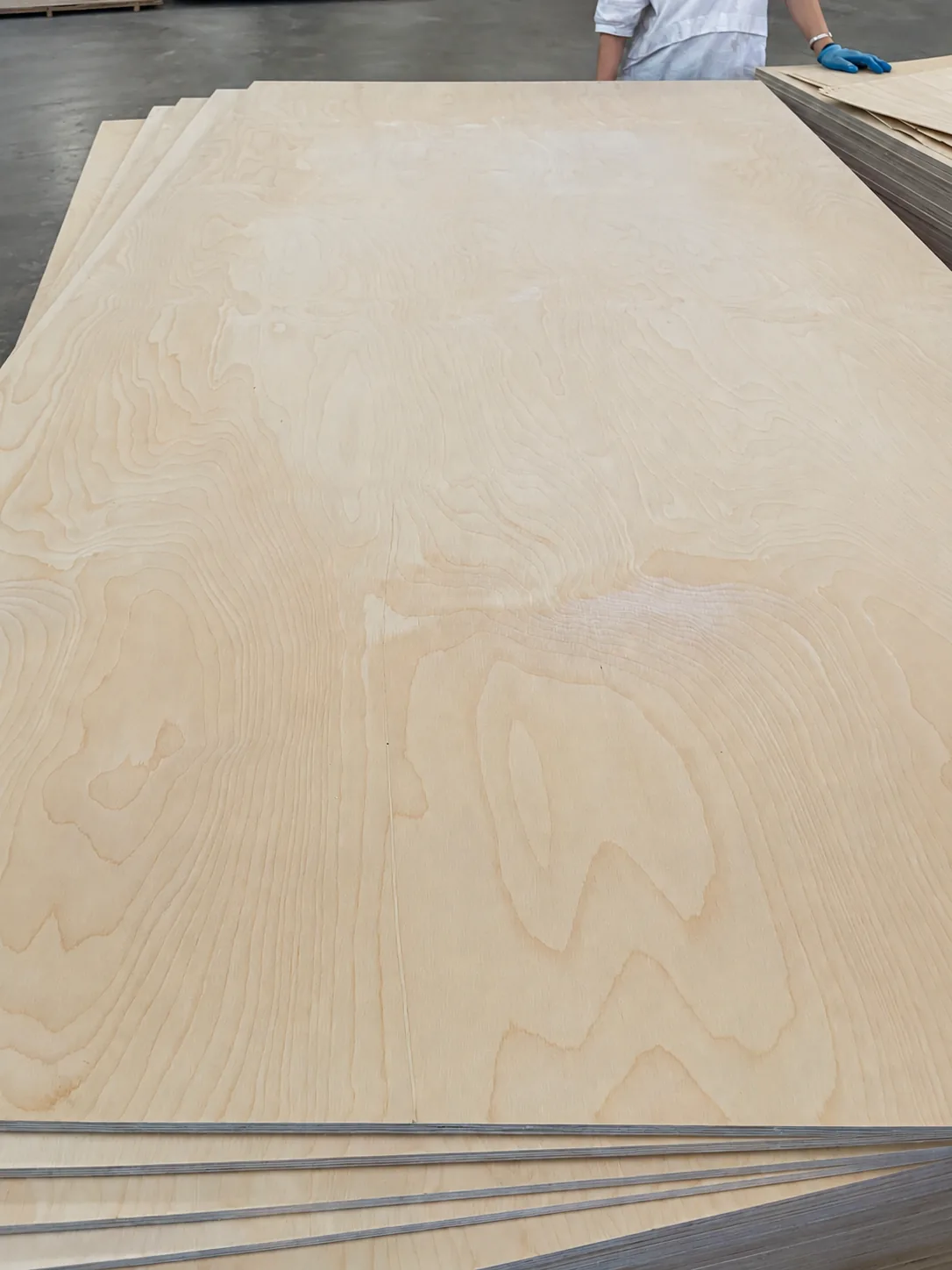
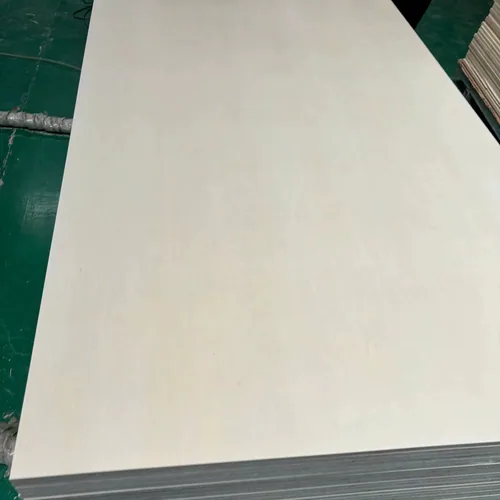
BB/CC · BB face, CC back
Ask for the offered BB front and CC reverse separately. Review representative natural features, repairs and supplied preparation under the intended finish. Confirm which side is visible on the drawing and whether the reverse also needs an appearance requirement.
BB/CC face/back sampleBB/CC grade descriptionC/D · C face, D back
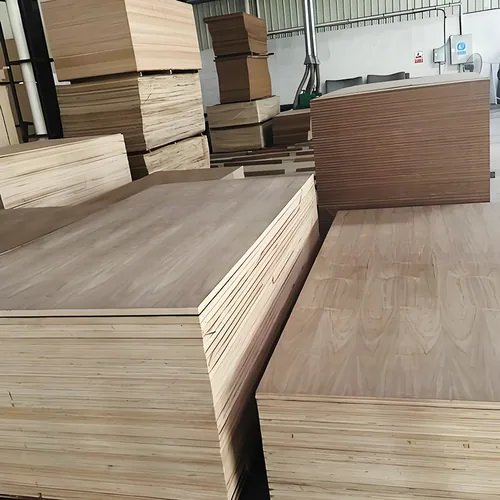
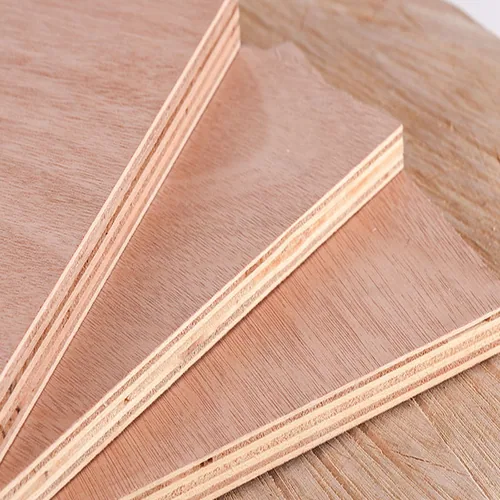
Ask for the offered C front and D reverse with the applicable repair and preparation description. Evaluate visible areas, covering, cutting allocation and any extra finishing work against the same finished part. Keep a different selection as a separate price alternative.
C/D component sampleC/D grade descriptionCommercial plywood offers 3–30 mm with poplar, birch or eucalyptus core choices and E0/E1 options. Plywood regular sizes are 1220 × 2440, 1250 × 2500 and 1525 × 3050 mm; sizes such as 1220 × 3050 and 1250 × 3660 mm are on request. Keep the nominal/finished dimensions, full construction and required methods with the grade schedule.
For the construction behind the appearance, read the plywood manufacturing guide. Connect the face/back record with the inner veneer schedule, bonding requirement, sanding scope and working sample for that purchase item.
Example: one cabinet, three visibility requirements
Worked buying example: adapt the schedule to your chosen veneer, grade and finish.
A buyer is preparing a cabinet order with different viewing surfaces. The base construction, dimensions and performance requirements stay fixed while the appearance needs are described by part.
Scroll horizontally to compare all columns.
| Part | Face / back decision | Complete sample check |
|---|---|---|
| Side panel | Outside covered; inside visible when the door opens. Define the inside-face selection and the surface used for the covering. | Apply the actual inside finish and outside covering; inspect the edge, opening and fitting area. |
| Open shelf | Both broad faces and front edge visible. Specify the required range for each side and its relationship to the adjoining parts. | Review the top, underside and finished front edge together, including a representative repaired area where permitted. |
| Concealed back | Hidden after assembly except at service openings. Mark the local viewing area before proposing a lower appearance selection. | Check the opening/edge, attachment, remaining section and any covering work; keep the actual core and fit requirements. |
What this means for the order
The order can have different appearance selections with clear reasons. Compare separate item prices and sorting effort with a single stock item that meets all three uses. The choice should preserve the required construction and finished output. Use the same-specification quotation and processing-cost guide to keep any lower back grade or finish change visible.
Specify colour, knots, patches and preparation
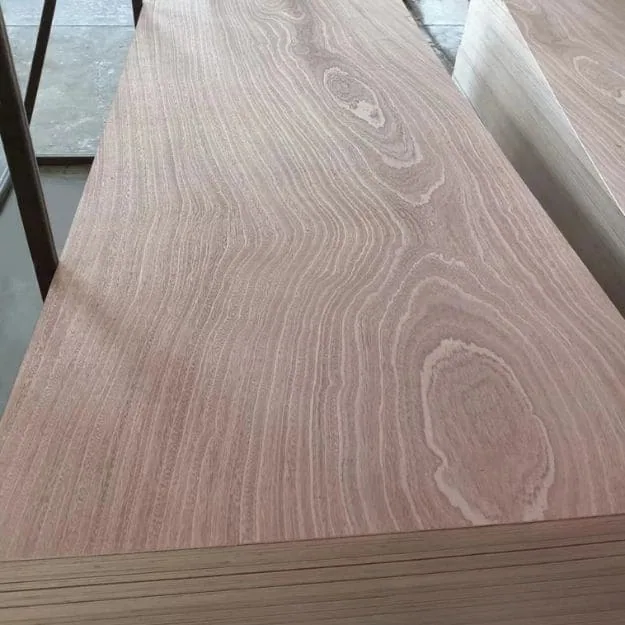
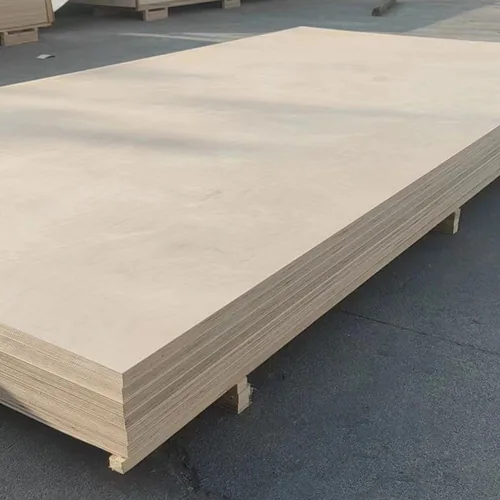
Use full-face photos, close-ups and finished samples to agree the appearance range. Show which features are welcome and which should be kept away from visible parts.
Scroll horizontally to compare all columns.
| Feature | Describe the permitted range | Check under the intended finish |
|---|---|---|
| Colour and grain | Species/cut, representative light/dark or natural colour range, grain/figure, joints and any matching requirement. | Compare clear, tinted or painted appearance and adjoining pieces in the agreed viewing direction/light. |
| Knots and other natural features | Which feature types are allowed, their condition and the agreed location/size/frequency basis. | Decide what can remain on a visible part, what must be cut around and what belongs on a concealed side. |
| Veneer patches or plugs | Repair type, material, colour/grain relationship, shape/position, surface level and side-specific limits. | Coat a representative repaired and unrepaired area together; inspect the outline, texture and finished transition. |
| Filler, splits and joints | Permitted filling/repair, joint condition, colour, preparation and any open-feature restriction in the offered grade. | Review the actual repair with your coating/covering supplier and the component’s intended use. |
| Surface preparation | Supplied sanding/preparation, visible tool or handling marks, veneer gauges and work your workshop will complete. | Trial preparation on the offered construction; keep remaining veneer, final gauge and fit with the drawing. |
| Edges and local openings | Finished cut edges, holes/recesses, lipping/banding, local exposed face/back areas and permitted repairs there. | Review the actual routed/cut detail, core edge, repair and covering or coating as a complete component. |
Make the limits part of the purchase description
Agree the actual type, size, frequency and location limits with the quoted selection and drawing. Keep natural colour/grain range separate from repair acceptance. Where a feature can be removed by cutting, show that allocation in the reviewed layout so the usable quantity and price comparison remain consistent.
Label the raw and finished samples with the same item reference. Record preparation and coating, and compare physical samples alongside photographs under consistent lighting.
Read the full face, edge and proposed sample together
Ask for a photo set that answers the grade question
Request labelled front and reverse photographs of the proposed selection, plus a full-panel view and close-ups of representative knots, patches, filler, joints or other permitted features. Include a scale where the appearance limit depends on size, and identify the same item/sample in each view. A clean area and a repaired area should both be included in the range.
For a finish decision, keep the raw, prepared and cured views of the same detail. Compare the actual coating, sheen, edge and light with the retained physical sample. If both sides are visible, ask for the same review on the reverse, rather than assuming it matches the front photograph.
ECQA all-birch shipment: actual appearance inspection
ECQA inspected 2500 × 1250 mm all-birch panels in 21, 24 and 30 mm with a CP appearance basis. The record below shows its sampled workmanship findings and PASS conclusion. Use the record to see how a shipment check is documented; specify your own BB/CC or C/D appearance and finish in the order.
Scroll horizontally to compare all columns.
| Inspection field | Recorded finding | Use in your grade order |
|---|---|---|
| Product description | 100% birch plywood; WBP; phenolic E1 glue | Keep the named veneers, bond and glue description beside the selected panel and required product documents. |
| Appearance basis | CP grade | Name your offered BB/CC or C/D grading basis, permitted features and front/reverse physical range in the purchase description. |
| Workmanship sampling | 80 panels across the three thicknesses | Agree the inspected item quantities and face/back checks with your own order schedule. |
| AQL plan | Critical: not allowed · Major: 2.5 · Minor: 4.0 | Define the check plan and defect descriptions with the selected appearance and component requirements. |
| Defects recorded | 0 critical · 0 major · 2 minor | Retain the observed item, side, feature and inspected quantity with the report conclusion. |
| Minor findings | 24 mm: surface dirt · 30 mm: remaining material not removed | Specify the supplied surface preparation and inspect the selected finish, machined edge and locally visible reverse. |
| Report conclusion | PASS | Carry the recorded inspection and selected item references into dispatch and receiving. |
Choose the range your finished part needs.
Spend on the faces your customer sees, and include the preparation needed to achieve that finish. For a clear-coated part, retain representative grain, colour and repairs with the actual reverse. For a covered part, include the covering, adhesive, local openings and edge. Quote any change in face selection or finishing work as its own item.
BB/CC · visible-face selection
Request an 18 mm birch-faced, poplar-core panel at 1220 × 2440 mm. Review the proposed BB front and CC reverse, permitted repair range and complete clear-coated detail against your drawing.
Request 18 mm BB/CC dataTry 18 mm BB/CCC/D · covered-component selection
Request the same 18 mm format, birch face and poplar core with the proposed C front and D reverse. Review the covering process, permitted repairs, visible openings and complete edge before choosing the item.
Request 18 mm C/D dataTry 18 mm C/DThese requests retain the face, core, grade pair, thickness, sheet format and intended finish in the form. Add your component dimensions, quantities and required bond or emission documents. For the all-birch construction in the ECQA record, request 21 mm all-birch data with your own appearance requirements.
Connect the selected face/back range with the construction and cut-core records, then carry the retained sample and check plan into the receiving inspection.
Choose the appearance and panel performance you need
List dimensions, core and performance requirements alongside the face grade. This lets you compare an appearance alternative while keeping the rest of the panel specification consistent.
Scroll horizontally to compare all columns.
| Buying question | Request for the quoted item | Keep with the component |
|---|---|---|
| Appearance selection | Face/back species and cut, grade basis, permitted features/repairs, gauges/preparation and actual sample/photo range. | Marked viewing sides, intended coating/covering, actual edge and retained finished range. |
| Core and dimensions | Full layer/species/gauge schedule, nominal and measured dimensions, tolerance/measurement basis and supplied processing. | Cut/profile/hole details, remaining veneer/section, fitting and finished-part checks. |
| Required performance and documents | Relevant bond, emission, physical or other named method/results and applicable proposed model/construction. | Intended service, destination, required project documents and actual sample/item reference. Grade letters alone are not the performance specification. |
For birch, separate a birch face/back choice from the inner core: compare the offered birch constructions with the same appearance and drawing. For exposed edges, the plywood edge-finishing guide connects the layer edge with the finished component.
A face/back purchase schedule ready to complete
Start with the viewing-side sketch, the offered grade pair and finish. Add the appearance questions you want resolved in the proposed sample. That gives the quotation and workshop teams one clear item to discuss.
Example: a cabinet side with the inside face visible
Component: cabinet side, inside clear-coated, outside covered. Panel request: 18 mm, 1220 × 2440 mm, birch-faced plywood with poplar core. Appearance: request the proposed BB face for the visible inside and CC back for the covered outside; compare the permitted repair range under the actual finish. Edge: front edge banded; service openings shown on the drawing.
Complete the quantity, dimensional tolerance, bond and emission requirements for your order. If the outside or a cut edge remains visible, add its own appearance requirement before choosing the grade.
Item / drawing revision / part and viewing-side sketch:
Face species / cut / proposed grade and grading basis:
Reverse species / proposed grade and grading basis:
Natural colour / grain / matching range by side:
Permitted knots / patches / filler / joints and side-specific limits:
Supplied preparation / actual veneer gauges / remaining workshop work:
Coating or covering, reverse treatment and finished edge:
Full core / layer / bond / emission method and required documents:
Thickness / sheet or part dimensions / tolerances / quantities:
Full-view and feature photos / physical sample / finished reference:
FOB or CIF named port, item/bundle labels and receiving date:
- Item code and drawing with viewing sides marked.
- Face and back definition, including permitted repairs.
- Coated reference, physical range and sample identity.
- Construction fields that stay fixed if an appearance alternative is quoted.
Review the relevant product guide and prepare your inquiry files. Use the complete plywood RFQ checklist to connect the grade schedule with the remaining order fields.
Send a face/back grade schedule
Carry the chosen appearance into delivery and repeat orders
Keep the grade definition, front/back range, complete construction, finish and drawing revision under the same stock or component code. Mark panels and cut parts so the workshop can retain the intended viewing side and grain direction. If a mixed container uses several selections, separate the item quantities and bundle identities.
At receiving, connect the delivered item and bundle labels to the order and sample references. Follow the agreed inspection and acceptance plan for the broad faces, permitted repairs, dimensions and construction. If an appearance question arises, record the side, item/bundle, full view and close-up before cutting or refinishing changes the feature. Use the incoming panel inspection checklist to organise the record.
Keep the selected colour and grain range for repeat orders and adjoining fronts. If the veneer, preparation or coating changes, compare the new finished sample with that reference. Allow for natural variation between sheets.
Order conditions for the selected item
The minimum order is one container; mixed loads are available. Regular production takes 7–15 days, with sea transport additional. Request FOB Qingdao / Lianyungang or CIF to your destination port. Samples are free; courier freight is credited in full against your formal order.
Plywood face and back questions buyers ask
Can I read a plywood appearance inspection report?
Yes. The ECQA appearance record identifies 100% birch plywood in 21, 24 and 30 mm with a CP appearance basis. It records 80 panels checked for workmanship, 0 critical, 0 major and 2 minor findings, and a PASS conclusion. Open the full PDF, then include the selected BB/CC or C/D definition, front/reverse range and finish in your own inquiry.
Does a better face mean a better core?
No. Face appearance grade does not establish inner-core quality. Appearance selection and inner construction answer different questions. Keep the full core/layer/gauge/bond schedule with the face/back choice, and inspect the actual cut or fitted part where the internal construction affects the component.
Can the same panel serve all three parts?
Yes, if its proposed construction and appearance meet all the side-panel, shelf and concealed-back requirements. Compare one stock item with separate selections using the same accepted output, sorting effort and workshop process.
What does BB/CC or C/D mean in the quotation?
BB/CC means a BB face with a CC back; C/D means a C face with a D back. Agree the veneer and appearance range with samples of both sides under your intended finish.
Can I assume BB/CC matches an APA grade?
No. BB/CC must not be treated as an equivalent APA grade without a matching grading basis. Compare face grades using the same grading system and written appearance requirements. If a project calls for an APA designation or performance rating, include it separately in the panel request.
Are patches acceptable on a clear-finished face?
Yes, when the specified face grade and agreed finished appearance allow those repairs. Agree the repair type, size, frequency and location for visible components. Coat repaired and clear areas together to see how they look under your finish, then keep the chosen range as a reference.
Can a lower back selection save money?
It can be compared as a separately described alternative when the reverse is concealed or meets a different requirement. Include locally visible openings, bonding/covering, preparation and sorting work; keep the show face and full base construction clear.
Is one photograph enough to approve a grade?
No. One photograph does not show the full face/back selection or its finished appearance. Use full face and reverse photos plus close-ups of the features you want to discuss. For colour and finish, compare physical samples with your chosen coating and keep them as order references.
How do I specify an open shelf with both faces visible?
Mark the top, underside and front edge, then describe the required range and finish for each side. Review the actual both-face sample with its finished edge, adjoining pieces and viewing direction. Keep the core, dimensions and relevant service/fit requirements with that item.