
On this page
Set the finished veneer colour range for each group
A veneer range board identifies the accepted lighter, darker and figured faces after the intended preparation and coating. Assign that range to the parts viewed together: neighbouring doors, a continuous wall or separate-room furniture.
This page defines colour and figure limits and shows how selection affects complete pairs. Use the matching guide for leaf arrangement and the sequence guide for piece identities.
How much colour variation is acceptable in natural veneer?
The accepted colour range is the range shown by the identified, finished boundary samples for the named viewing group. Include a central target, accepted lighter/darker or figured boundaries, and an excluded reference where useful. State whether those limits apply within one panel, between adjoining panels or across separate rooms.
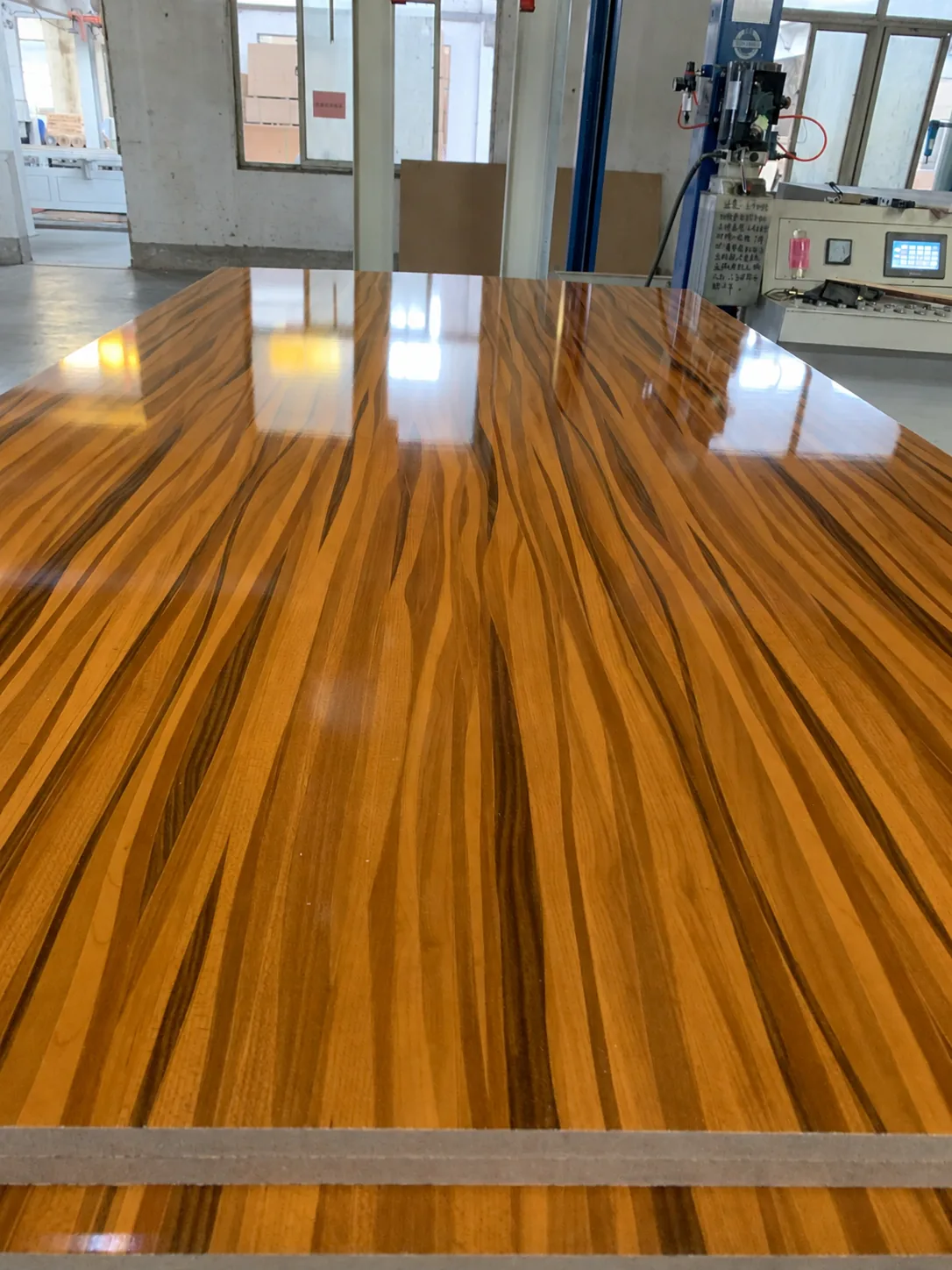
Photographs communicate sample identity and arrangement. Use physical finished references for the colour decision because cameras, screens and lighting change appearance. Keep the coating and viewing conditions with the selected range.
Make the appearance reference reproducible
A useful range board shows the target, accepted boundaries and relevant character features on the proposed finished material. Keep the sample identity attached to the preparation and coating record. Review both a single face and the faces that will be seen together; include the actual edge, trim or nearby surface when it affects the visual decision.
Scroll horizontally to compare all columns.
| Record | Compare | Purchase decision |
|---|---|---|
| Material identity | Actual species and cut; veneer/flitch or lot reference, face-side arrangement, supplied preparation and full front/reverse/core construction. | Ask the offer to identify the material allocated to the selected item. |
| Finish and reference | Sample code, preparation, stain/primer/topcoat identity, application sequence, cure stage and sheen; retain target and accepted boundary pieces. | Compare alternatives under the same selected finishing system or identify each changed system separately. |
| Viewing conditions | Project light, orientation, viewing position and adjoining surfaces; check the installed relationship from the intended direction. | Record the conditions used to choose the range and review a complete adjoining group. |
| Visible features | Define accepted grain/colour variation, sapwood/heartwood, repairs or character features by location and extent where relevant. | Link each condition to a physical reference and the stated visible face or component group. |
| Decision and custody | Reviewer/date/revision, accepted group, excluded reference, sample holder and retained duplicates or agreed master location. | Give purchasing, finishing, receiving and installation the same referenced selection file. |
Finish the selected material before narrowing the range
Stain can retain or emphasise differences in the underlying wood. VT Industries’ 2016 red-oak stain discussion illustrates variation remaining after the same stain. Try the proposed preparation and coating on several representative pieces before specifying the range. A raw-face grade and a finished appearance selection answer different purchasing questions.
For numerical colour or sheen requirements, agree the method, instrument settings/geometry, reference, measurement locations, conditions and decision limits with the supplier. Keep the physical range and adjoining-group review alongside those readings. This lets the offer respond to your actual acceptance method.
Select representative finished boundaries
Choose samples from the offered material, including its relevant grain, colour and character features. Apply the intended preparation and coating. Identify each piece, accepted boundary and excluded feature by location or extent; retain the physical references.
Apply the range to named adjacent groups
Mark which faces are neighbours and which are seen separately. A wider isolated-room range does not automatically fill a matched-pair shortage. Give purchasing, finishing and installation the same grouping drawing and range codes.
Example: approve five samples for two viewing groups
Chosen five-reference selection plan for neighbouring fronts and isolated furniture surfaces.
A cabinet project reviews five finished veneer references. Some panels will be adjacent; others will be installed in separate rooms.
Scroll horizontally to compare all columns.
| Item or observation | Record or compare | Next decision |
|---|---|---|
| Samples A–C | Accepted together for neighbouring cabinet fronts. | Use this narrower group for matched sets. |
| Sample D | Accepted for isolated furniture surfaces. | Keep it outside the adjacent-front selection. |
| Sample E | Outside the intended appearance. | Record the visible reason and retain the reference. |
What this means for the order
Record each reference as a project selection, assign it to the named component group and keep the agreed disposition through purchasing, sorting and installation.
Count the complete pairs available after selection
Extend the five-reference plan above with chosen allocation inputs: 30 candidate front blanks, a requirement for 12 neighbouring two-front cabinet sets, and separate-room surfaces. Suppose the reviewed A–C range provides 18 faces that can be assigned to nine complete pairs; eight D-range faces are allocated to isolated surfaces; four E-range faces are outside this selection. These are planning counts for the calculation.
Scroll horizontally to compare all columns.
| Record | Compare | Purchase decision |
|---|---|---|
| A–C adjoining range | 18 selected faces arranged as nine identified pairs; demand is 12 pairs = 24 faces. | The order still needs three complete pairs = six coordinated faces. |
| D isolated range | Eight selected faces for separately viewed furniture surfaces. | Allocate them to named isolated items; they do not fill the adjacent-pair requirement. |
| E outside selection | Four faces outside the chosen appearance range; total candidates 18 + 8 + 4 = 30. | Record disposition and price/credit treatment separately; review the additional material needed for complete sets. |
The adjoining-pair allocation uses 18 of 30 faces, or 60%. Nine complete pairs fill 75% of the twelve-pair requirement. Plan the remaining pairs using matching faces of the right size and viewing group.
Allocate the reserve with the viewing group
Identify the spare position or additional matched set during planning. Review its dimensions, top/grain direction, leaf/lot relationship, finished range and pack code with the installed group. For phased deliveries, keep the selected material allocation and comparison of new finished material with the retained range in the order schedule.
Compare the budget per complete selected set
The following illustrative budgets use the same 30 candidate blanks and a 12-pair target. Compare material plus sorting/finishing against complete pairs actually produced, then price the missing pairs. No credit for isolated faces or freight is included.
The broader allocation costs 18.06% less initially but 9.26% more per completed pair. Use the quotation guide’s cost method for the whole order, including missing sets, delivery and any agreed alternative-use credit.
Scroll horizontally to compare all columns.
| Record | Compare | Purchase decision |
|---|---|---|
| Narrow selected allocation | USD 1200 material + USD 240 sorting/finishing = USD 1440; forecast 12 complete pairs. | USD 1440 ÷ 12 = USD 120.00 per complete pair. Record separately the use of the remaining six faces. |
| Broader allocation | USD 1000 material + USD 180 sorting/finishing = USD 1180; forecast nine complete pairs. | USD 1180 ÷ 9 = USD 131.11 per complete pair produced; three required pairs still need a separately reviewed supply. |
The broader allocation’s initial budget is 18.06% lower, but its forecast cost per completed pair is 9.26% higher. Quote the missing three pairs, any agreed value for isolated faces, selected spares, packing and the same named delivery terms before comparing the cost of fulfilling the whole order.
Use the trial and proposed allocation to build the actual forecast. Record material purchased, finishing/sorting work, complete groups expected, remaining work and any separately agreed offcut or alternative-use credit. Keep price units consistent when one offer prices sheets and another prices selected faces or completed components.
Keep these details with your inquiry
- Identified finished samples and coating reference.
- Viewing conditions used for approval.
- Written selection limits and permitted features.
- Matched-group rules and the parts each range applies to.
Review the relevant product guide and prepare your inquiry files.
Request a finished range and an allocation by group
Send species, cut, construction, finish and the adjoining-group drawing. Ask for finished target and boundary pieces and the quantity of complete groups available within the selected range. Specify the spare group or replacement position at the same time.
Keep the range with the labelled supply. For phased or repeat deliveries, compare the proposed material and coating with the retained references using the repeat-order change record.
Carry the selected range into the offer and delivery
Request the complete front/reverse/core/gauge and bond construction, supplied preparation and finished scope with the appearance selection. Include dimensions, matching, numbered sets, required product data, quantity by stage and named FOB/CIF port. Ask for the proposed material allocation and complete-group output so the quote covers the pieces your workshop will assemble.
At delivery, use the group and part labels to compare the finished range at the same agreed stage. Keep the retained reference protected and identified according to the finish supplier’s handling instructions. Record a new veneer, coating, preparation, drawing or viewing-group revision before the next allocation is made.
Questions buyers ask
Can one range board cover several finishes?
Yes, if each finish has its own identified target and boundary samples on the board. One stained or clear-coated piece does not approve another coating system. Keep preparation, coating and sheen references beside each range.
What should happen when the veneer supply changes?
Compare the new material after the intended finish with the retained range and assigned adjoining faces. Record the accepted new selection before allocating it to the installation. Use the repeat-order guide for the change record.
Does a veneer grade define the finished colour range?
No. A veneer grade does not define the finished colour range. Specify the face grade and its grading basis with the offered construction, then identify the finished colour/figure range and grouping separately. Keep the actual coating and physical references with that selection.
Why can a lower sheet budget cost more per cabinet set?
Selection, sizing and matching can leave fewer complete pairs. Compare all material and processing cost with the forecast complete accepted groups, then price missing sets and agree any value for separately used faces.
Can an isolated-range face replace a matched front?
Only if it also matches the assigned adjoining faces in the completed group. Review each face beside its assigned neighbour using the chosen finish. If a replacement changes the pair or sequence, review the adjoining group together.
How should staged or repeat deliveries be compared?
Retain identified finished references and the material/process file. Compare proposed new material, coating and complete viewing groups before allocation, then record the selected revision, quantities, spares and labels.
Technical reading
- VT Industries: natural variation under stain (2016)
- KI: wood finish material variance and physical samples
These manufacturer discussions explain finish and appearance variation. The selected CUZI material, preparation, coating, physical references and project grouping define the purchase brief.