
On this page
IN BRIEF
Order the complete cut-panel package for the work stage
Take the reviewed formwork drawing into a coded cutting and stage schedule. Compare sheet formats with edge trim, internal saw gaps and the required orientation, then count the concurrent pieces and identified reserves. Keep full panel construction, project data, holes/edge treatment, supplied operations and pack labels on the same quotation.
- Keep panel geometry tied to the approved design.
- Identify cuts, holes and edge treatment in the scope.
- List spares by the positions they replace.
UNDERSTAND THE DETAIL
How do you turn a formwork drawing into a plywood order?
Start with the reviewed formwork arrangement, identify each repeated panel shape and count the pieces required at the same work stage. Convert those pieces into a cutting layout using the selected sheet format. Add separately identified replacement requirements rather than applying an unexplained percentage to the total.
Plan panel requirements by pour sequence. Track which panels can move to the next stage and their condition before buying replacements or adding reserve stock.
- Concurrent quantity
- Panels needed at the same time in the approved working arrangement.
- Cutting quantity
- Full sheets needed to produce the scheduled shapes with real process allowances.
- Replacement quantity
- Identified spare shapes or sheets held for the planned replacement approach.
Can the plywood sheet layout change support positions?
A revised panel layout may alter joints or orientation and needs review against the formwork design. Keep design decisions with the responsible team. Purchasing should price the reviewed arrangement and processing scope; it should not use a convenient sheet size to assign unverified support spacing.
Continue with recording panels as they move between uses.
Keep the project requirements with each cut shape
A purchasing schedule connects the reviewed formwork arrangement to the proposed panel model and actual fabrication. Give every shape a code and drawing revision, then identify the structural orientation, joints and details that the cutting plan must preserve. Ask for the relevant model data and property basis used in the project review.
Scroll horizontally to compare all columns.
| Record | Calculate or specify | Order decision |
|---|---|---|
| Project and model | Formwork drawing/revision, actual supports/fixings/ties/openings, placement and loading requirements; exact offered panel/model and relevant directional/property/bond data. | Have the responsible project team review the proposed model and arrangement before comparing fabrication alternatives. |
| Shape and operations | Finished blank geometry and measurement stage, permitted orientation, hole/slot/edge detail, tolerance and processing instructions. | Name who supplies each cut, drilling and treatment operation; preserve the reviewed joint and fixing locations. |
| Quantity and stage | Concurrent shape demand, stage/area IDs, planned turnaround, recorded availability, repair/replacement and selected reserve shapes. | Count pieces needed at the same time and schedule actual returns before assigning them to another stage. |
| Pack and delivery | Part/shape/lot labels, stage pack, actual net/tare/gross and external dimensions, unloading/storage requirements and named delivery terms. | Keep the piece list and protected surfaces usable by receiving and site distribution. |
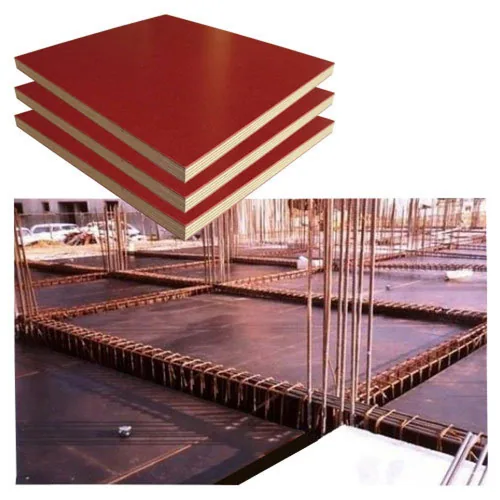
APA’s concrete-forming overview describes panel, loading and site-variable review as part of form design. The project drawing and offered material files define the required arrangement. A format alternative is reviewed for its resulting joints, orientation and fabrication before its quantity is priced.
Start from the reviewed formwork arrangement
Use the current drawing with joints, supports, ties and openings. Have the formwork designer or contractor confirm the design for the planned loads and concrete placement, then prepare the panel cutting list.
Once the arrangement is defined, assign a code to each panel shape. Distinguish full sheets from pieces needing cutting or drilling. Mark which operation is included in the supply quotation and which will be completed on site.
Compare layouts on the same work package
Ask the workshop to review the cutting arrangement for the chosen sheet size. Include actual cutting allowances and any orientation required by the design. If a different sheet format is proposed, compare its complete panel output and the remaining site work.
Prepare a spare list for the positions that may need replacement during the planned sequence. Keep it separate from unexplained additional sheets. Label cut panels by work area or pour stage so the receiving team can allocate them without reconstructing the layout from dimensions alone.
WORKED BUYING EXAMPLE
Example: a wall package with three panel shapes
Chosen three-shape package for a drawing-based cutting and supply comparison.
The package distinguishes main shapes W-A, closures W-B and opening-related pieces W-C, with their actual geometry and details recorded on the reviewed drawing.
Scroll horizontally to compare all columns.
| Item or observation | Record or compare | Next decision |
|---|---|---|
| Main panels | Repeated shape W-A with a defined quantity. | Quote the full item count and any preparation. |
| Closures | Shape W-B fits the end of the reviewed layout. | Identify cutting and edge-treatment responsibilities. |
| Opening pieces | Shape W-C includes drawing-specific details. | Keep the drawing revision and replacement references visible. |
What this means for the order
Compare offers against the same W-A, W-B and W-C schedule. A lower full-sheet price may not reduce the cost of the completed package if it changes cutting yield or leaves more fabrication to the site team.
SHAPE / DIRECTION / QUANTITY
Calculate the rectangular output before comparing sheet prices
Chosen cutting inputs to extend the three-shape package: ten W-A blanks 600 × 2400 mm, four W-B blanks 300 × 2400 mm and four W-C blanks 600 × 1200 mm. Keep the long 2400 or 1200 mm direction parallel to the selected sheet length. Use a chosen 10 mm trim at every outside sheet edge and a 3 mm gap between adjacent cuts. The comparison concerns these 18 rectangular blanks, before project-specific holes, machining, surface selection or reserves.
Scroll horizontally to compare all columns.
| Record | Calculate or specify | Order decision |
|---|---|---|
| W-A main blank | 10 × 0.6 × 2.4 = 14.40 m²; ten blanks. | Retain the approved direction, drawing issue and complete construction for this item. |
| W-B closure blank | 4 × 0.3 × 2.4 = 2.88 m²; four blanks. | Keep end position, joints and cut-edge treatment with its shape code. |
| W-C opening blank | 4 × 0.6 × 1.2 = 2.88 m²; four blanks. | Add the actual opening/hole/remaining-section details from the drawing; total rectangular output is 20.16 m². |
Check the saw gap before counting two blanks across
Two 600 mm widths plus a 3 mm internal gap require 1203 mm. A 1220 mm sheet trimmed 10 mm at each side leaves 1200 mm; the two widths do not fit. The same cut pattern fits within the 1230 mm trimmed width of a 1250 mm sheet. Below are two chosen feasible layouts for the same orientation and blank schedule.
Scroll horizontally to compare all columns.
| Record | Calculate or specify | Order decision |
|---|---|---|
| 1220 × 2440 mm | Usable rectangle 1200 × 2420 mm. Ten sheets produce one W-A each; place one W-B beside W-A on four of them (903 × 2400 mm). Two extra sheets produce two stacked W-C each (600 × 2403 mm). | 12 sheets total; gross area 12 × 1.22 × 2.44 = 35.7216 m². Requested rectangular area 20.16 ÷ 35.7216 = 56.44% of gross sheets. |
| 1250 × 2500 mm | Usable rectangle 1230 × 2480 mm. Five sheets produce two W-A each (1203 × 2400 mm); one sheet produces four W-B (1209 × 2400 mm); one sheet produces four W-C (1203 × 2403 mm). | Seven sheets total; gross area 7 × 1.25 × 2.50 = 21.875 m². Requested rectangular area 20.16 ÷ 21.875 = 92.16% of gross sheets. |
The ratios compare rectangular blank area with purchased gross sheet area in the stated layouts. Use the actual cut drawing, dimensional limits, saw process, working-face selection and required directional data to confirm the offered output. Review any alternative nest, sheet format or direction change against the same project requirements.
Compare the cost of producing the full schedule
Using comparable sheet prices, the material totals are 12 × P1220 and 7 × P1250. The seven-sheet option costs less when P1250 ÷ P1220 is below 12 ÷ 7, or about 1.7143. Add cutting, drilling, treatment, labels, protection and remaining site work to compare the complete package.
Keep both offers matched to the full construction, relevant product data, finished blank count and format. Price required reserves and changes separately, then rerun the cutting allocation for the complete quantity being ordered.
Map simultaneous demand and turnarounds before ordering reserves
A work stage requires its complete shape set at the installation time. Add any overlap with another work area, panels being stripped/cleaned or repaired, and the agreed position-specific reserves. Assign a returned panel to a new stage only after its identity, condition, working-face result and project next-use decision are recorded.
Scroll horizontally to compare all columns.
| Record | Calculate or specify | Order decision |
|---|---|---|
| Installed concurrent set | Count W-A/W-B/W-C by active area and the time at which each set is needed. | Use simultaneous piece demand as the primary allocation, with stage labels. |
| Turnaround and replacement | Track return date, inspection/cleaning/repair, working-face disposition and compatible replacement shape. | Keep held or unavailable pieces out of the available stage count until the relevant review is complete. |
| Selected reserves | Name each replacement position, shape, orientation, holes/edges/finish and full panel construction. | Add reserve counts explicitly and confirm their cut-sheet requirement and pack location. |
Match the supply format to the reviewed layout
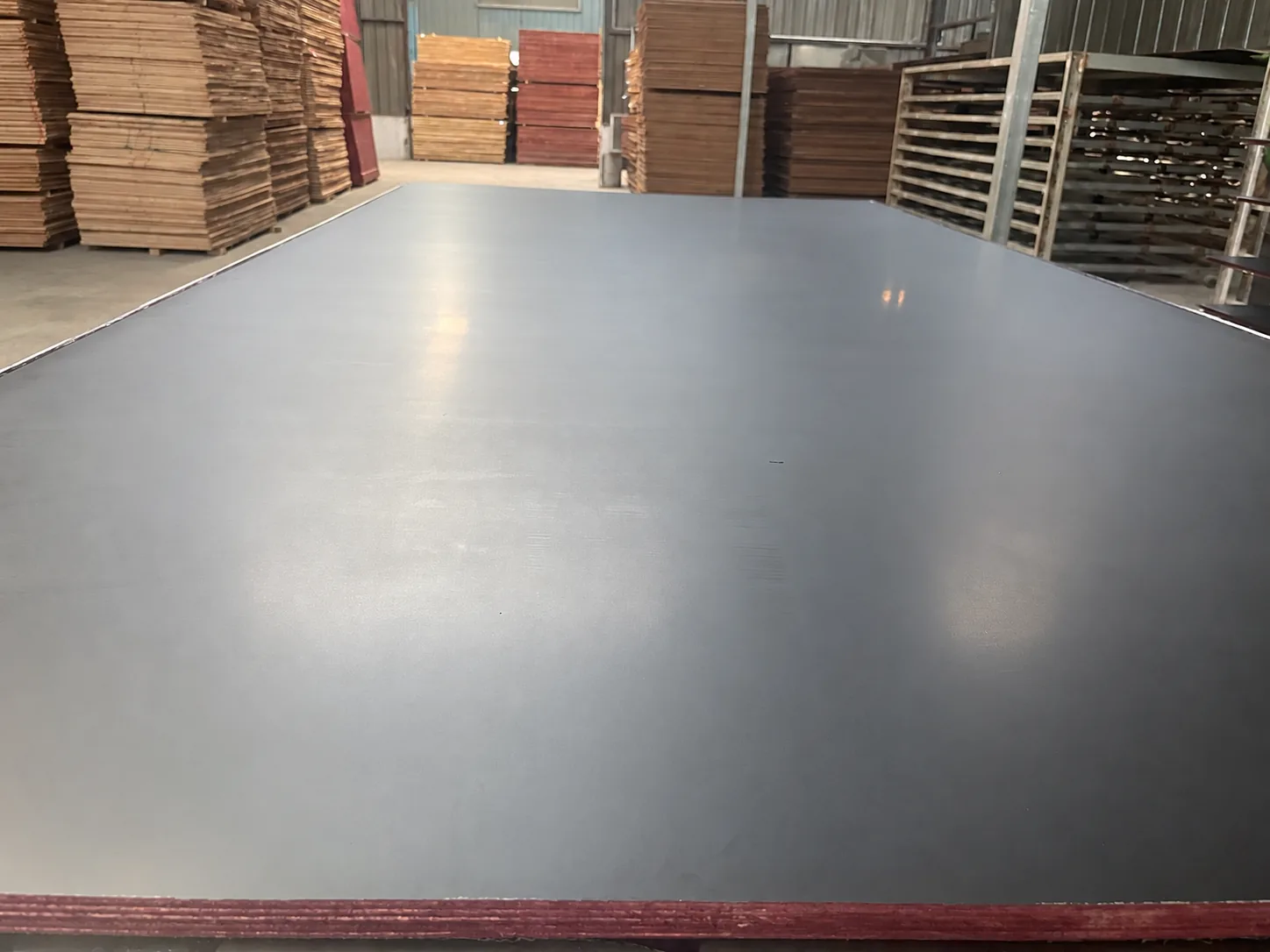
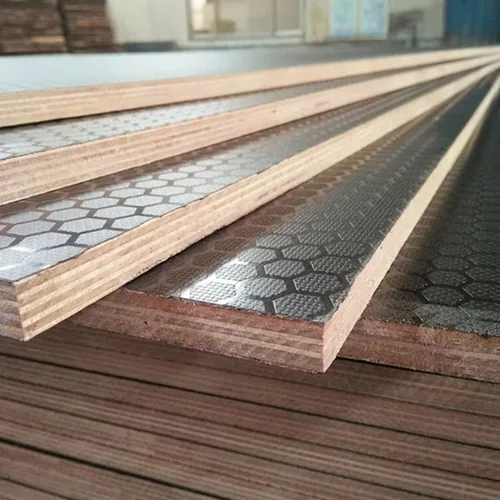
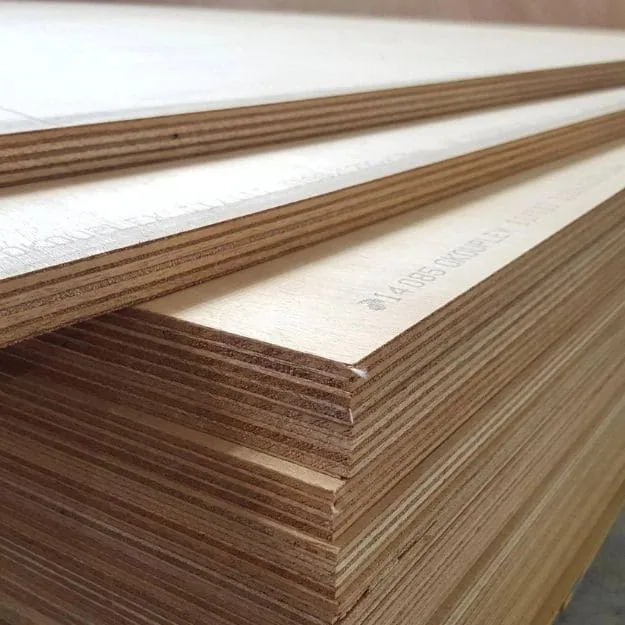
CUZI Shuttering Plywood is available in 9–30 mm with poplar, birch, eucalyptus or mixed cores. Specify the overlay colour and weight, sidedness and the bond or performance requirement used by the formwork designer.
Regular plywood sizes are 1220 × 2440, 1250 × 2500 and 1525 × 3050 mm. Longer formats including 1220 × 3050 and 1250 × 3660 mm are on request. Review the cutting layout and design together before changing a joint or panel orientation to suit another format.
Agree what CUZI supplies and what is completed on site
Use columns for shape code, drawing revision, cut size, count, drilling, cut-edge treatment, work stage and spare position. Ask the quotation to identify which operations are included. List alternatives by the complete output they provide, including the fabrication left to your site team.
Request the complete drawing-based offer
Attach your current part and stage schedule with the project material/design requirements. Ask the quote to state the offered overlay/core/gauge/bond and data scope, sheet format, feasible cut output, included drilling/treatment and supplied versus remaining operations. Include actual piece/bundle quantities and handling limits, selected reserve locations and named FOB/CIF port.
Keep these details with your inquiry
- Approved formwork drawing and panel suitability requirements.
- Shape codes, cut dimensions and quantities.
- Holes, cuts, preparation and their responsible party.
- Pour-stage labels and position-specific spare list.
Review the relevant product guide and prepare your inquiry files.
Questions buyers ask
Can I change sheet size without changing the design?
Only when the revised sheet layout still meets the approved joint, support and orientation requirements. Have the revised layout reviewed for its effect on joints, supports and required orientation. A procurement change can affect the arrangement being used.
Should spare panels use one generic description?
No. Each spare needs an identified replacement position or a clearly defined set of interchangeable positions. Identify which positions they can replace. A dimensionally similar spare may not carry the same holes, preparation or construction required by that location.
Why can two 600 mm blanks fail to fit a 1220 mm sheet?
The selected outside trim and internal saw gap reduce usable width. In the chosen calculation, 1200 mm usable width is less than the 1203 mm required footprint; confirm the actual process before counting the output.
Are the stated area ratios finished-panel yield?
No. These area ratios describe rectangular blank allocation, not final accepted-panel yield. They are rectangular blank area divided by purchased gross sheet area in the chosen layouts. Actual holes, selection, machining, repair and accepted working faces need their own output and cost records.
Can all planned pour areas be converted directly to purchased sheets?
No. Purchased quantity also depends on concurrent demand, reusable panels, cutting losses and planned replacements. Record concurrent demand, overlapping areas and inspected turnaround availability. Then add the selected reserves and cutting allocation for the quantities actually needed at each stage.
What changes when a spare needs a different hole pattern?
Keep its replacement position, hole/edge drawing and current revision as a separate shape item. Review its model/fit and include the required preparation and labelled pack allocation.