On this page
IN BRIEF
Find the California supply route that fits the job
For a California plywood order, compare regional sheet stock, local fabrication and planned container supply against the same panel and receiving date. Local stock and cutting services can suit an immediate workshop job; a repeat furniture programme can compare a planned import alongside warehouse replenishment. Start with the required construction, quantities and delivery city or ZIP code so each offer covers the work your business needs.
- Need it soon? Check the serving branch, exact construction, usable quantity and pickup or delivery date.
- Need finished parts? Send the drawing, face/grain direction, finished dimensions and processing scope.
- Planning repeat supply? Compare the approved panel, replenishment cycle, documentation and total receiving cost.
California supply or a wider US search?
For a California delivery, put the city or ZIP code, serving warehouse and local processing needs in the first inquiry. The US plywood manufacturer and distributor guide covers the wider national search. The China plywood sourcing guide covers planned factory supply. This page focuses on California branch access, finished-part services and delivery to your workshop.
UNDERSTAND THE DETAIL
California plywood supplier searches: stock sheets or cut-to-size parts?
Ask for the item you need to receive. A stock-sheet quotation identifies the panel, quantity and collection/delivery point. A finished-part quotation adds the drawing revision, orientation, tolerances, machining, edges, appearance and part packing. The same nominal sheet can produce different finished results and different workshop costs.
Scroll horizontally to compare all columns.
| Your requirement | Send with the inquiry | Confirm in the reply |
|---|---|---|
| Stock sheets for an active job | Exact construction, face/back, nominal gauge, sheet format, quantity, city/ZIP and latest usable date. | Serving warehouse, actual stock/transfer status, allocation and pickup-ready or delivered date. |
| Cut cabinet components | Numbered parts, drawing revision, finished dimensions, grain direction, visible faces and edge/boring/finish scope. | Included operations, supplied condition, tolerances, identified parts and delivery packing. |
| Matched repair pieces | Installed reference, measured fit, surface/edge appearance, required count and any retained material sample. | Exact match or separately identified alternative; representative finished-part review. |
| Repeat replenishment | Approved item/SKU, consumption schedule, quantities, required receiving window and product documents. | Production, shipping, receiving and release stages; full quoted scope and change control. |
Give the unloading arrangement as well as the address: warehouse or jobsite, appointment, truck access, equipment and bundle limits. Confirm whether “available” means physically at the serving branch, incoming on transfer, or waiting for fabrication. Keep that status attached to the actual item and promised date.
For a repair, photographs and measured fitting details are more useful than “matching plywood.” Quote urgent pieces separately from the later repeat order. Continue with preparing a finished-part cutting list.
Check the supplier’s role and manufacturing location
A business serving California may distribute imported plywood, fabricate parts from bought-in panels, or supply a manufacturer’s product through a regional channel. Record the seller, producer, material origin, serving warehouse and processor separately. These fields help you locate stock, match documents and understand who supplies each operation.
Cabinet shops, fabricators, repair workshops and distributors may need different delivery arrangements. Use the locations below to find a contact, then check stock and service to your address.
CUZI publishes this guide and supplies from Xuzhou, China. Our planned container option is identified separately below. Local suppliers can suit smaller or time-sensitive requirements; an international program needs enough planning time for production, shipping and destination handling.
California supplier locations and purchasing roles
These contacts offer different combinations of panels, distribution and processing. Use their official information to build a shortlist around your item, then ask about the serving branch and complete delivery scope.
Scroll horizontally to compare all columns.
| Supplier | Location / purchasing role | First comparison question |
|---|---|---|
| Fresno Plywood | Fresno panel supplier; cutting and edge-banding services. | Can the selected panel and processed-part scope meet the required pickup/delivery date? |
| North American Plywood | Western sales in Santa Fe Springs; specialty importer/wholesaler and component processing. | Which construction and operations are included in the finished-part quotation? |
| Royal Plywood | Cerritos and Sacramento California locations; materials distribution and lamination. | Which branch supplies the substrate, facing, edge and required processing? |
| Forest Plywood | La Mirada and National City; Southern California distribution. | Which location has the required panel, and what delivery and milling scope is offered? |
| Phillips Plywood | Pacoima distributor; panels, lumber and laminating. | Can substrate and laminate be supplied as the same identified finished item? |
| Columbia Forest Products | Manufacturer/distributor route; Klamath Falls plywood mill is in Oregon. | Which regional channel can supply the selected product to the California receiving point? |
| Anderson Plywood | Culver City panel supplier; milling, laminating and delivery services listed. | What exact material and processing can be quoted for the part schedule? |
| House of Plywood & Paneling | San Bernardino supplier; store cutting and selected laser-cutting materials. | Does the proposed material and cutting process suit the finished detail? |
| Goldenwest Plywood & Lumber | Bellflower panel/lumber supplier serving Southern California. | What stock, quantity and current collection/delivery arrangement apply? |
Supplier profiles: what to compare
Fresno Plywood — panel and component inquiries
Fresno Plywood’s official site lists birch and laminated plywood, edge banding and cabinet hardware. Its services include cut-to-size work, cut/edge banding and store fixtures. Use this route when the panel and workshop processing need to be considered together. Ask for the exact substrate, finished dimensions, edge system, required quantity and collection or delivered date for your location.
North American Plywood Corporation — specialty and processed panels
NAPC identifies its Western Sales location in Santa Fe Springs and describes specialty plywood importing/wholesaling, custom sizing, CNC machining and finishing/laminating capabilities. Compare the full processed item against your own raw-sheet route. Identify the panel/core, drawing revision, operations, reverse and packed component dimensions; confirm which location performs the work and serves the order.
Royal Plywood — decorative material and lamination
Royal Plywood lists California locations in Cerritos and Sacramento, with plywood, composite substrates and in-house lamination among its offerings. It also links its California Custom Milling business. Start with the decor and substrate, then ask which operations and branch supply are in the quotation. Match the physical surface reference, reverse, total thickness and edge to the finished component.
Forest Plywood — Southern California distribution
Forest Plywood lists hardwood plywood, marine and Baltic birch plywood, composite panels and custom milling. Its La Mirada and National City locations serve the greater Los Angeles and San Diego areas. Ask which location holds the exact construction, whether it is stock or a transfer, and how milling, delivery and unloading relate to your receiving date.
Phillips Plywood — substrates, laminates and related timber
Phillips Plywood identifies its Pacoima location and Southern California distribution role. Its official site lists plywood, MDF, lumber and laminates, and describes laminating on a range of cores. Compare a coordinated substrate/laminate item with buying and processing them separately. Specify the panel, facing/reverse, finished dimensions, edge and responsible processor before comparing the delivered price.
Columbia Forest Products — manufacturer through a buying channel
Columbia Forest Products provides product and purchasing information. Its Klamath Falls mill in Oregon lists decorative plywood and finishing services. Ask the serving distributor about the panel, minimum quantity and delivery date you need in California. See Klamath Falls hardwood plywood mill.
More local supplier contacts
- Anderson Plywood, Culver City: its site lists hardwood/softwood/phenolic plywood, manufactured boards, milling, veneer laminating and delivery services. Ask for the actual item and included processing.
- House of Plywood & Paneling, San Bernardino: its site describes store cut-to-size service and selected Baltic birch/Italian poplar laser-cutting materials. Confirm material identity and process suitability for your drawing.
- Goldenwest Plywood & Lumber Inc., Bellflower: its site lists hardwood panels/lumber, melamine and related workshop supplies. Confirm current quantity, delivery coverage and terms rather than using an old promotion to budget the order.
These contacts include manufacturers and distribution channels. Ask each supplier about current stock, processing and delivery for your panel requirement.
WORKED BUYING EXAMPLE
Example: 24 repair panels followed by a repeat order
Illustrative buying scenario; quantities and offered scope are planning inputs, not stock or price quotations.
A workshop needs 24 repair panels against drawing R-04 for an existing interior, then expects 200 repeat panels for a later job. The repair pieces must fit the retained component and visible finish. Give the two requirements separate item references, receiving dates and approval records.
Scroll horizontally to compare all columns.
| Route | Immediate 24 panels | Later 200 panels | Decision to record |
|---|---|---|---|
| Exact local construction | Confirm selected face/core, cut dimensions, fitting and pickup/delivered date. | Ask about lot continuity and a separately priced replenishment schedule. | Approval scope and reserved quantity for each item. |
| Available alternative | Identify every face/core/gauge or finish difference; trial the actual repair detail. | Evaluate the proposed construction and full workshop process separately. | Accepted changes, drawing/reference revision and finished result. |
| Fabricated parts | Confirm cutting, edge/boring/finish, part IDs and receiving packing. | Price setup, repeated operations and packing against the current schedule. | What the supplier delivers and what remains for the workshop. |
| Planned imported supply | Keep the urgent local need and its date visible in the comparison. | Convert parts to the required sheet/SKU schedule and discuss the whole container program. | Complete order quantity, production/shipping/receiving stages and documents. |
How to use the result
This plan needs 224 panels: 24 for the repair and 200 for the later order. Give each stage its own delivery date and agreed panel specification, then plan the combined shipment.
A follow-up message you can adapt
Please quote 24 repair panels against R-04, including the stated cutting/finish and receiving date. Identify differences from the existing reference. Quote the later 200-panel program separately with its construction, processing and delivery scope.
Prepare your inquiry files →YOUR COMPARISON RECORD
Keep substitution and finished-part decisions visible
Nominal thickness and a species name are a starting point. Compare the actual face/back, internal construction, finished dimensions, exposed edge, joint/boring geometry and intended finish. A change that looks acceptable in a raw sheet may still affect the installed repair or machining sequence.
Use a representative part or identified sample for the decision that matters: visible-edge cabinetry, matching a decor/finish, or a cut/edge/boring detail. Record the material and drawing revision, the observed result and the exact scope approved. Keep the remaining order quantities and any unapproved alternatives separate.
The inquiry file checklist helps organize the selected item and drawing. Use the sample-to-production record to connect a trial to the proposed repeat supply.
Trial a birch cabinet detailTrial a processed partCompare California stock and planned imports at the same receiving point
A local pickup price, a delivered cut-part price and an FOB/CIF offer cover different work and locations. Use the same usable output, item specification and California receiving point. State exclusions and estimates beside each line instead of treating missing costs as zero.
Scroll horizontally to compare all columns.
| Cost / scope | Local stock or fabrication | Planned import |
|---|---|---|
| Material and usable output | Exact offered construction, sheet count or identified finished parts and any substitution. | Same item/SKU, format, quantity/unit and planned cutting yield. |
| Processing and packing | Setup, cutting, edges, finish, part labelling and delivery packing included. | Supplied processing versus workshop work; bundle identity, protection, size and gross weight. |
| Freight and receiving | Collection or delivery, appointments, unloading, local handling and access limits. | Named FOB/CIF port, current freight/destination quotations, onward delivery, unloading and storage. |
| Import / inventory inputs | Replenishment, reserved quantity, payment/quote validity and inventory needed. | Product/origin classification, duties or other applicable measures confirmed with the broker; cycle inventory and uncertainties. |
Ask the supplier and your freight or import contact for current costs for the product and route. Include duties, port charges, inland delivery and unloading so the comparison reaches your workshop.
Use the same quotation comparison fields and download the quotation worksheet. For a processed part, the material-to-finished-part comparison helps include yield and workshop operations.
Match California and US documents to the offered product
Start with the producer, panel model, construction, use and destination. Check CARB’s composite wood program and EPA’s TSCA Title VI guidance for the relevant product category, certification, testing and labels. See EPA’s TSCA Title VI product, testing and labelling guidance.
Ask for the California/US emission documents for the panel you are buying, including the product certificate, relevant reports and labels. Include the substrate, facing and any further processing in that request.
For a structural panel, identify the required product designation and project documentation separately from an interior decorative panel inquiry. Agree the applicability and shipment responsibilities with the appropriate purchaser/adviser. Prepare the product document list and keep it with the offered item, sample and quotation.
Questions for the first California quotation
- Which seller, producer and serving warehouse identify the offered item?
- Is it physically in branch stock, a transfer, a fabrication job or planned production?
- Do the face/core, finished dimensions, processing and sample match the required component?
- What do the price and date include: pickup, delivery, packing and unloading?
- Which product, label/lot and shipment documents accompany the selected item?
- What quantity is reserved, and how are substitutions or later changes agreed?
- How will arrival differences and replacement or repeat material be recorded?
Use the EPA importer and distributor guidance for the relevant documentation responsibilities. Next, prepare a complete RFQ and compare replies line by line.
Three jobs that should produce different shortlists
An urgent cabinet-shop replenishment
Give a local stock supplier the already approved construction, remaining parts and receiving deadline. Confirm the selected warehouse and actual dispatch-ready quantity. If an alternative is offered, identify the change and trial the relevant fitting, edge or finish before releasing it to the active job.
A project needing cut and finished components
Give fabricators the same drawing, visible-face schedule and supplied-operation list. Clarify which party cuts, edges, drills, coats, checks and packs the parts. Compare finished output rather than one sheet price against another supplier’s complete component price.
A planned imported repeat item
Work back from your California receiving date through inland delivery, port handling, sailing and production. Use the agreed panel mix and consumption forecast, with a separate plan for urgent needs and reserve stock.
A useful shortlist record
Record serving location, actual construction, stock/special-order status, included processing, named delivery point/date, required documents and unresolved questions. Confirm open scope before ranking quotations by price.
CUZI: planned plywood and MDF supply from China
Build the next replenishment around the approved panel and finished component. CUZI supplies from Xuzhou, China, with a minimum order of one container and mixed loads available. Regular lead time is 7–15 days for production; shipping, destination handling and California delivery are additional stages. Name the port for FOB or CIF pricing and the workshop receiving point for the comparison.
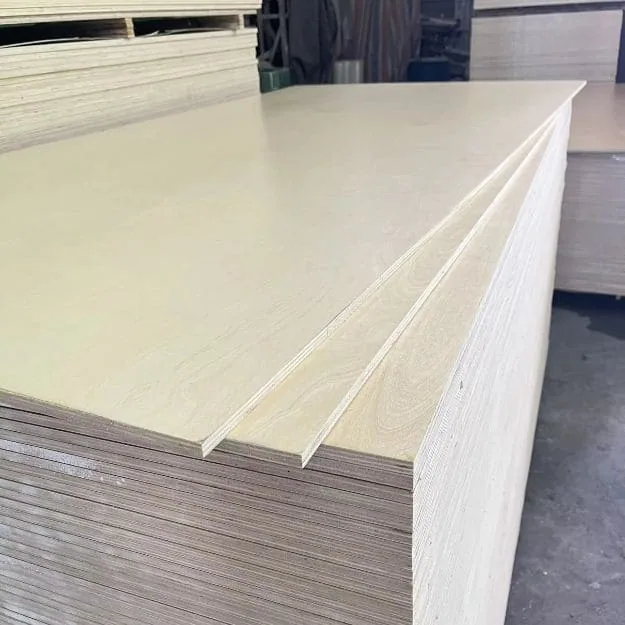
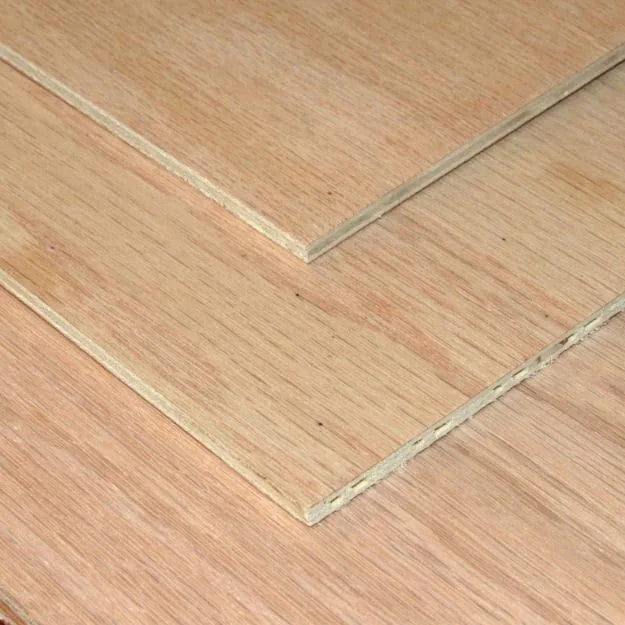
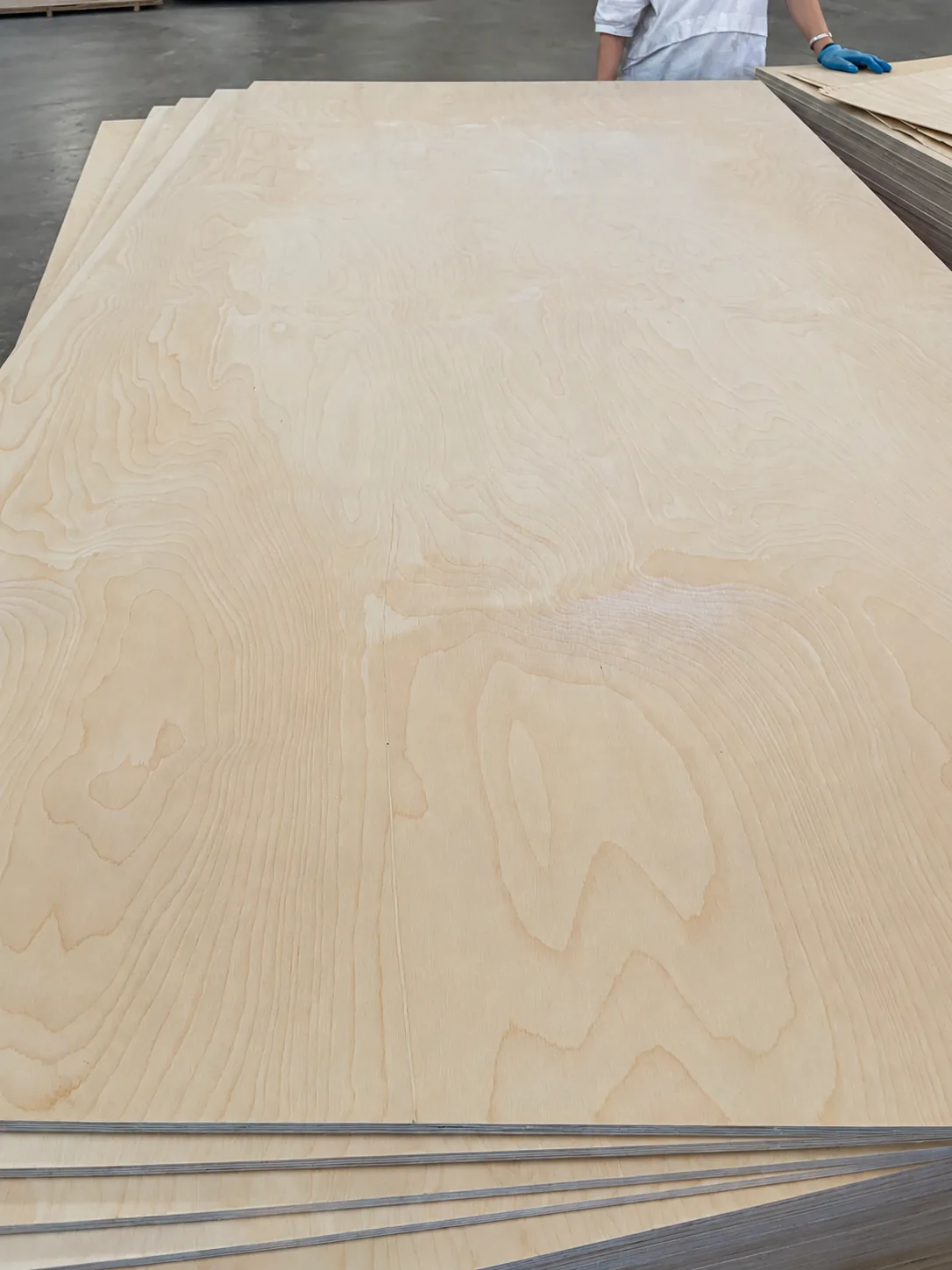
Commercial/birch plywood options include 3–30 mm, poplar/birch/eucalyptus cores, BB/CC or C/D and E0/E1 choices. Regular plywood formats are 1220 × 2440, 1250 × 2500 and 1525 × 3050 mm; 1220 × 3050 and 1250 × 3660 mm are on request. Confirm the selected construction, tolerance, supplied work and destination documents as one item.
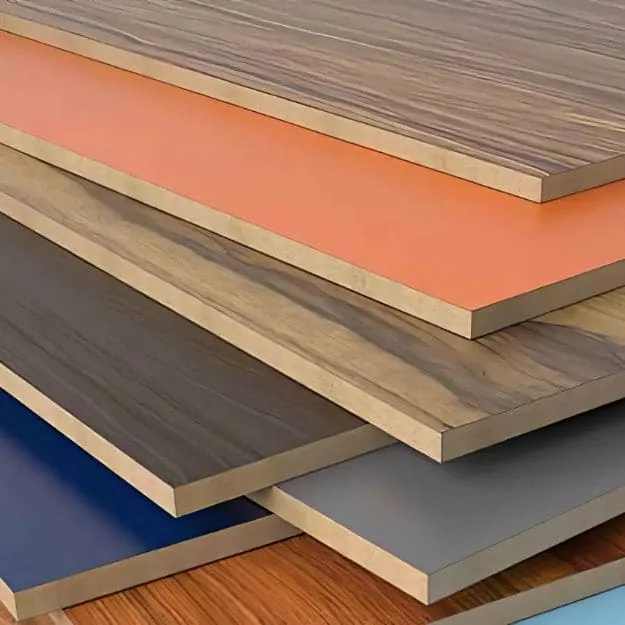
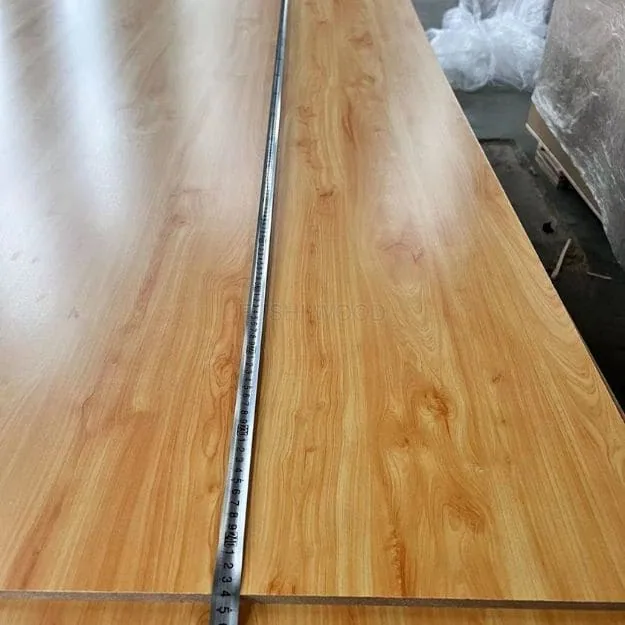
Plain MDF ranges from 2.5–35 mm. Regular MDF formats are 1220 × 2440 and 2100 × 2800 mm, with 1220 × 3050, 1830 × 3660 and 1220 × 3660 mm on request. For melamine MDF, carry the physical decor, texture/sheen, reverse, total finished thickness and matching edge into the trial and quotation.
Samples are free; you pay courier freight, which is credited in full against your formal order. Use the working sample to settle the actual cut/finish/fitting detail and keep its identity with the proposed material file and repeated item.
Trial the commercial panelTrial the melamine decor and edgePlan your next containerRequest repair and repeat-order prices for the same part
List the immediate and later items separately, with actual units. For the repeat program, include the complete container mix rather than assuming a part count equals an order quantity. Add the following brief to your quotation or product-file request.
California receiving city / ZIP / warehouse or jobsite:
Order route: immediate repair / processed parts / planned repeat:
Item / full construction / drawing revision / retained sample:
Nominal sheet and finished part dimensions / tolerances:
Visible face, grain, decor / edge / machining / finish scope:
Quantity and required receiving date for each item / release:
Product / producer / certification or basis / label-lot files:
Named FOB or CIF port / onward delivery / unloading limits:
Review contact, substitution and repeat-order change record:
Discuss the California receiving plan
For broader distribution options, read the US sourcing guide. Compare planned direct supply with the China order-control guide, or regional alternatives with the Canada delivery guide. Trial the visible edge using the birch plywood worksheet. You can also start a general quotation. Download the receiving record and use the material issue guide for an identified delivery concern.
California sourcing questions
Should I choose local stock for a small installation?
Compare delivery date, usable quantity and cutting or finishing services. A local order may suit smaller or urgent jobs. Check the branch’s stock and delivery date against your production schedule.
How should I compare a repeated cabinet order?
Use the same component drawing, face/core, finish/edge reference, sample and delivery scope. Separate recurring consumption and later replenishment from one-off installation materials. Keep approvals and changes connected to each item.
Does a California sales location mean the plywood is made there?
No. Identify the seller, producer, origin, serving warehouse and processor separately. A distributor may supply domestic or imported sheets; a local processor may make components from panels produced elsewhere.
What should a cut-to-size quotation include?
Drawing revision, finished dimensions/tolerances, face/grain orientation, supplied cutting/boring/edge/finish, part identification, packing, quantity and receiving point/date. Make the remaining workshop operations clear.
Can a nominal 18 mm alternative replace an existing cabinet panel?
Only if the replacement meets the existing panel’s construction, finished dimensions and fitting requirements. Compare the proposed replacement’s construction, finished thickness, visible edges, joints and hardware fit. Try a representative part and agree any changes before ordering.
Does an E0 or E1 option settle the California documentation request?
No. E0 or E1 alone does not establish compliance with California and US formaldehyde requirements. Ask for the producer, model, relevant product certification, reports and batch labels for the panel. Include California and US requirements in the request so the documents match its intended use.
Is the 7–15 day CUZI lead time the California arrival date?
No. CUZI’s 7–15 days cover production, not arrival in California. It is the regular production lead time. Shipping, destination handling, onward delivery and receiving arrangements are additional stages. Use the actual order and logistics schedule to discuss a California receiving window.
Can I mix plywood and MDF in a CUZI container?
Yes. The minimum order is one container and mixed loads are available. List full construction, size, quantity/unit, supplied work and required documents for each SKU, then agree the complete packing and receiving plan.