On this page
IN BRIEF
Keep the next work stage supplied, with a delivery your site can receive.
Choose a Canadian plywood supply route by the panel, work stage and receiving location: regional stock for workshop replenishment, an identified forming panel for the pour schedule, or a planned container for a repeat furniture programme. Compare manufacturing origin, dispatch point, product files and quantities on the same basis. For cut or finished parts, include the fabrication and the work remaining at your Canadian workshop or jobsite.
CUZI supplies from Xuzhou, China. Our direct-import orders start at one container, with mixed plywood and MDF loads available. For staged use, name the Canadian holding operator, reserved item quantities and the date of each release.
Plan your Canadian receiving scheduleChoose the supply route around your product and receiving date.
A Canadian business address tells you where to contact the seller. Ask where the selected panel is manufactured, where the quoted quantity is held and who will move it to the named postal code. These answers help you compare a mill programme, regional stock and imported material on the same purchase schedule.
Scroll horizontally to compare all columns.
| Route | Useful starting order | Ask with the item schedule |
|---|---|---|
| Canadian manufacturer | A named structural, industrial or overlay product for a repeat project. | Which product model and supplying operation cover the requirement, and through which purchasing channel will it reach this province? |
| Regional stocking distributor | A millwork mix, a near-term work stage or replenishment in smaller releases. | Which items and quantities are at the serving location; which require transfer or replenishment; what can arrive together? |
| Specialty panel or fabrication channel | A particular veneer, forming overlay or prepared component. | What substrate, facing, cutting, edge or finishing work is included, with which sample and drawing reference? |
| Planned direct import | A repeat production mix that can be scheduled as a container programme. | How do production, ocean/inland transport, Canadian files, storage and later releases serve the workshop dates? |
Compare Canadian production, stock and processing.
A distributor may stock imported plywood alongside Canadian-made panels. A locally finished component may use a substrate produced elsewhere. Keep manufacturing origin, stocking location and supplied work in separate quotation fields. If your purchaser specifies an origin, send that requirement with the offered item’s origin documents.
For two projects, show the quantities and receiving dates at each destination. A price to one warehouse needs a separate onward-delivery arrangement before it can be compared with delivery to both sites. For repeat items, retain the construction, sample and proposed replenishment source behind the stock code.
Canadian supplier references: start with the relevant product channel.
These references cover softwood plywood manufacturing, concrete-forming overlays, hardwood plywood and distribution. Use the linked product information to choose a suitable contact, then compare the offered model and delivery arrangement. References were reviewed on 6 October 2026.
Richmond Plywood
Richply lists structural sheathing, sanded/industrial panels and MDO/HDO overlays in its product range. Its Canadian purchasing channel uses stocking wholesale distributors. Identify the selected model and serving distributor for your region.
Goodfellow
Goodfellow’s construction plywood page lists Canadian plywood applications, grades and supply partners. Use it as a distribution starting point; request the actual brand, origin, stock location and delivery scope for each item in a consolidated order.
Savona Specialty Plywood
Savona Specialty Plywood presents Canadian MDO and HDO concrete-forming panels. Begin with the specific overlay model, then compare its guidance with the form support, concrete finish, release process and replacement sequence your project needs.
Columbia Forest Products
Columbia presents hardwood plywood and veneer from a US/Canada production network, with distributor and fabrication purchasing channels. For cabinets or interiors, select the veneer/core model and identify the local purchasing route and origin of the offered material.
West Fraser
West Fraser publishes plywood grades, formats and applications for building and industrial uses. Compare the selected grade’s product data with the project designation and receiving region; keep marking and model-specific requirements with that item.
More supplier contacts
For these further contacts, request current item information, supplied work and the serving location. Keep the exact construction and sample reference with each reply so the shortlist remains useful when you move from a company name to an actual purchase.
Bring the drawing’s units, finished fit and proposed panel together.
Canadian drawings and supplier descriptions may use millimetres, inches or both. Record the drawing’s original units and the offered nominal description, then ask for the measured finished-thickness range. Machined slots, hinges, edges and joined pieces need the actual fitted component trial.
Scroll horizontally to compare all columns.
| Drawing reference | Literal conversion | What to establish for the offered item |
|---|---|---|
| 1/2-inch thickness | 12.7 mm | Proposed nominal gauge, measured range, facing/sanding and finished joint requirement. |
| 3/4-inch thickness | 19.05 mm | Drawing’s category or fit reference and the selected gauge; trial the actual slot, connector or edge. |
| 4 × 8 ft sheet | 1219.2 × 2438.4 mm | Proposed sheet dimensions, usable trim and cut direction; distinguish this conversion from a 1220 × 2440 mm offer. |
| 1220 × 2440 × 18 mm item | 2.9768 m² / 0.0535824 m³ net panel per sheet | Named format and gauge for the quotation, usable cuts and package dimensions/weight for receiving. |
Three-quarter inch and an offered 18 mm panel need a fit review against the drawing. Include the construction and finished tolerance in that comparison; the sheet-size and thickness guide helps prepare the dimensions.
Trial a 3/4-inch drawing detailRequest Birch gauge and Canadian filesWORKED BUYING EXAMPLE
120 sheets, two work stages: compare the releases as well as the board.
Illustrative receiving plan using an assumed 40-sheet bundle limit. Confirm external dimensions and gross weights with the actual receiver.
Take item ST-01: 120 sheets of one selected 1220 × 2440 × 18 mm construction, with 60 needed for the first work stage and 60 later. The workshop has limited indoor storage. For this example only, suppose its receiving arrangement allows no more than 40 sheets per bundle; actual external dimensions, gross weights and equipment limits still need review.
Scroll horizontally to compare all columns.
| Offer arrangement | Net panel quantity | Example bundle split | Receiving decision |
|---|---|---|---|
| One complete delivery | 120 sheets / 6.429888 m³ | 3 × 40 sheets | Store all material; identify the first and later work-stage allocations without losing item/lot labels. |
| Two staged deliveries | 60 + 60 sheets / 3.214944 m³ each | 40 + 20 per release; 4 bundles across both releases | Name the holding operator, reserved item/lot, release dates and the storage, split-pack and delivery costs. |
| Collection arrangement | Same 120-sheet total | Agree allocations and pickup loads with the collection point | Add collection transport, loading, unloading and remaining storage to the same receiving location. |
Use net panel volume for the material quantity and measured bundle dimensions and gross weights for transport planning. The volume and loading guide explains how to calculate both.
Keep the second release attached to the selected item.
Record who holds and inspects the remaining 60 sheets, how they are identified, the proposed release notice and who arranges transport. If the second stage may come from another lot or construction, keep that proposal with its own comparison sample and product files before substituting it.
For CUZI, this 120-sheet line would sit within a one-container mixed order. The Canadian warehouse’s later releases need their own arrangement with the receiving operator. Include the other planned material lines in the container schedule.
A follow-up message you can adapt
Quote 120 sheets under item ST-01, with an alternative for two deliveries of 60. Use our stated receiving location and identify bundle dimensions, unloading responsibilities and the proposed date for each stage. Name the holding/release operator, selected construction/lot references, storage and release charges, and included versus onward delivery.
Prepare your inquiry files →Compare the total arrangement at one named Canadian receiving point.
Put the warehouse or jobsite postal code, delivery window and unload responsibility on each offer. A sheet price at a depot, a local delivered price and CIF to a Canadian port end at different points in the route. Show the remaining work and its quoted cost before comparing the total.
- Board and supplied work: same face/back, full core/model, gauge, required designation and processing/finish; quantities and price unit.
- Commercial basis: currency, quote validity, payment schedule and named delivery term/port. Show dated exchange assumptions when comparing a CAD offer with another currency.
- Transport and receiving: included loading, freight or insurance, destination handling, inland movement, appointment and unloading.
- Staged inventory: reservation, holding/storage, splitting/repacking, release notice and further delivery; identify the operator quoting those services.
- Import inputs: importer/broker responsibilities and current charges for the actual product/origin; use the dated assessment in your comparison.
- Replacement and replenishment: contact, affected item/pack identification, proposed supply route and timing through later stages.
Keep a receiving-led comparison record.
Separate material price from the extra scope needed to reach your workshop with usable inventory. Ask for storage duration and release conditions rather than assuming one freight charge covers all stages. Preserve the source and date of each additional quote. The same quotation comparison fields help you keep these offers readable.
Set the key quotation checks by order type.
For construction, retain the specified panel designation and delivery region. For forming, retain the named overlay and actual system. For furniture, retain veneer/core/finish and processing output. For an import programme, retain origin, Canadian files, item mix and complete receiving cost.
Use the inquiry file checklist to send the item schedule, drawings and open receiving questions. Ask alternatives to be listed as separate items so a lower price is still tied to a recognisable construction and delivery plan.
Prepare Canadian product files against the exact panel and purchasing role.
For covered composite wood products, Canada’s CANFER requirements address emissions, testing/certification, labels and records. Start by identifying the product category and the manufacturer, importer and seller involved in the order. The Canadian government factsheet explains these roles.
Health Canada’s guidance covers hardwood plywood, MDF/thin MDF, particleboard and defined laminated products. It explains how TSCA Title VI certification can meet certification requirements, with the required declaration information and bilingual labelling. Ask for the Canadian file and label arrangement for your offered model; keep E0/E1 descriptions tied to their own test basis.
Scroll horizontally to compare all columns.
| File topic | Request for the offered item | Match with the order |
|---|---|---|
| Category and producer | Exact panel/product type, manufacturer, full construction and applicable category or basis. | Item/model, thickness/material scope and intended Canadian sale/use. |
| Emission certification | Declaration of certification or relevant exemption, supporting reports and certifier identity where applicable. | Offered product and required declaration information; identify the certification route used. |
| Labels and traceability | Proposed bilingual label and panel/bundle identification. | Selected item, lot and shipment references, including labels after packs are split for later releases. |
| Purchasing roles and records | Importer/seller contacts and proposed record/compliance-statement handover for their roles. | Supplier, purchase and product references through the Canadian receiving operator. |
| Construction or forming designation | Project-required standard/edition/grade, panel marking, directional properties and model/overlay data. | Intended use, offered lay-up/gauge, support/connection drawing and responsible project review. |
| Shipment and receiving | Origin/shipment files, packing list, external bundle dimensions and measured net/tare/gross weights. | Importer/broker instructions, first/later stage allocation and actual unloading arrangement. |
For building work, send the specified grade and drawing with the required design data. For formwork, include the overlay, core, supports and concrete finish. Request product reports alongside any company certificates needed for supplier qualification.
Prepare the product document list for the selected model. The emission-document comparison guide helps organise material/test references alongside the separate Canadian request.
Request MDF data and Canadian filesRequest your designated project packageMake unloading, indoor storage and conditioning part of the plan.
Give the supplier and carrier the actual receiving details before booking the delivery. A warehouse with a covered unloading area and a jobsite with limited access need different arrangements. Confirm what the receiving team can accept and the information it needs to recognise each item.
- Name the location and window: province/postal code, warehouse or jobsite, appointment contact and any onward destinations.
- Describe access and equipment: entrance/vehicle restrictions, unloading method, lifting or handling limits and bundle geometry. Obtain gross weights for the offered packs.
- Allocate indoor space: first-use and reserved later-stage items, supported storage and protected identification after opening or splitting packs.
- Review condition: counts, dimensions, damaged protection or visible wetting, with item/pack references and photographs before distributing the affected material.
- Prepare fabrication: product-guided conditioning and measurements under workshop conditions before critical cutting, joining or finishing.
Keep the sample’s dimensions and condition with the process observations. A fitted joint trial should use the proposed panel/finish and actual tooling or connector. For MDF, record the selected model and preparation/coating process; for plywood, retain the full core and relevant face/edge range.
Trial the painted MDF componentThe incoming inspection checklist helps the receiving team document material before stage allocation and fabrication.
Match the panel specification across staged deliveries.
The second delivery needs more than a repeated sheet count. Keep a stock/release record with the selected item, full specification, sample and file references, quantities held and quantities dispatched. Identify who approves a changed construction, overlay or finish proposal before it reaches the next work area.
- Regional stock: serving branch, material reserved for the order, transfer arrangements, consolidated delivery and proposed replenishment.
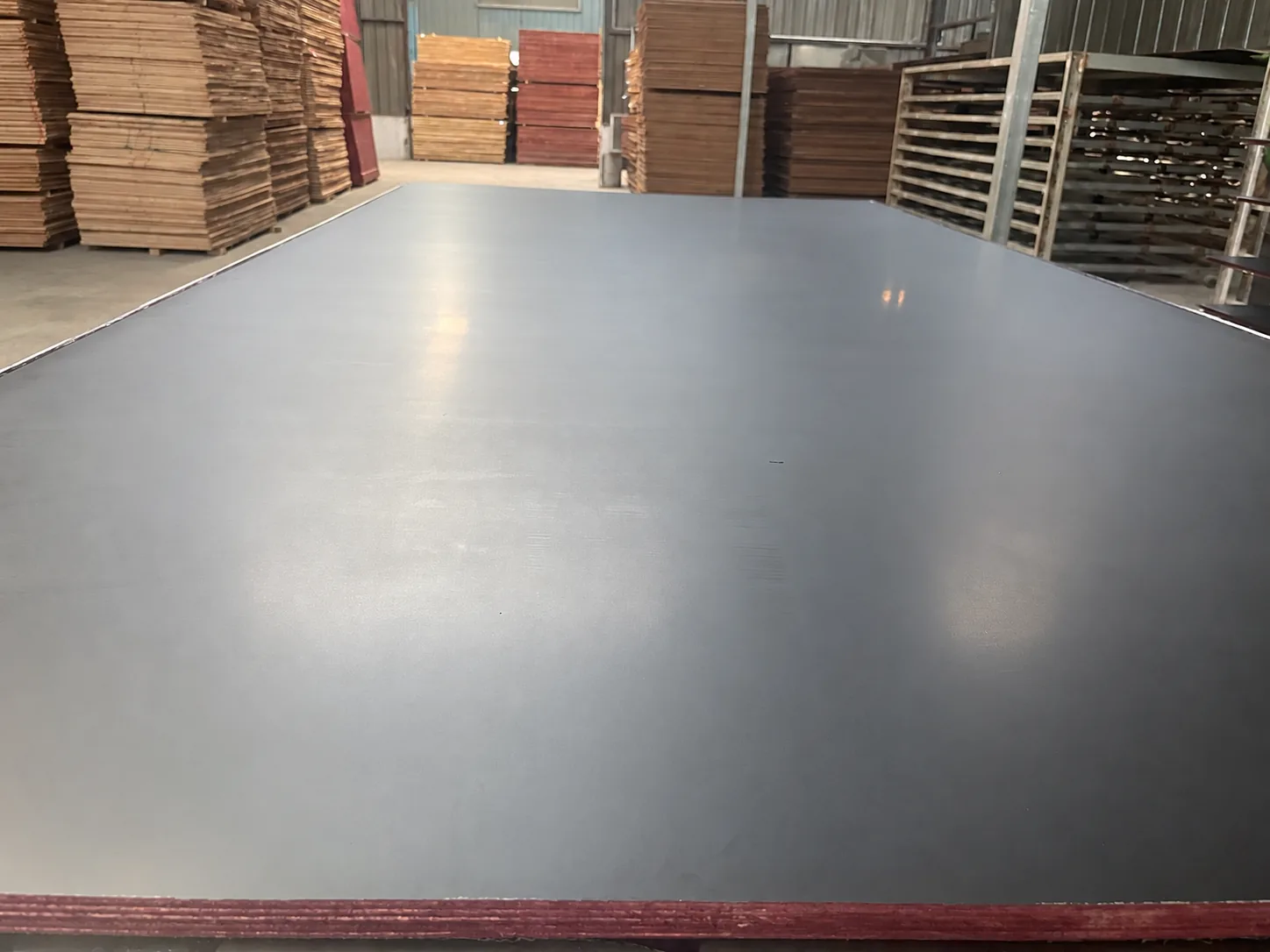
- Concrete-forming programme: selected overlay model, support/release/cleaning guidance, pour sequence and the route for replacement panels.
- Remote or constrained project: all transport legs, appointment and unloading contacts, labels by work area, replacement and damaged-pack reporting.
- Imported warehouse programme: container item mix, stock-holding operator, protected storage, stage releases and the Canadian file/label handover.
Retain origin information separately from the seller’s address. If later releases use another lot, identify the proposed material and its sample/appearance comparison. A damaged or missing pack needs an affected-item record, available replacement route and revised timing; the receiving team can then decide which work stage needs attention.
Continue with sample and lot references across deliveries and repeat-order change control. These references keep the purchase decision connected to the actual material arriving at each stage.
Trial a forming-panel detailRequest forming-panel and Canadian filesPlan a CUZI container around your Canadian production mix.
For recurring furniture, interiors or panel distribution, build the order by item and required workshop date. CUZI supplies from Xuzhou, China, with a minimum order of one container and mixed loads available. Regular production takes 10–15 days; add dispatch, transport/import, Canadian handling and inland delivery when setting the warehouse date.
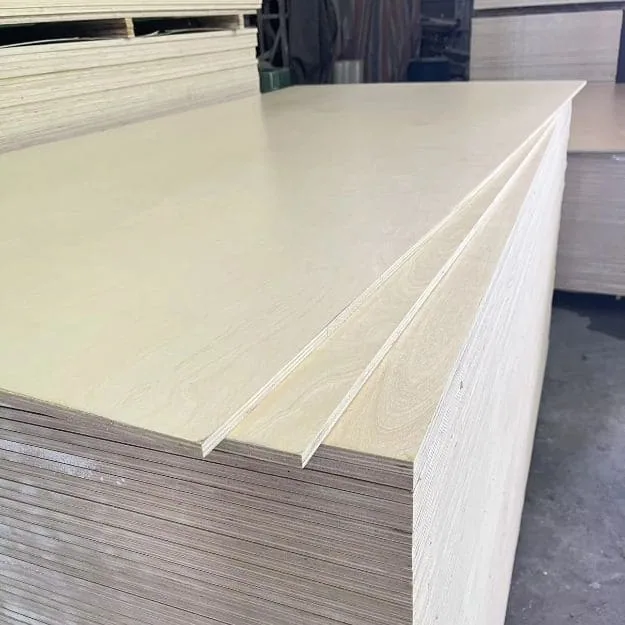
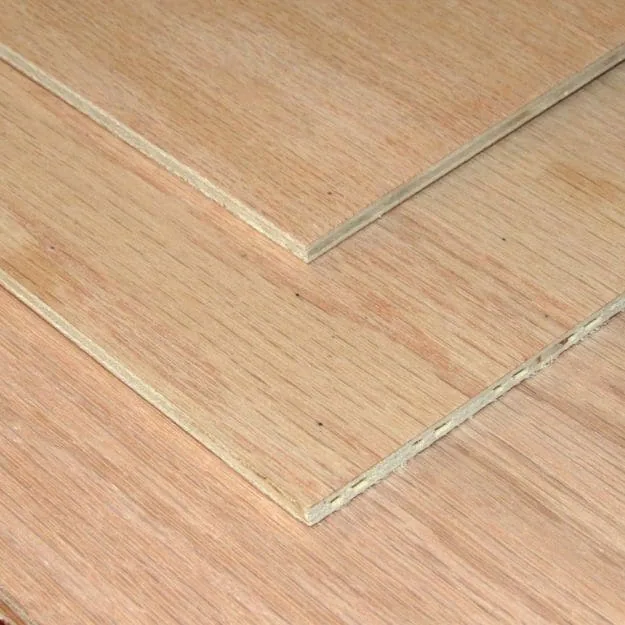
Commercial plywood can be specified at 3–30 mm with poplar, birch or eucalyptus core options, BB/CC or C/D face/back grades and E0/E1 options with the required test basis. Regular plywood formats are 1220 × 2440, 1250 × 2500 and 1525 × 3050 mm; 1220 × 3050, 1250 × 3660 mm and other formats are on request. Keep the veneer/core, bond and finished range with each selected item.
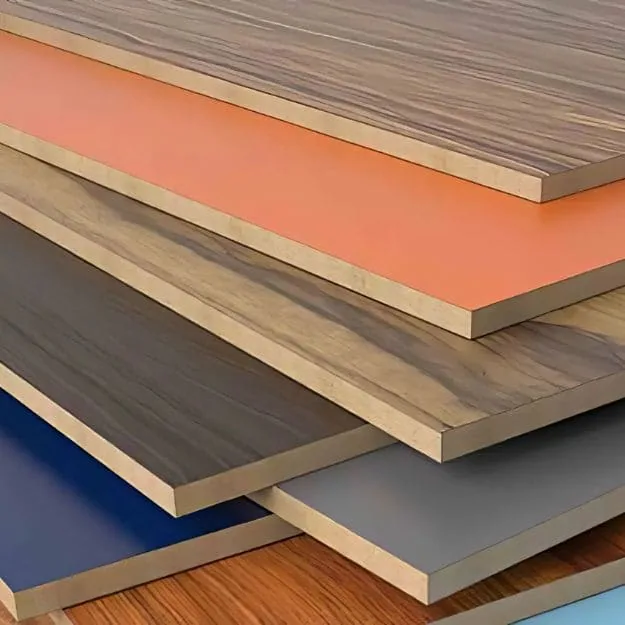
Plain MDF is supplied at 2.5–35 mm with E0/E1/E2 options. Its regular formats are 1220 × 2440 and 2100 × 2800 mm; 1220 × 3050, 1830 × 3660 and 1220 × 3660 mm are on request. For moisture-resistant, decorative or other MDF lines, use the selected product model’s specification and the Canadian file request.
Send the material list and receiving schedule together.
Show the Canadian province/postal code, quantities by SKU, workshop dates and storage/unloading limits. Ask for FOB with the named shipment port or CIF with the named destination port, then obtain the onward receiving scope for a comparable total. Staged warehouse releases require a separate arrangement with the holding/delivery operator.
Samples are free; you pay courier freight, which is credited in full against your formal order. Trial the detail that matters for the job and retain its sample/model reference with the selected construction. Send the required Canadian product files early so the proposed item and importing arrangement can be discussed together.
Discuss your receiving scheduleStart a Canadian container scheduleTurn the shortlist into a purchase schedule the next team can use.
For a mixed millwork delivery, identify what the serving distributor can consolidate and when the rest can be replenished. For a forming programme, carry the named overlay and replacement requirements through each pour. For recurring imported furniture material, keep the item mix, full construction, Canadian file handover and later-stage inventory arrangement together.
Check the contracting business alongside the product.
Dun & Bradstreet provides business information. Identify the contracting seller, producing site and payment/shipment contacts in your purchasing record. Use those checks alongside the selected panel’s specification, physical trial and product files.
Canada province / postal code / warehouse or jobsite / onward locations:
Total item quantities / first and later releases / required workshop dates:
Face-back / full core or MDF model / gauge and finished dimensions:
Drawing units / cut direction / supplied processing and remaining work:
Sample / appearance reference / Canadian product files and designation:
Origin / dispatch point / importer and record-label responsibilities:
Holding operator / reserved lots / storage, releases and replacements:
FOB shipment port or CIF destination port / currency / complete receiving scope:
External bundle dimensions / gross weights / access and unloading limits:
Use the RFQ template to compare suppliers on the same construction and commercial basis, and attach the schedule through the inquiry file checklist. The editable RFQ outline gives you a starting message.
Keep the quotation comparison record with dated replies and the receiving checklist with the item/pack allocation. For a North American alternative, compare the US manufacturing and distribution routes; for direct sourcing, use the China supplier comparison. Keep structural requirements and concrete-forming requirements in separate item descriptions.
Canada sourcing questions
What should I request before comparing Canadian suppliers?
Request the exact model/construction, available dimensions and measured finished range, quantity basis, manufacturing origin, dispatch point and delivery scope to your receiving postal code. Separate reserved stock, transferred material and planned production in the schedule.
Can a local and an imported panel share one trial?
Yes, when they are described against the same component and acceptance criteria. Keep separate sample identities, construction/finish details and measured conditions. Trial the actual cut, joint, coating or forming detail before comparing the results.
Is CUZI a Canadian plywood manufacturer?
CUZI supplies from Xuzhou, China. This guide includes Canadian purchasing channels and CUZI as a direct-import comparison. CUZI’s minimum order is one container, with mixed plywood and MDF loads available.
Can 120 sheets be released as two deliveries of 60?
Discuss the arrangement with the stocking or holding/delivery operator. Identify the reserved item/lot, storage, release notice, bundle split, costs and delivery windows. In a CUZI programme, the material line sits within a one-container order; local warehouse releases are separately arranged.
Is an E0/E1 or TSCA description enough for the Canadian file?
Keep the exact product category, certification/declaration information, relevant label and traceability arrangement with the order. Health Canada’s guidance explains the TSCA certification route and Canadian information/language requirements; E0/E1 descriptions need their own test basis.
Can 18 mm plywood meet a 3/4-inch drawing?
Three-quarter inch literally converts to 19.05 mm. Send the original drawing’s nominal/fit requirement, proposed panel gauge and measured finished range. Review the actual joint and applicable design requirement before selecting the alternative.
Does CIF include delivery to my Canadian workshop?
Name the destination port and the included scope in the offer, then obtain the remaining destination handling, import and inland/receiving arrangement. Use one receiving location, currency basis and dated cost schedule to compare it with a local delivered offer.
Does the 10–15-day production lead time include Canadian arrival?
It is CUZI’s regular production lead time. Confirm the selected mix and add dispatch, transport/import and the receiving plan. Give the workshop dates and stage allocations so the proposed schedule can be compared with local stock.