On this page
BUY THE CONSTRUCTION YOUR PROJECT SPECIFIES
Compare the panel, bond and finished detail together.
Start with marine plywood when the boat drawing or purchase brief calls for a specified marine product. Start with exterior-grade plywood when your outdoor component calls for the corresponding exterior product and bond requirements. Compare the face, internal veneers, permitted defects, thickness and supporting documents alongside the adhesive performance.
A shared bond description covers one part of the comparison. The full material designation tells your buyer and fabricator which panel belongs in the component. Name the standard, edition and required grade or class when preparing the quotation.
The useful purchasing question is which offered construction meets the component brief with the least remaining work. Give each alternative the same finished drawing, exposure and required data. Then compare the panel, machining, protection, accepted output and delivery as one package.
Marine, exterior, WBP and film faced describe different choices.
Scroll horizontally to compare all columns.
| Description | Buying starting point | Put in the item description |
|---|---|---|
| Marine plywood | A marine product requirement for the boat or waterway component you are building. | Specified product standard/class, face and inner construction, bond, dimensions and documents. |
| Exterior plywood | A panel selected for the required outdoor exposure and application. | Product designation, bond requirement, species/lay-up, finish and installation conditions. |
| WBP plywood | A purchasing description that calls for clarification of bond performance. | Named bond standard, class, test method and proposed panel construction. |
| Film faced plywood | A plywood panel with a specified film surface and underlying veneer construction. | Film type/weight and colour, front/reverse, core, bond and complete working detail. |
Begin with the drawing rather than an interchangeable label. A boat locker panel, a sheltered outside cabinet and a concrete-forming face can each need plywood, but their product, surface and component requirements lead to different quotations.
Our marine plywood route starts with your component specification. The exterior-grade plywood route starts with exposure and complete protection. Use the relevant description with the quantities and destination for your order.
Compare the four choices at the component level.
A marine panel may be the specified base for a boat part, while its coating and installation still have to follow the drawing. An exterior panel may be a candidate for an outdoor part, while the stated class, veneers and complete protected detail remain part of the purchase. Film can be added to a plywood construction, but the overlay name does not finish the material description.
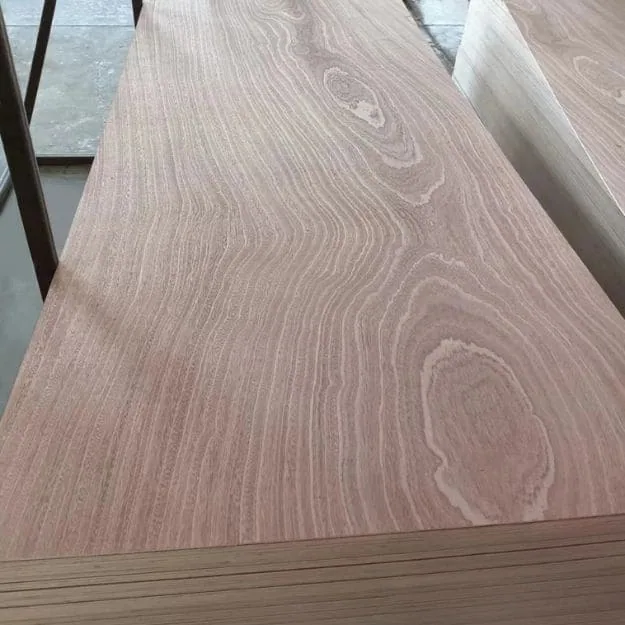
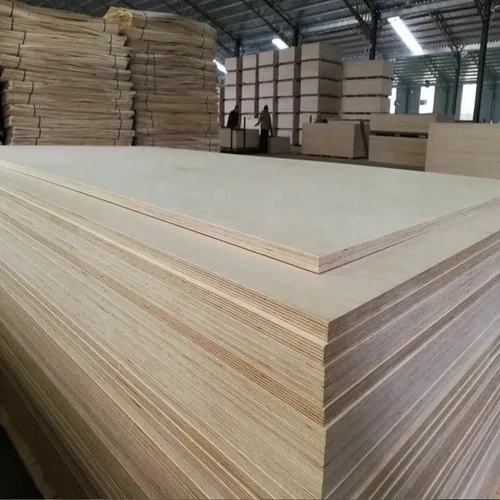
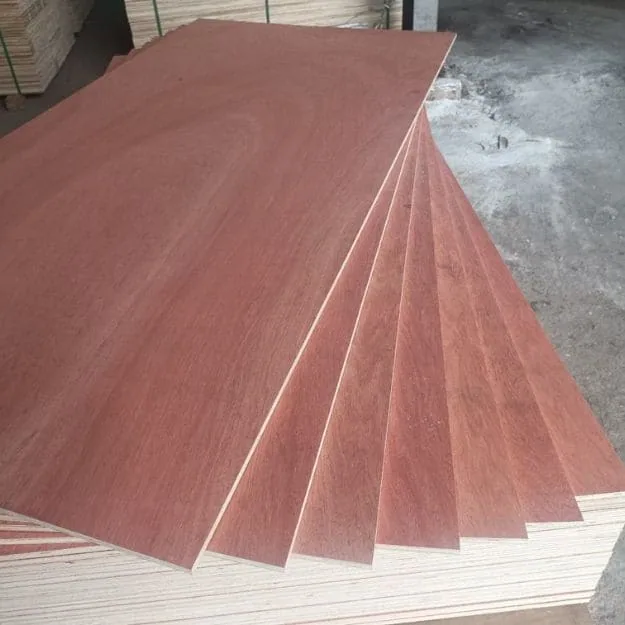
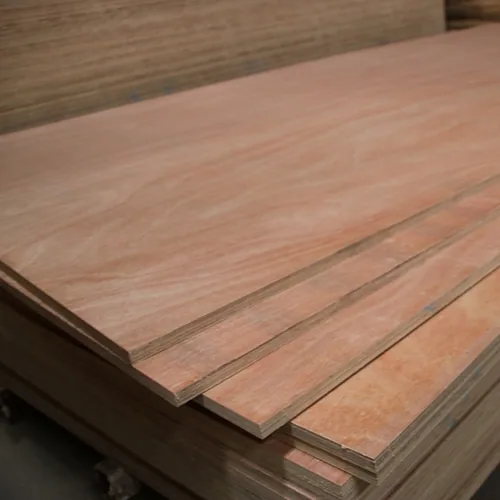
The photograph shows a marine plywood face and cut-layer view. Use that working section to discuss construction; retain the proposed item’s full designation and corresponding records for the class or standard in your order.
NAME THE REQUIREMENT AND ITS EDITION
A bond class and a product standard answer different questions.
Scroll horizontally to compare all columns.
| Reference | What it describes | Purchasing detail |
|---|---|---|
| BS 1088:2018 | Marine plywood requirements, with standard and lightweight classes. | The required class, complete panel description and product information corresponding to the offer. |
| EN 314-2 | Requirements for veneer-plywood bonding classes by end use; methods are in EN 314-1. | Required class, method, test conditions, identified construction and results. |
| EN 636 | Plywood specifications for general-purpose or structural use in dry, humid or exterior conditions. | The application, relevant product designation and supporting data for that item. |
| PS 1-22 | A North American structural plywood standard covering construction, veneers, bonds, grades and dimensions. | The specific product/grade and bond classification called for by your drawing, with matching identification. |
BSI’s public BS 1088 scope discusses resistance to biological deterioration and loss of bond strength over time; it also identifies additional end-use requirements that may apply. EN 314-2 addresses bonding quality. EN 636 describes the plywood product for its application. Read the full requirement relevant to your project when assessing the offered construction.
North American and European classifications use their own terms. APA’s plywood selection guidance distinguishes Exterior from Exposure 1, including the latter’s temporary construction-moisture use. Retain the scheme your project specifies when reviewing an alternative.
Keep the standard, edition and offered scope together.
A useful quotation names the proposed product and the requirement being offered, rather than listing several standards without their scope. Where a document refers to a different thickness, lay-up or veneer species, ask how its scope covers the proposed item and which additional data your project needs.
For a US-specified job, keep the required product/grade identification with the applicable scheme. For an EN-specified job, distinguish product classification, bond class and any required directional properties. The project’s responsible team can review a proposed substitute against the full brief before it becomes the purchase item.
Look beyond the face veneer at the full thickness.
Ask which wood species are used at the face, back and internal layers. A visible Okoume face and an all-Okoume construction are different item descriptions. Include the veneer lay-up and thickness arrangement where the material specification requires them.
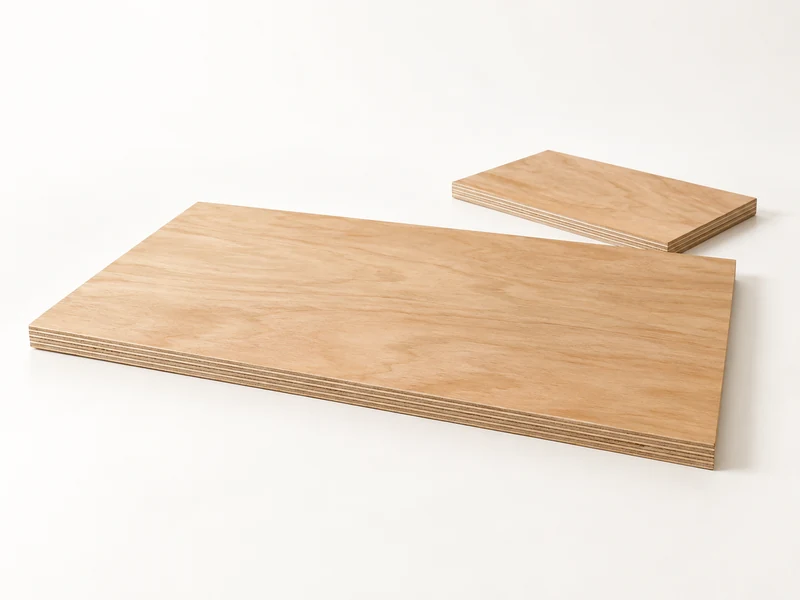
Use a full-thickness cut sample to discuss the core. Identify permitted gaps, overlaps, joints, repairs and face defects against the applicable product requirement. A neatly finished face and a cut section give different information about the panel you are considering.
For a coated boat component, include the face quality and preparation needed for the finish. For decorative joinery, identify the viewing sides and appearance range. For a hull-related or load-bearing part, carry the designer’s specified construction and required material data into the purchase.
Our core and ply-count inspection guide helps organise edge observations. The Okoume plywood and Sapele plywood pages help describe species and surface choices alongside the required complete construction.
Describe the visible face and the internal section separately.
Scroll horizontally to compare all columns.
| Part of the panel | Record with the proposed item | Working comparison |
|---|---|---|
| Face and back | Species, grade/appearance, veneer gauge and viewing sides. | Preparation and finish on the actual faces and repaired areas. |
| Internal layers | Species, lay-up, gauges/directions and quality requirement. | Full-thickness cut edge, openings and the specified core detail. |
| Complete panel | Nominal/measured dimensions, tolerance, bond and product designation. | Machined fit, required directional data and corresponding records. |
A face-species label can describe several inner constructions. Retain the one selected for the component, including the reverse and required preparation. For repeat orders, keep the accepted face range and full layer description beside the item code.
TURN WBP INTO A NAMED BOND REQUIREMENT
Ask for the method and result behind the bond description.
When a quotation uses WBP, ask which bond requirement the supplier is offering. Record the standard, class, method and specimen construction with the test information. That gives your purchasing team a basis for comparing offers and reviewing the proposed item.
CUZI’s WBP plywood route uses European EN bond requirements, with buyer-specified testing available on request. Name the required class and scope in your inquiry so the quotation and documents follow the job.
Review bond information alongside the face and inner veneers, dimensions and product designation. For a marine requirement, include the complete specified marine construction. For an exterior requirement, include the appropriate product description and exposure brief.
Specify any additional mechanical or component data needed by the design. A bond test, a product designation and a finished-part trial each have their own role in the purchasing decision.
Make a bond result traceable to the offer.
Request the tested panel identity, construction and gauge, specimen preparation, method, conditioning and reported result. Keep these with the required class rather than treating the words “WBP” or “phenolic” as a complete product specification.
If your purchase requires a particular marine designation, review the marine product requirements alongside that bond information. For a structural component, also retain the design-relevant panel properties and orientation; glue-line testing does not describe the complete joint or support arrangement.
How does film faced plywood compare with marine plywood?
Film faced plywood identifies a surfaced construction. Marine plywood identifies a marine product requirement. If your project proposes a film-faced panel, review the underlying wood construction and product designation as well as the overlay.
Ask for the film, front/reverse arrangement, inner veneers, bond and finished dimensions. Include the actual cut edge, hole, fixing or joint, and the proposed surface preparation or coating at that detail.
BSI’s EN 636 overview includes coated and overlaid plywood within its product scope, while identifying overlay/coating materials and processes as separate matters. A film description therefore belongs alongside the panel specification in the complete item.
CUZI Film Plywood is available in 4–30 mm with poplar, birch, eucalyptus or mixed cores; brown, black or red films; 90–240 g/m²; and single- or double-sided arrangements. Review that offered film construction against the requirement for your component.
Include the cut that interrupts the surface.
The supplied broad film face and the exposed cut edge are different parts of the working detail. Show the hole, machined recess, joint and fixing with the intended compatible protection and remaining workshop operations. Price those operations separately when comparing an overlaid and an uncoated route.
For a reusable work surface, keep the actual duty, handling and cleaning process with the quoted panel. Compare accepted working output from the selected construction rather than assigning a reuse count from its film colour or weight.
Describe the water exposure and every finished opening.
Tell us where the component will sit: inside a cabin, under shelter, exposed to rain or splash, or in another stated contact condition. Add orientation, joints, drainage and the intended maintenance plan where they affect the material and finishing choice.
Include broad faces, reverse, cut edges, routed features and service penetrations in the protection plan. Specify the compatible coating, adhesive, hardware and installation systems with their preparation and curing requirements.
For a locker panel, trial the hinge or service opening with the finished edge and reverse. For an exterior component, trial the working joint and fixing detail with the stated exposure and finish. Use your project’s agreed assessment for the component.
The marine plywood coating and penetration brief helps put these details beside the drawing. Carry the panel and finishing references through fabrication so the actual part follows the selected construction.
Describe contact conditions before selecting protection.
Scroll horizontally to compare all columns.
| Location | State the contact | Draw the finished detail |
|---|---|---|
| Interior locker | Humidity, condensation or cleaning that actually occurs. | Reverse, hinges, service opening and treated machined surfaces. |
| Sheltered outdoor joinery | Weather reach, splashes, drainage and intended maintenance. | Top/bottom edges, joints, support and compatible complete coating. |
| Exposed component | Rain/contact cycle, orientation and the required service conditions. | Drainage, fixings, cut edges and the specified installation system. |
| Boat-design component | Designer’s duty, contact conditions and product/assembly requirement. | Specified panel, penetrations, joining, finish and required project data. |
The finish should reach the surfaces your component leaves exposed, including any opening made after the first coating operation. Retain the preparation, application and cure sequence from the selected system with the fabrication drawing. A panel label does not set the coating quantities or maintenance interval.
REQUEST THE INFORMATION FOR THE OFFERED ITEM
Make the construction easy to review before ordering.
- Panel identity
- Product designation, standard and edition, grade/class, supplier item and relevant manufacturer identification.
- Wood construction
- Face/back and internal species, lay-up, dimensions, tolerances and the specified veneer-quality requirements.
- Bond information
- Required method/class, conditions, tested construction and results for the offered panel.
- Project data
- Mechanical, emission or other documents called for by the intended use, destination and component specification.
- Finished detail
- Coating/facing and installation guidance, working sample, drawing revision and agreed evaluation criteria.
Ask which species, thickness, lay-up and item each document describes. Use company certificates for their stated company or chain-of-custody scope, with the product information required for your particular panel.
Review substitutions field by field.
Place the original drawing requirement beside the alternative’s product designation, species/lay-up, measured gauge and tolerances, bond results and required directional properties. Add the finish/installation system and material documents called for by the destination.
Keep unresolved differences in that comparison before changing the order item. If the alternative changes machining or coating, include a working detail trial and the resulting process cost. The selected panel code, relevant records and completed reference should point to the same construction.
Compare complete offers for the same component.
Consider a coated boat locker and an outdoor cabinet panel. Give each its own material requirement, dimensions, finish and exposure description. Ask suppliers to quote those items separately, even when they will share a shipment.
Scroll horizontally to compare all columns.
| Offer detail | What to align | Why it affects the purchase |
|---|---|---|
| Panel construction | Named requirement, species/lay-up, dimensions and tolerances. | Identifies the material allocated to the drawing and component. |
| Product and bond data | Required documents, class/method and offered item identity. | Makes the specified construction reviewable alongside the price. |
| Workshop and finish | Cutting yield, machining, face/edge preparation, coating or overlay, and accepted output. | Includes the work needed to deliver the finished part. |
| Packing and delivery | Quantity, protected packs, labels and the same FOB/CIF scope. | Connects the offer with unloading, workshop allocation and the receiving plan. |
Describe any proposed alternative by its complete item description and review it against the project requirement. Confirm the selected construction before it becomes a substitution in the order.
Use the plywood RFQ checklist to organise the offer, and the mixed-panel schedule to keep the two constructions identifiable in one load.
Count broad faces, outside edges and service openings.
For a coating-area calculation, take 40 rectangular locker panels at 600 × 900 × 12 mm, each with one circular 80 mm through-opening. Coat both broad faces and all exposed outside and hole surfaces. These are geometry inputs, not a panel gauge, hole design or coating-system recommendation.
Scroll horizontally to compare all columns.
| Surface | Calculation in metres | Area |
|---|---|---|
| Both faces, less openings | 40 × [2 × 0.6 × 0.9 − 2 × π × 0.04²] | 42.80 m² |
| Outside edges | 40 × 2 × (0.6 + 0.9) × 0.012 | 1.44 m² |
| Circular opening walls | 40 × π × 0.08 × 0.012 | 0.12 m² |
The geometric total is 44.36 m², rounded from the unrounded areas. This is surface area rather than paint usage. Apply the selected coating supplier’s coverage, coats and preparation instructions; add the actual joint/recess details, process losses and reserve to the purchasing list.
Keep finished-component quantity separate from raw sheet area and coating work. Add cut layout, core/face preparation and packing to compare the actual accepted part, including any substitute that changes those operations.
Choose the CUZI route that follows your material brief.
Discuss Marine Plywood with the boat component, required product construction and documents. Discuss Exterior Grade Plywood with the exposure, required designation and complete finish. Thickness, species/lay-up and the specific marine or exterior requirement follow the item quotation.
For a bond-focused purchase, WBP plywood is available in 3–30 mm with poplar, birch or eucalyptus cores and BB/CC or C/D face/back options. Keep the selected bond requirement, product designation and intended use with that item.
Regular plywood formats are 1220 × 2440, 1250 × 2500 and 1525 × 3050 mm. Formats 1220 × 3050 and 1250 × 3660 mm, other sizes and prepared parts are on request; confirm the format against the proposed construction.
Orders begin at one container, with mixed loads available. Regular board production guidance is 10–15 days, with shipping additional. Include the required documents, further processing and target receiving date when discussing the schedule.
Schedule the panel and fabrication stages.
Separate the confirmed board construction from project-specific testing, prepared parts and coating work when agreeing dates. State when the panels must reach your workshop and when the finished component is needed. Allocate mixed-load items by their own drawing, finish and quantity instead of one generic plywood line.
PUT THE PROPOSED PANEL THROUGH THE WORKING DETAIL
Request a full-thickness sample and the corresponding data.
Send the component, drawing revision, required product designation, thickness and trial dimensions. Include the face, cut edge, hole or joint you want to machine and the finish or fitting you will apply.
A free sample can help you evaluate the proposed construction in your workshop. Buyers pay courier freight; a later-order freight credit can be agreed. Retain the selected panel and trial references with the item you order.
Turn the comparison into two identifiable purchasing items.
Use M01 for the coated boat locker and E01 for the sheltered outdoor cabinet. The dimensions below are drawing inputs for the buying exercise; agree the offered construction and complete finished detail with each item. Keep marine and exterior descriptions separate in a mixed shipment.
Scroll horizontally to compare all columns.
| Item and buying step | Carry into the request | Next step |
|---|---|---|
| M01: trial the coated opening | 600 × 900 × 12 mm drawing, 80 mm opening, required marine class, full-thickness section and complete coating. Ask for a suitable trial piece for your working detail. | Request the locker trial |
| M01: review the material file | Product edition/class, full veneer schedule, gauge/tolerances and corresponding bond data. Keep coating and any additional component properties with their own scope. | Request the marine item file |
| E01: trial the outdoor joint | Sheltered cabinet, weather reaching the part, required exterior product and bond, reverse, joint, fixings, drainage and painted machined surfaces. | Request the exterior joint trial |
| E01: compare the complete price | 24 finished parts at 600 × 900 × 12 mm. Separate sheet allocation, accepted cutting output, machining, preparation/coating, packing and the same named delivery scope. | Quote the outdoor component item |
For M01, carry the 40-part quantity and the 44.36 m² geometric coating surface into the fabrication schedule. Use the selected system’s coverage and coating sequence to calculate consumables. For E01, count its own joints and openings from its drawing; its surface quantity follows those details.
Make the selected working detail repeatable.
Retain the cut section, finished opening or joint, panel code and relevant process instructions with the drawing issue. Record the finish and fitting used in the trial, along with any required evaluation and result. Use that same identity in the subsequent quotation and receiving labels.
Marine and exterior plywood purchasing questions.
What is the main difference between marine and exterior plywood?
Compare the complete product requirements. A marine purchase specifies the relevant marine construction and documentation; an exterior purchase specifies the panel and bond for the outdoor application. Put the standard, grade/class, veneers, dimensions and finish in the item description.
Can exterior plywood replace a specified marine panel?
Review an alternative against the full material requirement on the project drawing, including the veneer construction, bond, dimensions and documents. Confirm the selected item with the project’s responsible team before changing the purchase specification.
Is an EN bond requirement the same as BS 1088?
They describe different scopes. EN 314-2 covers bonding requirements; BS 1088 describes marine plywood requirements. Request the full product designation and its relevant information alongside the bond results.
Does film faced mean marine plywood?
No. Film describes the surface construction. Review the underlying face/core, bond and product designation against the specified marine component, together with the film and complete machined detail.
Does a marine or exterior bond make a finished part waterproof?
A bond requirement addresses the glue lines. Specify the wood panel and the complete protection of faces, reverse, cut edges, holes and joints for the actual contact and installation conditions.
Should I choose a face species or an all-species construction?
Name both the visible veneers and internal layers. A face choice and a throughout construction are different offers; match the species, lay-up and quality requirements to the product and component brief.
Which documents should accompany the offer?
Ask for panel identity, required standard/grade/class, veneer construction, dimensions and corresponding bond data. Include any mechanical, emission or other project documents, with the destination and intended component.
Can marine and exterior items share a container?
Yes. Mixed loads are available with a one-container minimum. Use separate item codes for each construction, thickness, format and finish, with clear quantities, labels and protection requirements.