On this page
IN BRIEF
Turn a brand shortlist into an exact panel order
For plywood purchasing in India, shortlist the exact brand product line and the seller supplying it. Compare face and core construction, dimensions, the stated grade or standard and the services included with delivery. Then trial the proposed item in your component and keep any substitute on a separate quotation line. This turns a familiar brand name into a panel and service package your workshop can evaluate.
- Identify the line: brand/producer, model, grade basis, dimensions and full construction.
- Identify the seller’s work: stock, cutting, calibration, edging, delivery and support.
- Compare the finished output: the same drawing, appearance reference, usable quantity and receiving point.
This guide covers brand, dealer and project-supply comparisons in India. CUZI supplies from Xuzhou, China. Its planned order option is identified separately below, alongside the product and destination requirements to settle for the actual item.
UNDERSTAND THE DETAIL
Brand, product line and dealer: what identifies the offer?
Ask which exact line and item appear on the quotation, product label and invoice. A brand can cover different cores, grades, surfaces and applications. Keep the complete panel description and supplying contact with the model rather than extending one brochure claim across the range.
Scroll horizontally to compare all columns.
| Order detail | Ask the seller | Check against your component |
|---|---|---|
| Product identity | Brand/producer, exact line/SKU, face/back, inner construction, bond and supplied surface. | The representative sample and written item correspond to the same model. |
| Finished dimensions | Sheet and cut-part dimensions, finished gauge, tolerance and calibration/cutting included. | Measured fitting, routed feature and hardware from the current drawing. |
| Documentation | Applicable standard/edition/grade, product reports, producer and marking/licence details where required. | The documents cover the offered construction and intended use. |
| Supply service | Actual quantity/location/date, processing, delivery, written warranty/support scope and responsible contact. | The received item and remaining workshop operations meet your schedule. |
For a proprietary term or abbreviated grade, request the definition for that line. Compare two equal-thickness offers only after identifying construction, surface, required properties and supplied operations. Continue with describing the face and back requirement.
Choose the buying route around the work and date
A contractor buying a smaller stage can prioritise local stock, cutting and replenishment. A furniture factory needs a repeatable model, machining fit and usable components. An import programme adds production, shipping, entry documents and inventory planning. Price each route around the required output.
Identify the actual seller and supplying location, not only the brand’s head office. Confirm whether the full quantity is in stock, transferred from another branch, waiting for fabrication or made for the order. Record the proposed delivery date and appearance/batch matching across stages.
For an imported alternative, share the panel specification with your importer or product-compliance contact. Confirm the Indian requirements for that product and producing site before ordering.
WORKED BUYING EXAMPLE
Example: 150 cabinet interior panels, three buying routes
Illustrative cabinet layout: adapt the dimensions, tooling and receiving requirements to your project.
- Required output
- 150 accepted interior components: 90 of Type A and 60 of Type B.
- Fixed reference
- Drawing IN-07, decor, finished dimensions, grain/orientation, matching edge and fitting details.
- Comparison unit
- A component ready for the same next workshop operation at the same receiving point.
Calculate the raw sheets or blanks needed for the 150 parts using the dimensions, cutting layout and trial yield. Give suppliers the same two-part schedule and ask them to list the material and processing included.
Scroll horizontally to compare all columns.
| Buying route | Quoted scope to identify | Work and questions remaining |
|---|---|---|
| Dealer stock line | Exact line/SKU, sheet quantity/format, construction, decor reference and local delivery. | Cutting yield, calibration if required, matching edges, boring/assembly and finished-component review. |
| Project fabricator | Underlying model, 90 A / 60 B parts, drawing revision, edging/processing and part packing. | Which fitting/finish operations remain and how supplied parts meet the agreed dimensions and appearance. |
| Planned import alternative | Actual model/origin, raw or processed quantity, named delivery basis, documents and stage dates. | Required destination review, transport/receiving, inventory and workshop operations for the same finished output. |
Compare finished output, remaining work and delivery
90 + 60 = 150 accepted components. Retain the same decor, edge and drawing requirements in all three offers. Use actual processing/yield observations and dated prices; list extra cutting, edging, rework, transport and receiving separately. Review alternatives on their own specimens.
The example covers 150 parts. CUZI’s order minimum is one container, with mixed items available. Plan the full panel mix and replenishment schedule around your business needs.
Specify dimensions for Types A and B before comparing prices.
For this calculation, choose a 2440 × 1220 × 18 mm sheet, a 10 mm trim on every edge and a 3 mm separating kerf. Type A is 720 × 560 mm with grain along 720 mm; Type B is 360 × 560 mm with grain along 360 mm. The trimmed rectangle is 2420 × 1200 mm. Check your final drawing for further allowances, routed features, appearance zones and the supplied finished gauge.
Scroll horizontally to compare all columns.
| Item | Geometric layout and quantity | What the offer must identify |
|---|---|---|
| Type A: 90 parts | 3 × 720 + 2 × 3 = 2166 mm along grain; 2 × 560 + 3 = 1123 mm across. Six blanks per sheet; 15 sheets × 6 = 90. | Actual line/core/finish, grain direction, part dimensions and cut-edge condition; the hardware or fitting work included. |
| Type B: 60 parts | 6 × 360 + 5 × 3 = 2175 mm along grain; the same 1123 mm across. Twelve blanks per sheet; 5 sheets × 12 = 60. | Separate part label and packing count, consistent decor/edge direction and the operations needed to reach the same workshop stage. |
| Material and reserve | 15 + 5 = 20 sheets; 59.536 m² / 1.071648 m³ net panel. The nest produces exactly 150 blanks before losses. | This layout has no spare blanks. Set extra material or replacement quantities from the actual usable-face and processing trial, by type and required delivery stage. |
Put every route at the same next workshop operation.
The stock-sheet route needs enough usable material for both types, with cutting, matching edging and fitting costs added. The fabricated-part route needs 90 accepted A parts and 60 accepted B parts at the stated dimensions, with the delivered edge, boring and finish specified. Keep an import schedule’s destination requirements, complete receiving costs and remaining operations with the proposed construction.
Compare total material, processing, transport/receiving and recorded rework cost ÷ accepted parts for each type, using the same currency and receiving point. Separate shared costs explicitly between A and B. Trial decor/edge matching and the actual fitting detail before applying a part price to the complete schedule; keep your usable, rejected and reworked counts.
For a CUZI mixed-container programme, these 20 sheets would be one calculated material line. Add the other planned lines, reserve quantities, bundle dimensions and gross weights to the container schedule. A dealer’s small release and a container programme can be compared on finished output while retaining their different order quantities and dates.
Trial my A and B cabinet componentsRequest the part and processing fileCompare the 150-part supply routes
A follow-up message you can adapt
For 150 cabinet interior panels, identify your exact product line, decor and construction. State whether cutting and matching edging are included, and list the operations we would still need to complete after receiving. Use drawing IN-07 and quote 90 Type A / 60 Type B separately with quantity units, product documents and delivery scope.
Prepare your inquiry files →YOUR COMPARISON RECORD
Confirm the selected product and services in the quotation
Retain the line/SKU, full construction, representative sample, actual trial and drawing/appearance revision. Identify the supplied cutting, edges and finish alongside the invoice item. Keep a substitute or later batch distinct until its affected characteristics have been reviewed.
For staged deliveries, agree item quantities, first-needed dates, stock reservations and matching requirements. Plan spares and name the contacts for changes or delivery issues.
Use the inquiry file checklist and the repeat-order change record to keep the selected version clear.
Standards, trade grades and written support are different fields
When an offer uses MR, BWR or BWP, ask for the named standard, grade and relevant report. This makes it easier to compare the same product requirements across suppliers.
BIS’s IS 303:2024 page identifies plywood for general purposes. Use BIS Know Your Standard to locate the relevant standard, amendments, notifications, licences and laboratories. Where a BIS/ISI-marked product is offered, obtain its producer and licence details and use the official BIS Care verification route. Match the result to the actual supplied item.
Scroll horizontally to compare all columns.
| Field | Detail to identify | Record for the selected item |
|---|---|---|
| Standard and grade | Standard number/edition, actual grade definition and intended use. | Model specification and applicable methods/product reports. |
| Marking and licence | Producer, product scope and licence details where required or offered. | Official verification matched to the proposed model and marking. |
| Finished assembly | Core, facing, reverse, finished gauge, edge and processing. | Drawing, representative working detail and supplied operations. |
| Warranty and support | Buyer/use covered, exclusions, remedy, registration and responsible seller. | Current written terms, invoice and claim contact. |
Ask for the written warranty and support terms for the product and use. Check registration, cover, exclusions, remedy and the contact for a claim, including responsibility for any further processing.
For a proposed import, confirm the applicable product/entry and licensing requirements with the responsible importer and compliance contact before placing the firm order. Keep that review separate from a physical appearance or fit trial.
Supplier profiles: start with the selected line
Official channels reviewed on 6 October 2026. Use these contacts for a current item quotation, specification and seller/service arrangement.
CenturyPly — coordinate the line and dealer
CenturyPly lists plywood, laminates, veneers, doors and composite materials, with a dealer locator and catalogue routes. Select the plywood line and supplying dealer, then identify the surface/core, dimensions, required documents and processing. Coordinate the physical laminate/veneer and edge with the substrate. Obtain the current warranty terms for that exact item rather than applying a general brand promise.
Goldwood Industries — choose the product for your application
Goldwood describes manufacturing in Yamunanagar, Haryana and lists commercial/MR, marine and shuttering plywood, blockboard and doors. Ask for the construction, grade, sample and documents for your application, together with the seller’s processing and delivery offer.
Harenply — clarify the exact model and support terms
Harenply lists plywood, shuttering plywood, blockboard, doors and related materials under the Sasthi Enterprises name. For a quotation, identify the selected model, construction, dimensions and supplying contact. If replacement or insurance influences the choice, obtain the current written terms and claim route for the actual item and intended use.
Virgo — distinguish substrate and facing
Virgo lists plywood, MDF/HDF, laminates, PVC laminates and other materials. Specify whether you need a raw substrate, a separate facing or a complete surfaced assembly. Keep the front, reverse, bonding, finished gauge, edge and processing in one component schedule while identifying each material separately.
Anchor Plywood — obtain current product information
For an Anchor inquiry, obtain a current product list, specification and supplying contact directly from the company or proposed seller. Identify the quoted line, model, dimensions and applicable documents before comparing a specimen or price. Keep the order and support terms attached to the actual supplier.
SolidPly — turn calibration into a fitting requirement
SolidPly markets calibrated plywood and lists plywood, blockboard, marine, flexible, flush-door and film-faced lines. For CNC work, request the actual finished-gauge tolerance and supplied condition, then trial the representative routed/fitting detail. Keep processing and required product documents specific to the selected model.
Additional product contacts
Use the Sylvan Ply Industries Limited, Minimax Metals & Plywood Pvt. Ltd. and Caliber Plywood channels to request current catalogues, line specifications and dealer/service details. Confirm the actual product and seller before adding an offer to your comparison.
For an Apple Plywoods quotation, obtain the current product range and model documents from the proposed seller. For a coordinated interior, identify the substrate, facing and complete finished assembly separately. Keep the offered line, component sample and applicable support terms with that seller’s reply.
Compare dealer, fabricator and import offers on one output
Use one numbered component schedule and receiving point. Identify exact line/model, face/core/surface, dimensions, supplied work and quantity unit. Ask each supplier to price a substitute separately and show the work remaining after delivery.
For a stock-sheet price, calculate needed sheets from the real nest and actual trial observations. For a part price, reconcile the number and dimensions of accepted components with the drawing. Include calibration, cutting, edging, boring, finish, packing and rework only where the offer actually covers them.
Use dated prices in the same currency and delivery terms. Name the FOB/CIF port and add destination, inland transport, unloading and inventory costs. Ask your import and freight contacts for current charges, then use the quotation comparison worksheet to compare offers. See Use the same quotation comparison fields.
Match the documents to the offered product
Start with the customer/project requirements for the actual destination and use. Request producer/site/model, full construction, standard/edition/grade and applicable marking/licence information, relevant methods/reports, and lot/shipment references. Keep company credentials separate from product and entry documents.
Prepare the product document list. For CUZI’s proposed China construction, request Commercial plywood model and document details or Laminated MDF assembly documents. Include the required Indian product specifications and entry documents in your request.
Trial the completed interior detail
For cabinetry, include the actual front/reverse, laminate, matching edge, hinge, boring and cut-out. For a clear-finished surface, approve the face and edge after the intended coating. Keep formwork as a separate trial with the required surface/core and site process.
- Write the component and acceptance requirements, with separately identified alternatives.
- Confirm the exact model, supplying seller and full construction.
- Evaluate the representative finished detail and retain the observations/reference.
- Connect the selected item to invoice, labels, documents and received material.
Request a melamine plywood component sample Request a laminated MDF component sample
Request Melamine plywood construction files. Use the complete RFQ checklist when collecting replies.
Convert dealer statements into order details
Scroll horizontally to compare all columns.
| Offer statement | Useful follow-up | Record to retain |
|---|---|---|
| Premium plywood | Which exact line, construction, grading basis and required standard? | Model specification, sample and the quotation/invoice item. |
| Calibrated panel | What finished gauge/tolerance and measuring conditions cover my fitting detail? | Dimensioned drawing, representative measured trial and supplied processing. |
| Long warranty | Which terms cover this buyer, item and use, and how is a claim handled? | Written scope, registration if needed, exclusions, remedy and seller contact. |
| Available immediately | Where is the full identified quantity, and what transfer/processing/delivery remains? | Quantity/location, allocation and usable receiving date for each stage. |
Keep receipts, product labels and the selected reference together. Compare received material and a representative processed component before using the full batch. Record any difference and its material identity using the issue-report guide. Download the receiving record.
Compare a CUZI China offer on the required characteristics
Send the application, face/core/surface, dimensions, drawing, quantity and destination. A named Indian product can be a reference; add the characteristics and documents your finished part needs. Keep any proposed change as a separate construction, specimen and quotation.
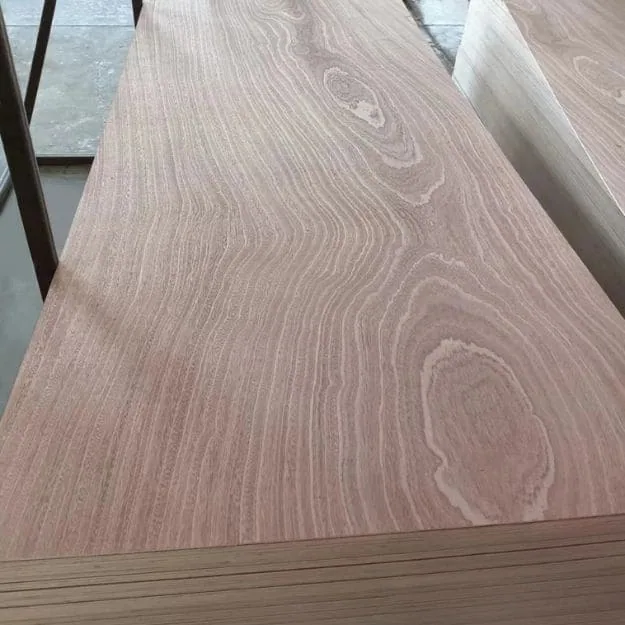
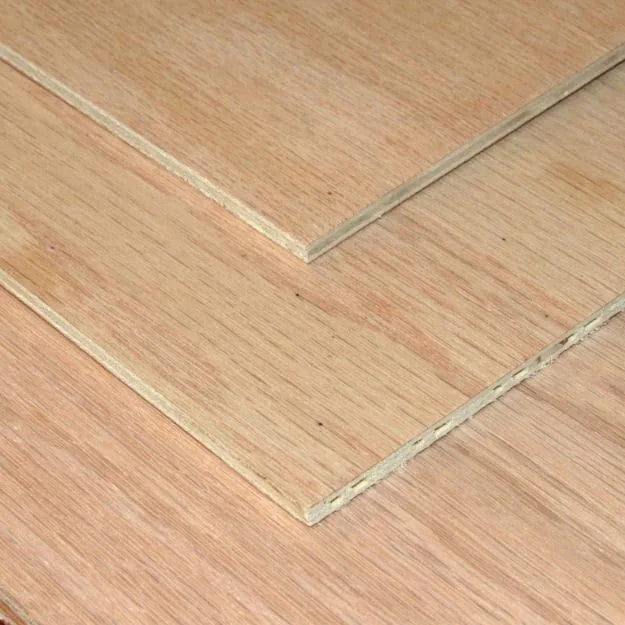
Commercial plywood is available in 3–30 mm, poplar/birch/eucalyptus cores, BB/CC or C/D face/back and E0/E1 emission options. Standard plywood formats are 1220 × 2440, 1250 × 2500 and 1525 × 3050 mm; 1220 × 3050, 1250 × 3660 mm and other formats are on request. Confirm the offered model and methods.
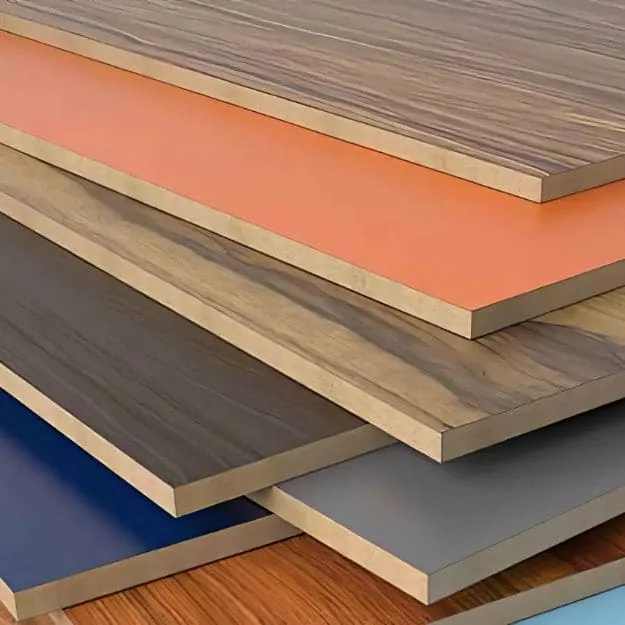
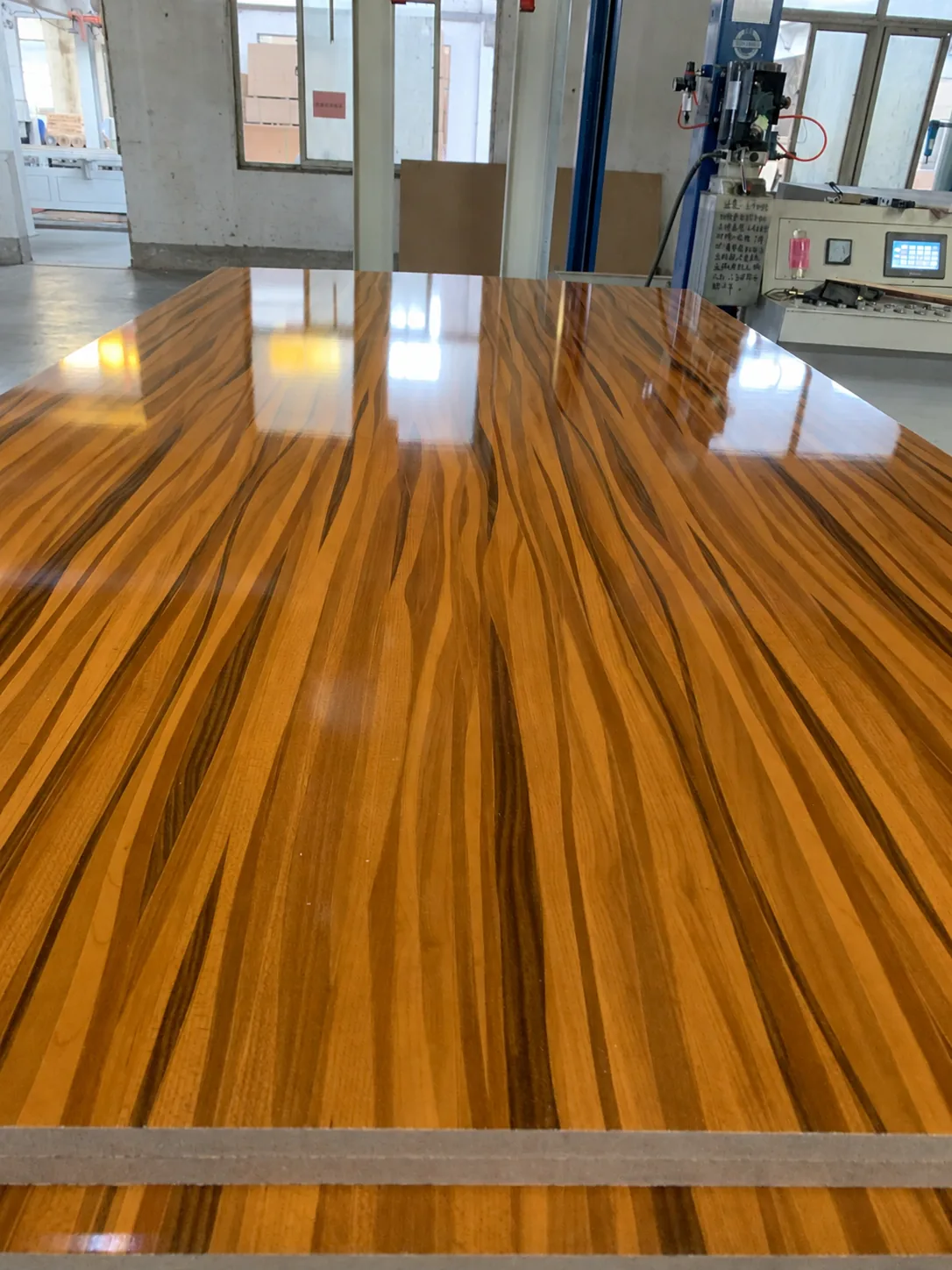
Laminated MDF offers HPL, melamine or PVC with single/double-sided combinations. MDF regular formats are 1220 × 2440 and 2100 × 2800 mm; 1220 × 3050, 1830 × 3660 and 1220 × 3660 mm are on request. Keep core, facing, reverse and finished dimensions together.
Request a commercial plywood comparison sample Request a cut-part comparison sample
Request Cut-part dimensions and processing details or Film plywood product details for a separately defined formwork item.
Plan the complete supply route
CUZI supplies from Xuzhou, China with a minimum order of one container; plywood and MDF items can be mixed. Allow 7–15 days for production, with shipping and receiving additional. Samples are free; you pay courier freight, which is credited in full against your formal order. Request FOB or CIF at the named port and resolve the actual destination/product requirements before a firm order.
Discuss a product-line comparison or Quote your interior panel schedule.
Send the product-line and service brief
For staged interiors, name the line, appearance reference, quantities and delivery dates. For repeat furniture, add the construction, drawing, fitting and trial. For formwork, issue its own complete panel and project requirement.
Destination / receiving point / required date and use:
Reference brand/line and actual producer/model proposed:
Full face/back/core/bond/surface and required documents:
Sheet and finished-part dimensions / tolerances / quantity units:
Drawing revision / physical decor-edge / working sample reference:
Supplied cutting/calibration/edge/finish and remaining work:
Standard/edition/grade, marking/licence and entry review needed:
Stage quantities / packing / inspection / written support contact:
Named quotation basis/port, delivery stages and changes:
Start the product and service comparison
Use commercial plywood specifications for covered cabinet parts or laminated MDF assemblies for finished fronts. Compare order scope in the China guide and construction checks in the Indonesia guide.
India sourcing questions
Is a familiar brand name enough to select a panel?
Use it to locate the exact line/model, then compare construction, dimensions, use and documents. Keep the selected sample with the quotation, label and invoice item.
When does an import comparison become useful?
When quantity, schedule, destination requirements and receiving support planned supply. Compare the same finished output and complete scope with the local offer. CUZI’s minimum is one container with mixed items.
Can MR, BWR and BWP replace a full specification?
Obtain the actual standard/edition, grade definition, construction and documents for the line. Check the required use and model rather than equating abbreviations or promotional names.
How can I check a BIS/ISI product claim?
Ask for the producer, applicable standard and licence/marking details of the item. Use BIS’s official standard and licence verification channels, then match the information to the product offered.
What should a calibrated plywood offer include?
Finished gauge, tolerances, measuring basis and supplied operations. Trial the actual routed/fitting detail against the drawing; keep its dimensions and observations with the proposed model.
How should I compare 150 parts with a sheet quotation?
Calculate the sheets needed for 150 parts from the part dimensions, cutting layout and trial yield. Add the remaining processing and delivery costs.
What should I keep for warranty or dealer support?
Written item-specific terms, invoice, labels, registration if required, selected sample/reference and relevant observations. Confirm the responsible seller, coverage, exclusions and remedy.
Can CUZI quote an identical equivalent to any Indian brand?
Send the panel requirements, drawing and required documents. CUZI can propose a China-supplied construction for you to compare through a sample and destination-document review.